Protecting Your Digital Identity: Essential Tips to Prevent Identity Theft
With the rise of technology and the internet, the risk of identity theft has increased significantly. Every year, millions of people fall victim to identity theft, resulting in massive financial losses and emotional distress. However, there are simple steps you can take to protect your digital identity and prevent identity theft.
Understanding Identity Theft
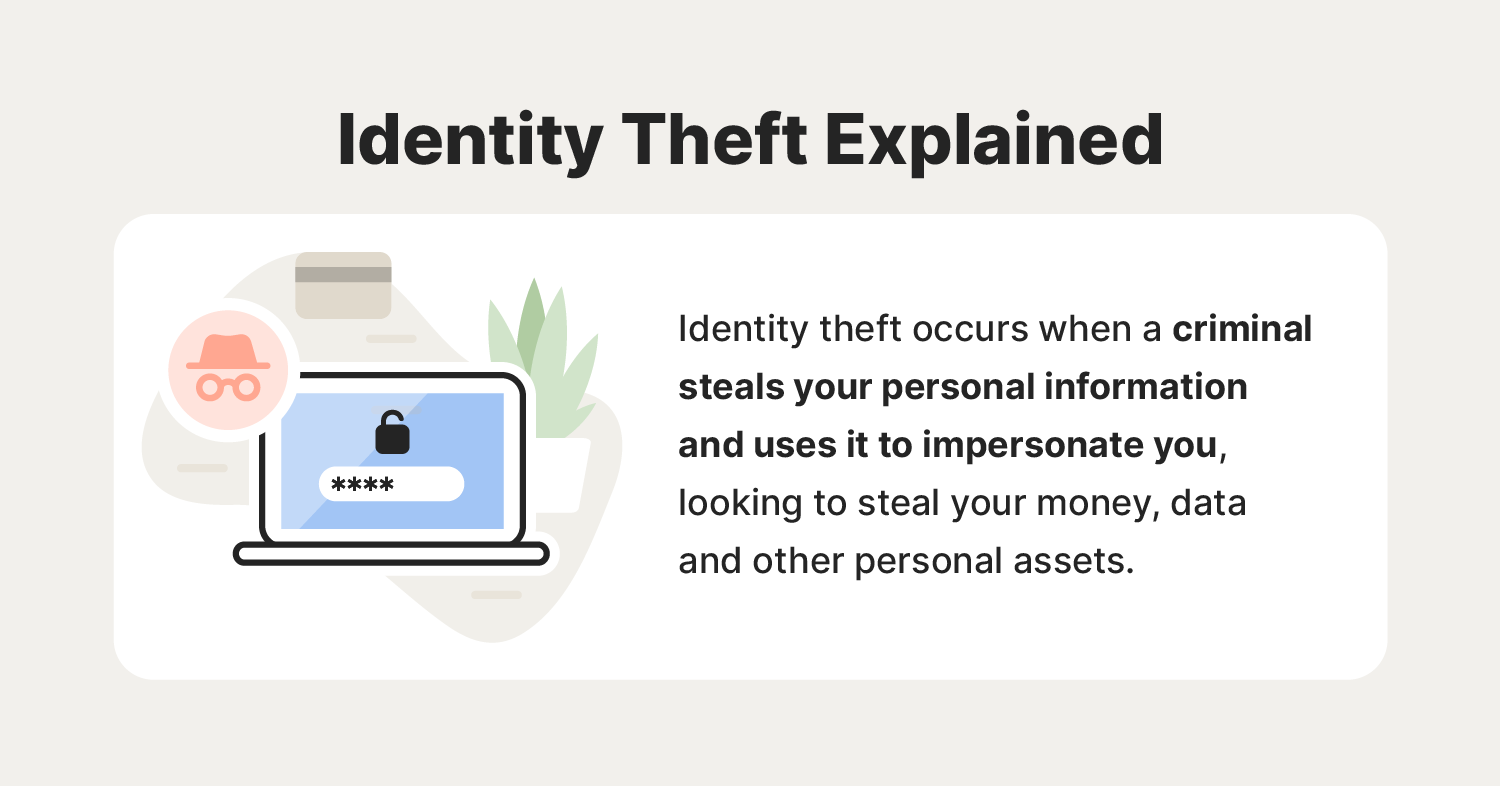
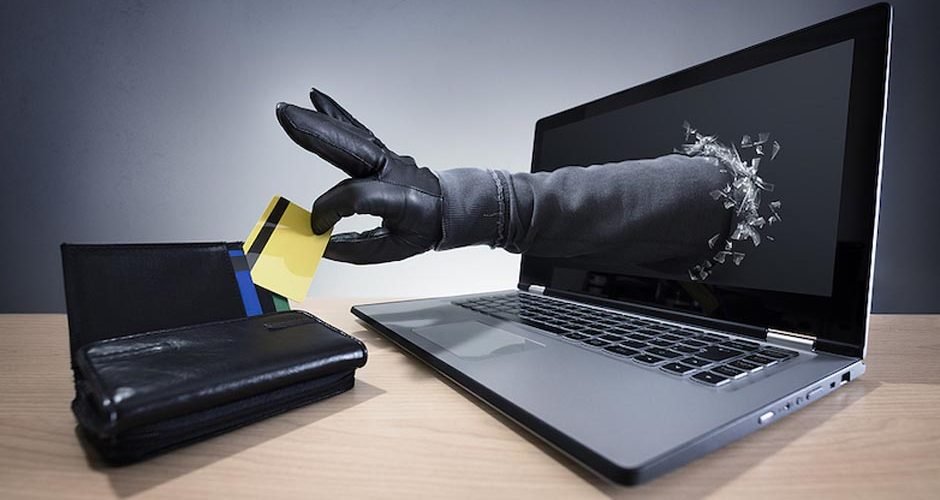
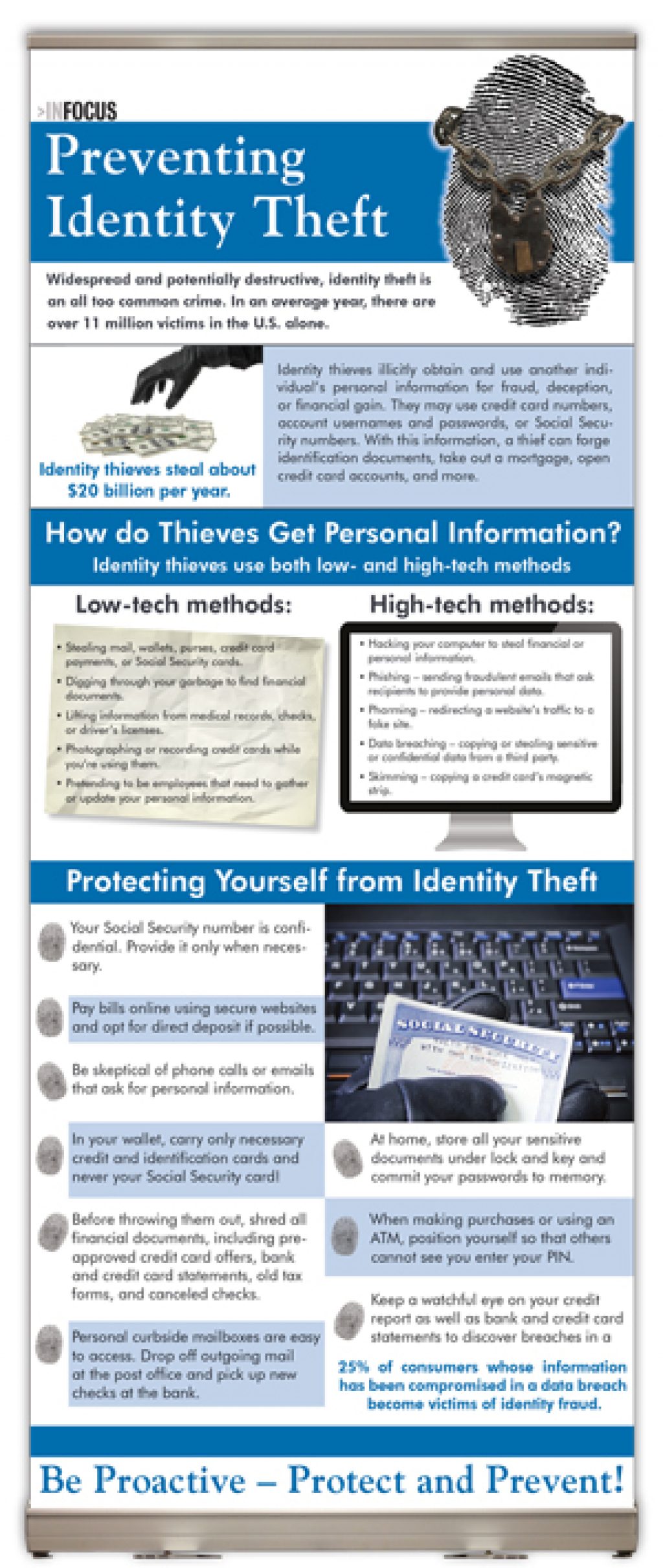
Identity theft occurs when someone uses your personal or financial information without your permission to commit fraud or other crimes. This can include using your Social Security number, credit card number, or other sensitive information to open accounts, apply for loans, or make purchases. Once your identity is compromised, it can take months, if not years, to recover.
Prevent Identity Theft: Top 11 Tips to Stay Safe
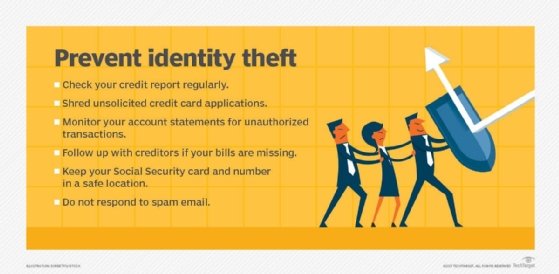
- Monitor Your Credit Reports:** Regularly check your credit reports from the three major credit bureaus (Experian, TransUnion, and Equifax) to detect any suspicious activity.
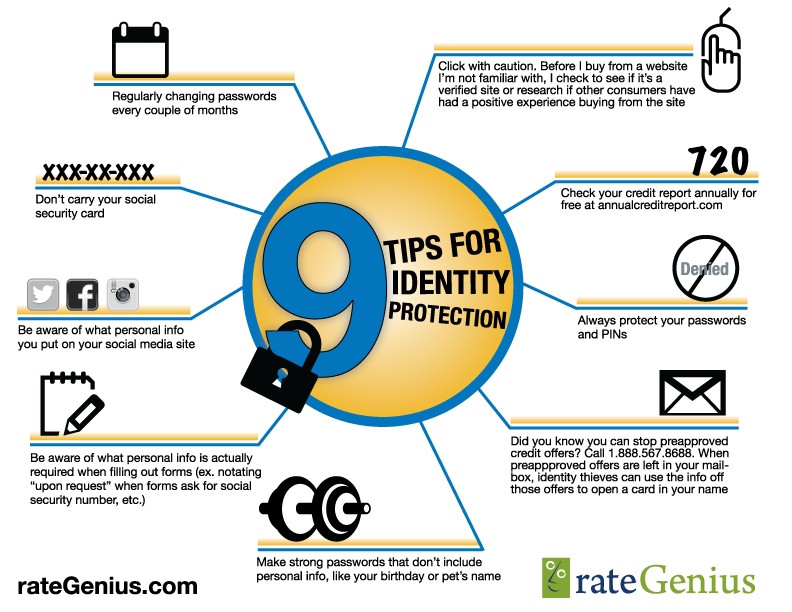
- Use Strong Passwords: Create unique and complex passwords for all accounts, and avoid using the same password for multiple sites.
- Enable Two-Factor Authentication: Add an extra layer of security to your accounts by requiring a second form of verification, such as a code sent to your phone or a biometric scan.
- Keep Software Up-to-Date:** Ensure your operating system, browser, and other software are updated with the latest security patches.
- Be Cautious with Public Wi-Fi:** Avoid using public Wi-Fi networks for sensitive transactions, such as online banking or shopping.
- Shred Sensitive Documents:** Dispose of sensitive documents, such as bank statements and credit card offers, by shredding them.
- Freeze Your Credit:** Consider freezing your credit to prevent new accounts from being opened in your name.
- Use a VPN:** Subscribe to a virtual private network (VPN) to encrypt your internet traffic and protect your data.
- Verify Transactions:** Regularly review your account statements and verify any suspicious transactions.
- Limit Online Sharing:** Only share personal information and online accounts with trusted individuals and organizations.
- Keep Important Numbers Secure:** Store sensitive information, such as your Social Security number and driver's license number, in a secure location.
Protecting Your Child's Identity
Children's identities are particularly vulnerable to theft, as their social security numbers are often used to commit crimes. To protect your child's identity, follow these steps:
- Monitor Children's Credit Reports:** Regularly check your child's credit reports to detect any suspicious activity.
- Use a Secure Online Presence:** Ensure your child's online presence is secure, and avoid sharing their personal information on social media or other public platforms.
- Limit Online Interactions:** Restrict your child's online interactions, especially with strangers or unknown individuals.
- Teach Identity Protection:** Educate your child on the importance of identity protection and how to avoid identity theft.
Conclusion
Identity theft is a serious crime that can have devastating consequences. However, by following these simple tips, you can significantly reduce the risk of identity theft and protect your digital identity. Stay vigilant, monitor your accounts, and keep your personal information secure. Remember, prevention is the best defense against identity theft.
Additional Resources
For more information on preventing identity theft, visit the Identity Theft Resource Center (ITRC) or consult with a reputable credit monitoring service. Stay informed and stay safe!



![The Easiest Ways To Prevent Identity Theft [8 Steps] - Aura](https://pennypinchinmom.com/wp-content/uploads/2014/01/prevent-identity-theft-copy.jpg "The Easiest Ways To Prevent Identity Theft [8 Steps] - Aura")