Understanding Tech Addiction Symptoms
Technology addiction is a growing concern that affects individuals from all walks of life. It involves excessive use of technology that leads to problems and distress in various aspects of life. When a person is addicted to technology, these activities are done to avoid or alleviate feelings of anxiety or irritability, rather than for fun and recreation.
Common Symptoms of Tech Addiction
- Problems with relationships and work due to excessive tech use
- Withdrawal symptoms, such as anxiety, irritability, and restlessness, when unable to access technology
- Loss of control over tech use, despite efforts to reduce or stop usage
- Preoccupation with technology, such as spending excessive time on social media, gaming, or online activities
- Continued use despite negative consequences, such as sleep disturbances, eye strain, and decreased productivity
- Use of technology as a coping mechanism for unpleasant emotions, such as anxiety, depression, or stress
- Withholding or hiding technology use from others due to shame or guilt
- Frequently checking or re-checking technology, such as social media or emails, even when there are no new notifications
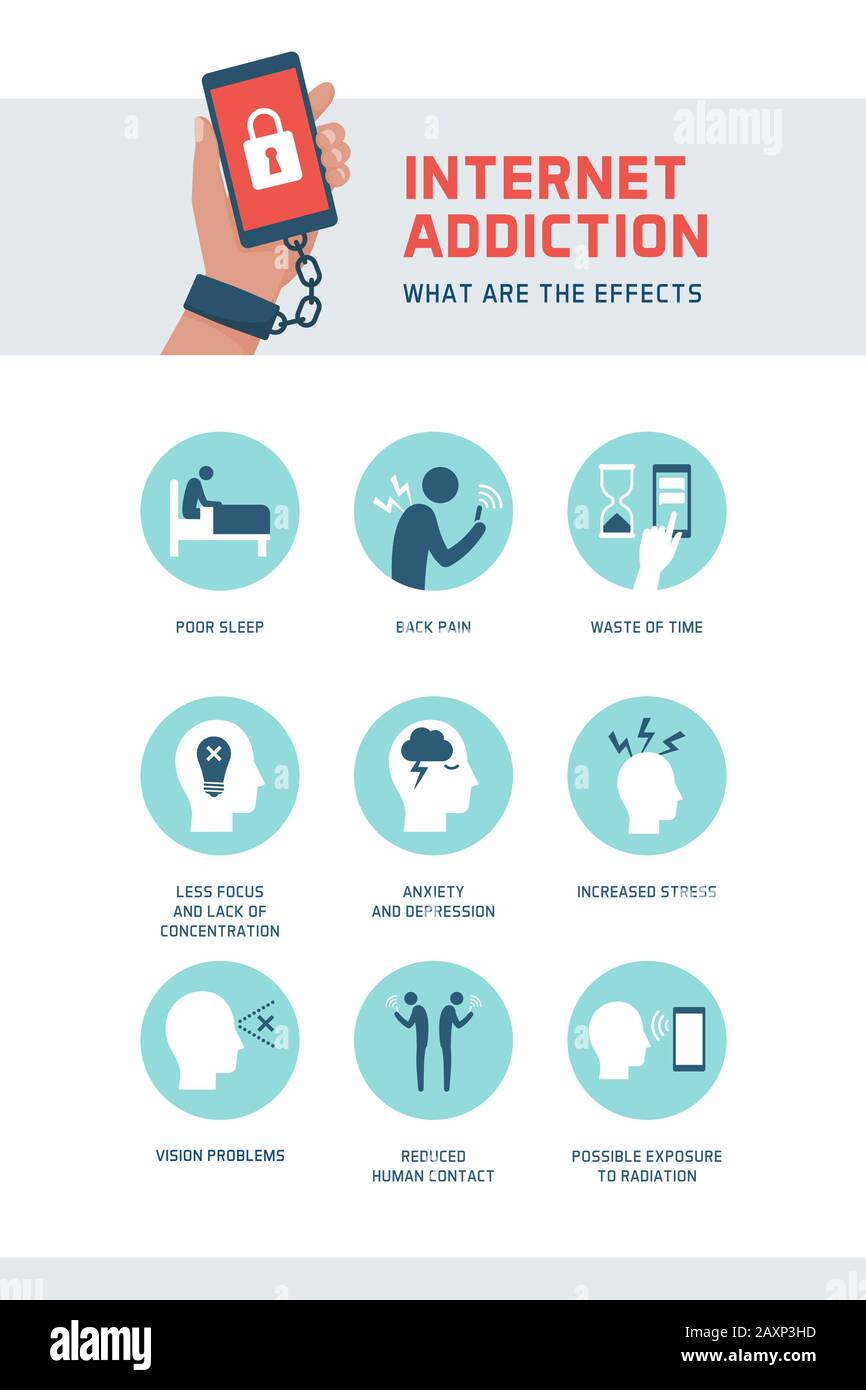
Physical Symptoms of Tech Addiction
Excessive screen time can lead to various physical symptoms, including:
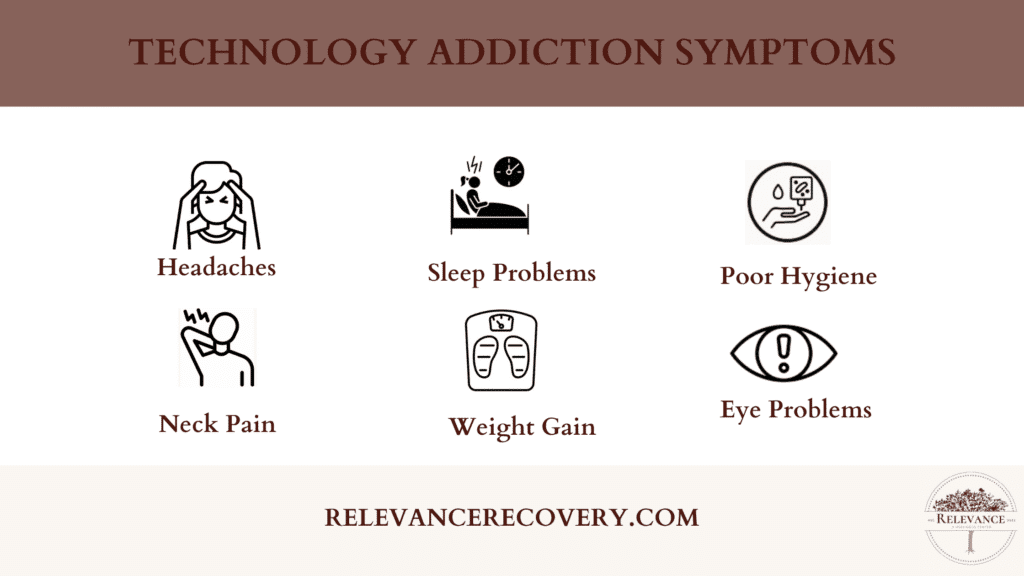
- Eye strain and dry eyes
- Headaches and migraines
- Disrupted sleep patterns and insomnia
- Muscle pain and tension
- Weight gain or loss due to reduced physical activity
- Weakened immune system
Causes and Risk Factors of Tech Addiction
Several factors can contribute to the development of technology addiction. These include:
- Genetic predisposition
- Cognitive and behavioral factors, such as impulsivity and overactivism
- Social and environmental factors, such as peer influence and availability of technology
- Personality traits, such as low self-esteem and anxiety
- Co-occurring mental health conditions, such as depression and anxiety disorders
Strategies for Overcoming Tech Addiction
Overcoming technology addiction requires a comprehensive approach that involves self-awareness, self-regulation, and support from others. Some strategies for overcoming tech addiction include:
- Setting boundaries and limits on technology use
- Engaging in regular physical activity and exercise
- Practicing mindfulness and meditation
- Seeking support from friends, family, and mental health professionals
- Participating in therapy, such as cognitive-behavioral therapy (CBT)
- Utilizing technology-free zones and times
- Engaging in hobbies and activities that promote a sense of purpose and fulfillment
Conclusion
Technology addiction is a complex and multifaceted issue that affects individuals from all walks of life. By understanding the common symptoms, causes, and risk factors of tech addiction, individuals can take steps to overcome this problem and improve their overall well-being. With the right strategies and support, it is possible to develop a healthier relationship with technology and achieve a better balance between digital convenience and real-world connection.