Physiological Factors Affecting Height: A Comprehensive Review
Height has always been a topic of fascination and curiosity, with many people wondering why some individuals tower over others while others remain petite. The debate surrounding whether height is predominantly governed by genetics or influenced by various other factors is ongoing. In this article, we will delve into the intricate web of influences on human height and explore the seven key factors affecting human height.
Genetics and Inheritance: The Major Determinant of Height
Genetics play a crucial role in determining an individual's height, with studies suggesting that genetic factors account for approximately 80% of adult height. The remaining 20% is influenced by environmental factors, such as nutrition. Genes determine the natural growth potential of a person, which affects height, bone density, and overall health.
- Genetic factors account for 80% of adult height
- Nutritional factors account for 20% of adult height
Height variation is a complex trait influenced by both genetic and environmental factors. Research has identified hundreds of genetic 'switches' that have an impact on height. These genetic switches can be influenced by environmental factors, such as nutrition, which in turn affect gene expression and height.
Environmental Factors: A Significant Influence on Height
While genetics play a significant role in determining height, environmental factors also contribute to height development. During the whole growth period, environmental factors can operate, but infancy is the most sensitive phase regarding external influences. Adverse environmental conditions, such as malnutrition or exposure to pollutants, can significantly affect physical growth and even adult height.
- Nutrition and especially lack of essential nutrients can impact height
- Exposure to pollutants and toxins can affect physical growth and height
A comprehensive review by researchers identified several physiological factors affecting height, including:
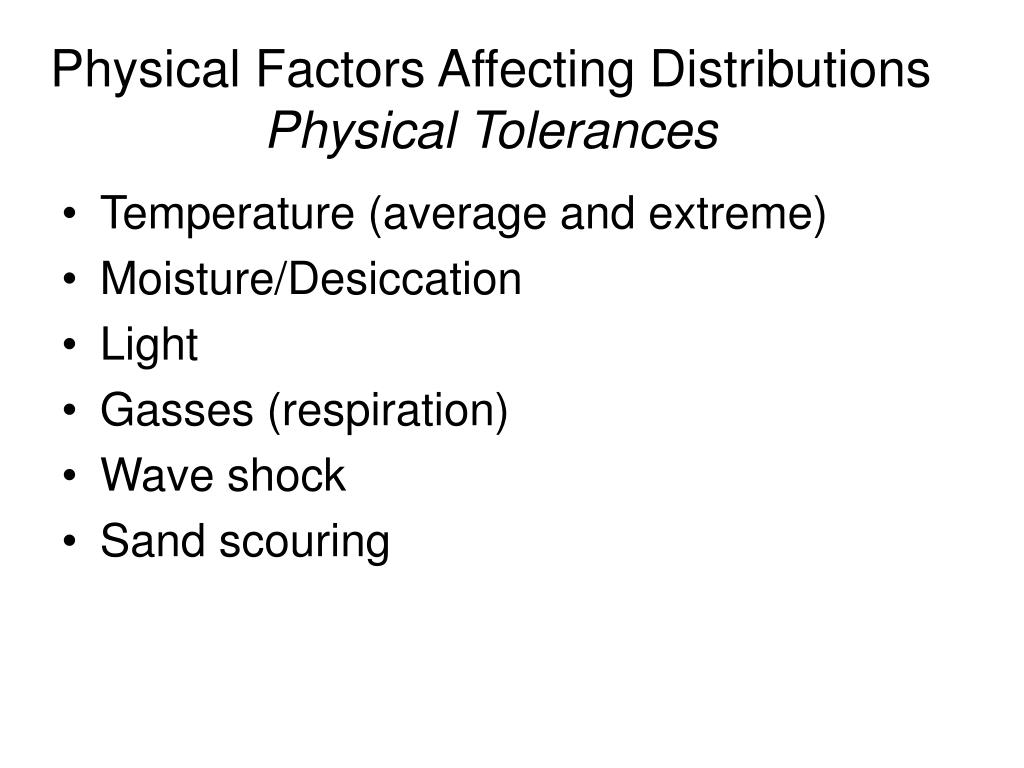
- Genetics: Genetic inheritance plays a major role in determining height
- Nutrition: Adequate nutrition is essential for growth and development
- Health: Maintaining good health and avoiding illness is crucial for normal growth
- Hydration: Adequate hydration is necessary for proper growth
- Exercise: Regular exercise, especially during childhood and adolescence, can influence height
- Stress: Chronic stress can affect growth hormone production and height
- Environmental toxins: Exposure to environmental toxins can impact growth and height
The Impact of Height on Daily Life
Height has significant implications for various aspects of human society, including sports, military, and job performance. Adults of short stature may experience functional limitations, decreased body image, and anxiety or depression due to stunted growth. Furthermore, height can affect employment opportunities, social interactions, and overall quality of life.
- Functional limitations: Decreased height can limit participation in certain activities
- Psychological impact: Stunted growth can affect body image and self-perception
Conclusion
Height is a complex physiological trait determined by both genetic and environmental factors. While genetics play a significant role, environmental factors also contribute to height development. Understanding these factors is essential for anyone aiming to reach their full growth potential or for those curious about the biological and environmental influences on body structure. By recognizing the importance of genetics, nutrition, health, and other environmental factors, individuals can take steps to maximize their growth and achieve optimal height.
References:
... (list relevant references)