What is Persuasive Design?
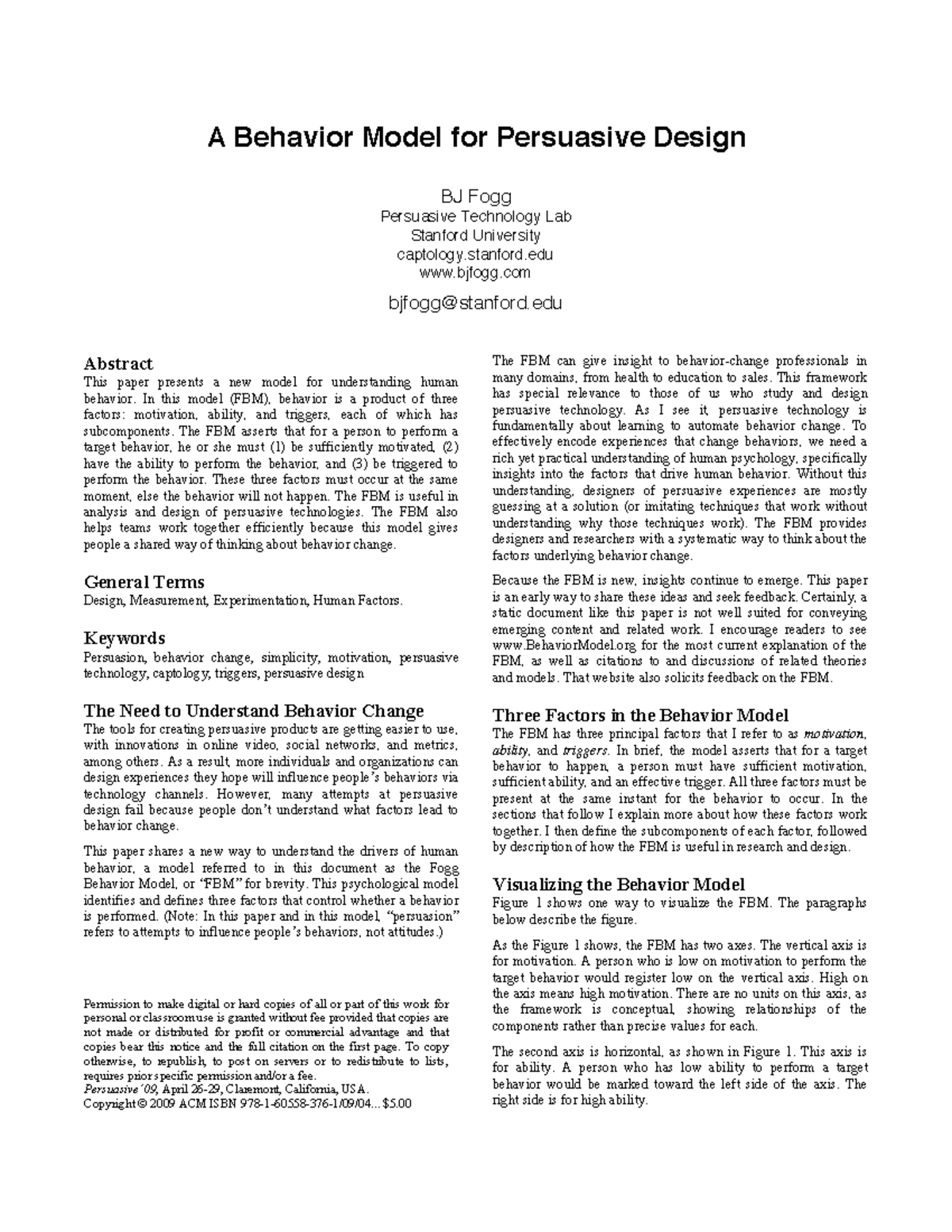
Persuasive design is an area of design practice that focuses on influencing human behavior through a product's or service's characteristics. Based on psychological and social theories, persuasive design is often used in e-commerce, organizational management, and public health.
Understanding Persuasive Design
At its core, persuasive design is a deliberate approach to creating products and experiences that intentionally guide or change user behavior by leveraging insights from psychology. This involves understanding how users think, feel, and behave when interacting with a product to shape user decisions and actions.
Unlike relying on guesswork or intuition, persuasive design applies psychological and social principles to push users towards desired outcomes. Whether it's increasing conversion rates, driving engagement, or improving user experience, persuasive design is a valuable tool in the designer's toolkit.
History of Persuasive Design
The term "persuasive design" has been in use since the early 2000s, but its roots date back to the 1900s, when the concept of persuasive technology, or "captology," emerged. This term was coined by B.J. Fogg, a renowned expert in the field, who defined it as "computers as persuasion technology."
Since then, persuasive design has evolved to encompass a wide range of applications, from digital products and services to marketing and public health initiatives. With the rise of e-commerce, social media, and mobile devices, the need for persuasive design has become more pressing than ever.
Key Principles of Persuasive Design
Persuasive design is a delicate combination of behavioral science and design principles. Here are some key principles that underlie this approach:
- Feedback**: Providing users with immediate feedback and progress updates can encourage them to continue performing a desired action.
- Scarcity**: Creating a sense of urgency or scarcity can motivate users to take action.
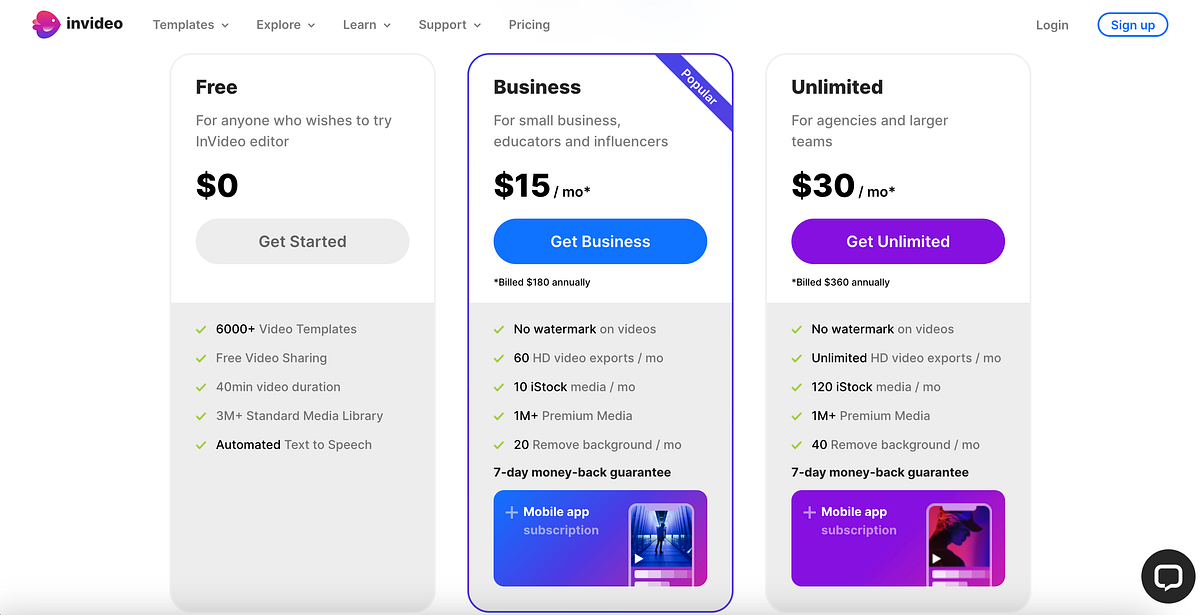
- Social Proof**: Displaying user-generated content, reviews, or ratings can build trust and credibility.
- Reciprocity**: Offering something of value to users can create a sense of obligation and encourage them to take desired actions.
- Loss Aversion**: Alerting users to potential losses or missed opportunities can motivate them to take action.
- Authority**: Establishing credibility and trust with users can increase the effectiveness of persuasive design.
- Foot-in-the-door**: Encouraging users to perform small tasks can increase their willingness to complete larger tasks.
Applications of Persuasive Design
Persuasive design is a versatile tool that can be applied across various industries and domains. Here are some examples:
- E-commerce**: Persuasive design can be used to increase conversion rates, boost sales, and improve user experience.
- Public Health**: Persuasive design can be used to promote healthy behaviors, raise awareness about social issues, and encourage sustainable practices.
- Marketing**: Persuasive design can be used to create effective advertising campaigns, promote products, and build brand loyalty.
- Education**: Persuasive design can be used to create engaging and interactive learning experiences that encourage users to participate and learn.
Best Practices for Persuasive Design
To effectively use persuasive design, keep in mind the following best practices:
- Be ethical**: Ensure that your persuasive design is transparent, respectful, and does not manipulate users.
- Test and iterate**: Continuously test and refine your design to ensure that it is effective and meets user needs.
- Use clear and concise language**: Avoid jargon and confusing language that can confuse or alienate users.
- Keep it simple**: Avoid over-designing or using complicated messaging that can intimidate users.
- Respect user autonomy**: Give users the freedom to make their own choices and decisions.
Conclusion
Persuasive design is a powerful tool that can influence user behavior by leveraging psychological and social principles. By understanding the principles, applications, and best practices of persuasive design, designers can create experiences that engage, motivate, and inspire users to take desired actions.