An Introduction to Oscilloscopes: The Ultimate Tool for Electronic Signal Analysis
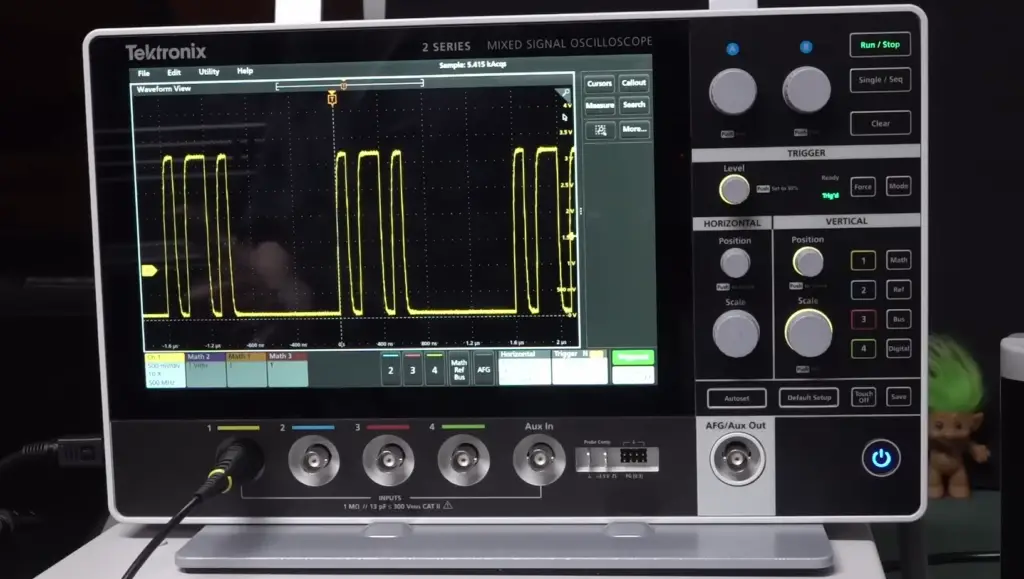
When it comes to understanding and analyzing electronic signals, there is no more powerful tool than the oscilloscope. An oscilloscope, also known as an o-scope, is an electronic test instrument that graphically displays varying voltages of one or more signals as a function of time. From its humble beginnings to its current high-tech incarnations, the oscilloscope has revolutionized the field of electronics engineering and continues to be an essential tool for scientists, engineers, and technicians.
A Brief History of the Oscilloscope
The oscilloscope has a long and fascinating history that dates back to the early 19th century. The first recordings of waveforms with a galvanometer coupled to a mechanical drawing system were made in the 1820s. However, it wasn't until the invention of the cathode ray tube and vacuum tubes that the modern oscilloscope began to take shape. The first electronic oscilloscope was patented in the 1920s, and since then, the oscilloscope has undergone numerous transformations, leading to the sophisticated instruments we see today.
How an Oscilloscope Works
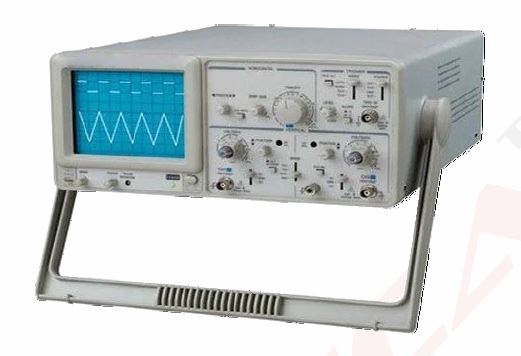
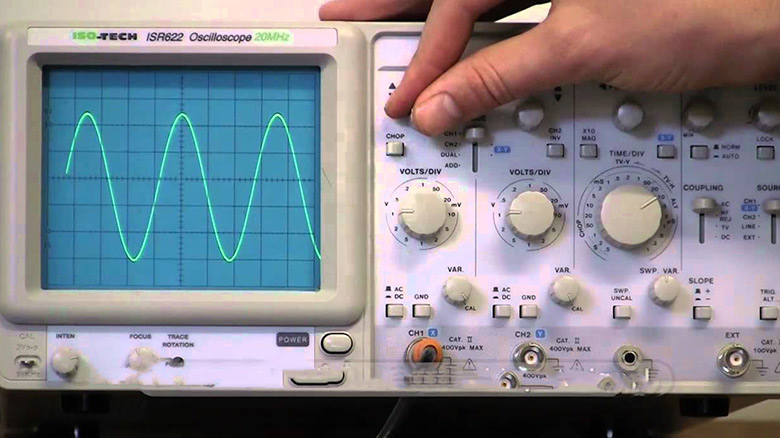
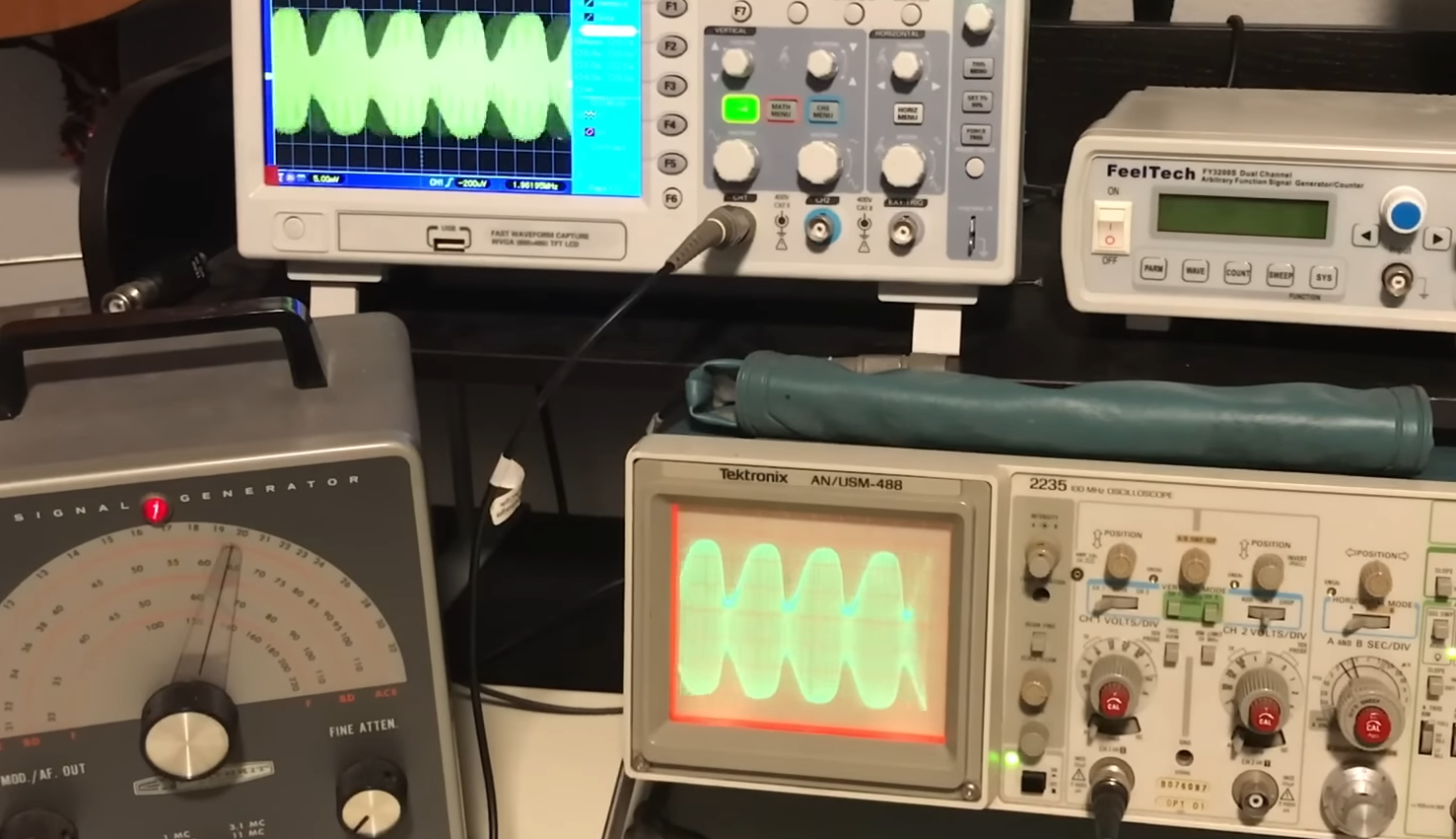
So, how does an oscilloscope work? In simple terms, an oscilloscope is a versatile tool that converts electrical signals into visual waveforms on a screen. This allows users to observe the shape of the waveform, measure its amplitude, and even determine its frequency. The oscilloscope can be either analog or digital, with digital oscilloscopes sampling signals at regular intervals and storing them for later viewing.
Types of Oscilloscopes
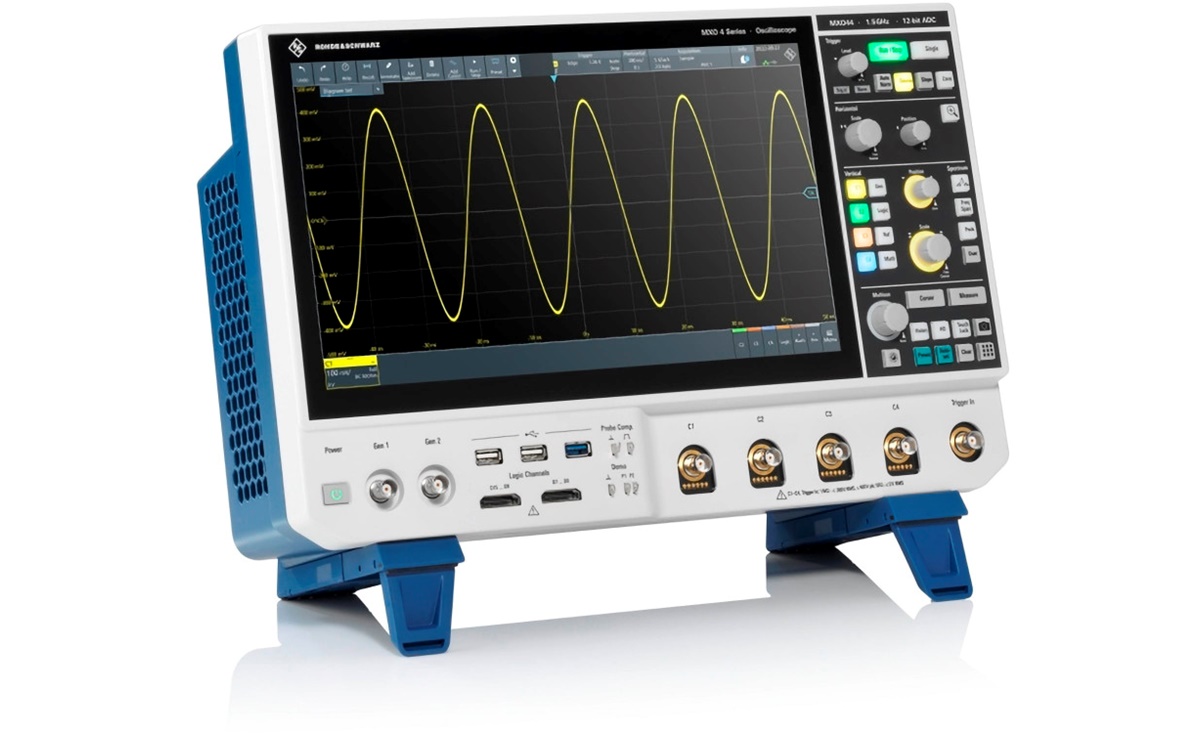
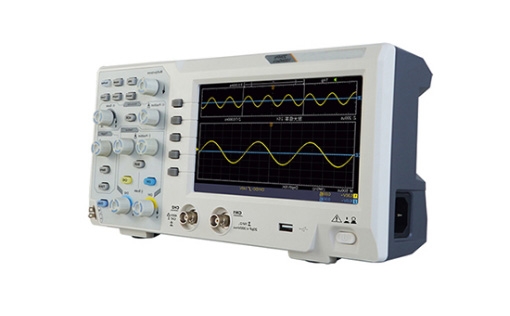
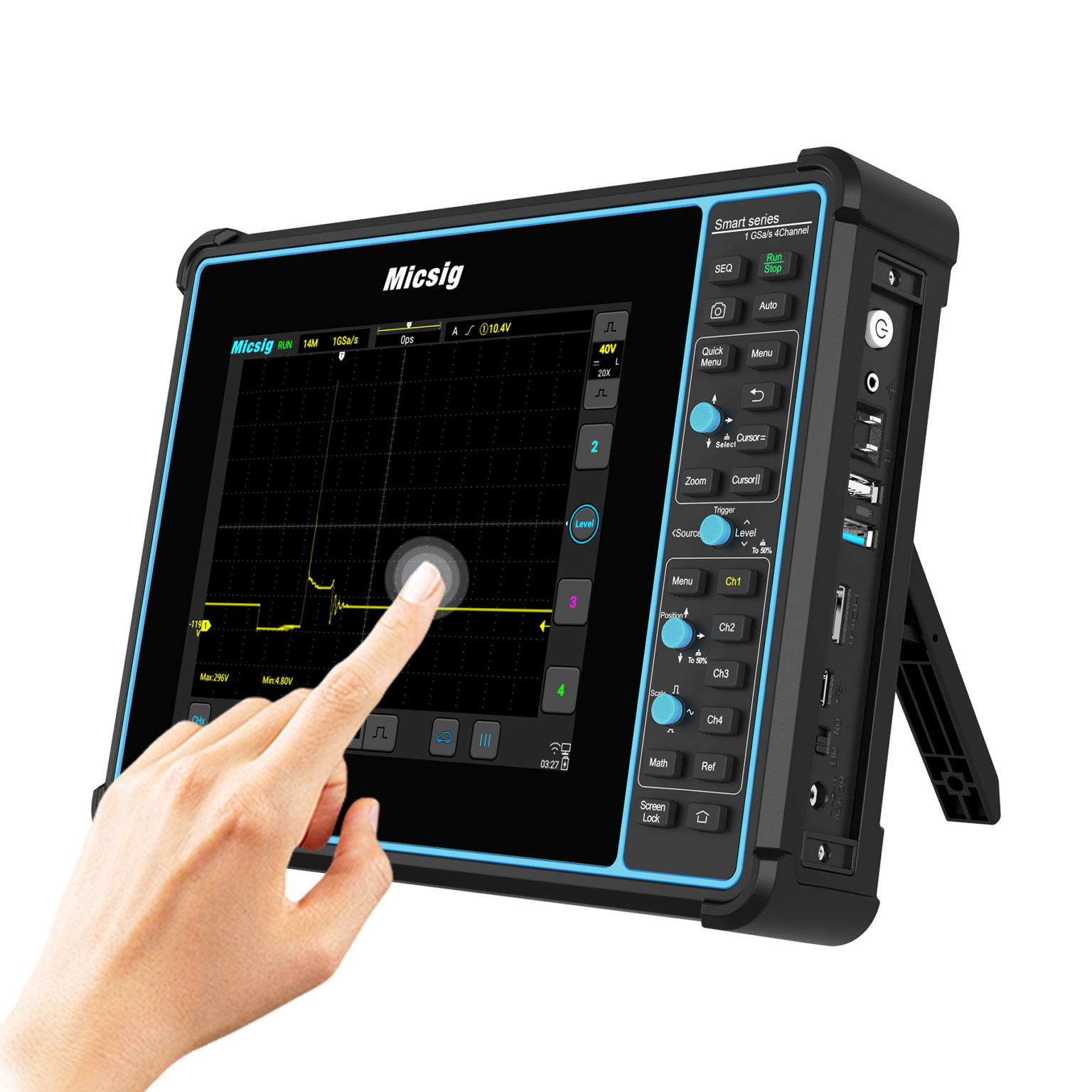
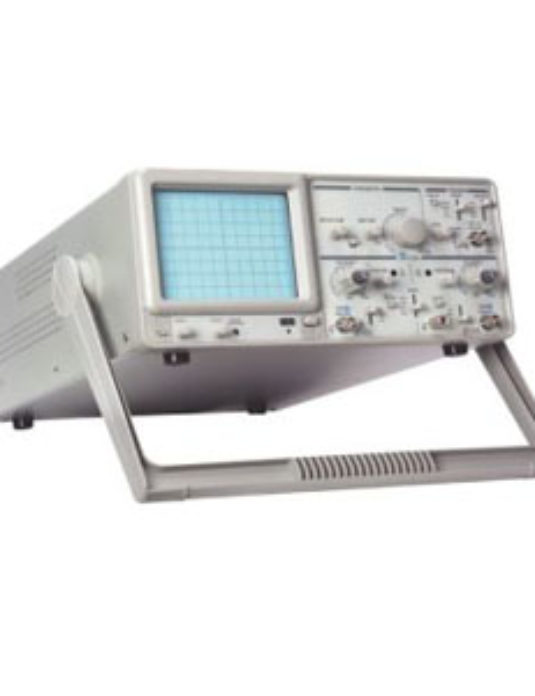
There are various types of oscilloscopes available, each designed for specific applications and industries. For example, benchtop oscilloscopes are ideal for laboratory settings and offer high-performance capabilities, while handheld oscilloscopes are perfect for field testing and diagnostics. Online shopping for oscilloscopes from top brands like Keysight, Tektronix, and Rohde & Schwarz offers a wide range of options to suit different needs and budgets.
Basics of Oscilloscope Operation
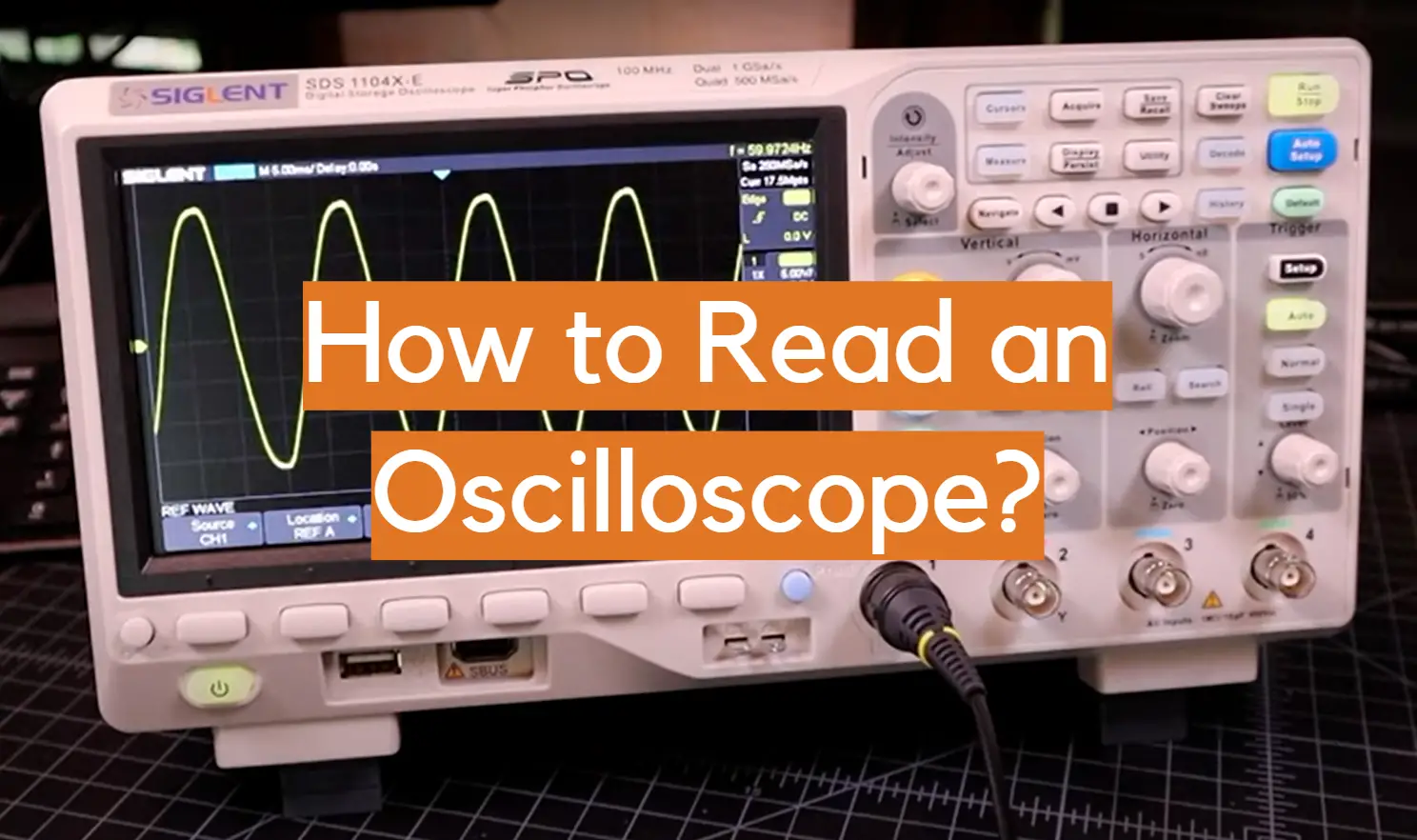
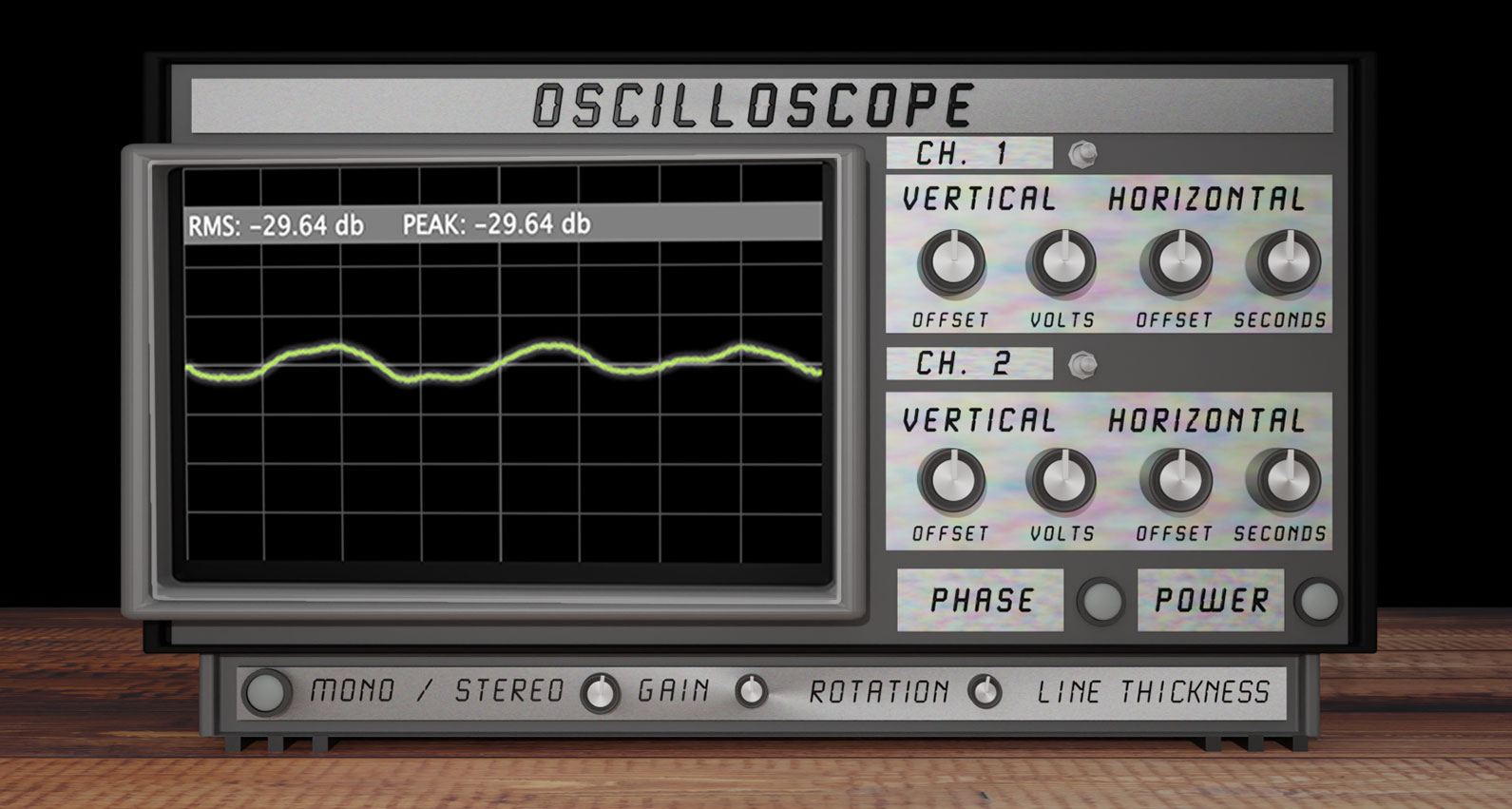
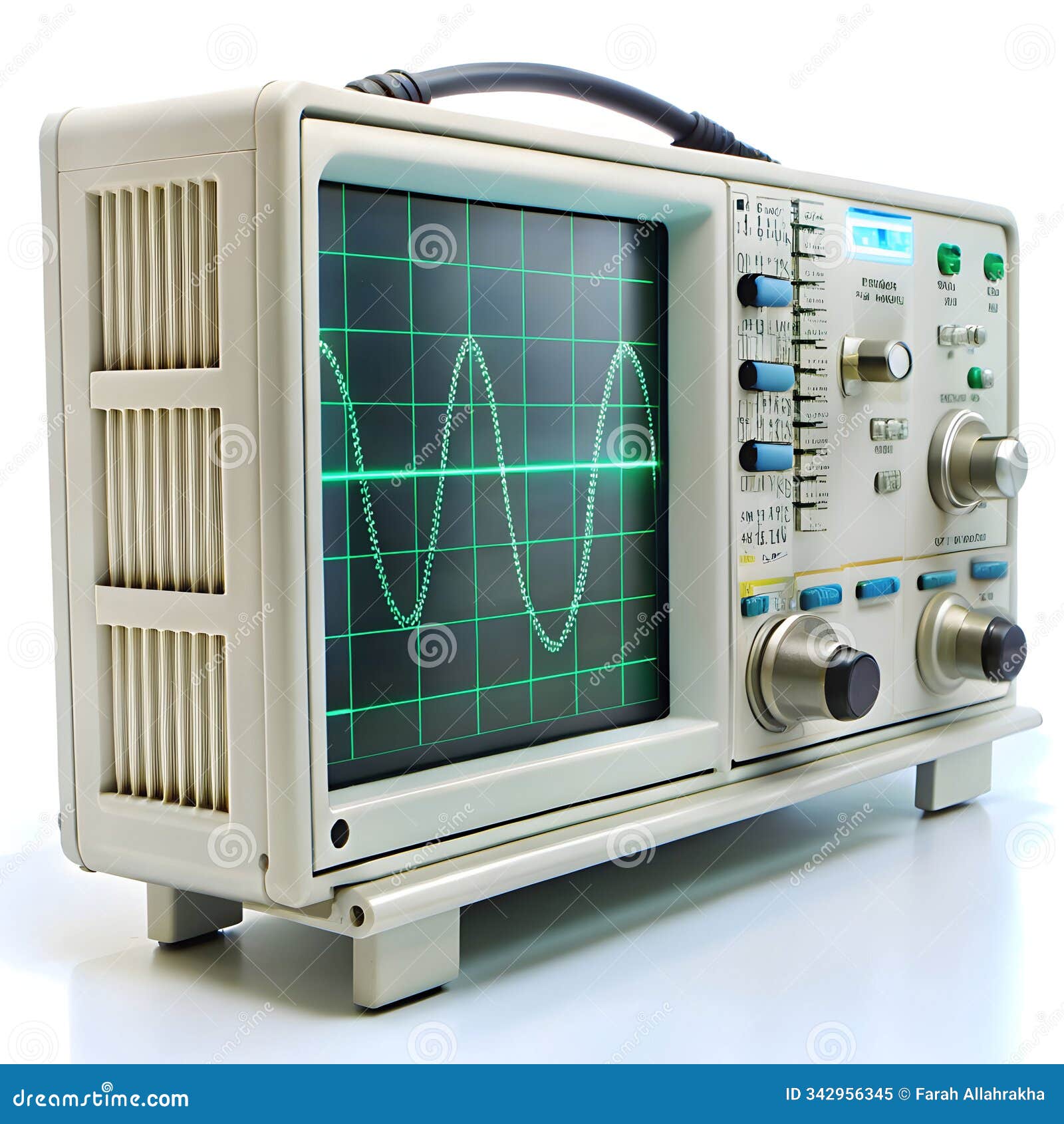
Before we dive deeper into the world of oscilloscopes, let's cover some essential basics. An oscilloscope typically consists of a display, input channels, bandwidth, and calibration controls. The display shows the waveform of the input signal, and the input channels can be used to measure voltage and frequency. Understanding the basics of oscilloscope operation is crucial for accurately analyzing and interpreting signal waveforms.
Key Features of a Good Oscilloscope
When it comes to choosing the right oscilloscope for your needs, there are several key features to consider. These include:
- Bandwidth: A good oscilloscope should have a sufficient bandwidth to accurately measure signals of various frequencies.
- Resolution: A higher resolution means a more detailed waveform display.
- Calibration: The oscilloscope should come with a calibration feature to ensure accuracy and reliability.
- Probe usage: Understanding how to use probes effectively is crucial for accurate measurements.
- Modern digital capabilities: A good oscilloscope should have features like serial decoding and mask limit testing as standard.
Applications of Oscilloscopes
From science and engineering to biomedicine and telecommunications, oscilloscopes play a crucial role in various industries. Whether it's troubleshooting and debugging electronic circuits or analyzing and interpreting signal waveforms, oscilloscopes are an indispensable tool for professionals and hobbyists alike.
Conclusion
In conclusion, the oscilloscope is a powerful tool that has revolutionized the field of electronics engineering. From its early beginnings to its current high-tech incarnations, the oscilloscope continues to be an essential tool for scientists, engineers, and technicians. Whether you're a seasoned professional or just starting out, understanding the basics of oscilloscope operation and choosing the right instrument for your needs is crucial for accurate signal analysis and interpretation.
Recommended Resources
- Keysight Oscilloscope Range
- Tektronix Oscilloscope Guide
- Rohde & Schwarz Oscilloscopes
- Fluke Handheld Scope Meters
- PicoScope Oscilloscope Range