How to Protect your IP Address: A Comprehensive Guide
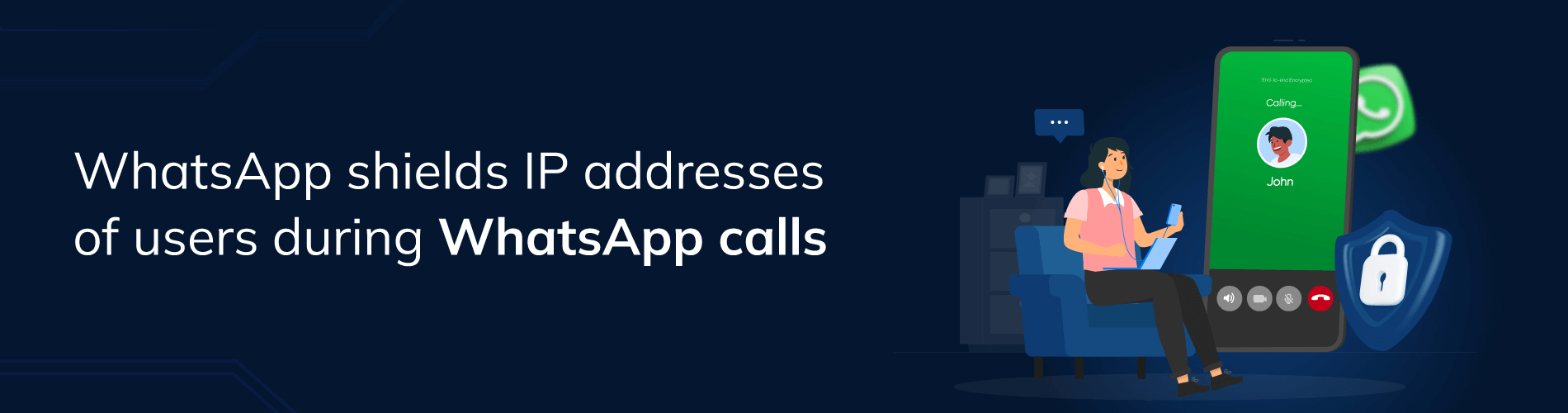
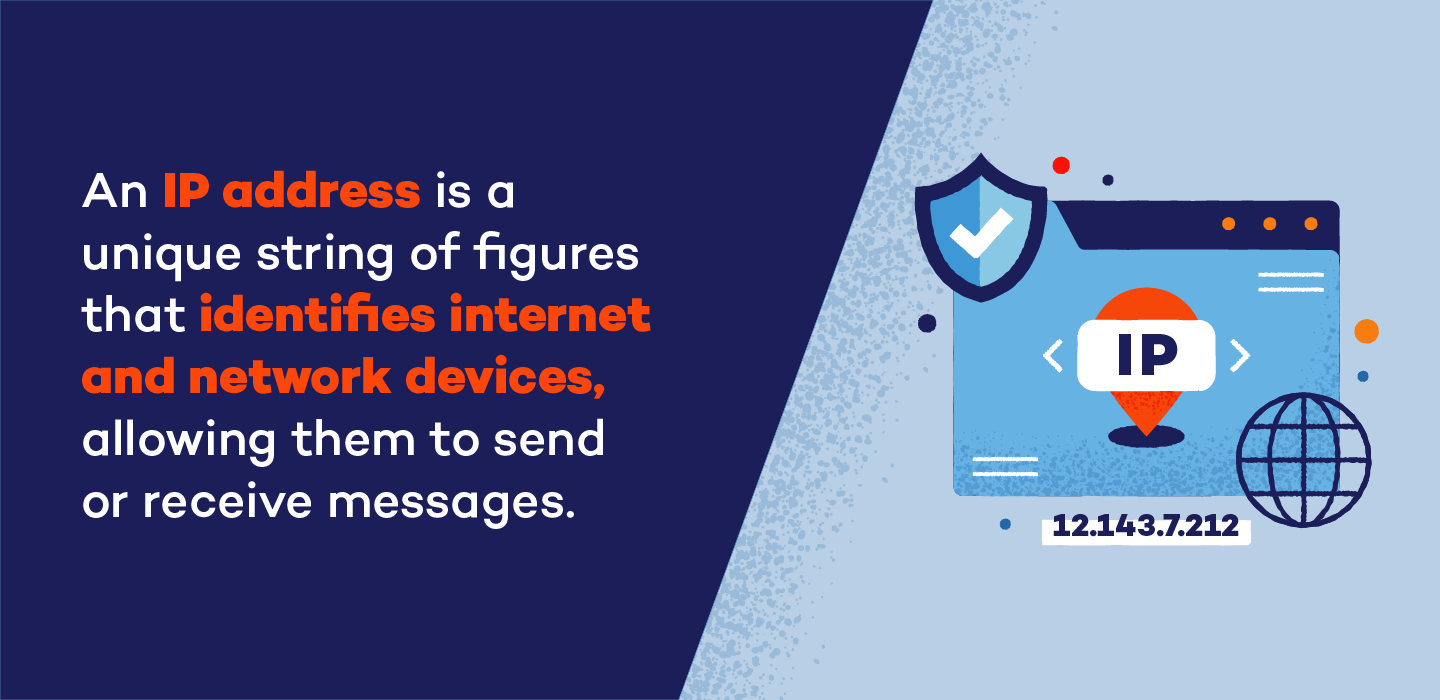
As we navigate the vast expanse of the internet, our online activities are often shrouded in mystery, with our IP address serving as a crucial identifier. But have you ever stopped to think about the importance of protecting your IP address? Your Internet Protocol address, often shortened to IP address, is a unique series of numbers that identifies your device on the internet or network it's connected to. Hiding your IP address gives you greater security and privacy while browsing the web, making it an essential step in safeguarding your online identity.
Why Hide Your IP Address?
There are several compelling reasons why you should consider hiding your IP address:
- Prevent cybercriminals from impersonating or tracking you
- Secure your internet connection and online data
- Enjoy digital freedom and anonymity online
- Access geo-restricted content and overcome censorship
What is an IP Address?
Before we dive into the methods of hiding your IP address, let's take a brief detour into the world of IP addresses. An IP address is a unique series of numbers that identifies your device on the internet or network it's connected to. It's a fundamental component of the internet's infrastructure, allowing devices to communicate with each other. Think of it as your device's online fingerprint.
How to Protect your IP Address
So, how do you protect your IP address and maintain your online privacy? Here are some effective methods:
1. Use a Virtual Private Network (VPN)
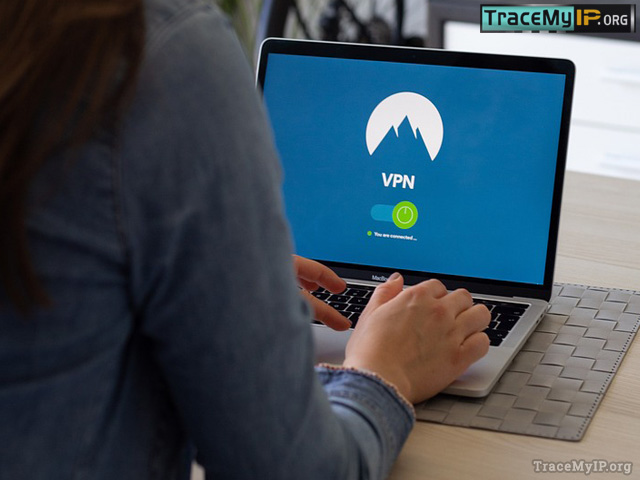
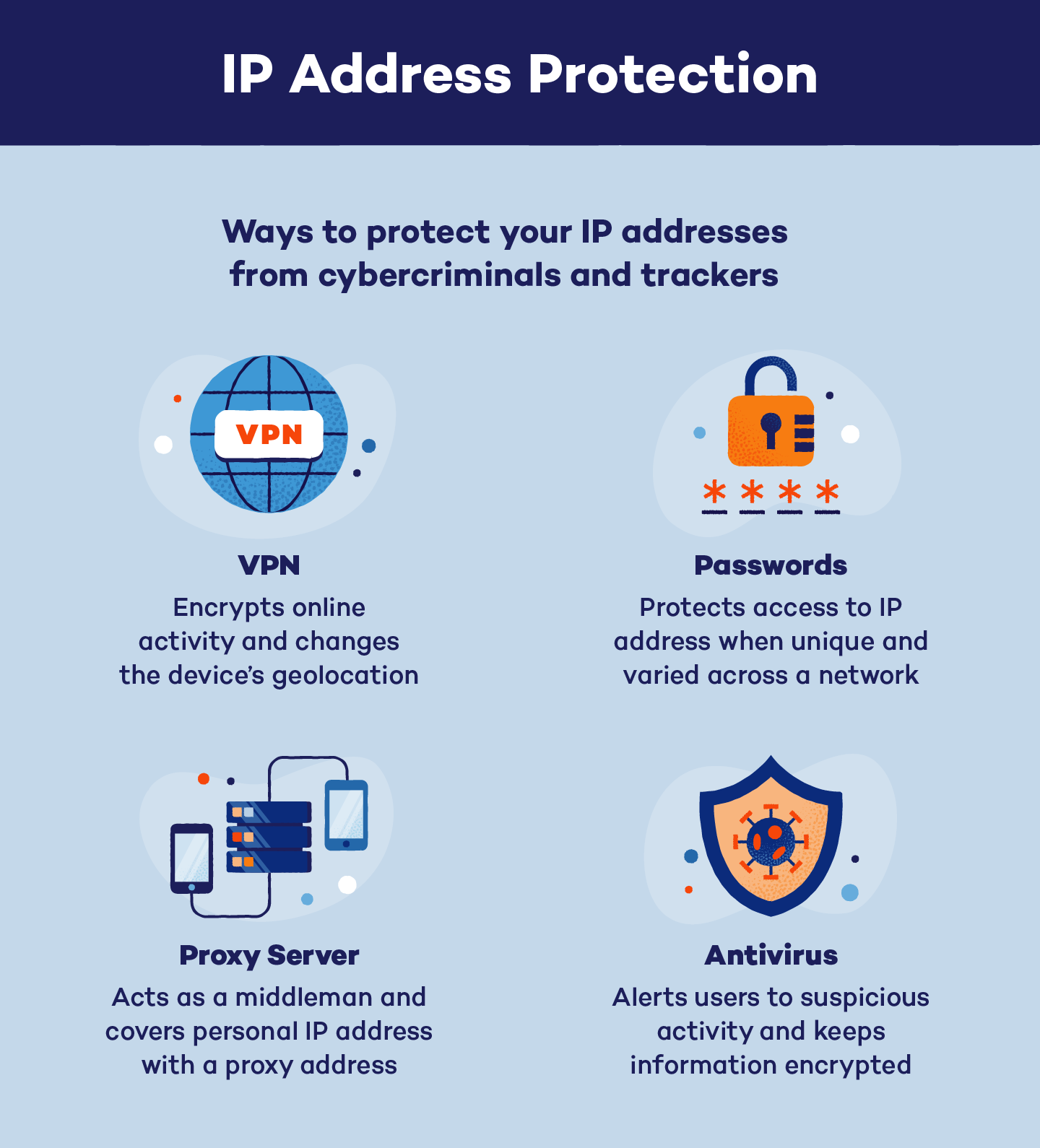
A VPN creates an encrypted tunnel for your data, protecting your online identity by hiding your IP address. This means that even your Internet Service Provider (ISP) and hackers won't be able to see your real IP address. With a VPN, you can enjoy increased security on all networks, masked IP address, and unrestricted access to geo-restricted content.
- Get a reliable VPN provider, such as ExpressVPN, CyberGhost, or StrongVPN
- Create an account and download the VPN software or app
- Connect to a secure server and enjoy your protected online experience
2. Utilize a Proxy Server
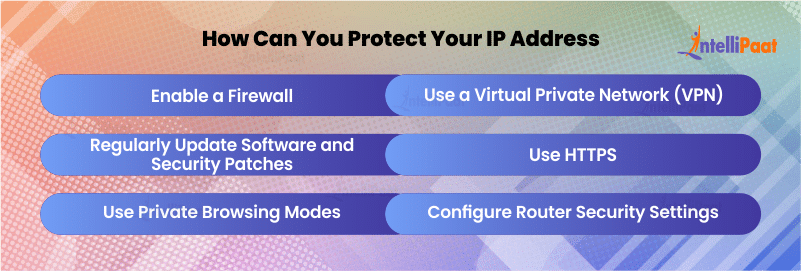
A proxy server acts as an intermediary between your device and the internet, masking your IP address. While not as secure as a VPN, proxy servers can still provide a level of anonymity and protection.
- Find a reputable proxy server, such as Bright VPN or IPFLY
- Configure your device to use the proxy server
- Enjoy a semi-private browsing experience
3. Employ Tor Browser
The Tor network anonymizes your internet traffic, protecting your IP address and online activities. The Tor Browser is a free and open-source browser that comes with built-in IP address protection.
- Download and install the Tor Browser
- Configure your browser settings for maximum security
- Enjoy a high level of anonymity online
4. Limit Device Exposure
Limiting device exposure is an essential step in protecting your IP address. By limiting the number of devices connected to the network, you reduce the chances of unauthorized access to your IP address.
- Limit the number of devices connected to your network
- Implement strong passwords and secure login credentials
- Use a secure router and Internet connection
Conclusion
Protecting your IP address is an essential step in maintaining online security and anonymity. By implementing the methods outlined above, you can safeguard your IP address and enjoy a more private and secure browsing experience. Remember, your online identity is your digital fingerprint, and protecting it is paramount in today's digital landscape.
References
- Aug 8, 2024 - A comprehensive guide on how to secure your IP address, ensuring your online activities remain private and safe.
- Feb 2, 2026 - A domain name is part of a web address that links to the internet protocol address (IP address) of a particular website.
- Oct 7, 2025 - How to protect and hide your IP address using a VPN (Virtual Private Network).


![4 Easy Ways to Hide Your IP Address [2026] - Geekflare](https://cybernoz.com/wp-content/uploads/2025/04/Chrome-To-Add-New-Protect-your-IP-address-Settings-With.jpeg "4 Easy Ways to Hide Your IP Address [2026] - Geekflare")