Protecting Your Children Online: A Parent's Guide
Every parent wants to ensure their children are safe, happy, and healthy. With the increasing amount of time kids spend online, it's essential to take steps to protect them from online predators, cyberbullying, and other safety threats. In this article, we'll provide you with practical tips on how to protect your children online.Why Online Safety Matters
The internet can be a wonderful resource for learning, entertainment, and connecting with others. However, it also comes with many risks. Children may be exposed to explicit content, online harassment, or even physical harm. According to the National Youth Violence Prevention Resource Center, children who spend more time online are more likely to be victims of online harassment.How to Protect Your Children Online
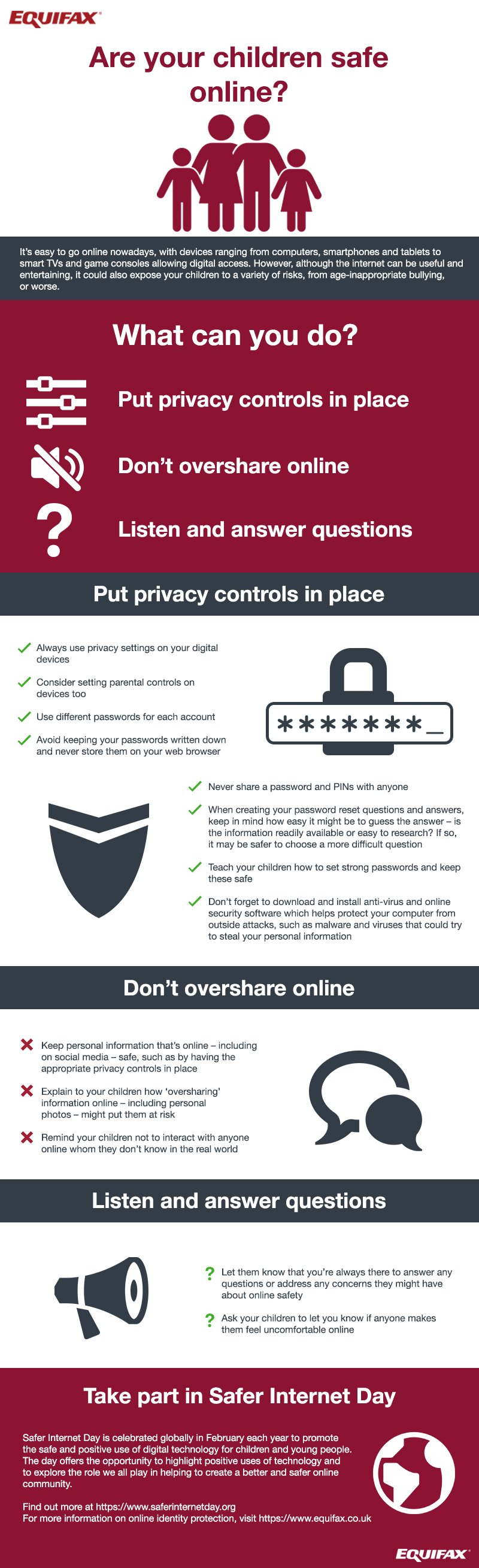
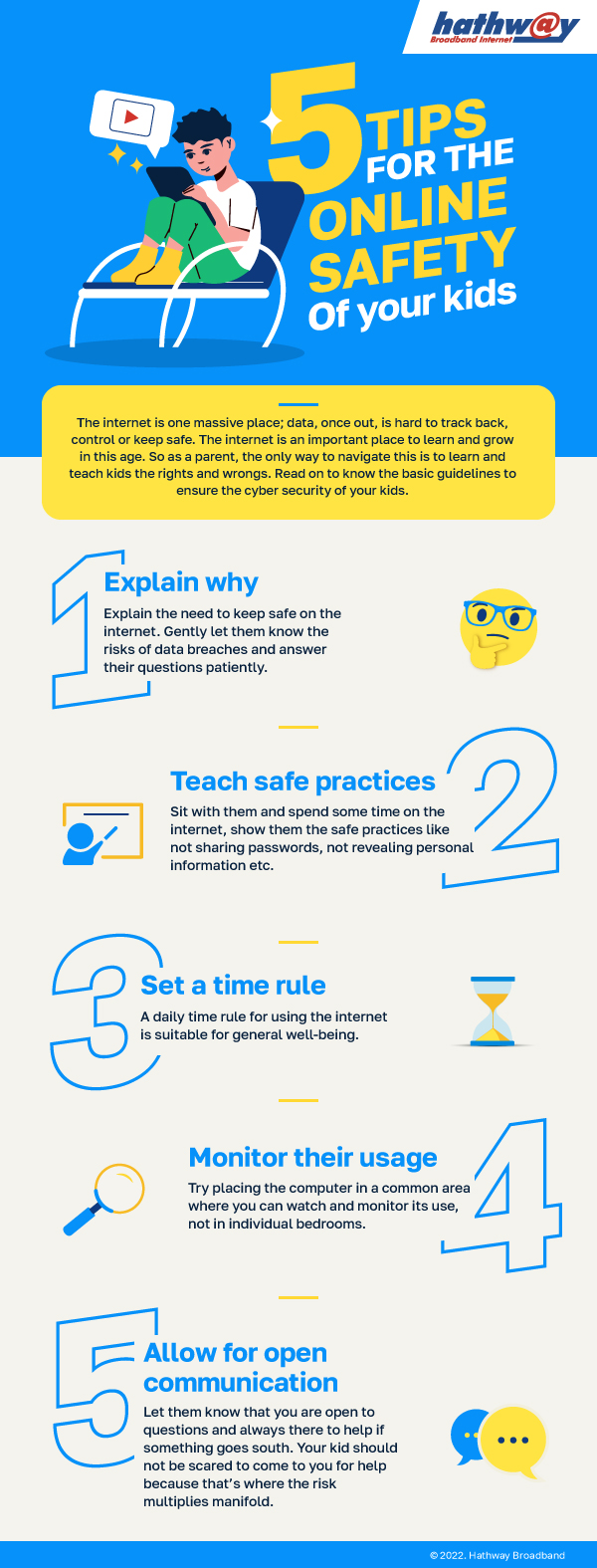
As a parent or caregiver, you play a crucial role in protecting your child's online safety. Here are some essential steps to take:- Discuss Internet Safety with Your Child: Have an open and honest conversation with your child about online safety, including the risks of cyberbullying, online predators, and explicit content.
- Establish Boundaries and Rules**: Set clear rules for online behavior, including screen time limits, content restrictions, and consequences for breaking the rules.
- Monitor Your Child's Online Activity**: Use parental control software, such as Microsoft Family Safety, to monitor your child's online activity and track their usage.
- Teach Your Child about Online Etiquette**: Educate your child on online etiquette, including respecting others' opinions, not sharing personal information, and being kind to others online.
- Encourage Responsible Online Behavior**: Model healthy online behavior yourself and encourage your child to do the same. This includes not clicking on links from unknown sources, not sharing personal info with strangers, and reporting suspicious activity.
- Use Parental Control Software**: Utilize parental control software, such as T-Mobile Family Mode, to limit screen time, block explicit content, and track your child's online activity.
- Stay Informed**: Stay up-to-date with the latest online safety threats and updates by attending online safety seminars, workshops, or events.
Common Online Safety Threats to Watch Out For
While the above steps can help protect your child, it's essential to be aware of common online safety threats:- Cyberbullying**: Know the warning signs of cyberbullying, such as increased anxiety, depression, or withdrawal from friends.
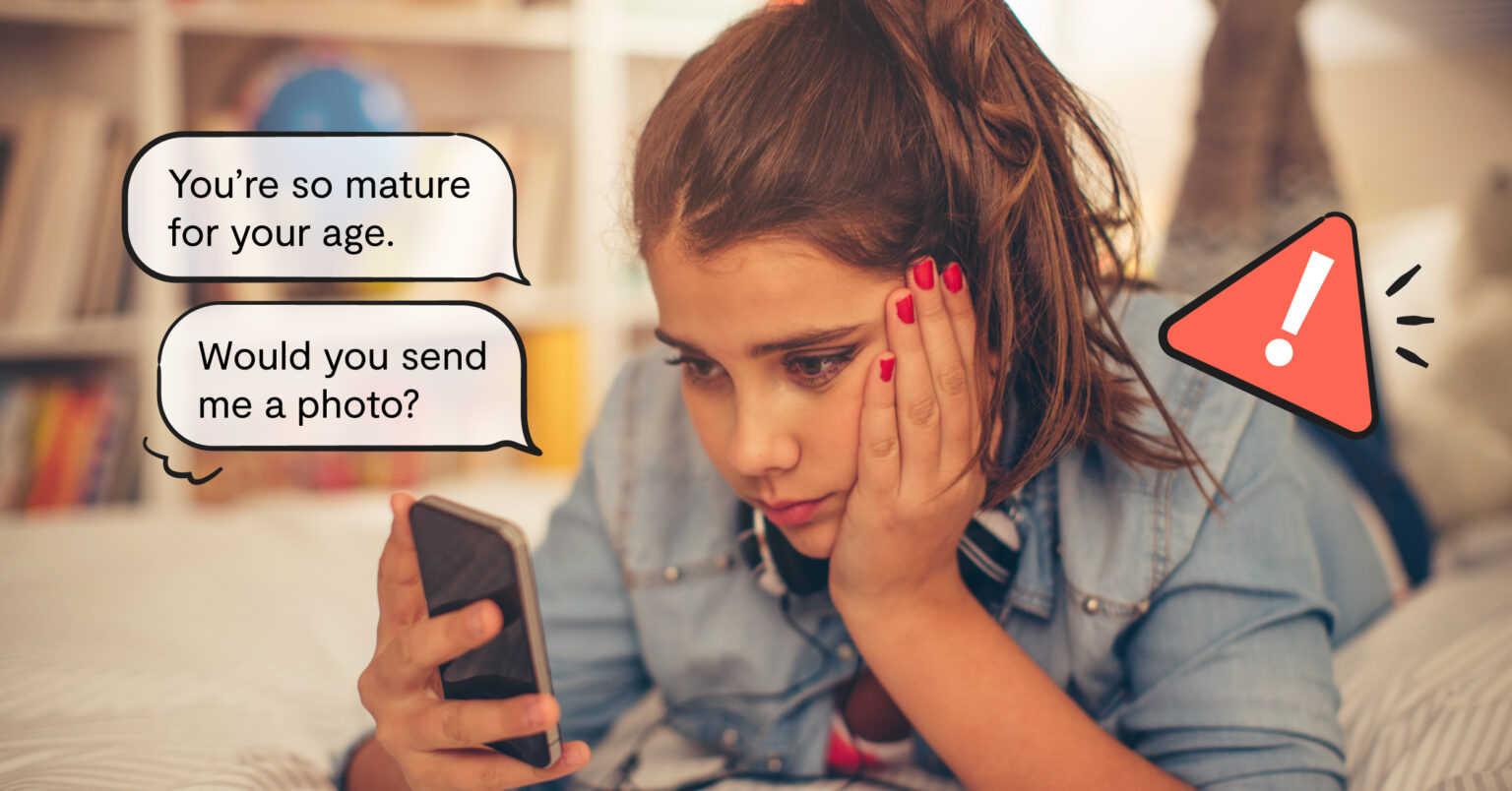
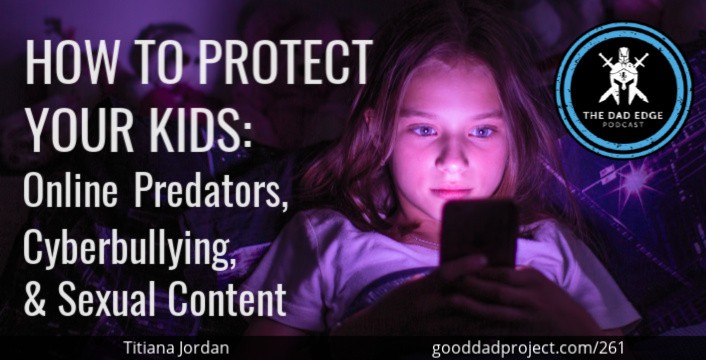
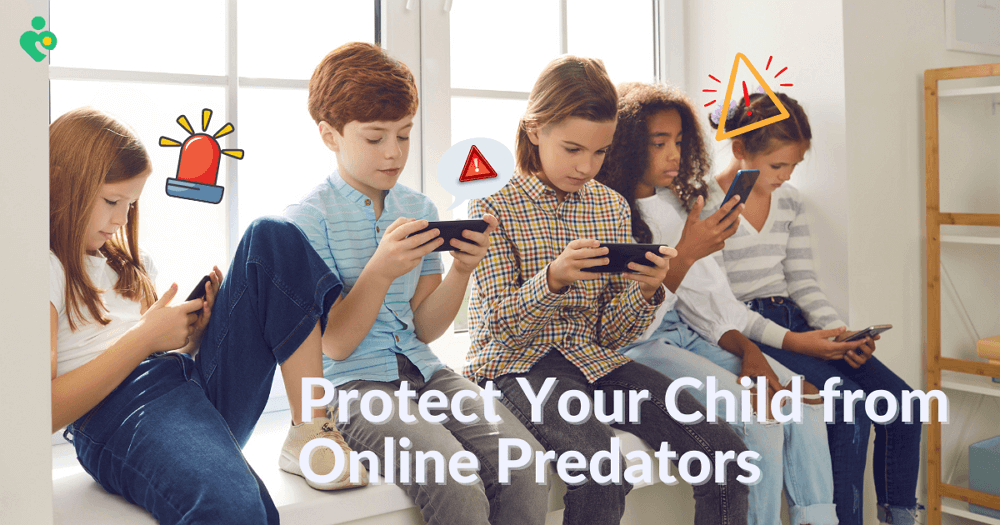
- Online Predators**: Be aware of online predators who may use fake profiles, lure children with gifts or promises, or pose as a friend to gain trust.
- Phishing and Scams**: Teach your child to never share personal info, such as passwords, credit card numbers, or addresses, to unknown individuals or suspicious websites.
- Identity Theft**: Educate your child on the risks of identity theft and how to protect their personal info, such as social security numbers, addresses, and credit card info.
![Internet Safety For Kids [How to Keep Your Children Safe Online]](https://www.starfishlabz.com/media/684386 "Internet Safety For Kids [How to Keep Your Children Safe Online]")