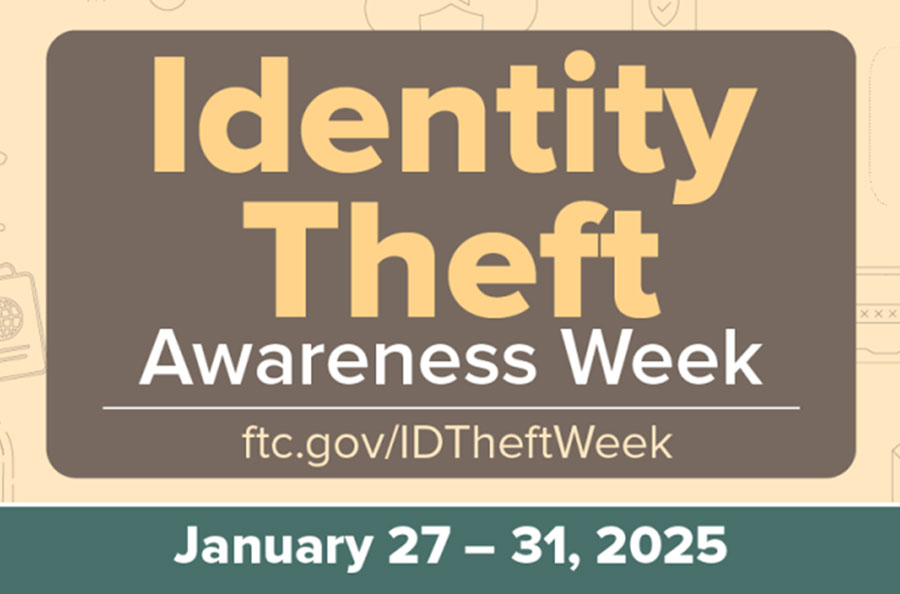
Protecting Against Identity Theft from Online Contributors
In today's digital age, protecting your identity from online contributors is a crucial aspect of maintaining your financial security, reputation, and overall peace of mind. As cybercriminals become increasingly sophisticated, the threat of identity theft remains ever-present, posing significant risks to your personal data, online accounts, and financial well-being.
What is Identity Theft?
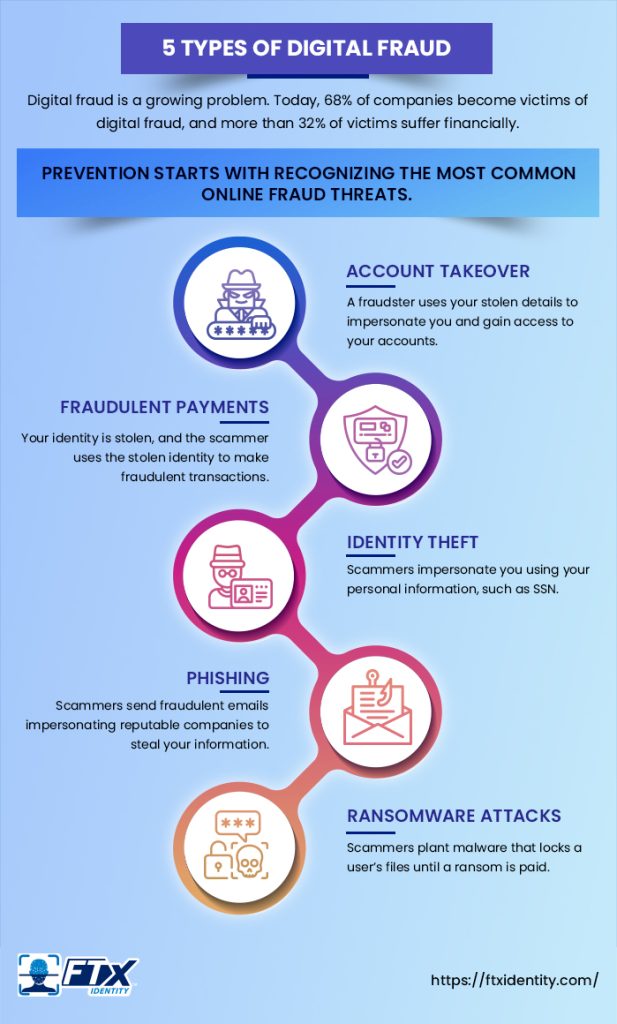
Identity theft occurs when a thief gathers information about you and uses it to impersonate or defraud you. This can include using your Social Security number, password, address, mother's maiden name, account number, or PIN to make credit card purchases, open bank accounts, take out loans, or commit crimes in your name.
Why is Protecting Against Identity Theft Important?
Protecting against identity theft is essential in today's digital world. Not only can it lead to financial losses, but it can also damage your reputation and cause long-term harm to your credit score. Moreover, identity theft can occur even if you have never used the internet before, as many companies store data online.
Warning Signs of Identity Theft
Be aware of the following warning signs of identity theft:
- Unexplained charges on your credit card or bank statement
- Unauthorized accounts opened in your name
- Collection calls or letters about debts you don't owe
- Denial of credit or loan applications due to bad credit
- Missing mail or documents with your personal information
Prevention Tips
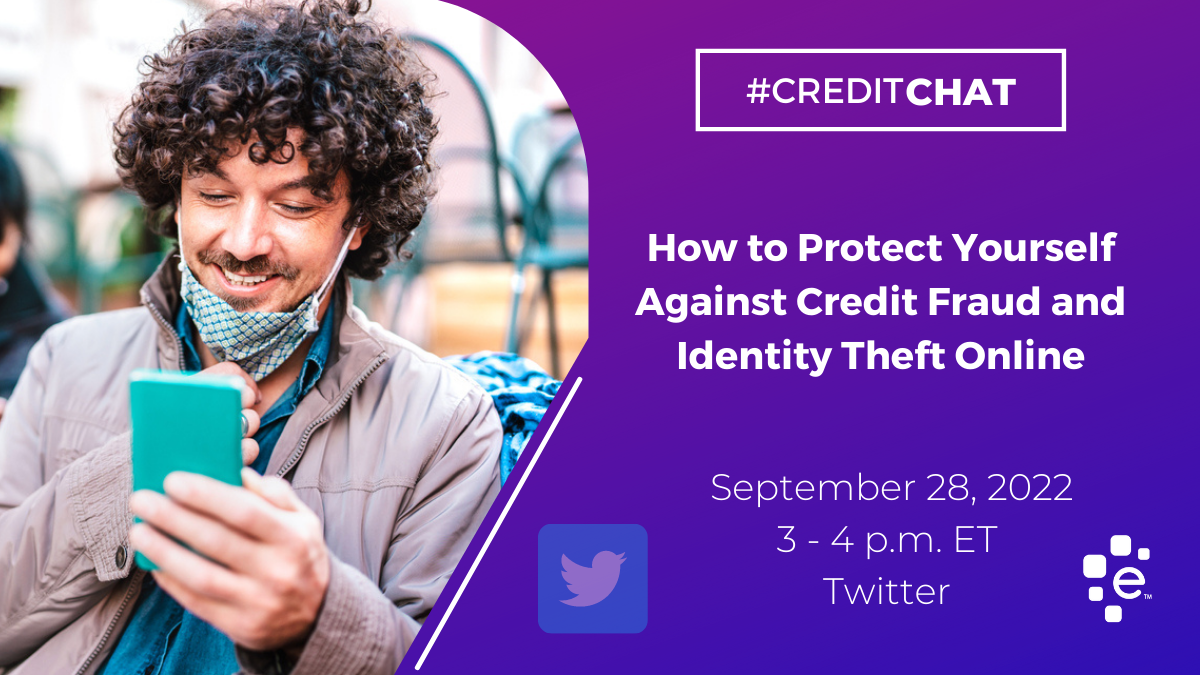
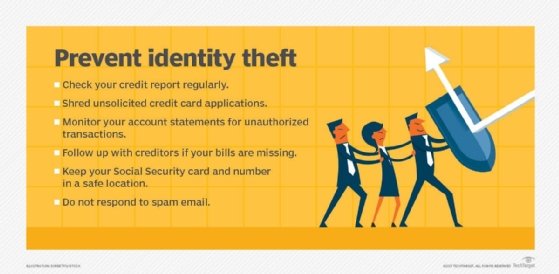
To protect yourself against identity theft from online contributors, follow these prevention tips:
- Use strong, unique passwords for all online accounts and change them regularly
- Enable two-factor authentication (2FA) on all accounts that offer it
- Monitor your credit report and bank statements regularly
- Be cautious when clicking on links or downloading attachments from unknown sources
- Use a reputable antivirus software and keep it up to date
Reporting Identity Theft
If you suspect that you are a victim of identity theft, report it to the relevant authorities immediately. You can file a complaint with the Federal Trade Commission (FTC) at IdentityTheft.gov, the federal government's one-stop resource to help people report and recover from identity theft.
Protecting Your Online Identity
To protect your online identity, follow these best practices:
- Use a virtual private network (VPN) when accessing public Wi-Fi
- Keep your operating system and software up to date
- Use a reputable firewall and antivirus software
- Be cautious when sharing personal information online
- Use a password manager to generate and store unique passwords
Conclusion
Protecting against identity theft from online contributors requires vigilance, caution, and a proactive approach. By following the prevention tips and best practices outlined in this article, you can significantly reduce the risk of identity theft and maintain your financial security, reputation, and peace of mind. Remember, protecting your identity is not just smart – it's essential in today's digital world.