Understanding Counterproductive Behavior: Types, Causes, and Consequences
Counterproductive behavior (CWB) is a critical issue in the modern workplace. It refers to actions or behaviors that harm an organization, its employees, or its stakeholders, and ultimately detract from its legitimate goals or well-being. In this article, we will explore the various types of CWB, their causes, and the consequences they can have on an organization. Moreover, we will discuss strategies for identifying, preventing, and addressing CWB effectively.
Types of Counterproductive Behavior
CWB can take many forms, including:
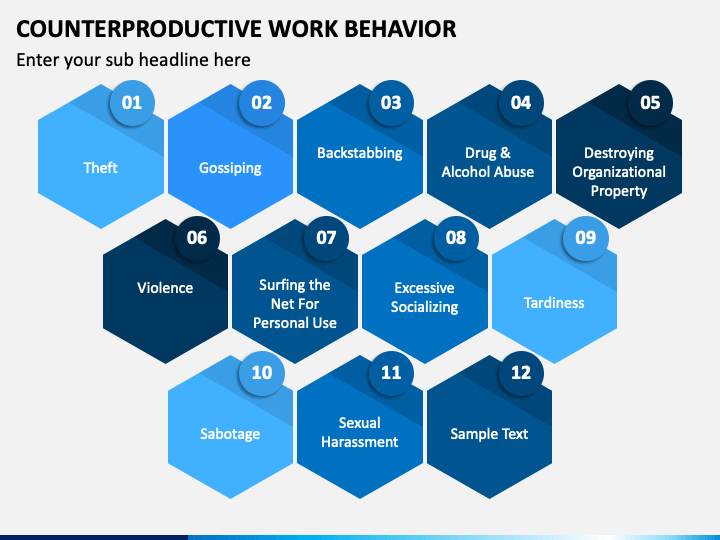
- Tardiness or absenteeism
- Theft or vandalism
- Workplace violence or aggression
- Substance abuse or misuse of company resources
- Sexual harassment or discrimination
- Sabotage or intentional disruption of work processes
- Abuse of company policies or procedures
Causes of Counterproductive Behavior
CWB can arise from a variety of factors, including:
- Individual level: personality traits, motivation, and values
- Environmental level: work environment, organizational culture, and supervision
- Interpersonal level: relationships with colleagues, managers, and other stakeholders
Consequences of Counterproductive Behavior
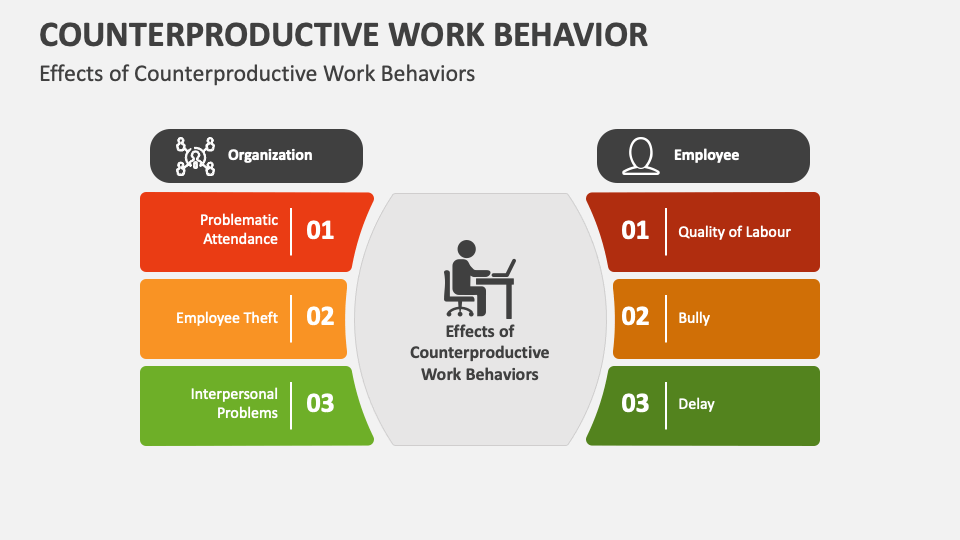
The consequences of CWB can be severe and far-reaching, including:
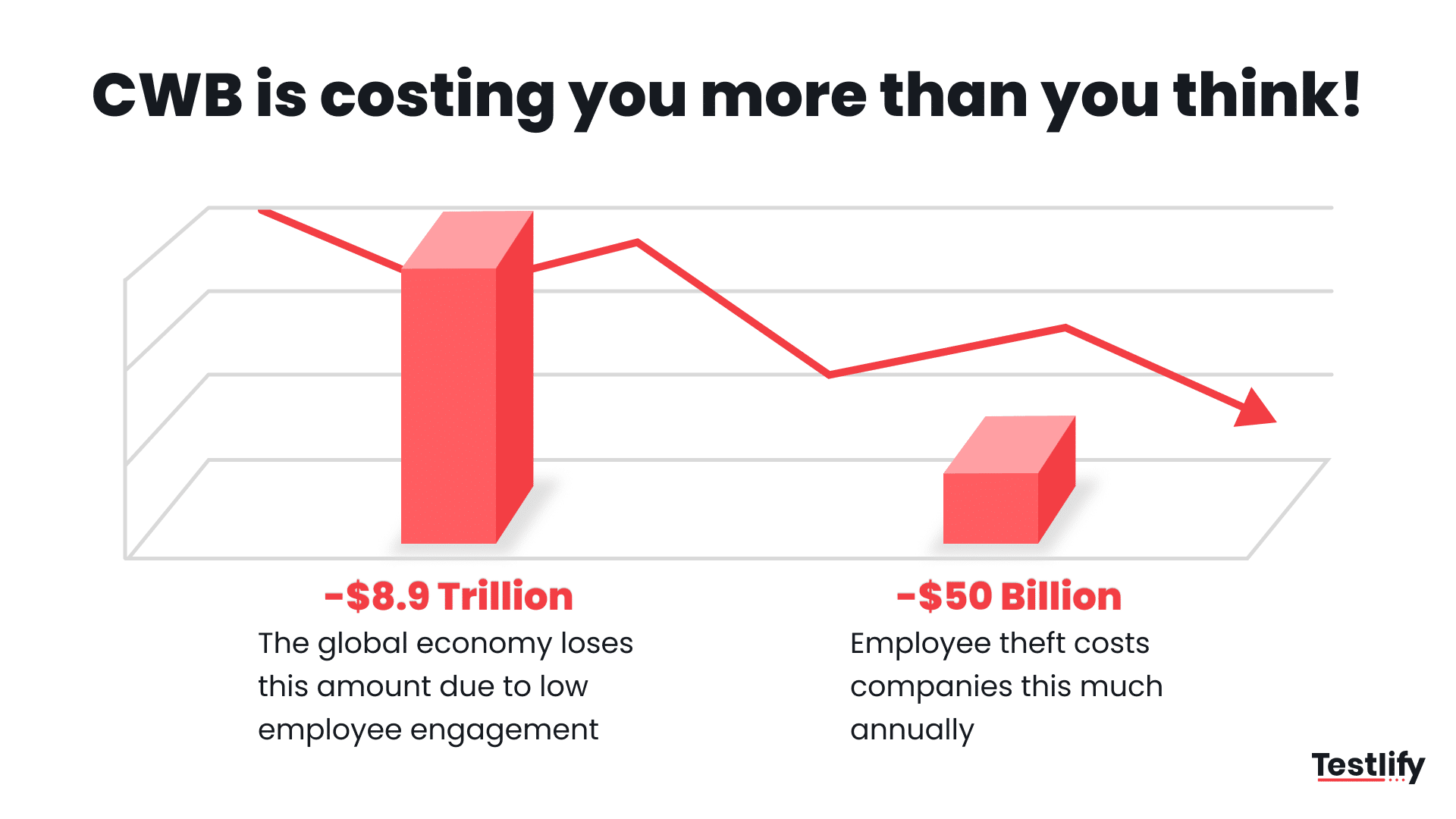
- Financial losses: material losses, opportunity costs, and reputational damage
- Reduced productivity and performance
- Increased stress and anxiety among employees
- Damage to organizational culture and reputation
- Potential legal and regulatory consequences
Strategies for Preventing and Addressing Counterproductive Behavior
To prevent and address CWB, organizations can implement the following strategies:
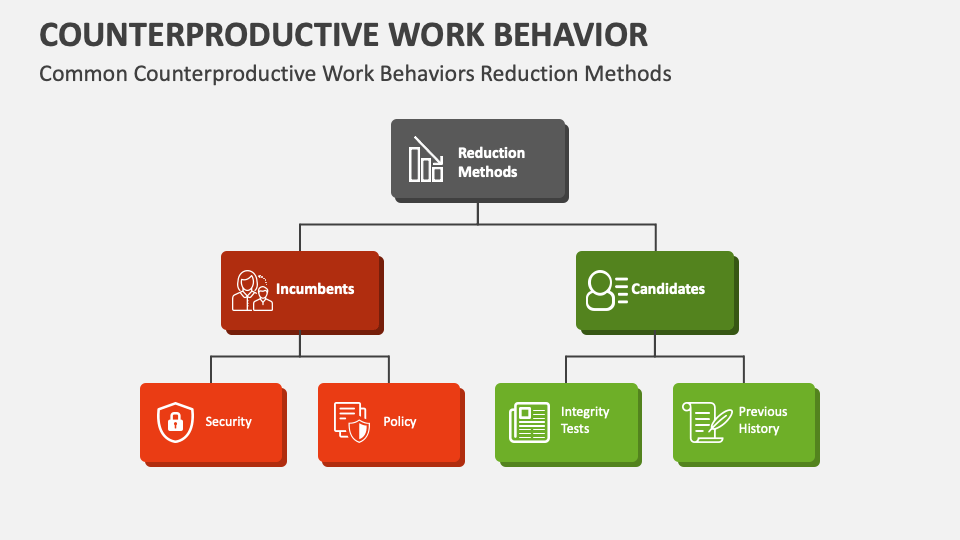
- Conduct regular training and education programs to promote a positive work culture
- Establish clear policies and procedures for addressing CWB
- Provide regular feedback and coaching to employees to address performance issues
- Encourage open communication and transparency to prevent grievances and address conflicts
- Implement effective supervision and leadership practices to promote a positive work environment
Conclusion
Counterproductive behavior is a significant issue that can have far-reaching consequences for organizations. By understanding the types, causes, and consequences of CWB, organizations can develop effective strategies for preventing and addressing it. By promoting a positive work culture, establishing clear policies and procedures, and providing regular feedback and coaching, organizations can reduce the incidence of CWB and create a healthier and more productive work environment.