What is Continuity Testing?
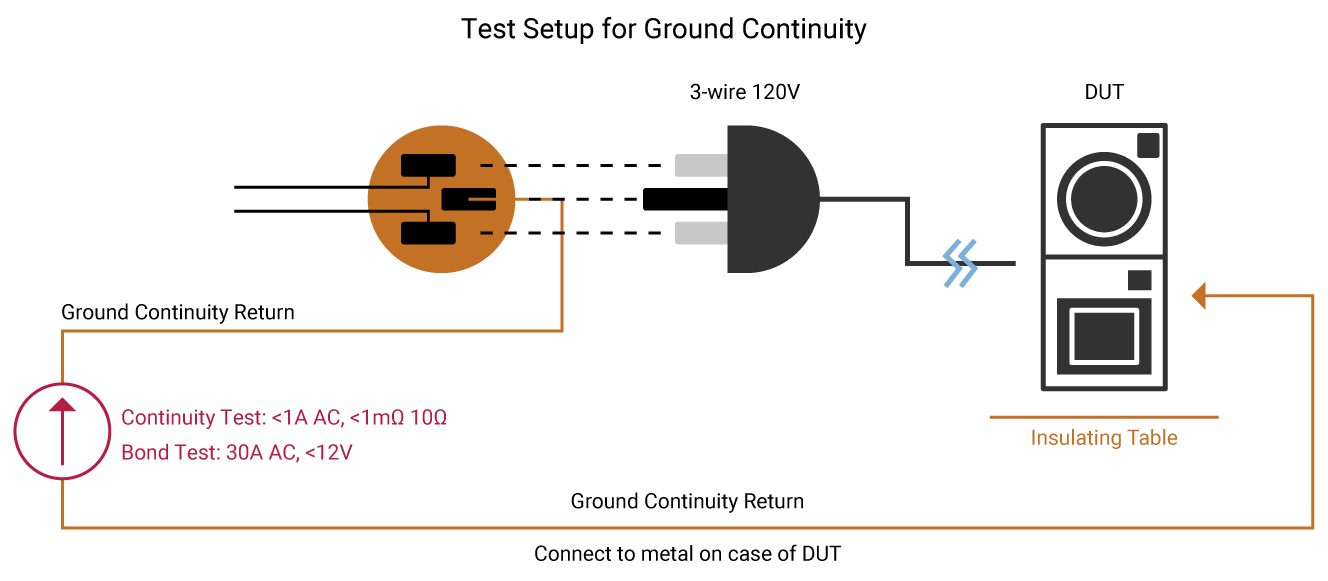
Continuity testing is a crucial process used to verify whether an electrical circuit is complete and capable of conducting current. In basic terms, it checks whether a conductive path exists between two points in a circuit. This test is essential for ensuring the safety and reliability of electrical systems, and it's a fundamental skill for electronic design engineers.
Why Continuity Testing Matters
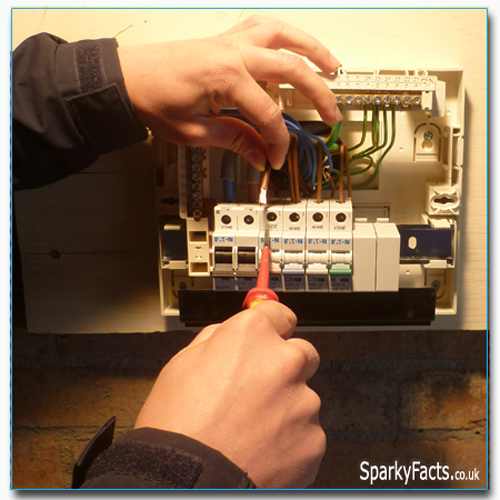
A continuity test is the simplest way to check whether an electrical path is complete. If a circuit is not conducting current, it can lead to safety issues, equipment damage, and even costly errors. By performing a continuity test, you can quickly identify any breaks in the circuit and make the necessary repairs, saving time and money in the long run.
How to Test Continuity Using a Digital Multimeter
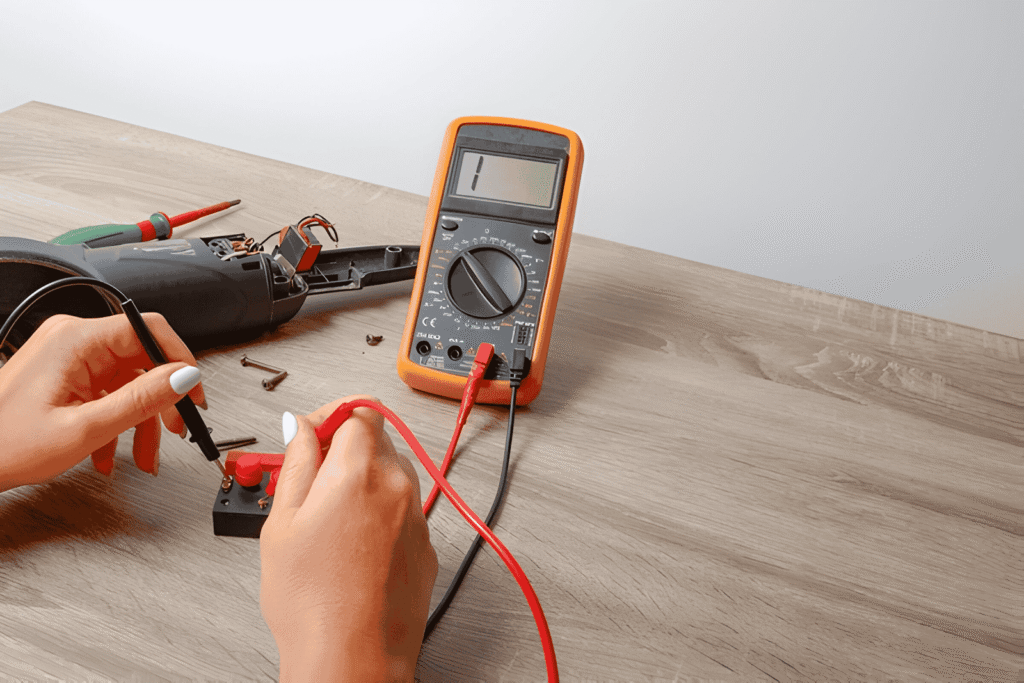
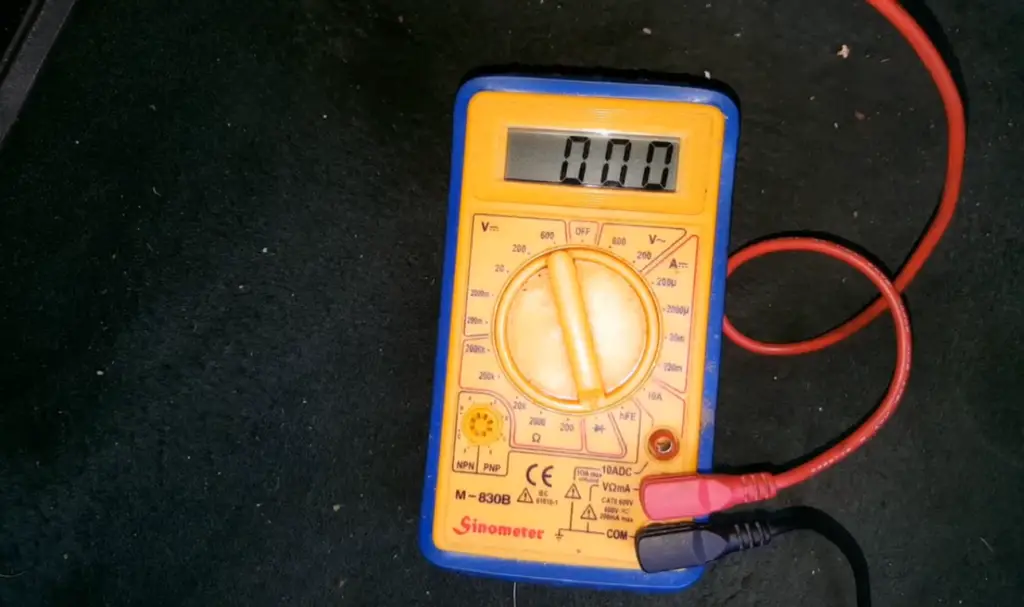
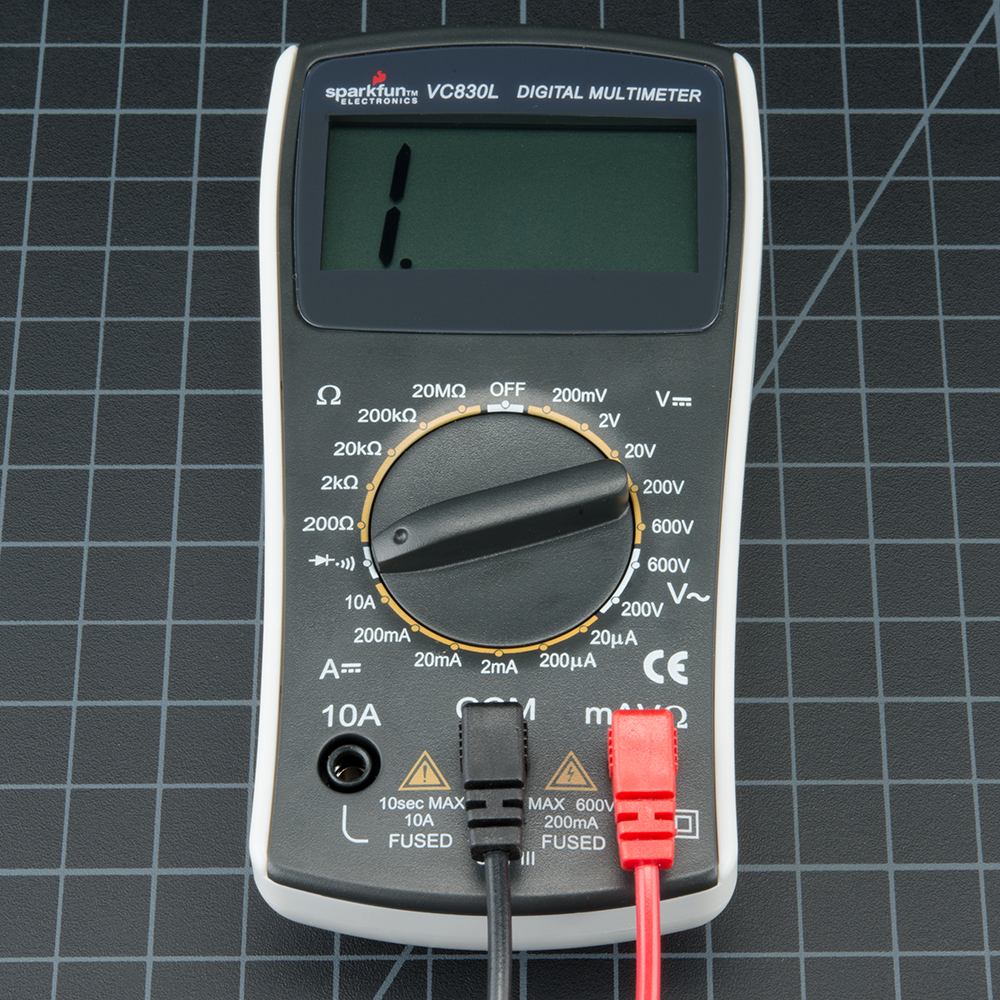
When working with electronic circuits, continuity testing is a crucial step in ensuring that your devices function properly and safely. With a digital multimeter, you can test continuity with ease. Here's a step-by-step guide on how to do it:
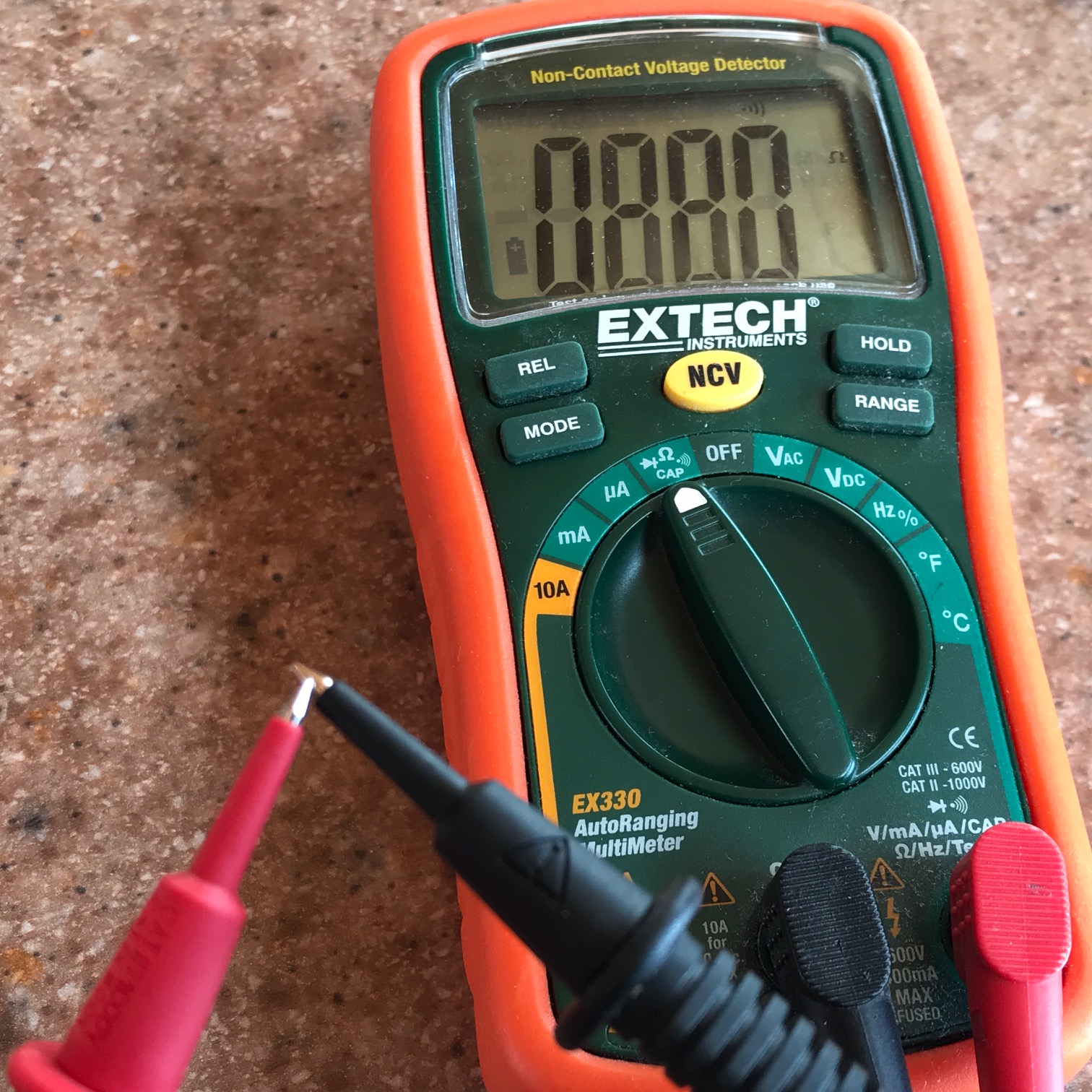
- Set the multimeter to the continuity mode (usually denoted by a symbol of two lines intersecting).
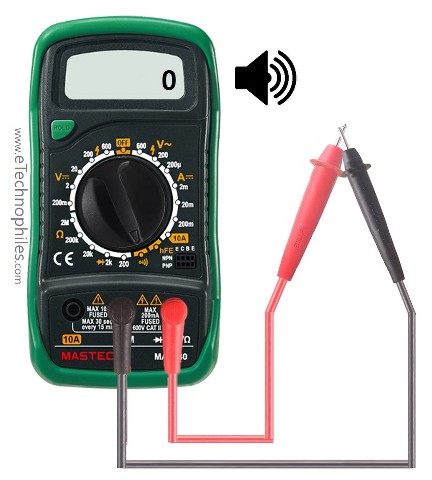
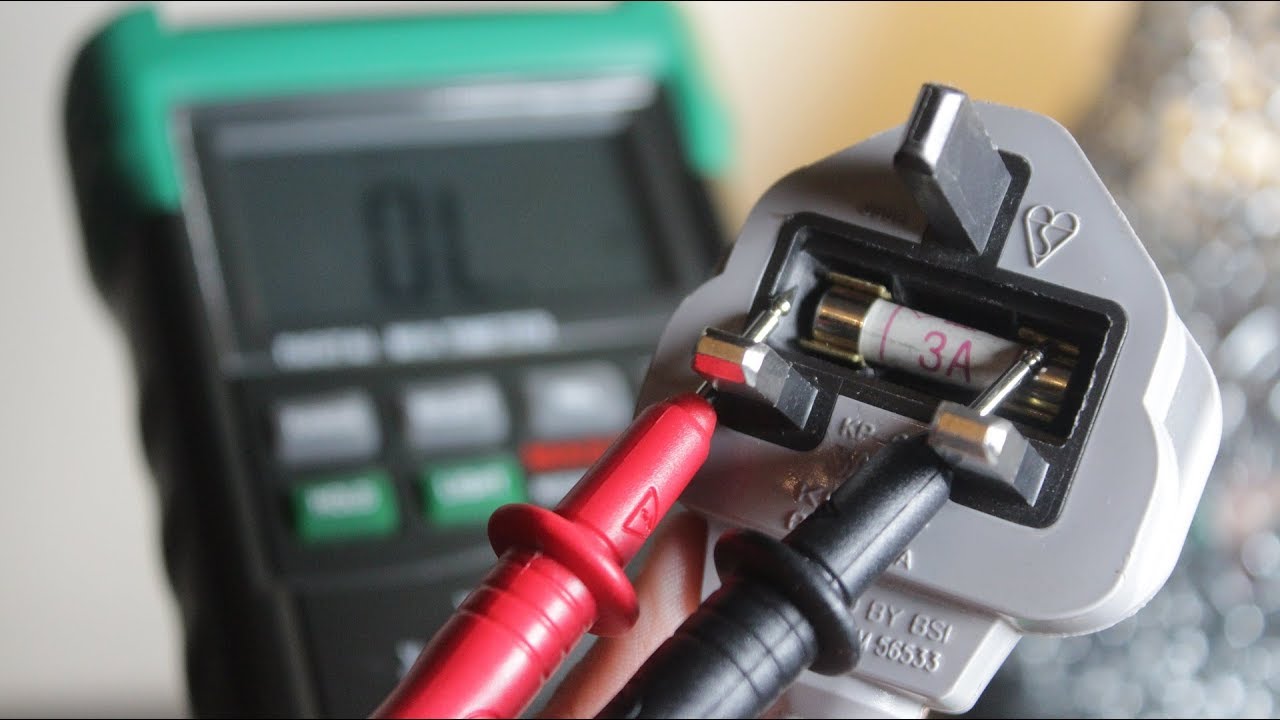
- Touch the multimeter's probes to the two ends of the electrical current you want to test.
- The multimeter will display a low resistance reading, indicating that the circuit is complete and conducting current.
- If the multimeter displays an open circuit or high resistance reading, it means there's a break in the circuit.
What Continuity Testing Can Be Used For
Continuity testing has various applications, including:
- Electrical circuit design and testing
- Troubleshooting electrical issues
- Verifying electrical connections
- Ensuring safety and reliability of electrical systems
Best Practices for Continuity Testing

When performing a continuity test, make sure to:
- Use the correct multimeter settings and mode.
- Touch the probes to the correct points in the circuit.
- Take readings in multiple points to ensure accurate results.
- Use a continuity tester or multimeter specifically designed for continuity testing.
Common Mistakes to Avoid
When performing a continuity test, avoid the following common mistakes:
- Not setting the multimeter to the correct mode.
- Not touching the probes to the correct points in the circuit.
- Not taking multiple readings to ensure accurate results.
- Using a multimeter that's not designed for continuity testing.
Conclusion
Continuity testing is a vital process for ensuring the safety and reliability of electrical systems. By understanding how to perform a continuity test using a digital multimeter, you can quickly identify any breaks in the circuit and make the necessary repairs, saving time and money in the long run. Remember to follow best practices and avoid common mistakes to ensure accurate results.