Combining Ibuprofen and Tylenol for Headaches: A Safe and Effective Approach
Headaches can be debilitating and disrupt daily life, making it essential to find an effective treatment. Among the various medications available, combining ibuprofen and Tylenol (acetaminophen) is a common approach to manage headaches. But is it safe and effective? In this article, we'll delve into the world of combining these two pain relievers and provide you with the necessary information to make informed decisions about your headache treatment.Understanding Ibuprofen and Tylenol
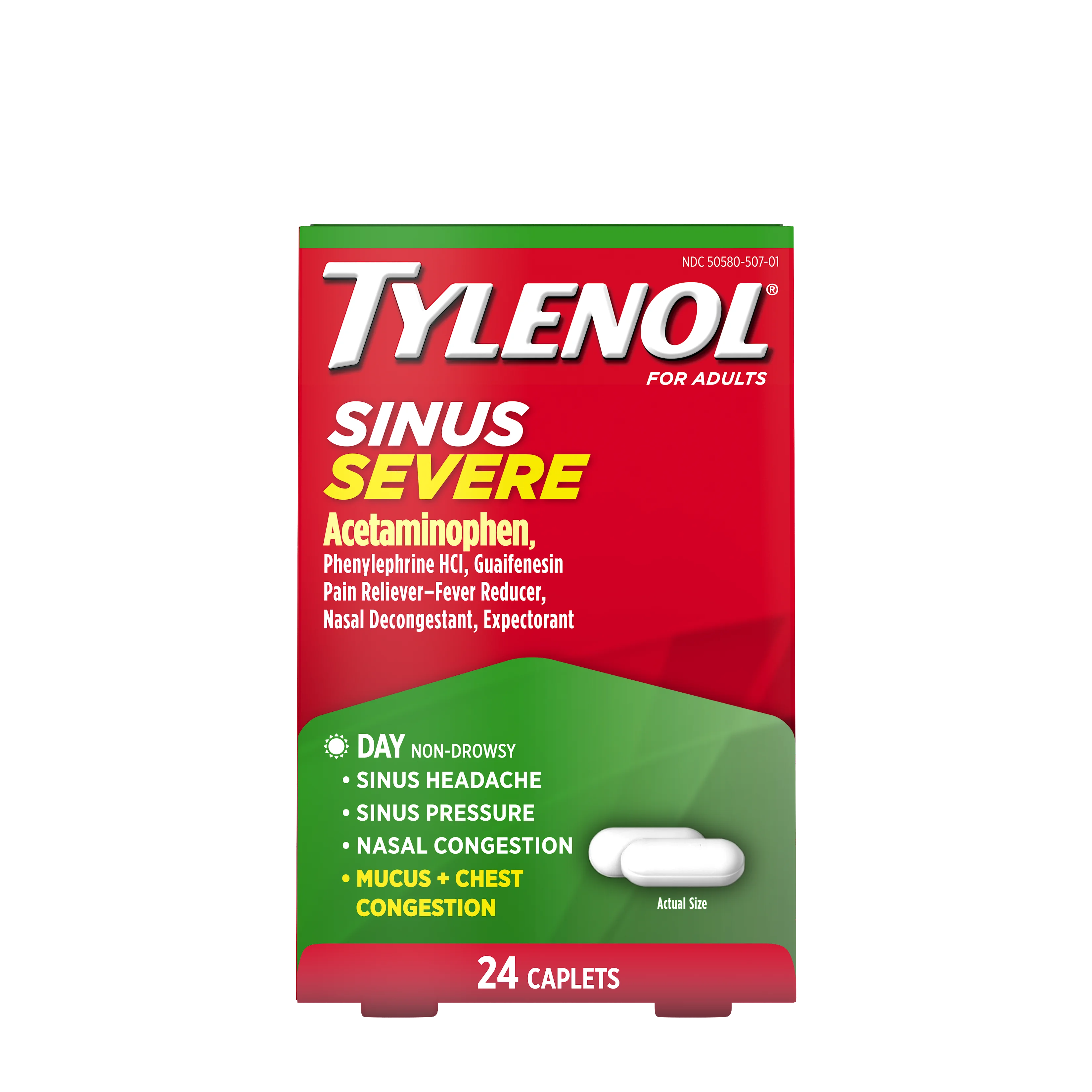
Ibuprofen and Tylenol are two of the most commonly used over-the-counter pain relievers. Ibuprofen, a nonsteroidal anti-inflammatory drug (NSAID), is effective in reducing inflammation, swelling, and pain. Tylenol, on the other hand, contains acetaminophen, which only relieves pain and fever without reducing inflammation.The Benefits of Combining Ibuprofen and Tylenol
Combining ibuprofen and Tylenol can offer better relief for some conditions, including headaches, muscle aches, and menstrual cramps. A study published in the Journal of Clinical Pharmacy and Therapeutics found that combination tablets containing 200 mg of ibuprofen and 500 mg of acetaminophen provided superior sustained pain relief compared to single medications. Additionally, a study published in the Journal of Pain Research found that combination ibuprofen and acetaminophen was just as effective as some opioids in relieving moderate to severe pain.Is it Safe to Combine Ibuprofen and Tylenol?
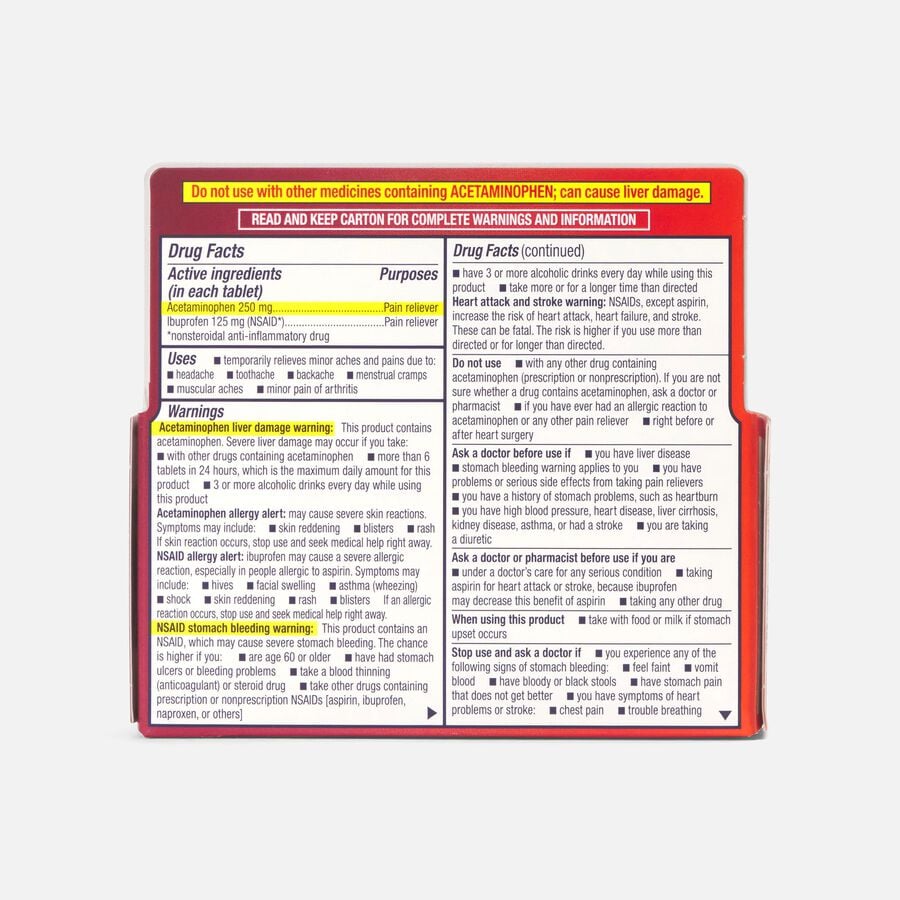
Combining ibuprofen and Tylenol is generally safe for most people, but it's essential to be aware of the possible risks. Taking more than the recommended dosage by accident can lead to adverse effects such as stomach bleeding, kidney damage, and liver damage. To minimize risks, it's crucial to follow dosage instructions carefully and consult a doctor or pharmacist if you're unsure.Important Considerations