The Benefits of Limiting Screen Time: A Guide to Improving Your Physical, Mental, and Social Health
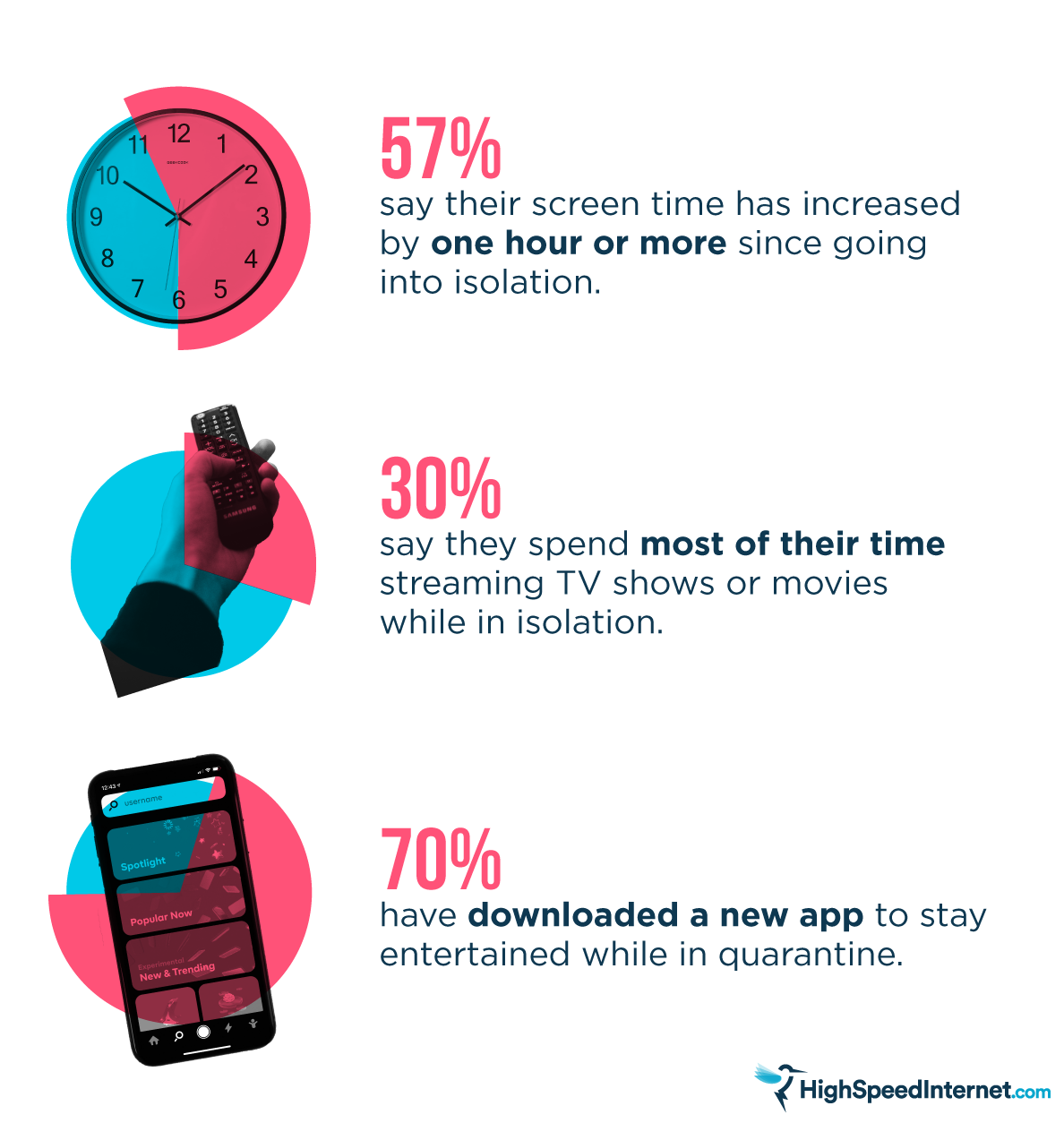
In today's digital age, it's easy to get caught up in the endless stream of screens that surround us. From smartphones to tablets, laptops to televisions, screens are a ubiquitous part of modern life. But excessive screen time can have serious consequences for our physical, mental, and social health. In this article, we'll explore the benefits of limiting screen time and provide practical tips for reducing your screen exposure.
The Risks of Excessive Screen Time
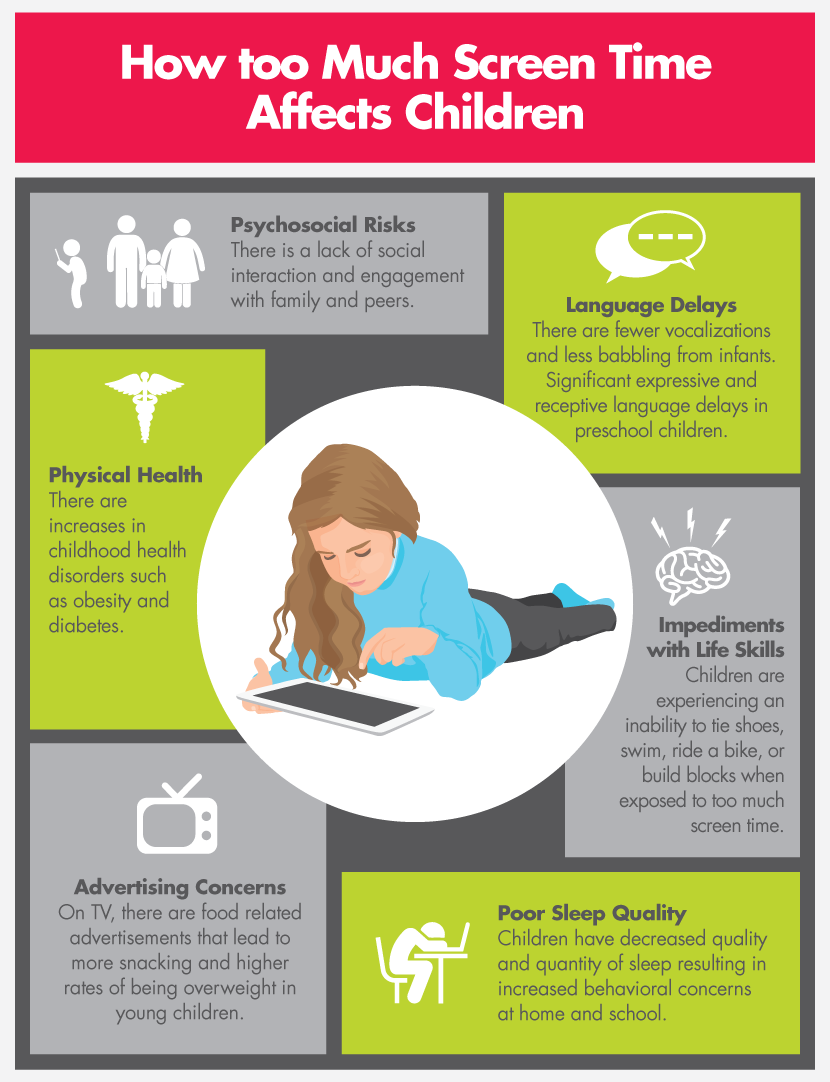
Excessive screen time has been linked to a range of negative effects on both physical and mental health. Some of the most concerning consequences include:
- Eye strain and discomfort, commonly known as computer vision syndrome
- Disrupted sleep patterns due to the blue light emitted by electronic devices
- Increased risk of obesity, diabetes, and sleep problems
- Link to binge-eating disorders and sleep problems in young people
- Mental health issues such as anxiety, depression, and other emotional and behavioral problems
The Benefits of Limiting Screen Time
Limiting screen time can have a range of benefits for our physical, mental, and social health. Some of the most significant benefits include:
- Improved sleep quality and duration
- Reduced risk of eye strain and discomfort
- Lower risk of obesity, diabetes, and sleep problems
- Improved mental health and reduced risk of anxiety, depression, and other emotional and behavioral problems
- Increased focus and productivity, leading to greater sense of accomplishment
- Stronger connections and face-to-face interaction, promoting social development
- Improved mood and reduced aggression
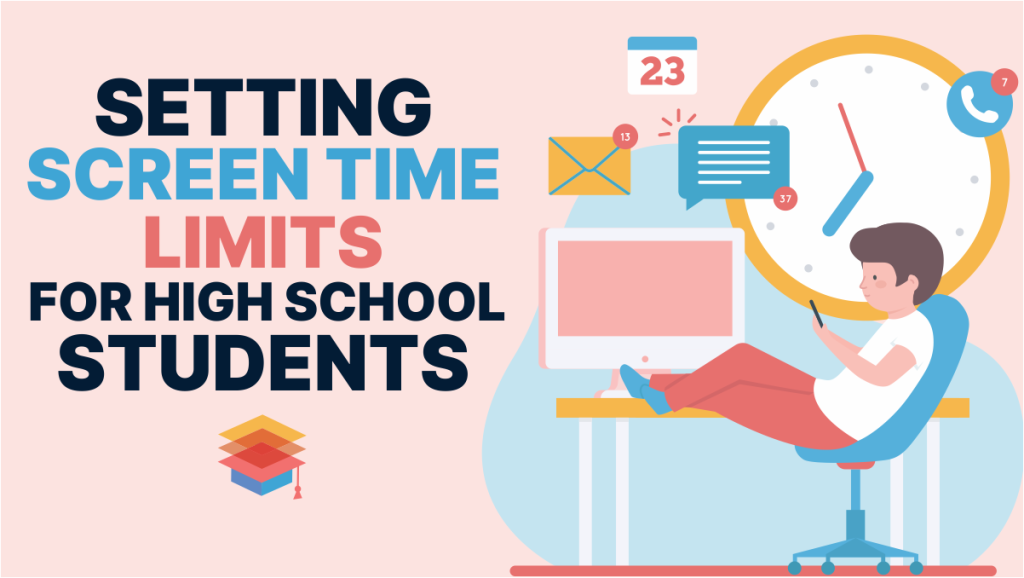
Setting Screen Time Limits
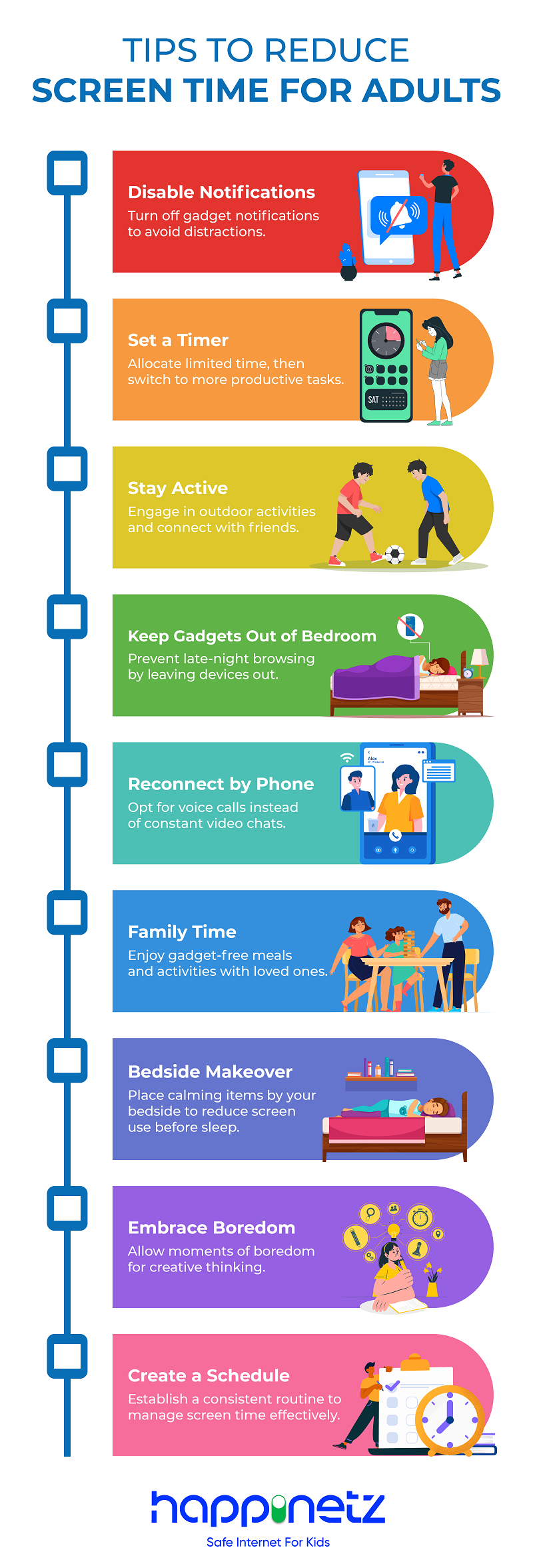
Setting screen time limits is an essential step in reducing your screen exposure. Here are some tips to help you get started:

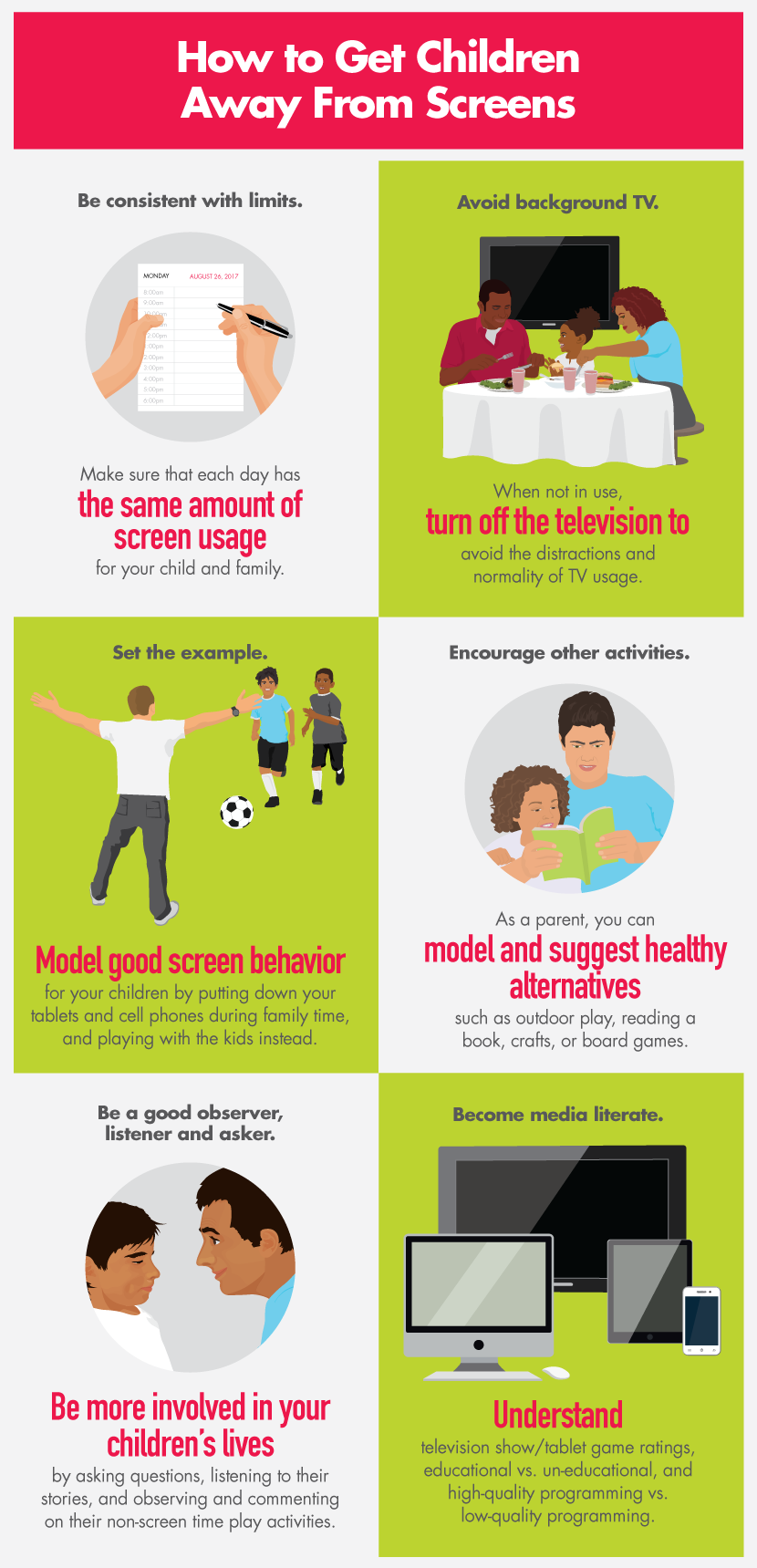
- Set specific "no-screen" times, like during meals or before bed
- Encourage outdoor play and physical activity
- Promote family conversations and interactive games
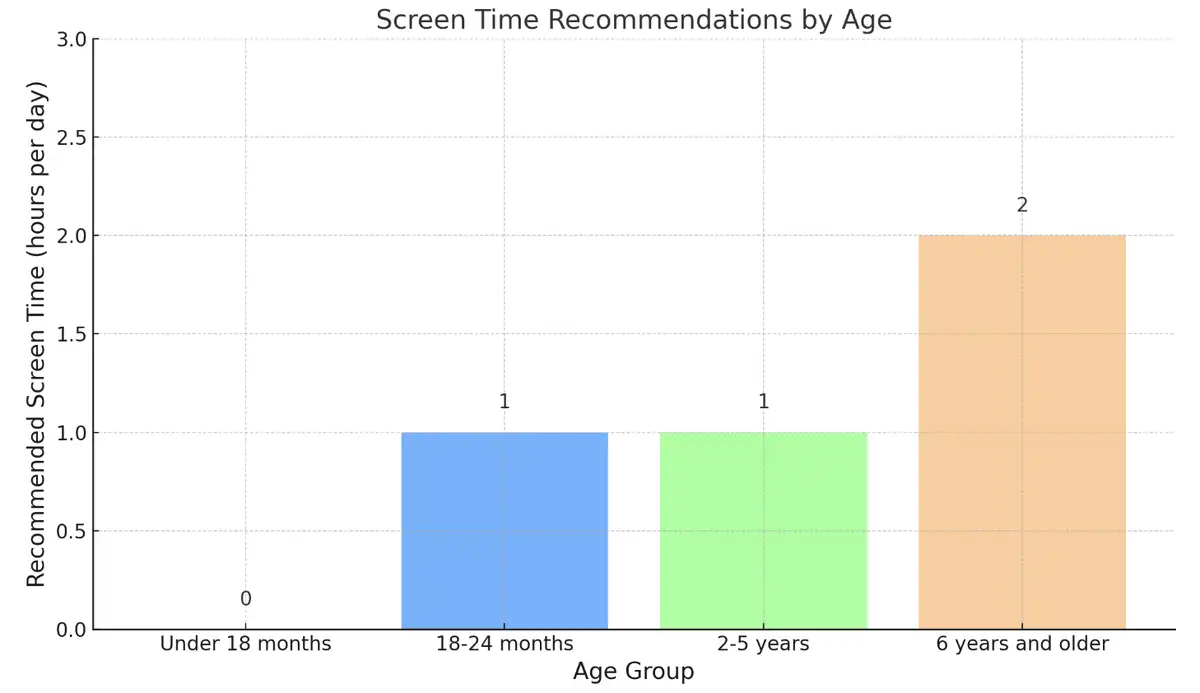
- Limit screen time to 1-2 hours per day for children aged 2-5 years
- Avoid screens for at least an hour before bedtime
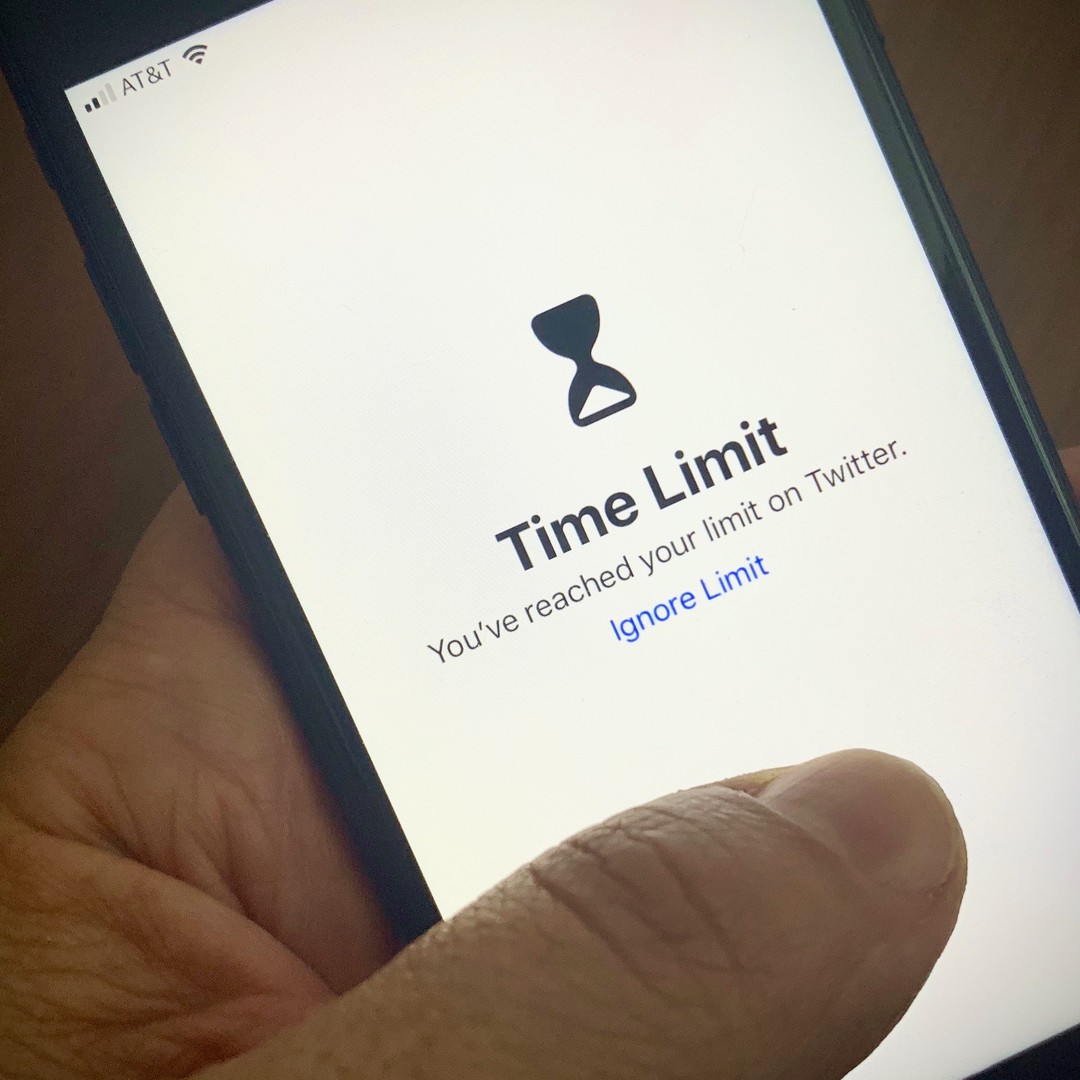
- Use screen time tracking tools to monitor your usage
Creating a Screen-Free Environment
Creating a screen-free environment can be challenging, but it's essential for reducing screen time. Here are some tips to help you create a screen-free zone:
- Remove devices from the bedroom at night
- Designate screen-free areas, such as the dinner table or living room
- Encourage phone-free activities, such as reading, drawing, or playing games
- Set up screen-free times, such as during meals or family game nights
Conclusion
Limited screen time can have a significant impact on our physical, mental, and social health. By setting screen time limits, creating a screen-free environment, and promoting alternative activities, we can reduce our screen exposure and improve our overall well-being. Remember, it's not about cutting out screens entirely, but about finding a healthy balance that works for you and your family.
References:
- Children's Hospital of Philadelphia
- pmc.ncbi.nlm.nih.gov
- Jan 21, 2025
- Mar 13, 2020
- Mar 28, 2024
- Jun 9, 2025