Are You Back Sleeping During Late Pregnancy? It's Time to Switch Sides
As your pregnancy advances into the third trimester, you may find yourself facing aching backs and discomfort while sleeping. While it's tempting to sleep on your back, especially if that's your default position, research has shown that back sleeping during late pregnancy can pose risks to both you and your baby.
The Risks of Back Sleeping During Late Pregnancy
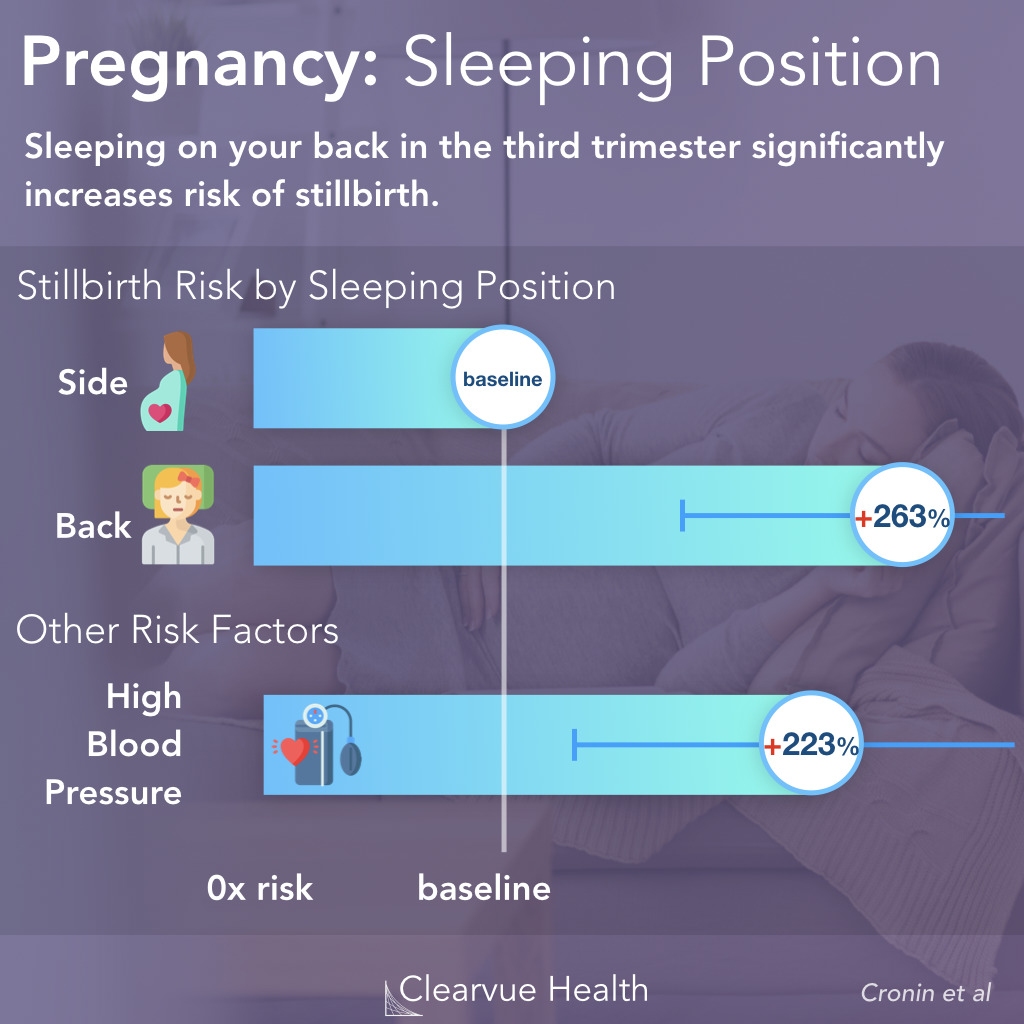
Several studies have linked back sleeping during late pregnancy, specifically after 28 weeks, with an increased risk of stillbirth. This is because lying on your back can cause the weight of your uterus to compress a major blood vessel that supplies oxygen and nutrients to your baby. This compression can lead to reduced blood flow and oxygenation, potentially causing harm to your developing fetus.
What Can Happen if You Go Back to Sleep?
As your baby grows, the weight of your uterus amplifies the pressure on your back and spine, leading to backaches and discomfort. Additionally, lying flat on your back can cause:
- Problems with breathing
- Discomfort in your digestive system
- Increased risk of hemorrhoids
- Low blood pressure
- Decreased circulation to your heart and baby
The Solution: Sleeping on Your Side
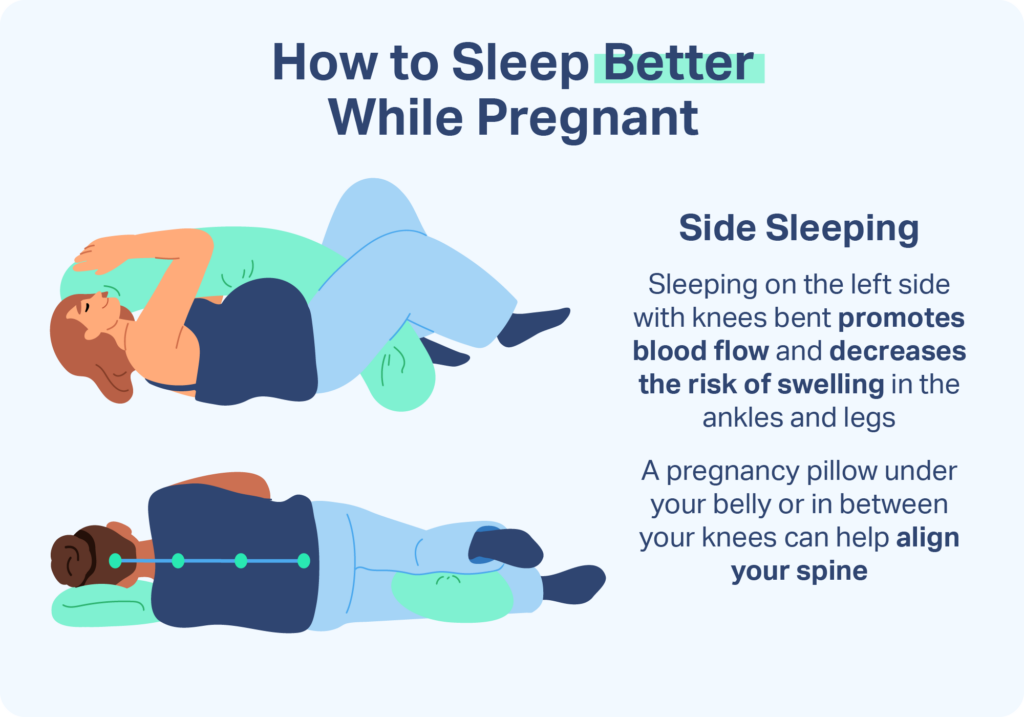
Sleeping on your side is the recommended position during late pregnancy. By sleeping on your side, you can:

- Reduce pressure on your spine and back
- Improve blood flow to your baby
- Prevent discomfort and backaches
How to Adjust to Side Sleeping
Switching to a side-sleeping position may take some time and effort, but here are some tips to help you adjust:
- Use pillows for support and comfort
- Invest in a full-body pillow or a pregnancy pillow
- Experiment with different positions and find what works best for you
Conclusion
While back sleeping during late pregnancy may seem comfortable, it's essential to prioritize the health and well-being of you and your baby. By switching to side sleeping, you can reduce the risk of complications and promote a healthier pregnancy. Remember to listen to your body, use pillows for support, and speak with your healthcare provider if you have any concerns.
By making this small adjustment, you can ensure a safer and more comfortable pregnancy journey for both you and your baby.