Learn How to Set Up a Home Recording Studio that Delivers
Are you an aspiring musician or producer looking to create professional-sounding recordings from the comfort of your own home? Then you're in the right place. In this comprehensive guide, we'll walk you through the process of how to set up a home recording studio that meets your needs and budget. From room treatment to essential gear, we'll cover everything you need to know to get started.
The Basics of Setting Up a Home Recording Studio
The first step in setting up a home recording studio is to determine your needs and goals. What type of music do you want to produce? Do you need a studio for vocals, instruments, or both? What's your budget for equipment and software? Answering these questions will help you decide on the size and scope of your studio.
Room Treatment and Acoustics
When it comes to home recording studio setup, acoustics play a crucial role in producing high-quality recordings. To create a good listening space, you'll need to treat your room for optimal sound reflection and absorption. This can be achieved with:
- Acoustic panels to absorb sound waves and reduce echo
- DIY or professional-grade soundproofing materials to block outside noise
- Window treatments to minimize unwanted sound reflections
Essential Gear for a Home Recording Studio
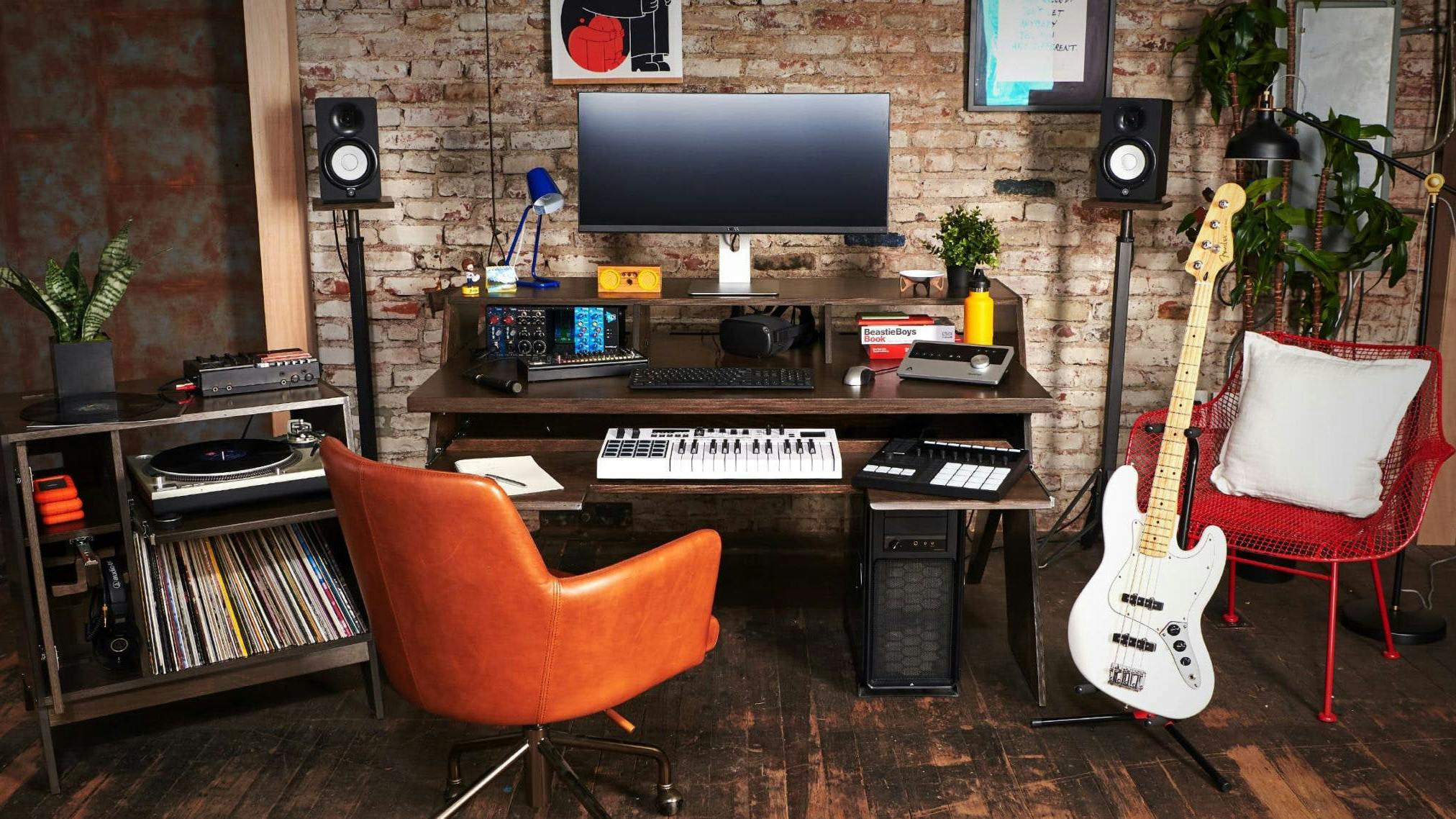
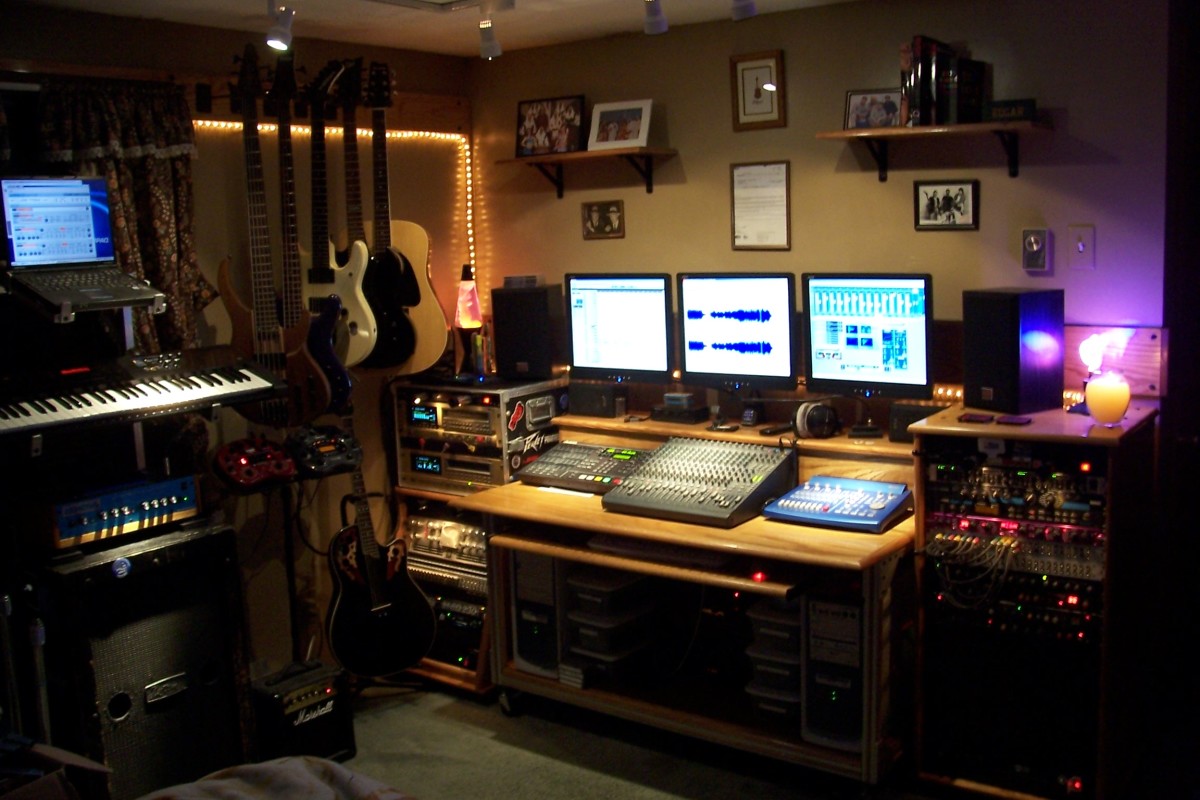
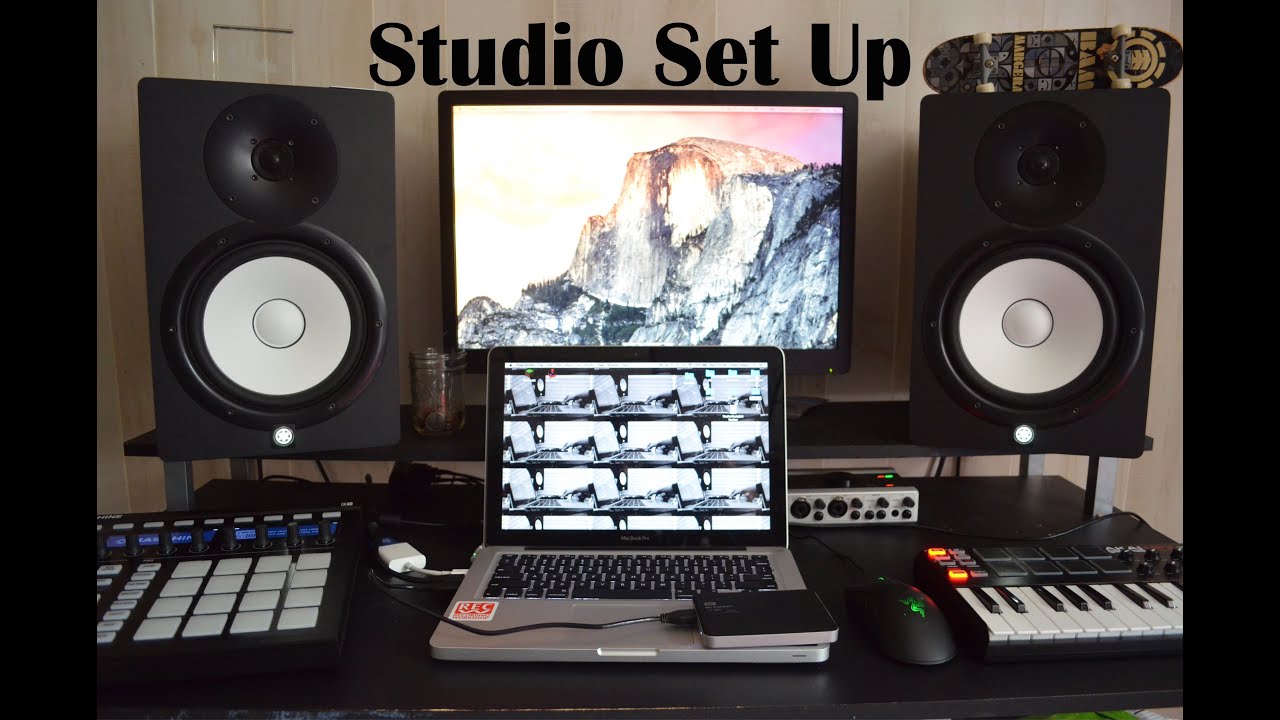
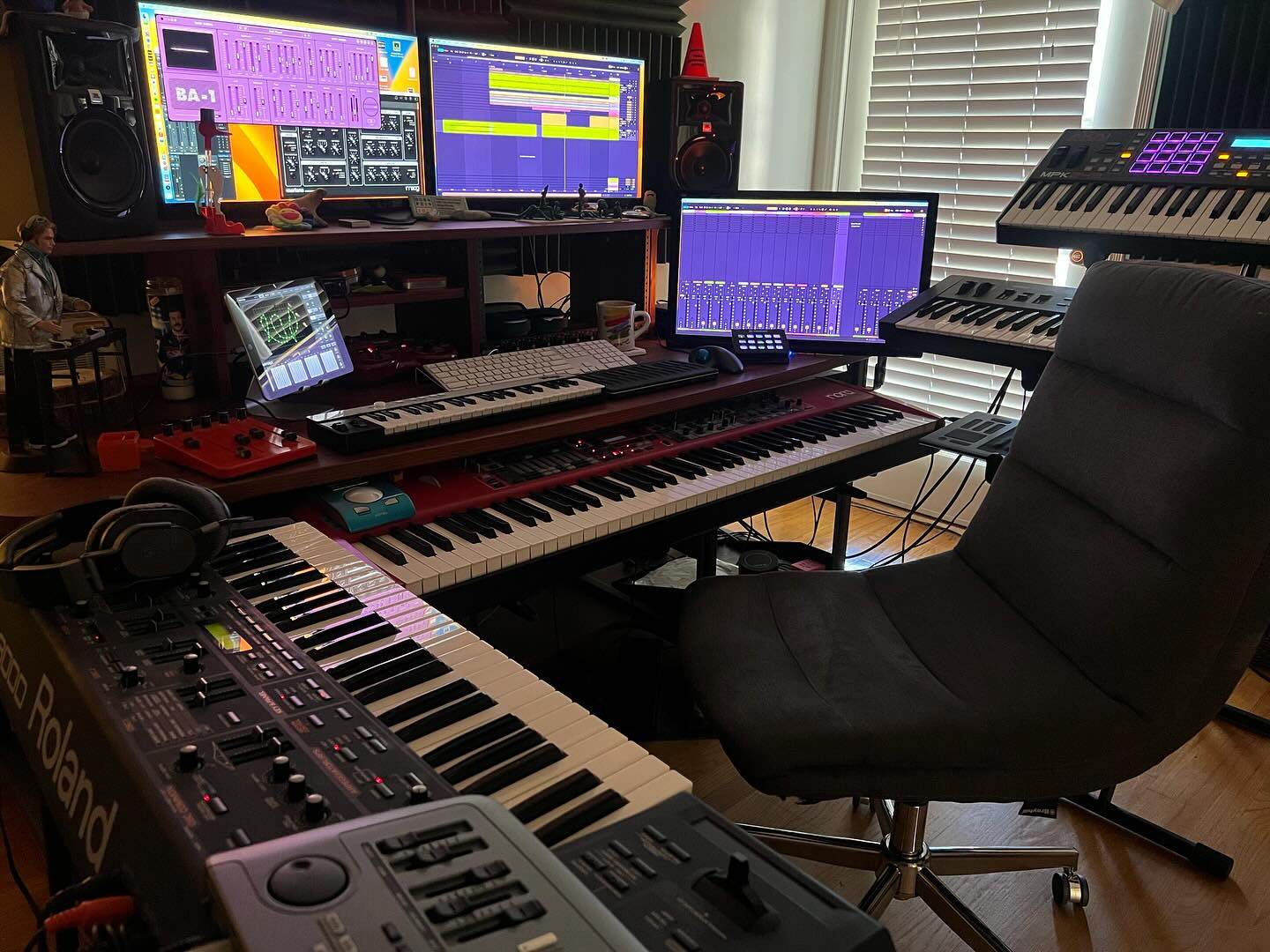
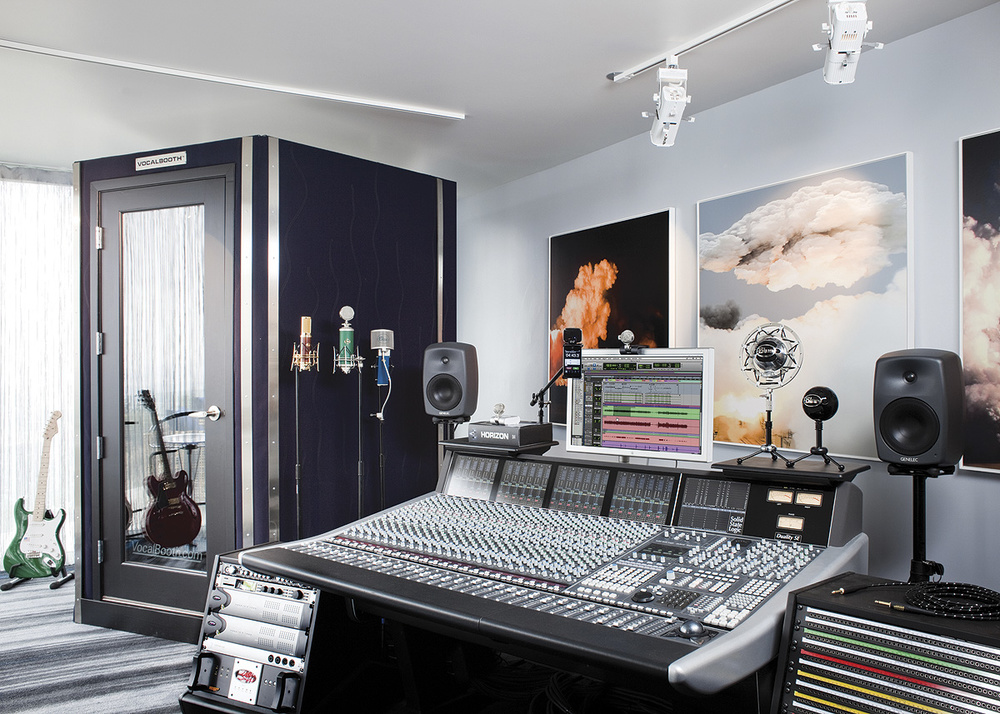
Once you've dealt with acoustics, it's time to think about the equipment you'll need to capture and record high-quality audio. Your home recording studio should include:
- A reliable computer or laptop for running DAW (digital audio workstation) software
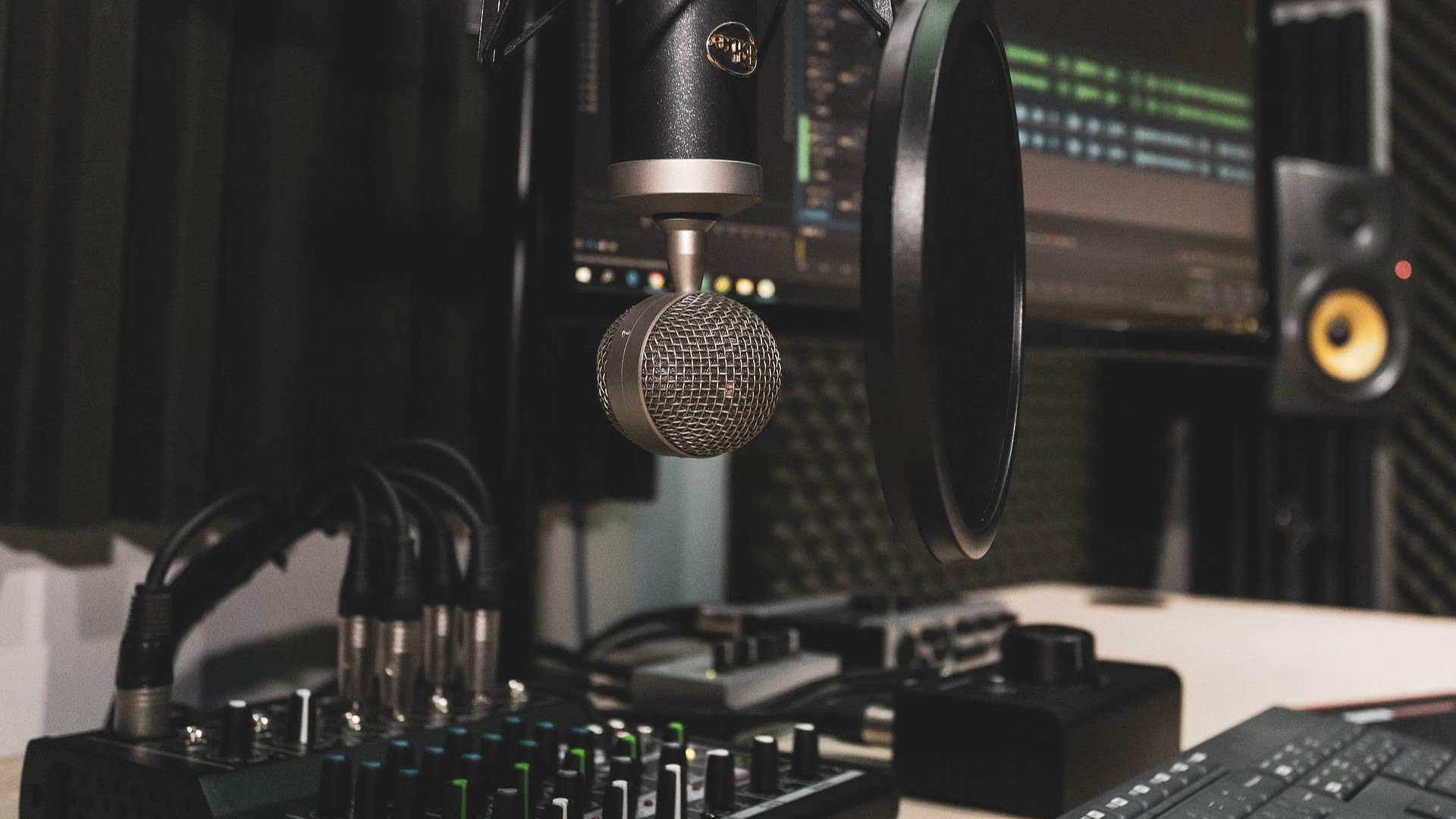
- A high-quality microphone to capture vocals or instruments
- A digital audio interface to connect your microphone to your computer
- Headphones for monitoring and tracking
- A MIDI controller and keyboard for composing and sequencing
- A software DAW (e.g., Ableton, Logic Pro, or Pro Tools)
Software and DAW Selection

With the rise of software-based DAWs, the possibilities for creating music have expanded exponentially. Popular options include:
- Ableton Live: A popular choice for live performances and electronic music production
- Logic Pro: A professional-grade DAW for recording, editing, and mixing
- Pro Tools: Industry-standard software for post-production and mixing
- FL Studio: A user-friendly DAW for beatmakers and hip-hop producers
Setting Up Your Studio for Optimal Sound
Once you have your gear and software set up, it's time to focus on proper mic placement, tuning, and mixdown techniques. Practice makes perfect, so don't be afraid to experiment and refine your craft. Remember:
- Place your microphones carefully to capture the best possible sound
- Use a pop filter to reduce plosive sounds
- Experiment with different distances and mic angles
Conclusion: Learn How to Set Up a Home Recording Studio Like a Pro
Setting up a home recording studio may seem daunting, but with the right equipment, software, and knowledge, you can create high-quality recordings and bring your music to life. Whether you're a beginner or an experienced producer, we hope this guide has provided you with the necessary tools and insights to build a home recording studio that meets your needs and budget.
Final Tips and Recommendations
Here are some final tips and recommendations to get you started:
- Practice, practice, practice: The more you record, the better you'll become
- Invest in quality gear and software, but don't break the bank
- Experiment and have fun: Recording is supposed to be enjoyable!