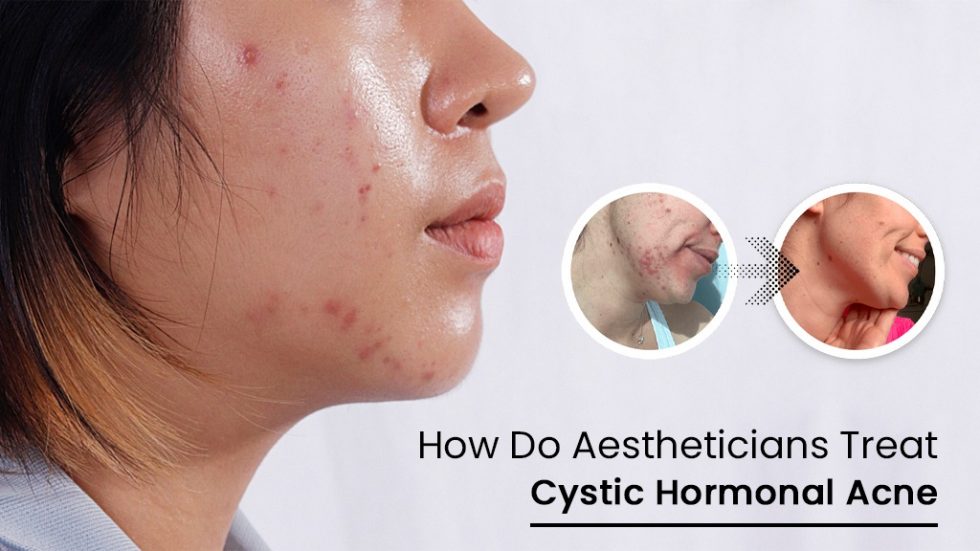
Understanding Cystic Acne: Causes, Symptoms, and Treatment Options
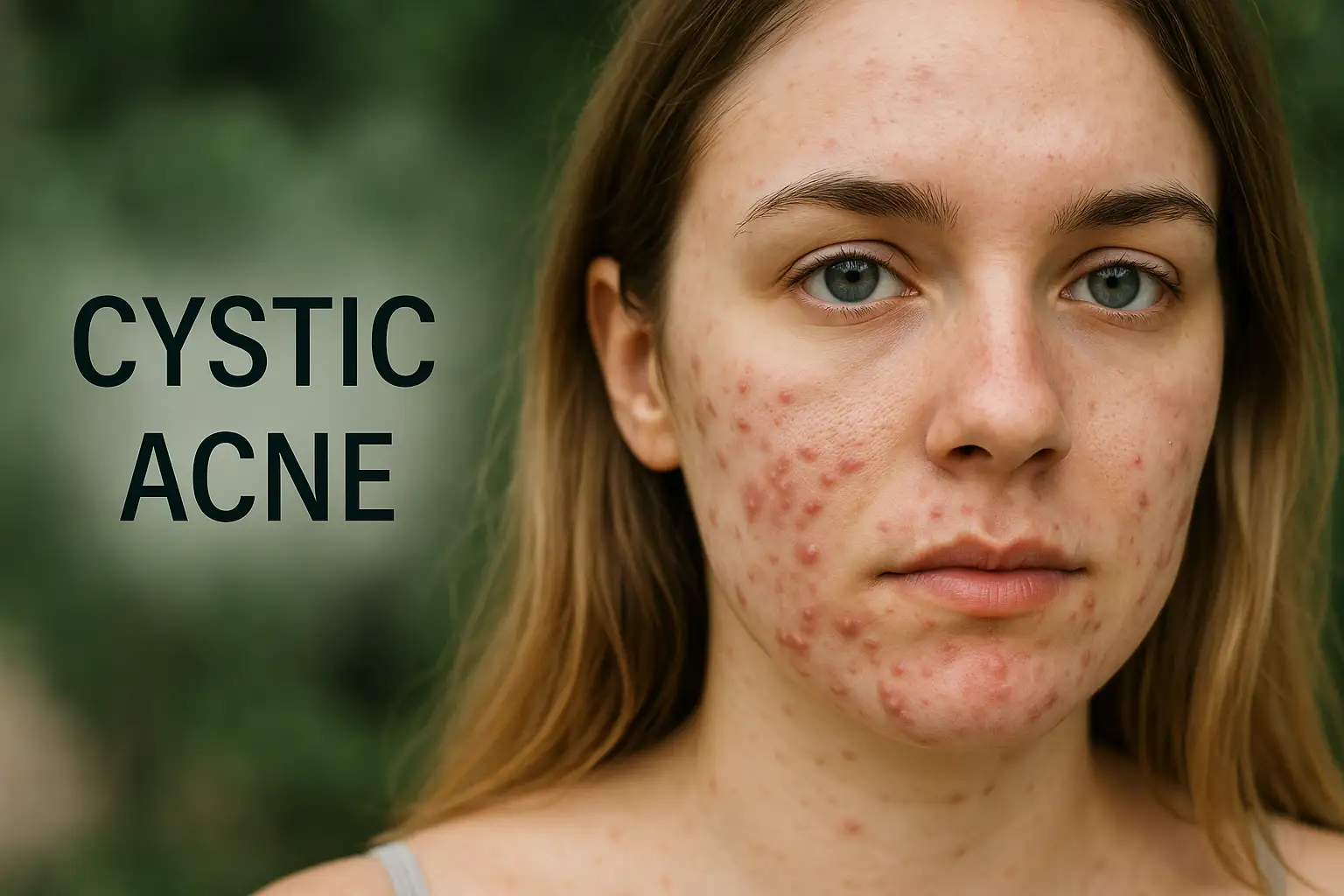
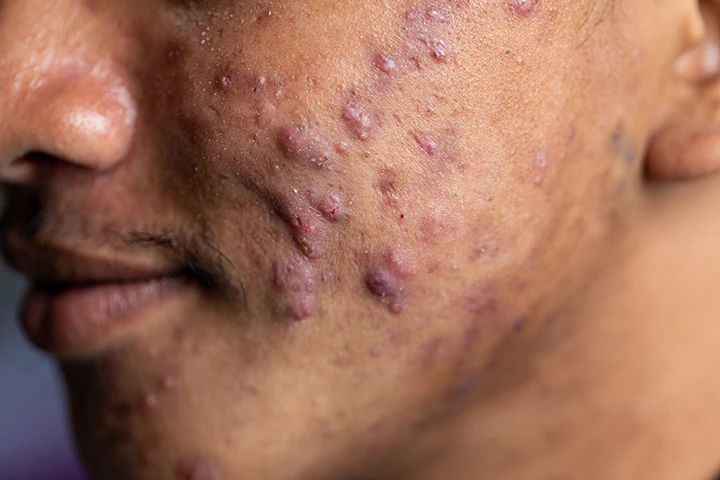
Cystic acne, a severe form of acne, is characterized by large, painful, and red bumps on the face, back, and/or chest. It's a type of inflammatory acne that forms deep under the skin, causing inflammation and swelling. This condition can be challenging to treat and may lead to scarring if not managed properly.
Causes of Cystic Acne
- Hormonal changes: Fluctuations in hormone levels, particularly androgens, can contribute to the development of cystic acne.
- Genetics: Family history plays a significant role in the development of acne, including cystic acne.
- Stress: High stress levels can trigger hormonal imbalances, leading to acne outbreaks.
- Medications: Certain medications, such as corticosteroids and testosterone, can cause acne as a side effect.
Symptoms of Cystic Acne
- Large, painful, and red bumps on the face, back, and/or chest.
- Deep inflammation and swelling.
- Pus-filled pimples that can be painful to the touch.
- Scarring, if left untreated or poorly managed.
Treatment Options for Cystic Acne
The primary goal of cystic acne treatment is to reduce inflammation, prevent scarring, and promote healing. Various treatment options are available, including:
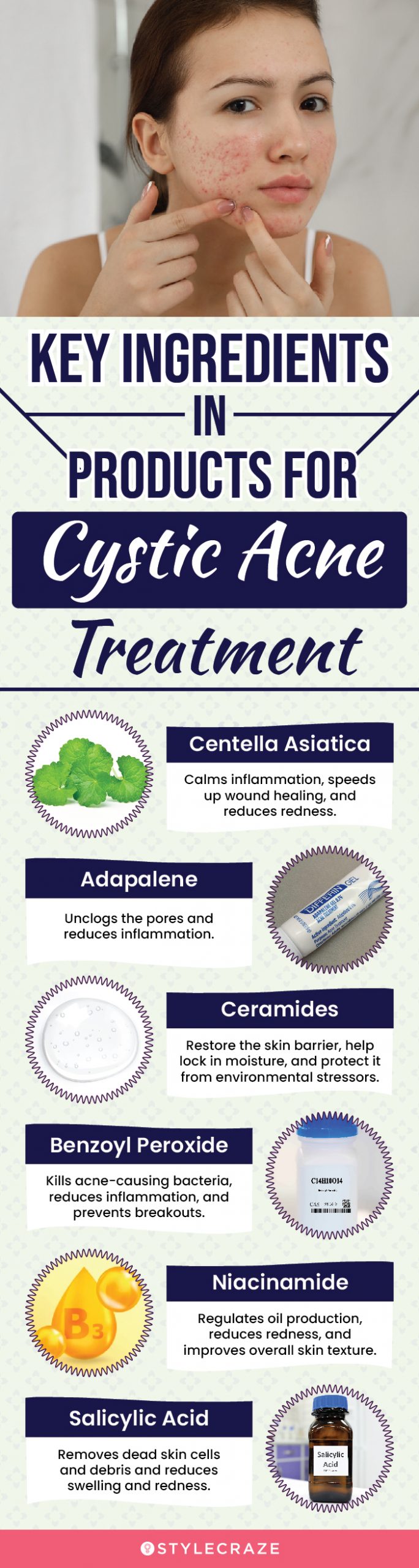
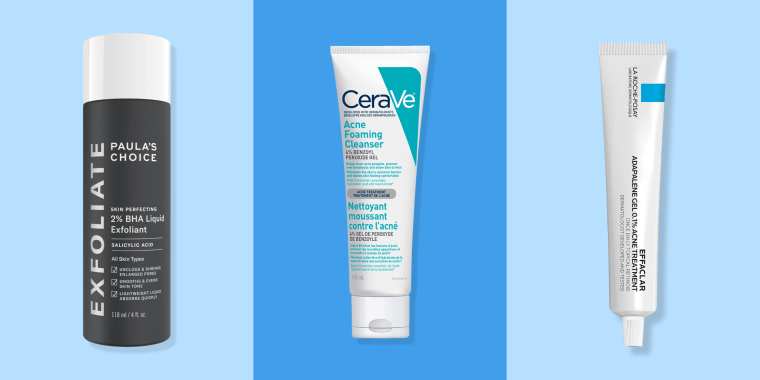
- Topical treatments: Medicated creams, gels, and lotions containing ingredients like benzoyl peroxide, salicylic acid, and retinoids can help reduce inflammation and prevent clogged pores.
- Oral antibiotics: Antibiotics, such as doxycycline and minocycline, can help reduce bacteria and inflammation.
- Hormonal therapies: Birth control pills, spironolactone, and flutamide can help regulate hormone levels and reduce acne severity.
- Isotretinoin (Accutane): A powerful oral medication that can help reduce sebum production and prevent scarring.
- Laser and light therapy: These treatments can help reduce inflammation, kill bacteria, and promote collagen production.
- Corticosteroid injections: Injecting corticosteroids directly into individual pimples can help reduce inflammation and promote healing.
Natural Remedies and Lifestyle Changes

In addition to medical treatment, making lifestyle changes and incorporating natural remedies can help manage cystic acne:
- Keep your skin clean: Gently wash your face twice a day with a mild cleanser.
- Use non-comedogenic products: Choose products labeled "non-comedogenic" or "oil-free" to reduce the risk of clogged pores.
- Stay hydrated: Drink plenty of water to flush out toxins and keep your skin hydrated.
- Eat a balanced diet: Focus on whole foods, fruits, and vegetables to support skin health.
- Manage stress: Engage in stress-reducing activities, such as meditation, yoga, or deep breathing exercises.
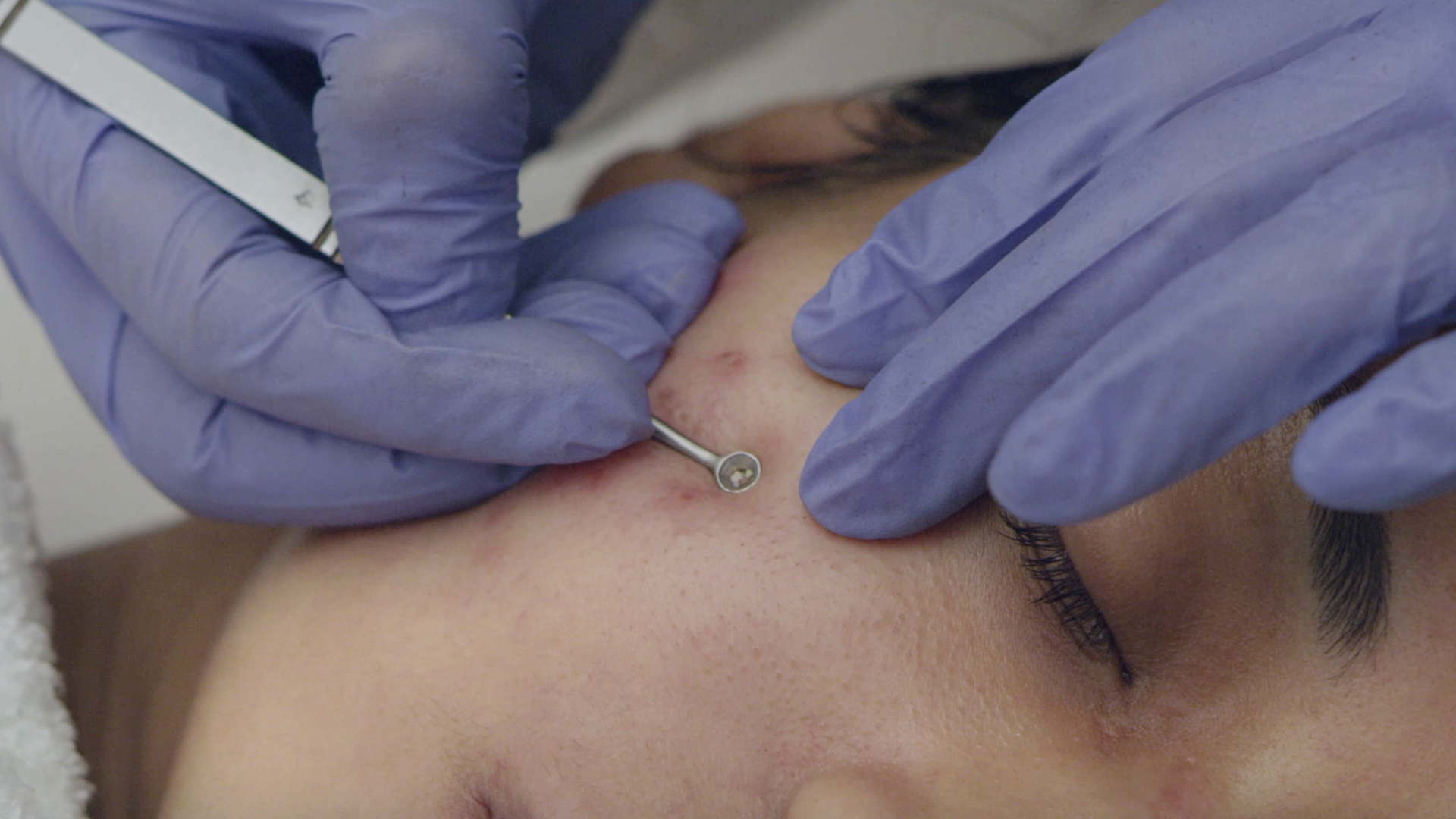
- Avoid picking or popping pimples: This can lead to further inflammation, scarring, and infection.
Acne Treatment for Cystic Acne: What to Expect
The acne treatment for cystic acne can take several weeks to several months to show noticeable results. It's essential to be patient, consistent, and work closely with your dermatologist to develop a personalized treatment plan. With the right combination of medical treatment and lifestyle changes, it's possible to manage cystic acne and achieve clearer, healthier skin.
Conclusion
Cystic acne is a challenging condition to treat, but with the right approach, it's possible to manage symptoms, prevent scarring, and achieve clear skin. By understanding the causes, symptoms, and treatment options for cystic acne, you can take the first step towards achieving healthy, glowing skin.
Resources
For more information on acne treatment for cystic acne, consult with a dermatologist or healthcare professional. Additionally, explore reputable online resources, such as the American Academy of Dermatology or the National Institute of Arthritis and Musculoskeletal and Skin Diseases.




:max_bytes(150000):strip_icc()/CysticAcne-f66c9da8ff8f4ebc84e0999311cb9073.jpg "Best Adult Acne Treatment | Seamless Skin Solutions")