Understanding Vision Distortion: Causes, Symptoms, and Treatment Options
Visual disturbances, commonly referred to as vision distortion, can be a distressing experience, affecting your daily activities and overall quality of life. It's essential to understand the causes, symptoms, and treatment options for this condition to restore accurate visual perception and protect your long-term eye health.
What is Vision Distortion?
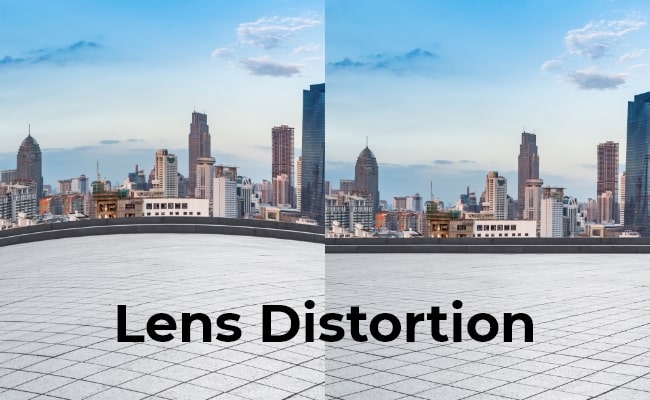
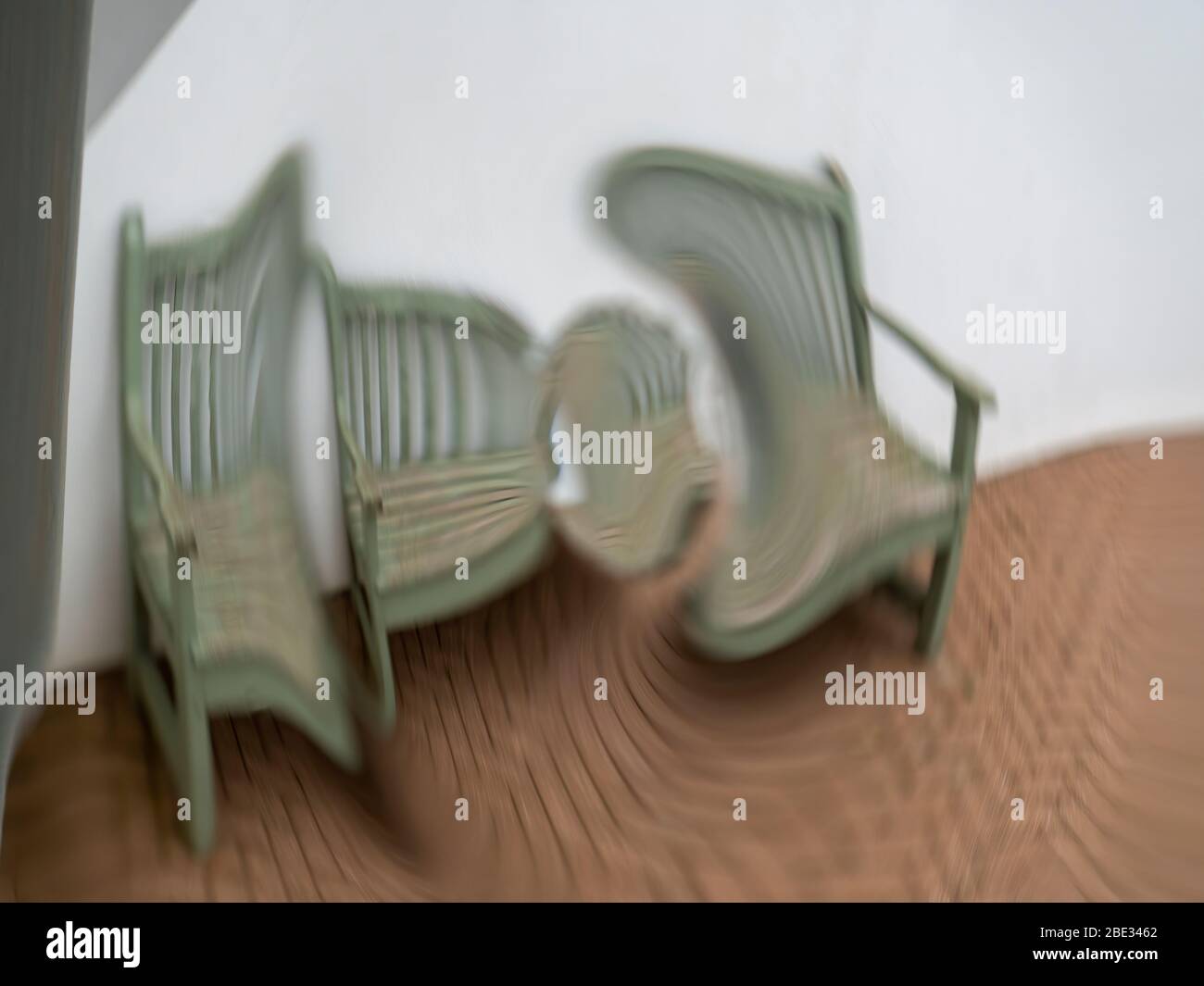
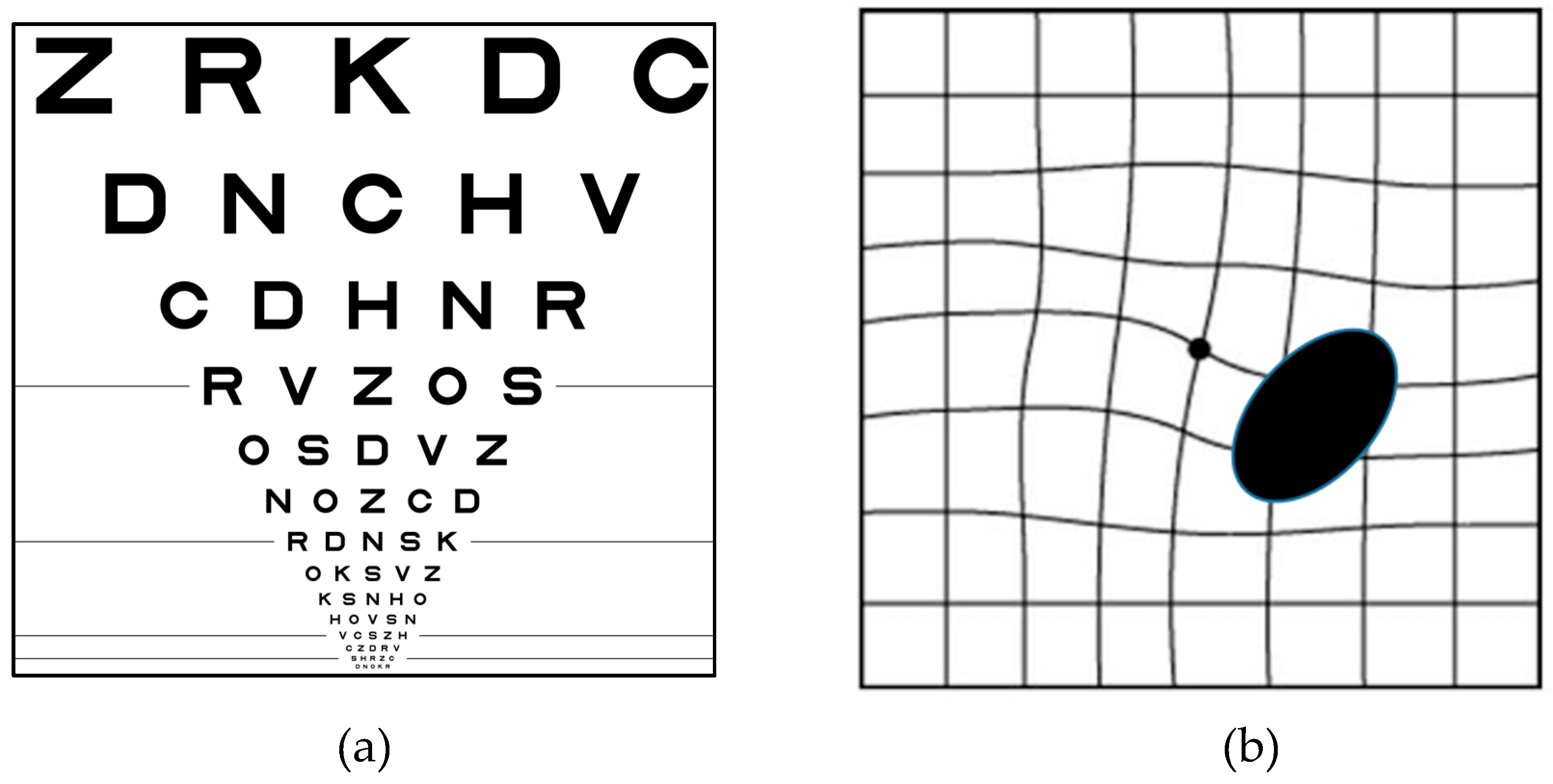
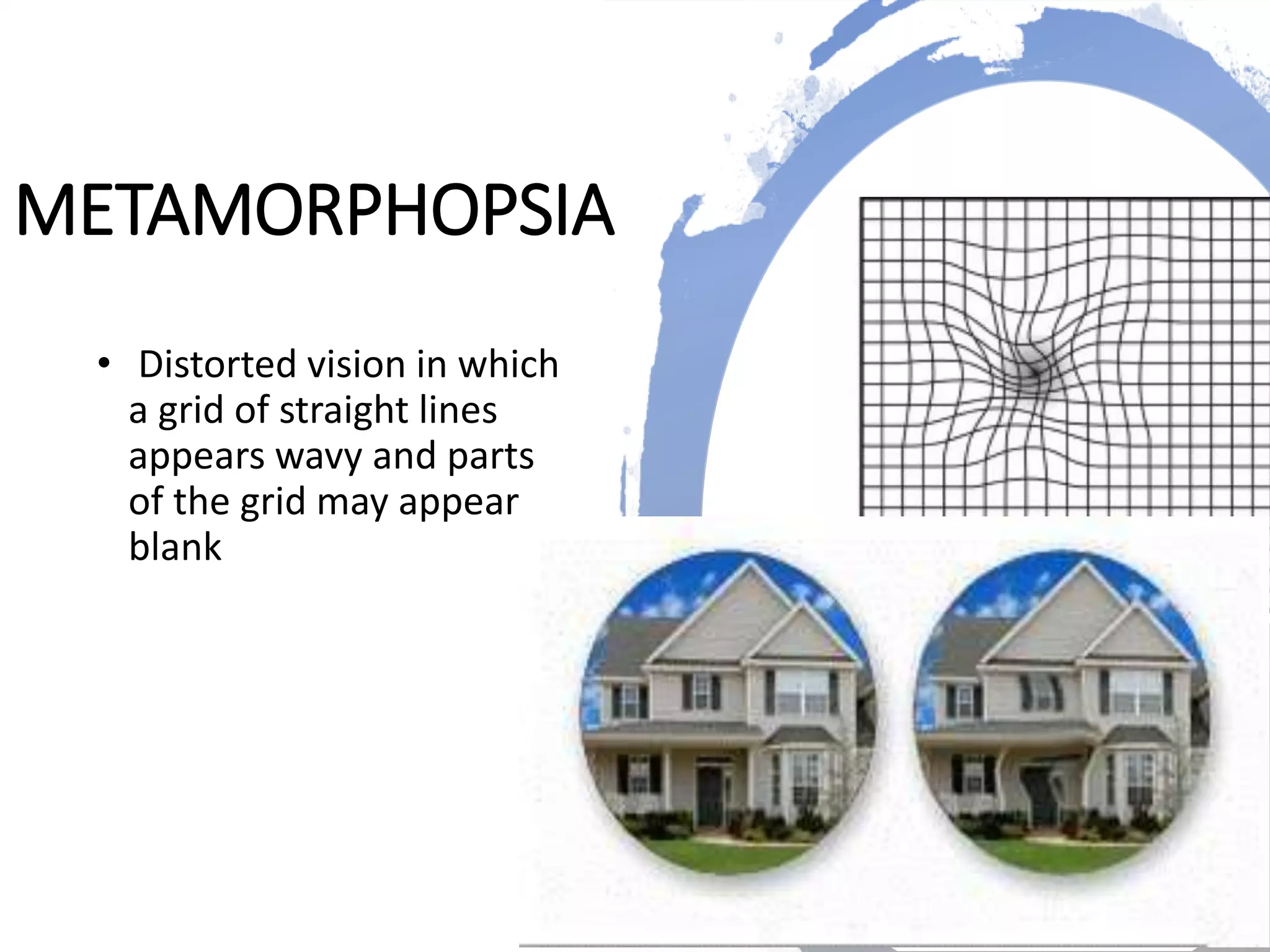
Vision distortion is a visual disturbance where straight lines appear wavy, bent, or twisted, making objects look misshapen. This change can make routine activities like reading or driving difficult and is often a sign of an underlying eye condition that needs attention.
Causes of Vision Distortion
Vision distortion can be caused by a wide range of eye diseases and conditions, including:
- Macular diseases such as age-related macular degeneration, epiretinal membrane, macular hole, and diabetic oedema
- Corneal irregularities
- Poorly centred lenses
- Significant astigmatism
- Metamorphopsia, a condition where the way you see things changes, making objects look bigger, smaller, or misshapen
Symptoms of Vision Distortion
The symptoms of vision distortion can vary from person to person, but common signs include:
- Wavy or bent vision
- Distorted shapes or objects
- Blurred vision
- Difficulty with reading or driving
- Migraines or headaches

Treatment Options for Vision Distortion
The treatment options for vision distortion depend on the underlying cause of the condition. Some common treatment options include:
- Prescription glasses or contact lenses to correct refractive errors
- Cataract surgery to remove cloudy lenses
- Macular degeneration treatment, such as injections or laser therapy
- Eye exercises or physical therapy to improve eye alignment and coordination
- Surgeries, such as corneal transplantation or lens implantation
Prevention and Management of Vision Distortion
To prevent and manage vision distortion, it's essential to:
- Have regular eye exams to detect any underlying conditions early on
- Wear prescription glasses or contact lenses as prescribed by an eye care professional
- Avoid smoking and maintain a healthy lifestyle to reduce the risk of age-related macular degeneration
- Get enough sleep and maintain a healthy diet to reduce eye strain
Conclusion
Vision distortion can be a debilitating condition that affects your daily life. By understanding the causes, symptoms, and treatment options, you can take the first step towards restoring accurate visual perception and protecting your long-term eye health. Remember to schedule regular eye exams and follow a healthy lifestyle to prevent and manage vision distortion.