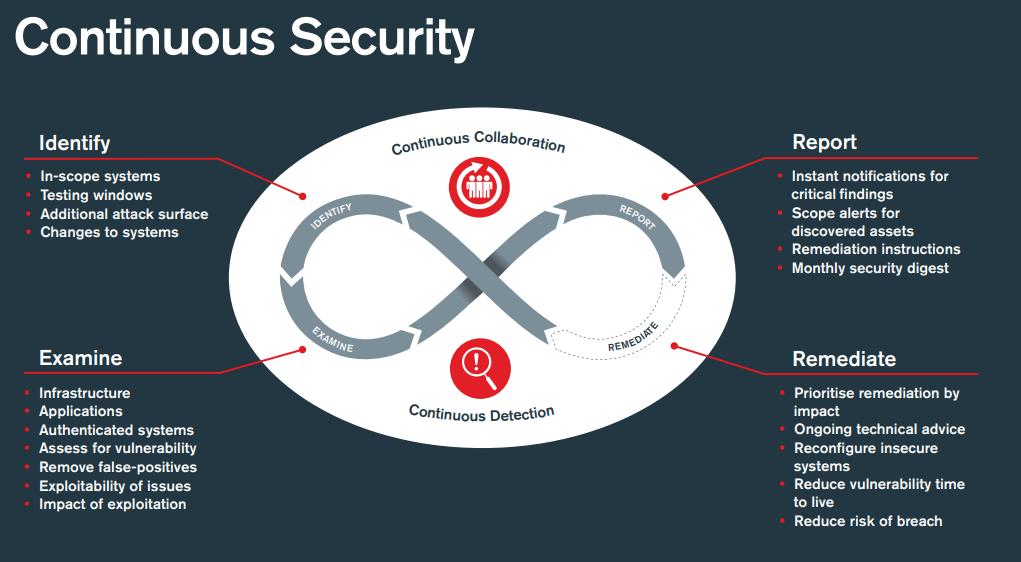
Ways to Secure WiFi Network with Continuous Security
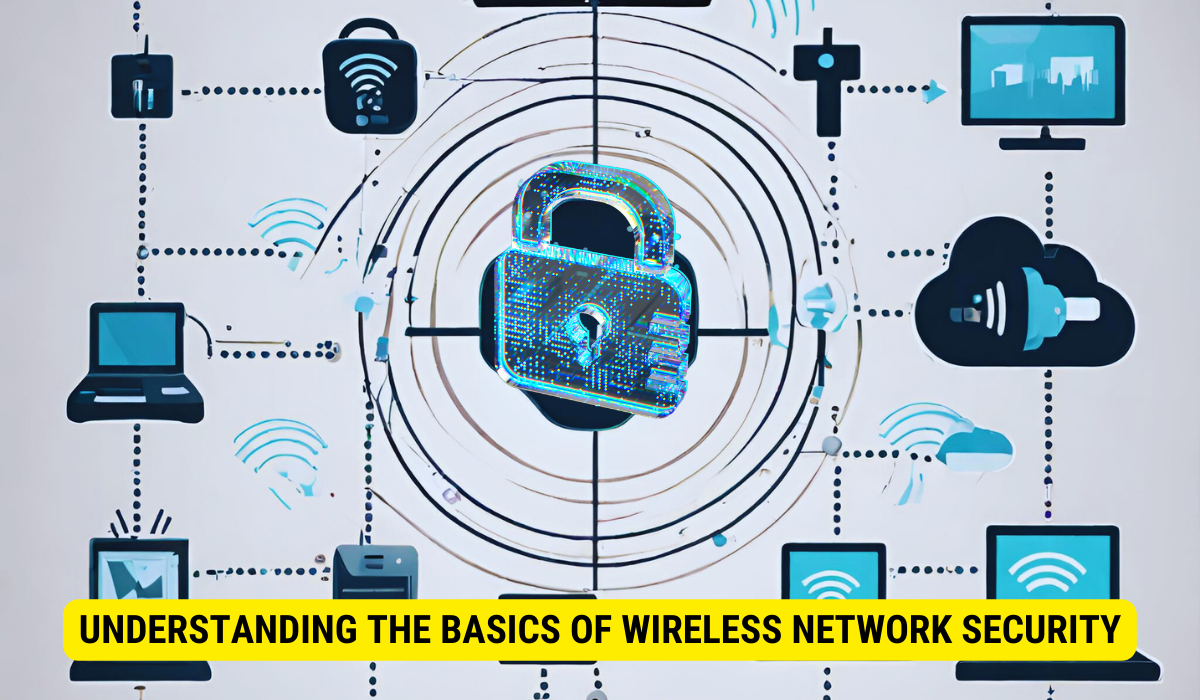
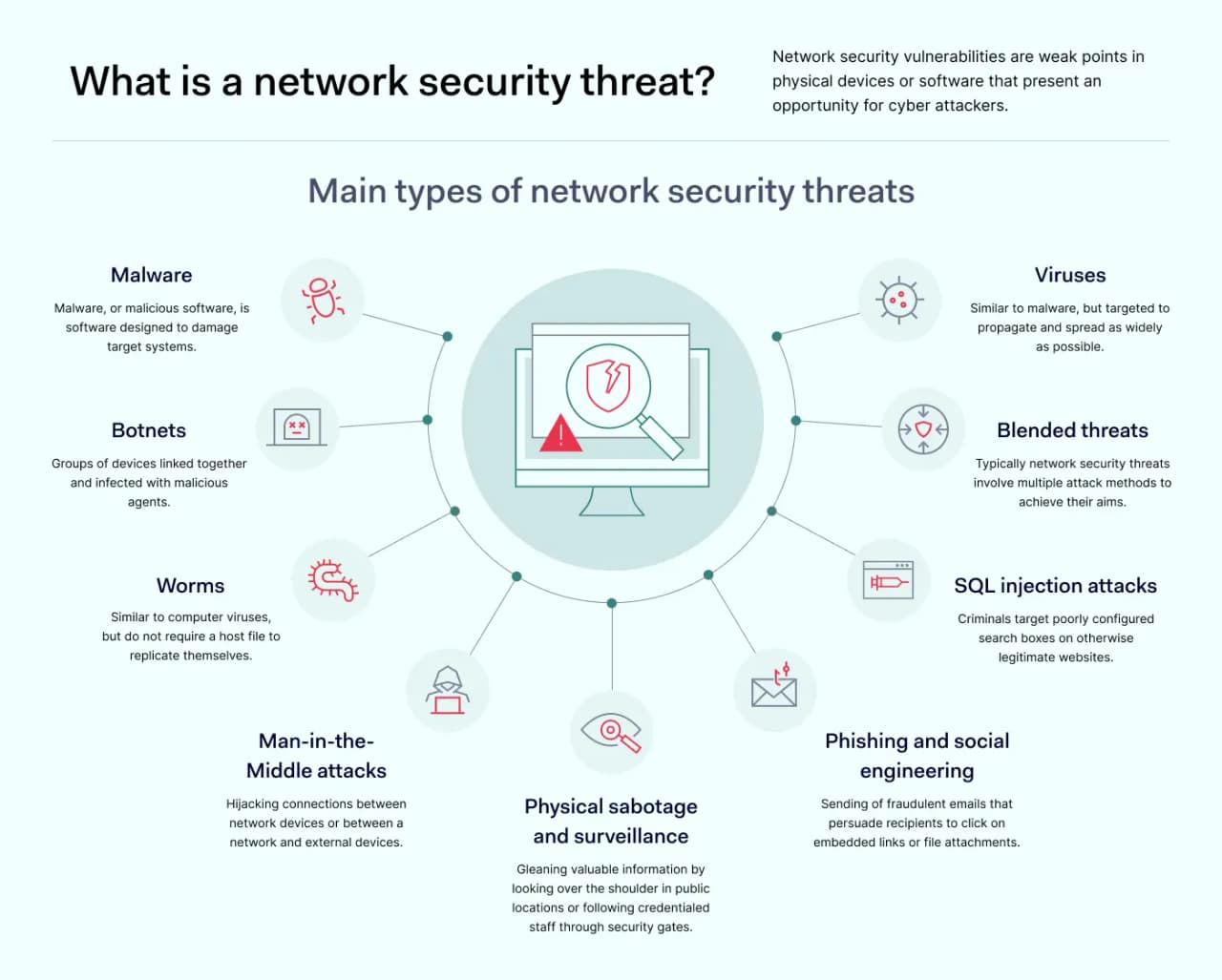
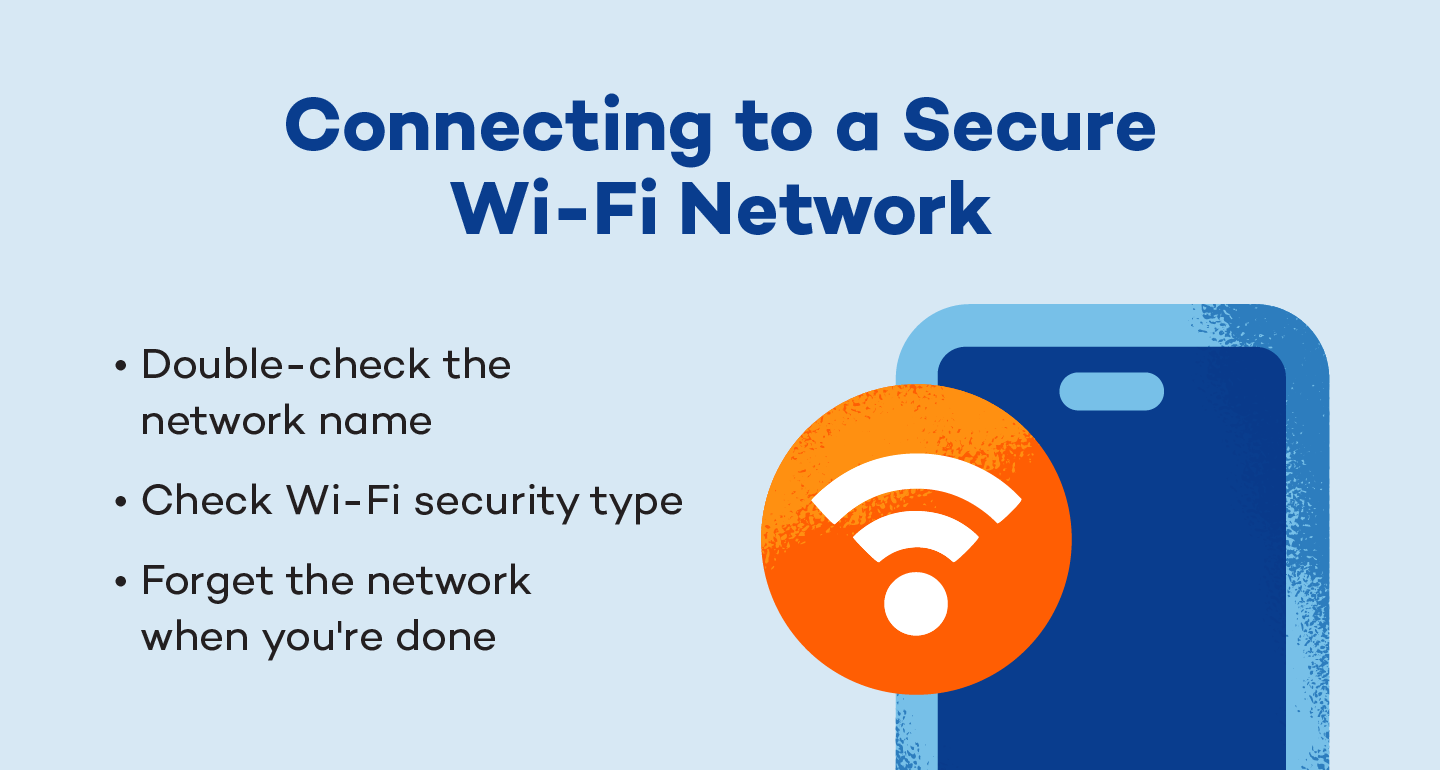
With the increasing reliance on wireless networks, securing your WiFi network has become a top priority. A secure WiFi network protects your personal data, financial records, and professional communications from unauthorized access and cyber threats. In this article, we will explore the ways to secure your WiFi network with continuous security.
Understanding the Importance of WiFi Security
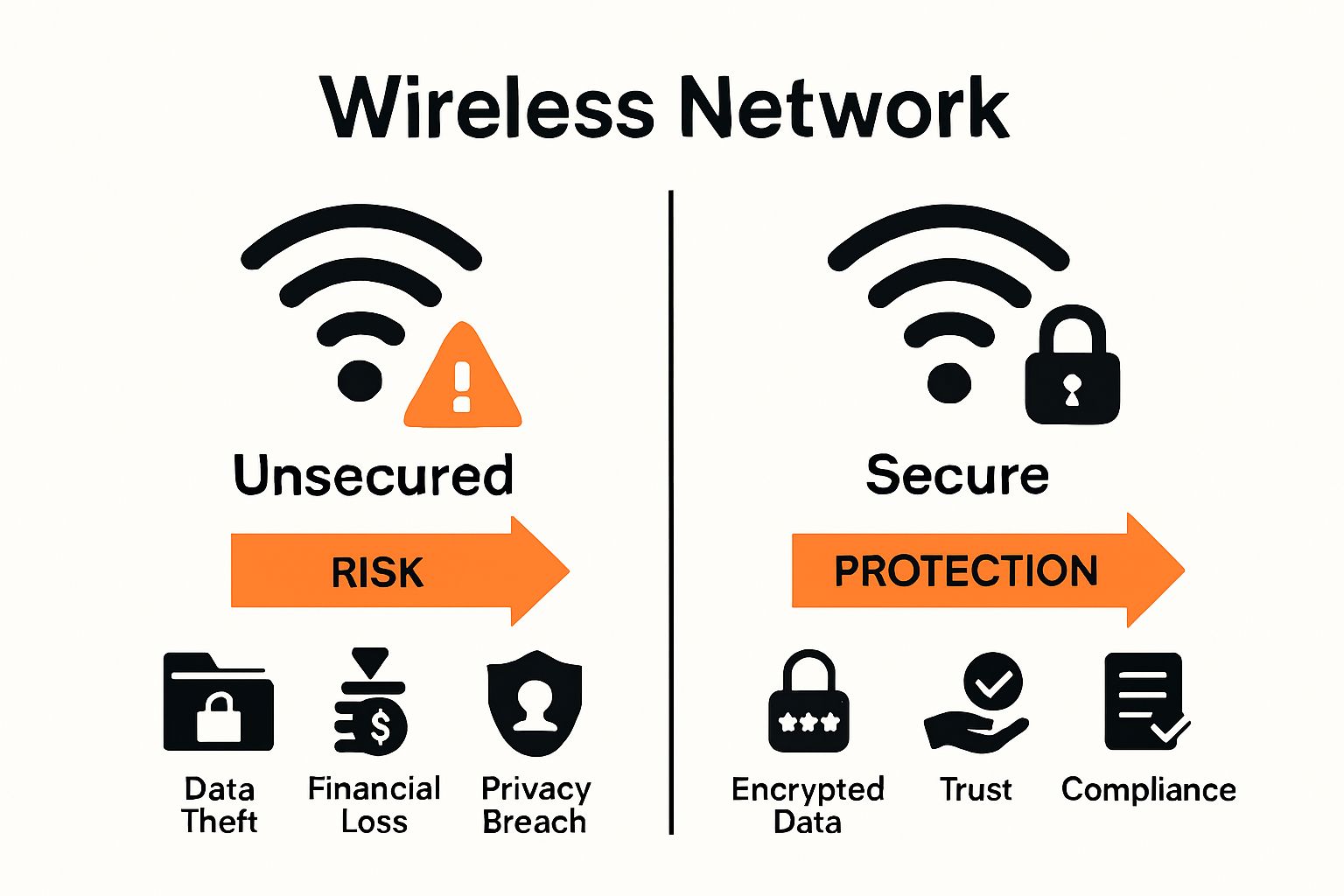
Securing your WiFi network is essential to prevent cyber threats from stealing your bandwidth or money. The rapid growth of mobile devices and public WiFi hotspots has made it easier for hackers to gain access to your network. A secure WiFi network ensures that your devices stay online, your data remains safe, and your smart home or business network continues to function reliably.
Ways to Secure Your WiFi Network
-
Use WPA3 Setup
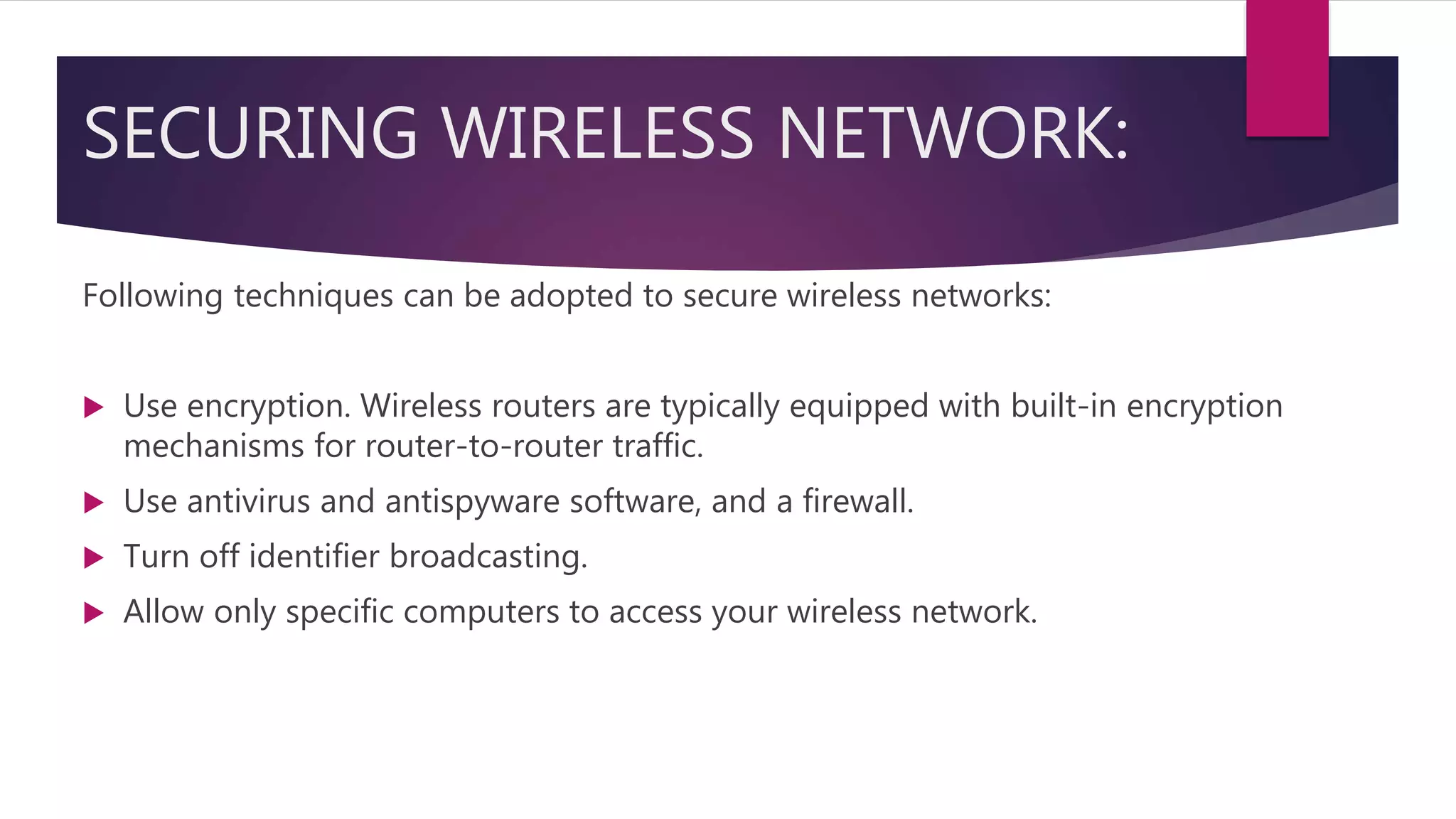
WPA3 (WiFi Protected Access 3) is the latest security protocol that provides robust encryption and authentication. Implementing WPA3 setup on your router ensures that your network is secure from hackers and unauthorized access.
-
Use Strong Passwords
A strong password is the first line of defense against unauthorized access. Use a combination of uppercase and lowercase letters, numbers, and special characters to create a password that is difficult to guess.
-
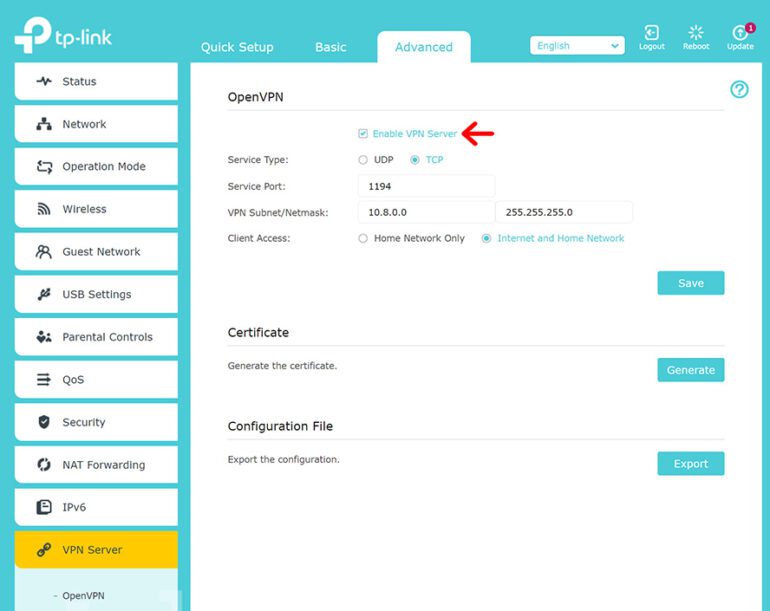
Use a VPN
A VPN (Virtual Private Network) encrypts your internet traffic and hides your IP address, making it difficult for hackers to track your online activities.
-
Keep Your Router Firmware Up-to-Date
Regularly update your router's firmware to ensure that you have the latest security patches and features. This helps to prevent hackers from exploiting vulnerabilities in your router.
-
Use Guest Network
Guest network is a separate network that isolates your guests from your main network. This prevents them from accessing your personal data and devices.
-
Limit Access to Your Network
Limit access to your network by creating a whitelist of authorized devices. This ensures that only trusted devices can access your network.
-
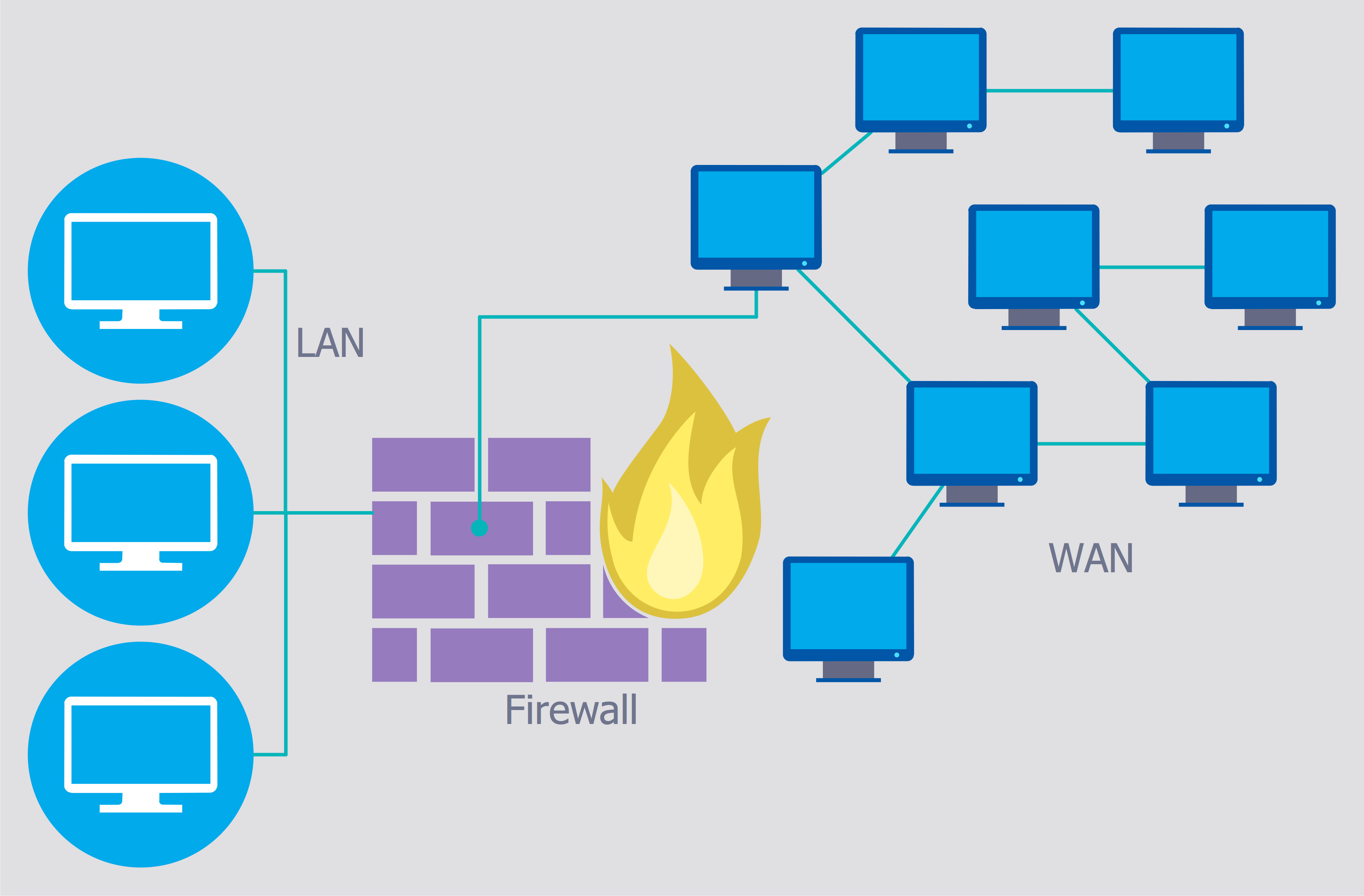
Use a Network Segmentation
Network segmentation involves dividing your network into smaller segments, each with its own security settings. This helps to prevent lateral movement of hackers within your network.
-
Monitor Your Network for Intrusions
Regularly monitor your network for intrusions and anomalies. This helps to detect and prevent cyber threats before they cause significant damage.

Benefits of Continuous Security
Continuous security ensures that your WiFi network is protected from cyber threats 24/7. The benefits of continuous security include:
- Protection of personal data and financial records
- Prevention of unauthorized access and cyber threats
- Protection of devices from hacking and malware
- Enhanced network reliability and uptime
- Improved cybersecurity posture
Conclusion
Securing your WiFi network is essential to protect your personal data, financial records, and professional communications from unauthorized access and cyber threats. By implementing the ways to secure your WiFi network, you can ensure that your devices stay online, your data remains safe, and your smart home or business network continues to function reliably. Remember, continuous security is key to protecting your WiFi network from cyber threats.
![Wi-Fi security: How to protect your wireless network [2026 guide]](https://protectme.blog/wp-content/uploads/2020/09/Protect-Your-Personal-WiFi-480x320.png "Wi-Fi security: How to protect your wireless network [2026 guide]")