Ways to Protect Your Online Identity
In today's digital age, protecting your online identity has become a top priority. With the rise of cyber threats and data breaches, it's essential to take proactive measures to safeguard your personal and financial information. In this article, we'll explore the ways to protect your online identity and provide you with practical tips to stay safe online.
Understand the Risks
Before we dive into the ways to protect your online identity, it's crucial to understand the risks involved. Identity theft is a growing problem, with nearly 50% of consumers experiencing a data breach and one in four Americans being a victim of identity theft. This can lead to financial fraud, damage to your credit score, and long-term consequences.
1. Use Strong Passwords and a Password Manager
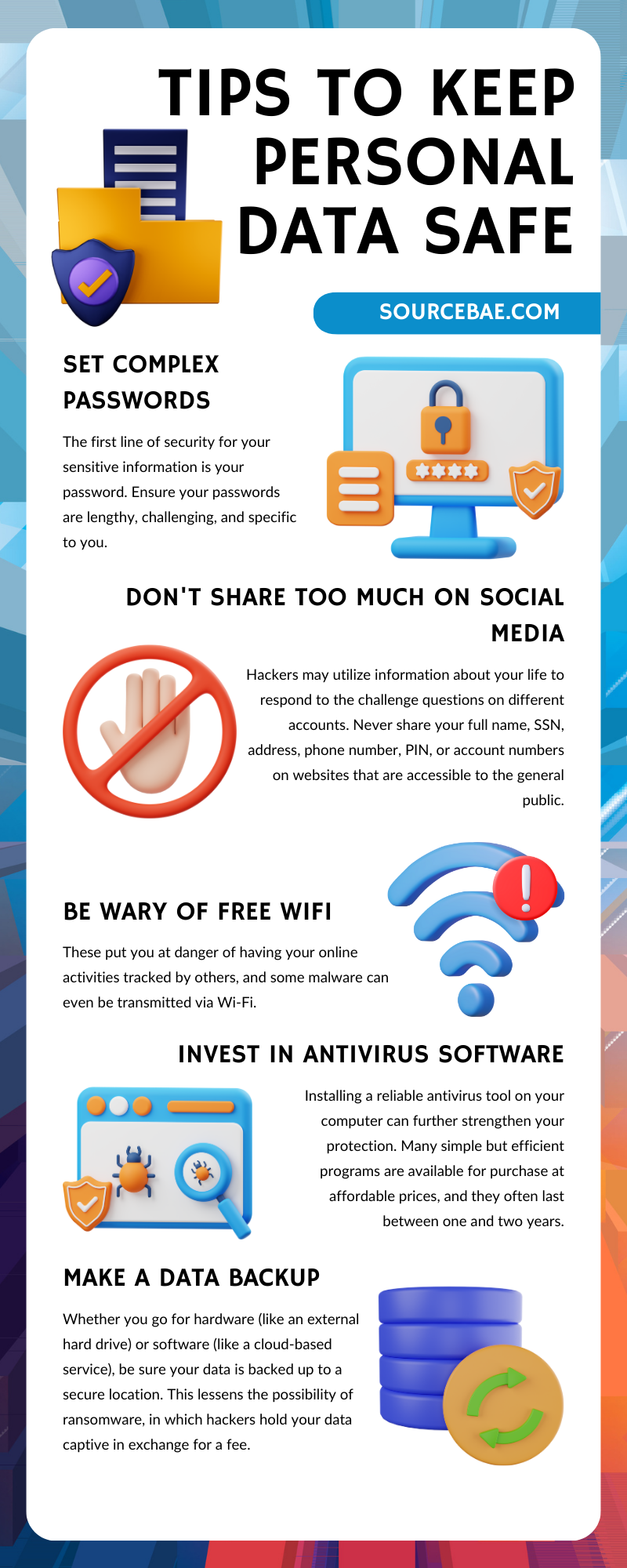
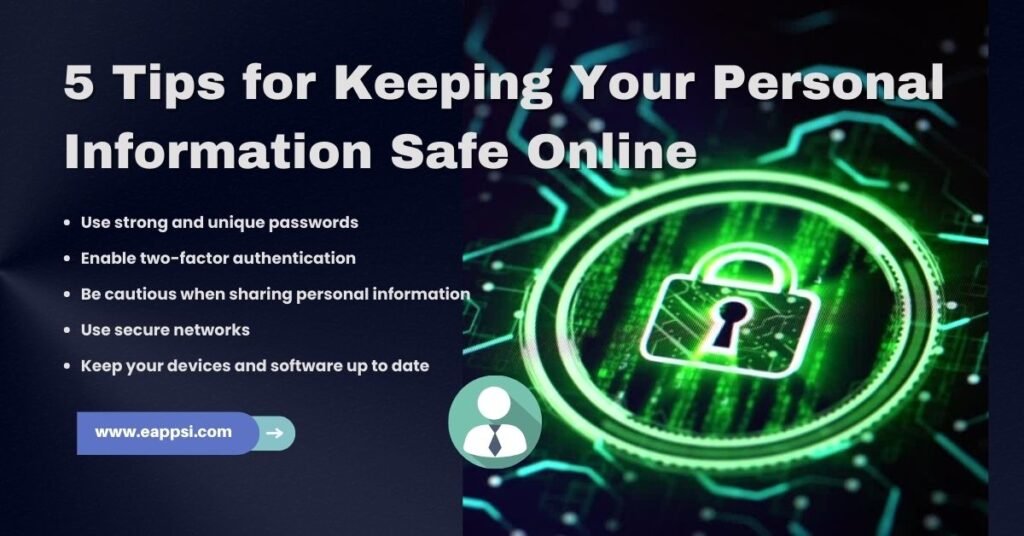
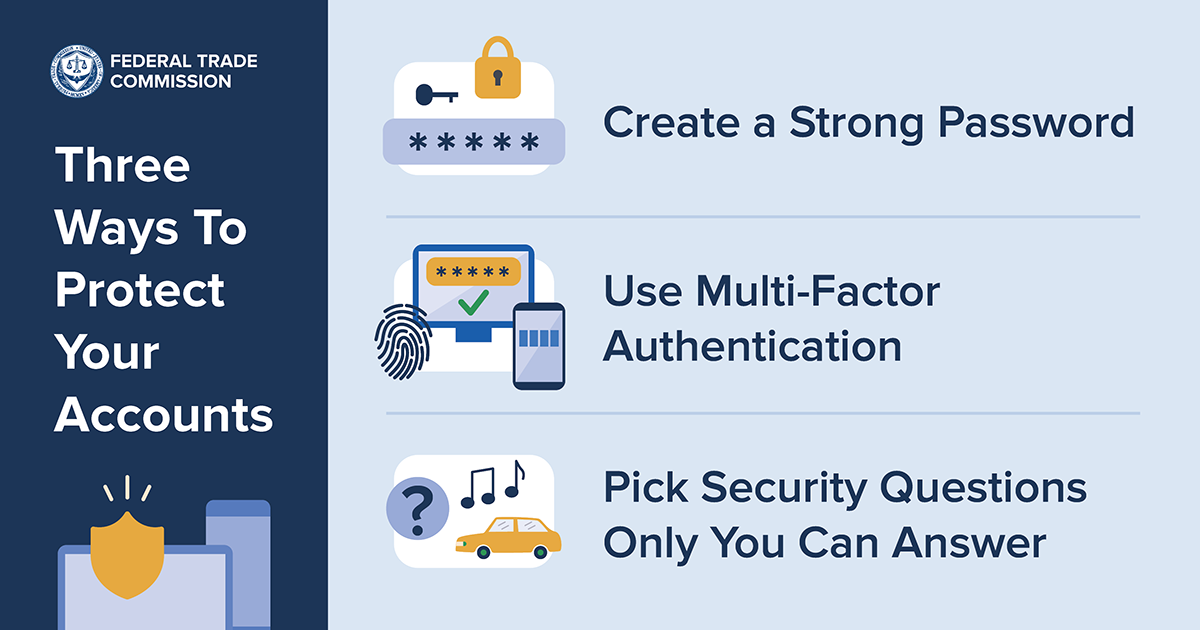
One of the most significant threats to your online identity is password hacking. To prevent this, use strong passwords and consider using a password manager to generate and store unique passwords for each account. This way, even if one account is compromised, your other accounts will remain secure.
2. Enable Two-Factor Authentication (2FA)
2FA adds an extra layer of security to your online accounts by requiring a second form of verification, such as a code sent to your phone or a biometric scan. This makes it much harder for hackers to access your accounts, even if they have your password.
3. Monitor Your Credit Reports
Credit freezes and fraud alerts can help protect you from identity theft. A credit freeze prevents anyone from accessing your credit report, while a fraud alert notifies lenders to verify your identity before issuing credit. You can place a freeze or alert on your TransUnion credit report online for free.
4. Use Encryption and Secure Browsing
When transmitting sensitive information online, use encryption to protect it from being intercepted. Also, use a secure browser extension to alert you to potential phishing scams and malware.
5. Be Cautious with Public Wi-Fi
Public Wi-Fi networks are often unsecured, making it easy for hackers to intercept your data. Avoid using public Wi-Fi for sensitive activities, such as online banking or shopping, and consider using a VPN to encrypt your data.
6. Keep Your Devices and Software Up-to-Date
7. Use a VPN (Virtual Private Network)
A VPN encrypts your internet traffic, making it difficult for hackers to intercept your data. This is particularly important when using public Wi-Fi networks or accessing sensitive information online.
8. Avoid Phishing Scams and Malware
Phishing scams and malware are common tactics used by hackers to steal your personal and financial information. Be cautious with emails and attachments from unknown senders, and avoid downloading software from untrusted sources.
9. Regularly Review Your Online Accounts
Regularly review your online accounts to ensure they are secure and up-to-date. Check for suspicious activity, and report any issues to the relevant authorities.
10. Educate Yourself and Others
Protecting your online identity requires ongoing education and awareness. Stay informed about the latest cyber threats and best practices, and educate your friends and family on how to stay safe online.
Conclusion
Protecting your online identity is a critical aspect of staying safe in the digital age. By following these 10 ways to protect your online identity, you can significantly reduce the risk of identity theft and cyber threats. Remember, online security is a shared responsibility, so stay informed, be cautious, and take proactive measures to safeguard your personal and financial information.
Additional Resources
- Get Safe Online: A UK-based resource providing practical advice on online safety and security.
- Guardio: A VPN and online security solution to protect your devices and data.
- Chase Credit Journey: A free credit monitoring service to help protect your identity.