FOMO in Marketing Planning: Unlocking the Power of Urgency
In today's fast-paced digital landscape, creating a sense of urgency has become a highly effective marketing strategy. Fear of Missing Out (FOMO), a phenomenon that taps into the anxiety of missing out on a valuable experience, has evolved into a powerful psychological trigger that marketers are leveraging to drive consumer behavior. In this article, we'll delve into the concept of FOMO in marketing planning, explore its psychological drivers, and provide actionable strategies to boost conversions.
Understanding FOMO in Marketing
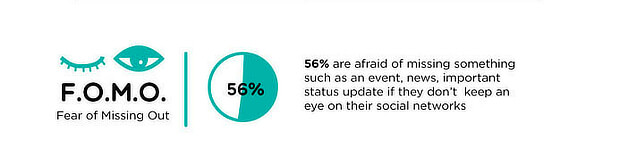
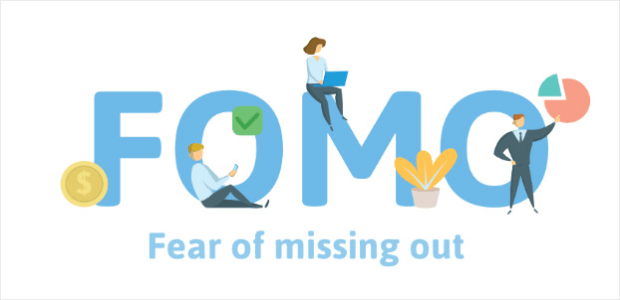
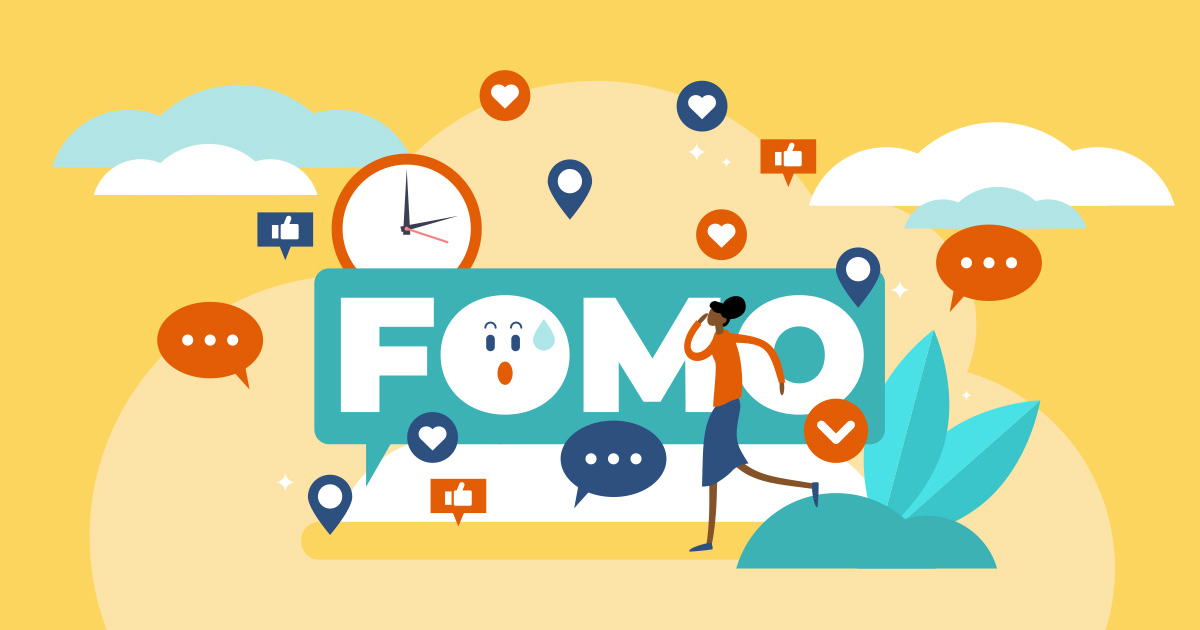
FOMO, or the Fear of Missing Out, is a psychological phenomenon that arises from the anxiety of missing out on a desirable experience or social event. In the context of marketing, FOMO is often used to create a sense of urgency, encouraging customers to act quickly to avoid missing out on a limited-time offer or exclusive opportunity.
Key Drivers of FOMO in Marketing
There are several key drivers of FOMO in marketing, including:
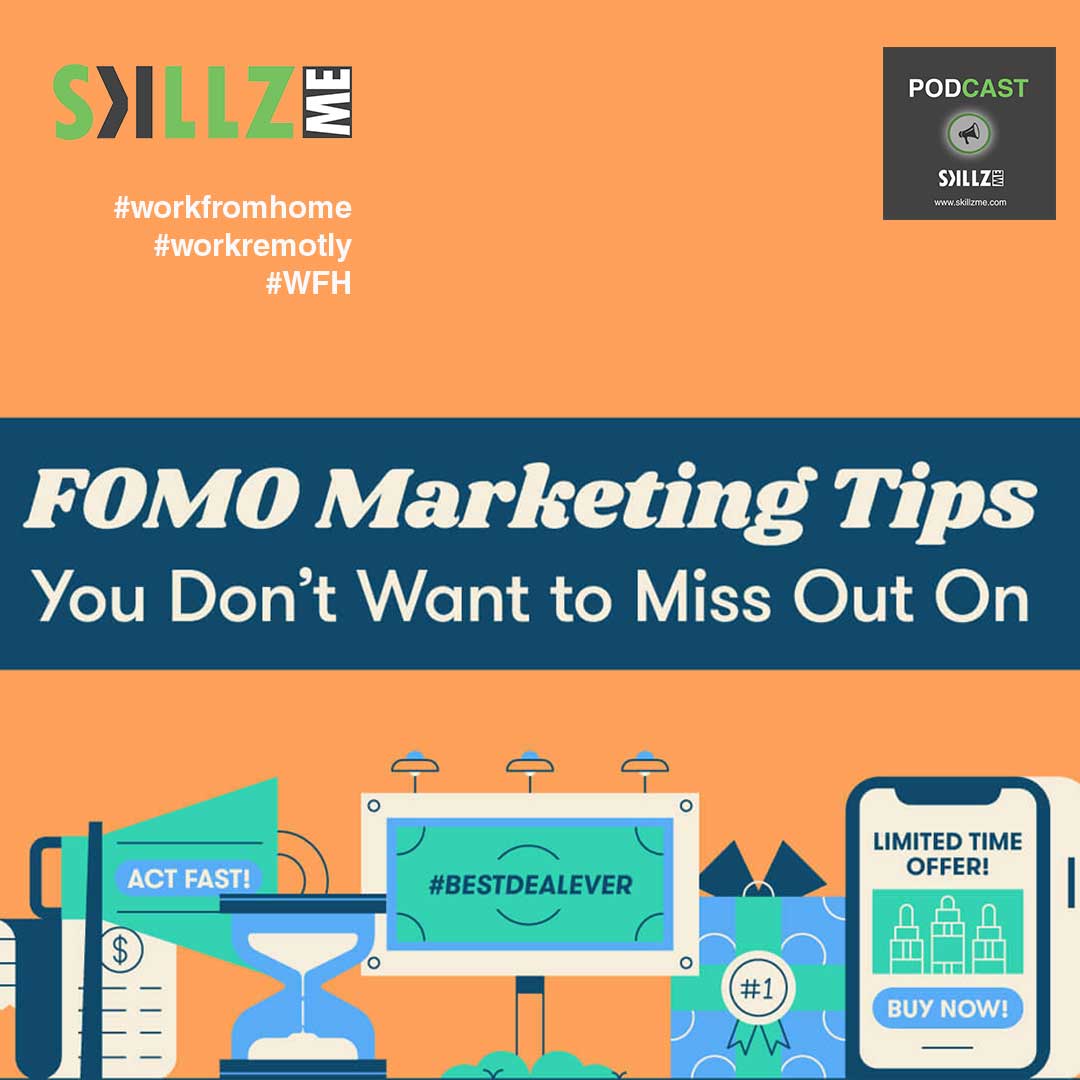
- Scarcity**: Creating a sense of limited availability or exclusivity. For example, offering a limited-edition product or a special early-bird discount.
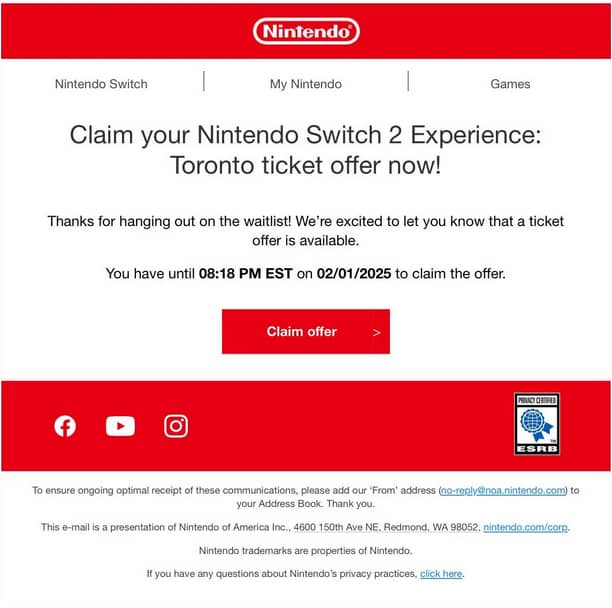
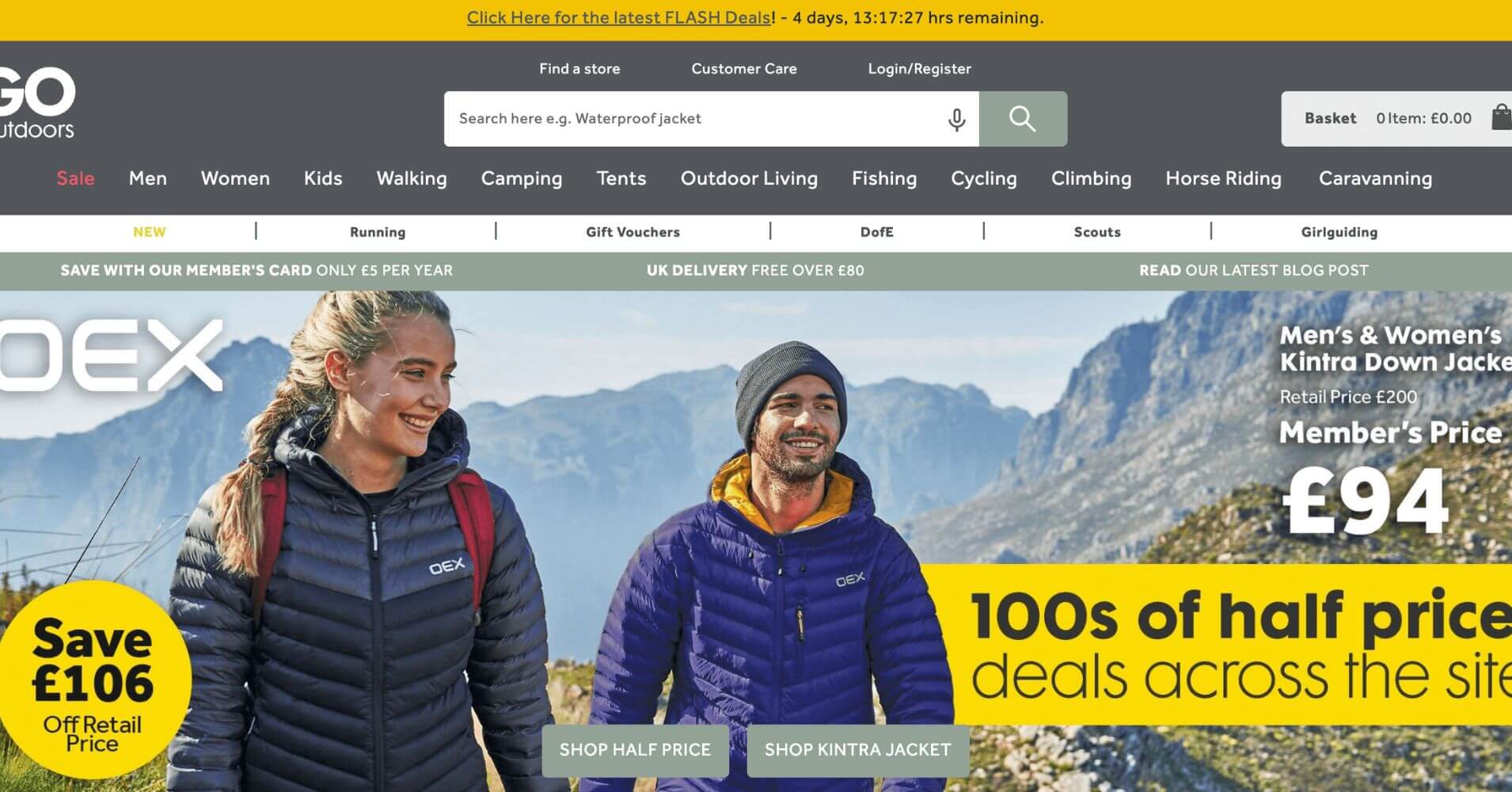
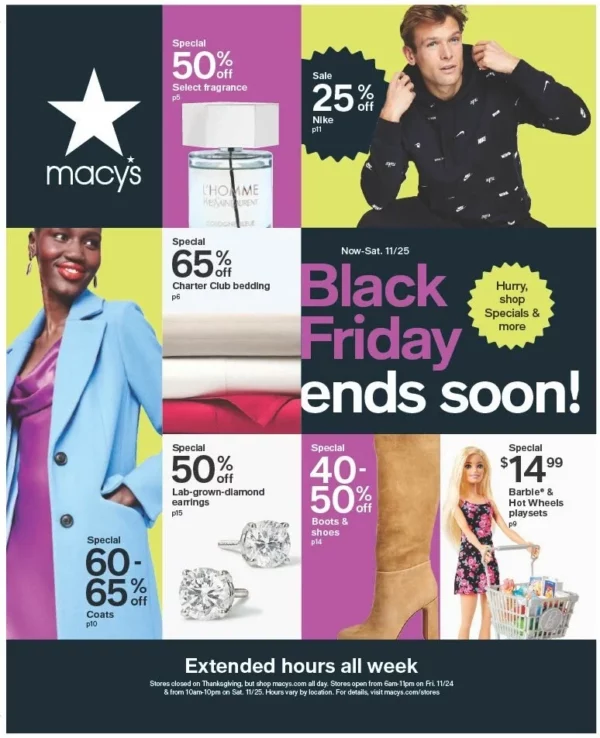
- Urgency**: Creating a sense of time-sensitive decision-making. For example, setting a countdown timer or offering a limited-time promo code.
- Exclusivity**: Creating a sense of exclusivity or VIP access. For example, offering loyal customers early access to new products or exclusive rewards.
Strategies for Leverage FOMO in Marketing Planning
When it comes to incorporating FOMO into your marketing planning, there are several strategies to consider:
1. Create a Sense of Scarcity
Use tactics like limited-edition products, exclusive promotions, or countdown timers to create a sense of scarcity. For example, Starbucks offers a limited-time holiday cup that creates a sense of urgency and exclusivity among customers.
2. Leverage Urgency
Use tactics like time-sensitive offers, limited-time promotions, or deadline-driven events to create a sense of urgency. For example, Amazon offers a limited-time 24-hour sale to create a sense of urgency and encourage customers to shop quickly.
3. Offer Exclusive Opportunities
Use tactics like loyalty rewards, early access, or exclusive events to create a sense of exclusivity. For example, American Express offers exclusive rewards and perks to its loyal customers, creating a sense of exclusivity and encouraging customers to continue using their credit card.
4. Personalize Your Messaging
Use tactics like email marketing, social media, and targeted advertising to create personalized messages that speak to individual customers' interests and needs. For example, a travel company might send a personalized email to customers offering exclusive discounts on a trip they've been eyeing.
5. Capitalize on Social Proof
Use tactics like customer testimonials, reviews, and ratings to create social proof and demonstrate that others have successfully used your product or service. For example, a restaurant might display customer reviews and ratings on their website or social media channels to create a sense of social proof.
Real-World Examples of FOMO in Marketing
Several brands have successfully leveraged FOMO in their marketing campaigns, resulting in significant increases in conversions and sales. Here are a few examples:
- Salon Booking System added $1000 to their sales with FOMO and social proof notifications.
- Starbucks offers a limited-time holiday cup to create a sense of urgency and exclusivity among customers.
- Amazon offers a limited-time 24-hour sale to create a sense of urgency and encourage customers to shop quickly.
Conclusion
FOMO in marketing planning is a powerful strategy for creating a sense of urgency and encouraging customers to act quickly. By leveraging scarcity, urgency, exclusivity, and social proof, marketers can increase conversions and sales. Remember to personalize your messaging, capitalize on social proof, and use real-world examples to demonstrate the effectiveness of FOMO in marketing planning.