The Role of Machine Learning in Cybersecurity
Machines learning is no longer a futuristic concept; it's a reality that's increasingly shaping various domains, including cybersecurity. The role of machine learning in cybersecurity has been gaining significant attention, and for good reason. As the threat landscape continues to evolve, traditional security mechanisms are proving inadequate in detecting and mitigating sophisticated attacks. Machine learning has emerged as an essential tool for bolstering defenses, automating threat detection, and improving incident response.
Enhancing Security with Machine Learning
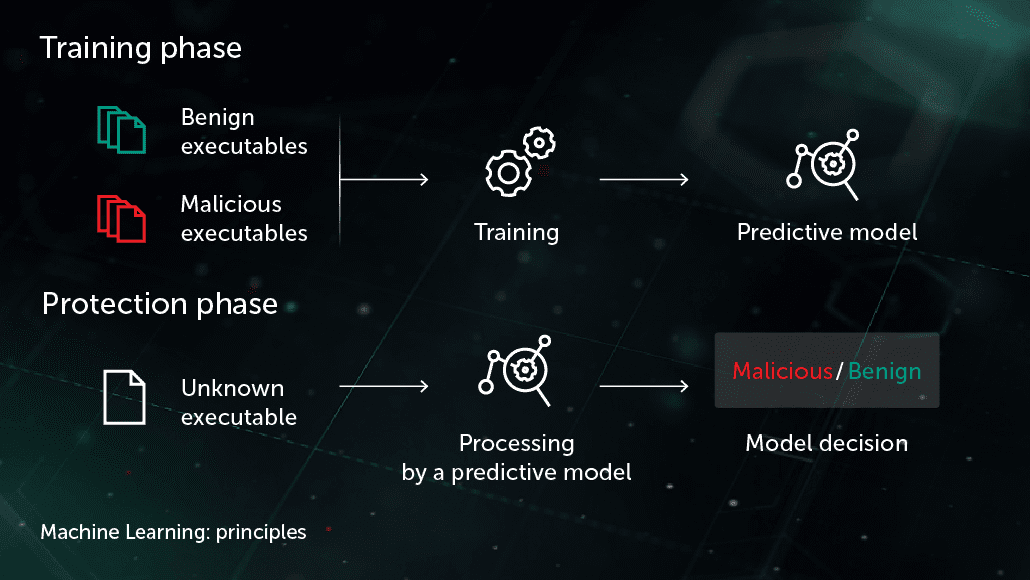
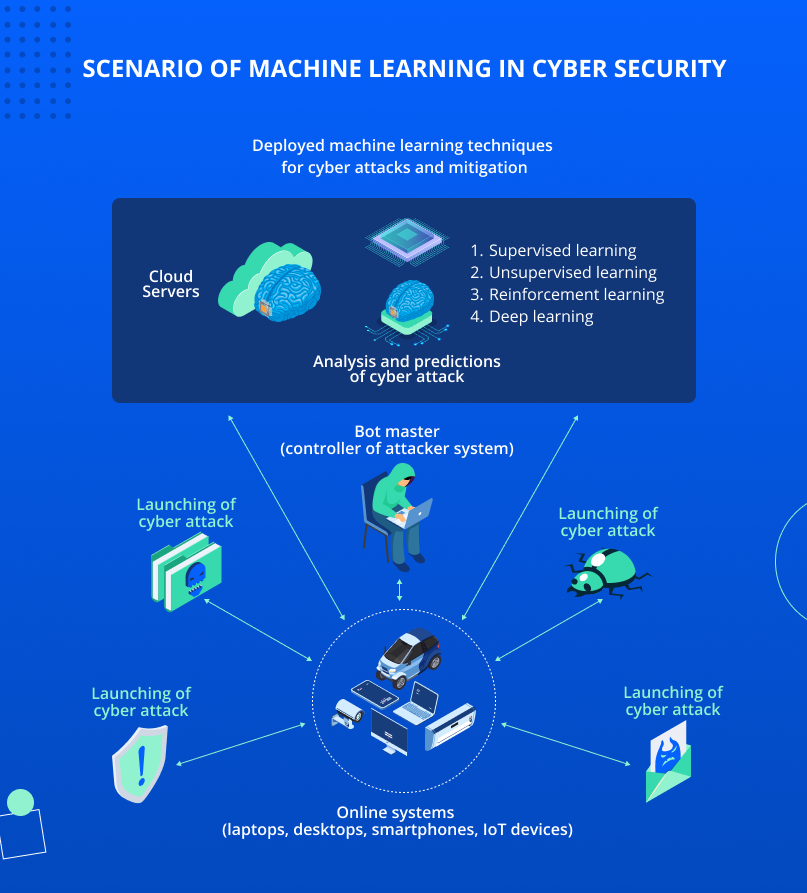
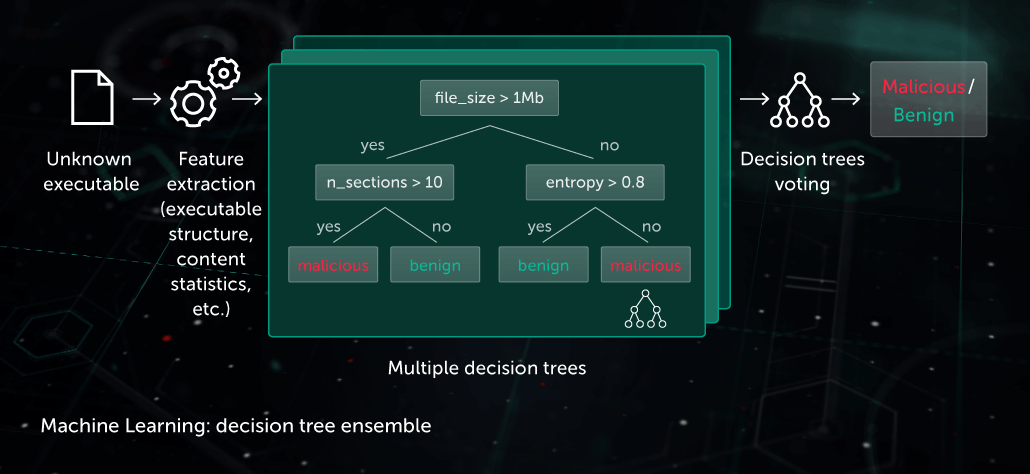
Machines learning enhances cybersecurity by analyzing vast amounts of telemetry data to identify anomalies, malware, and phishing threats in real-time. By leveraging supervised, unsupervised, and reinforcement learning techniques, machine learning can improve detection accuracy, reduce false positives, and scale with growing data. This enables security teams to respond more effectively to emerging threats, containing and neutralizing them before they cause significant damage.
Key Applications of Machine Learning in Cybersecurity
- Behavioral Analytics: Machine learning plays a critical role in behavioral analytics by analyzing user data to identify patterns and anomalies in user behavior.
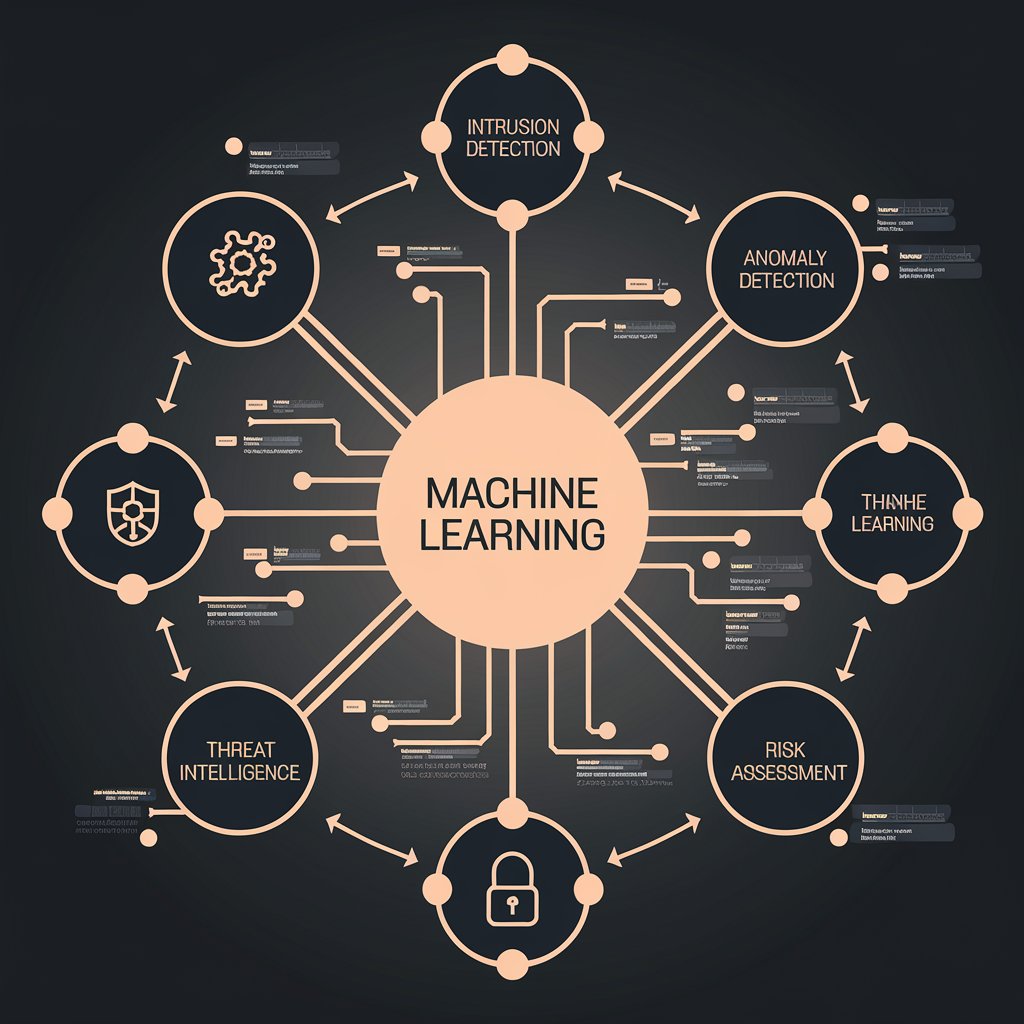
- Threat Detection: Machine learning algorithms can identify complex patterns and anomalies in network traffic, predicate attacks, and unauthorized access attempts.
- Incident Response: Machine learning enables automated incident response, streamlining the process of containing and eradicating threats.
- Predictive Maintenance: Machine learning-powered predictive maintenance helps detect potential security weaknesses and vulnerabilities, enabling proactive mitigation.
Challenges and Limitations of Machine Learning in Cybersecurity
Despite its numerous benefits, machine learning in cybersecurity faces several challenges and limitations, including:

- Data Quality and Imbalance: Poor quality and imbalanced data can lead to inaccurate models and reduced effectiveness in detecting threats.
- Partial Observability: Incomplete visibility into network traffic and system logs can limit the effectiveness of machine learning algorithms.
- Adversarial Attacks: Sophisticated attackers can develop machine learning-powered attacks, utilizing them to evade detection and gain unauthorized access.
Future of Machine Learning in Cybersecurity
The future of machine learning in cybersecurity is promising, with developments in areas like:
- Deep Learning: Advancements in deep learning techniques will enable more accurate threat detection and feature extraction.
- Transparency and Explainability: Developing more transparent and explainable AI models will improve trust and confidence in machine learning-driven security decisions.
- Collaborative Research: Continued collaboration between academia, industry, and governments will drive innovation and accelerate the development of AI-powered cybersecurity solutions.
Conclusion
The role of machine learning in cybersecurity is increasingly crucial in today's threat landscape. By leveraging machine learning's potential, security professionals can improve threat detection, enhance incident response, and strengthen defenses. As the field continues to evolve, we can expect to see more sophisticated applications of machine learning that will play a key role in securing our digital infrastructure.