The Effects of Social Media on Mental Health: Understanding the Impact
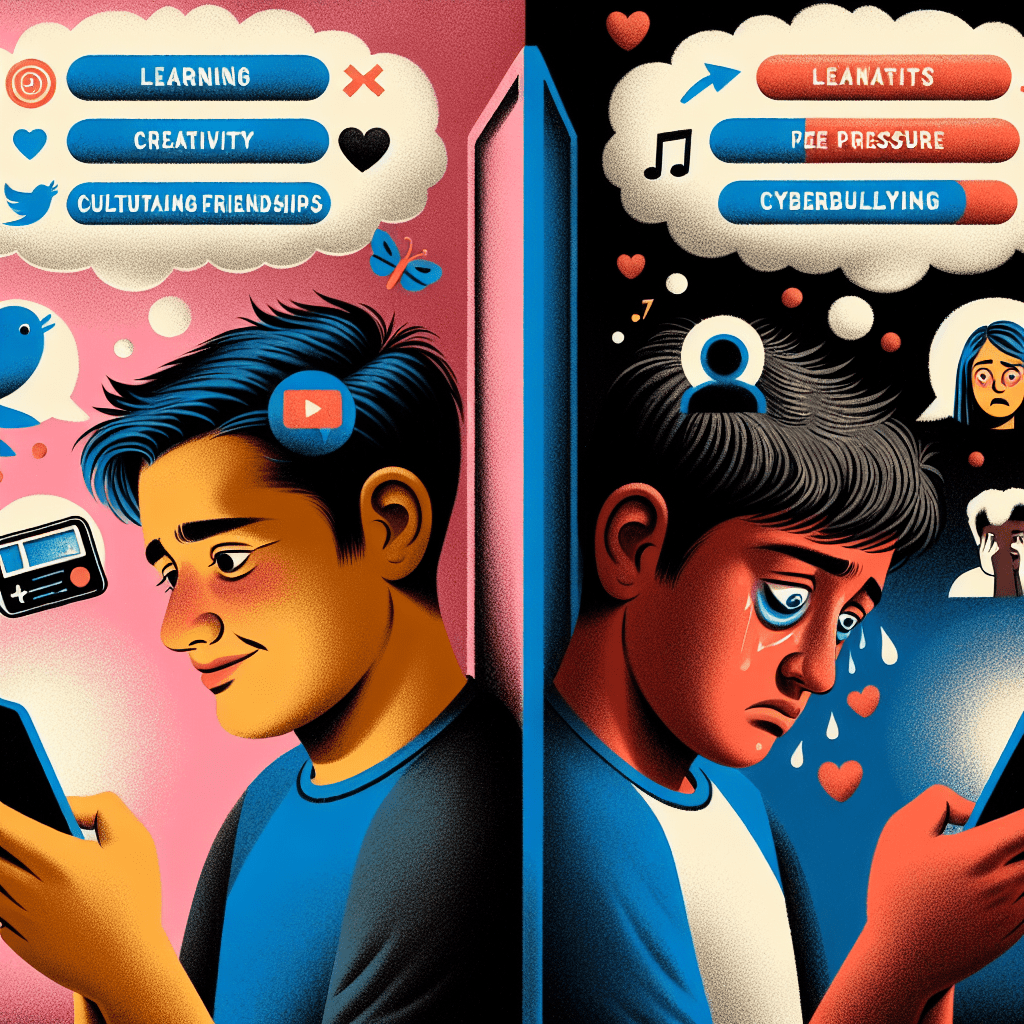
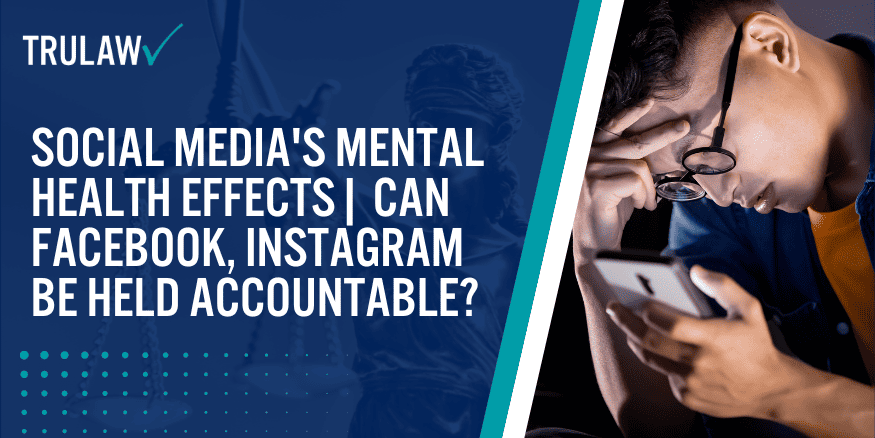
In today's digital age, social media has become an integral part of our daily lives. With millions of people worldwide using platforms like Facebook, Instagram, and Twitter, it's essential to examine the effects of social media on mental health. While social media can have positive effects, such as connecting with friends and family, raising awareness about important issues, and providing peer support, excessive use can have detrimental effects on mental wellbeing and happiness.
Positive Effects of Social Media on Mental Health
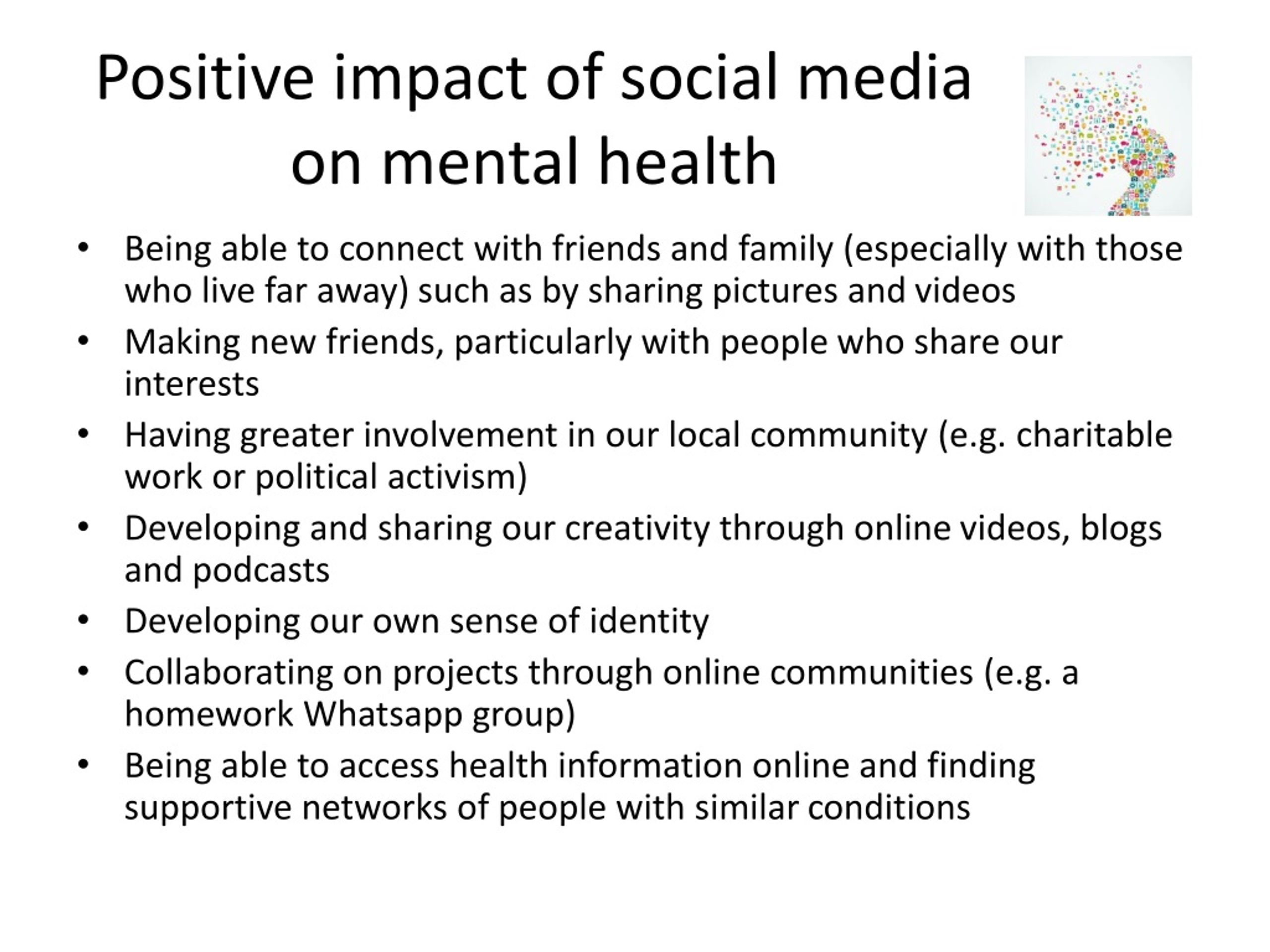
- Connection and Community: Social media platforms provide opportunities for socialization, self-expression, and connection with others who share similar interests and experiences.
- Mental Health Support: Online communities and support groups can offer a safe space for individuals to share their experiences, receive support, and connect with others who understand their struggles.
- Self-Discovery and Expression: Social media can be a powerful tool for self-expression and self-discovery, allowing individuals to share their thoughts, feelings, and experiences with others.
Negative Effects of Social Media on Mental Health
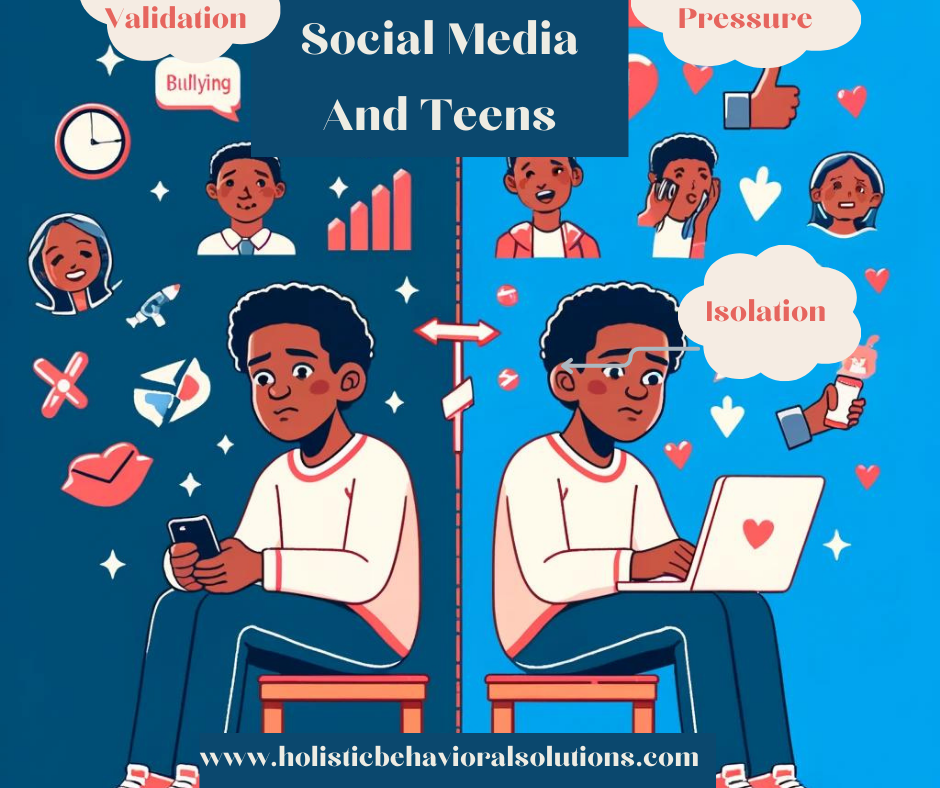
- Comparison and Envy: Social media platforms showcase the highlight reels of others' lives, encouraging comparison and envy. This can lead to feelings of inadequacy, low self-esteem, and depression.
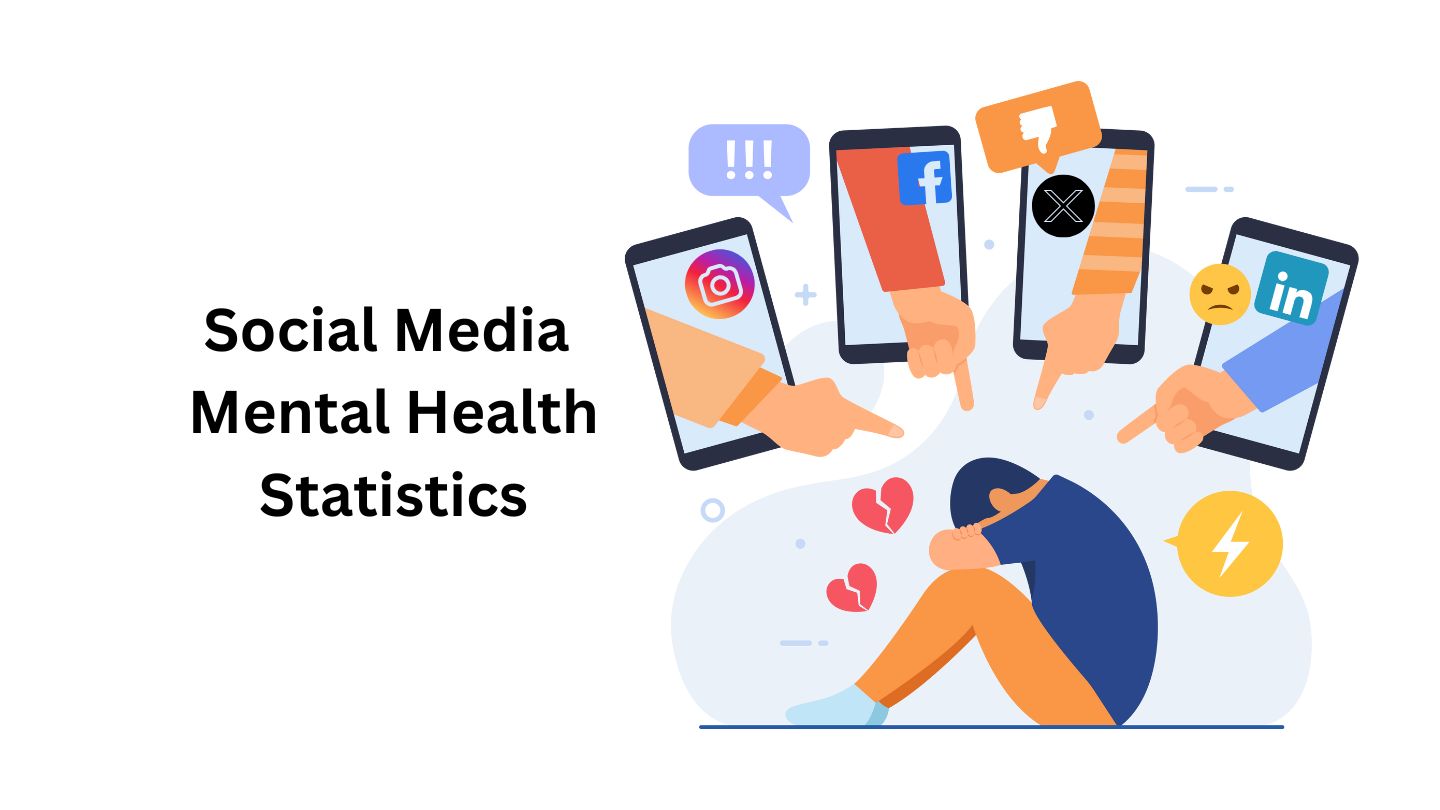
- Anxiety and Stress: Excessive social media use can lead to increased anxiety and stress levels, as individuals feel pressure to present a perfect online image and manage the constant stream of information.
- Social Isolation: While social media can connect us with others, excessive use can also lead to social isolation, as individuals substitute online interactions for in-person connections.
Understanding the Impact of Social Media on Mental Health
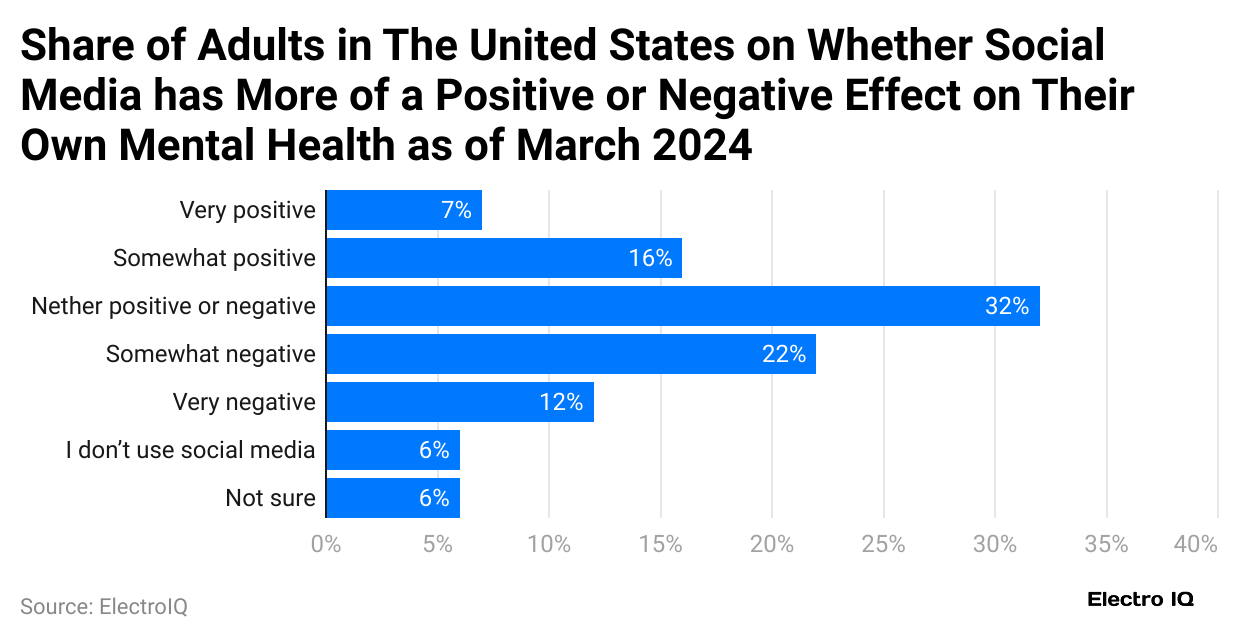
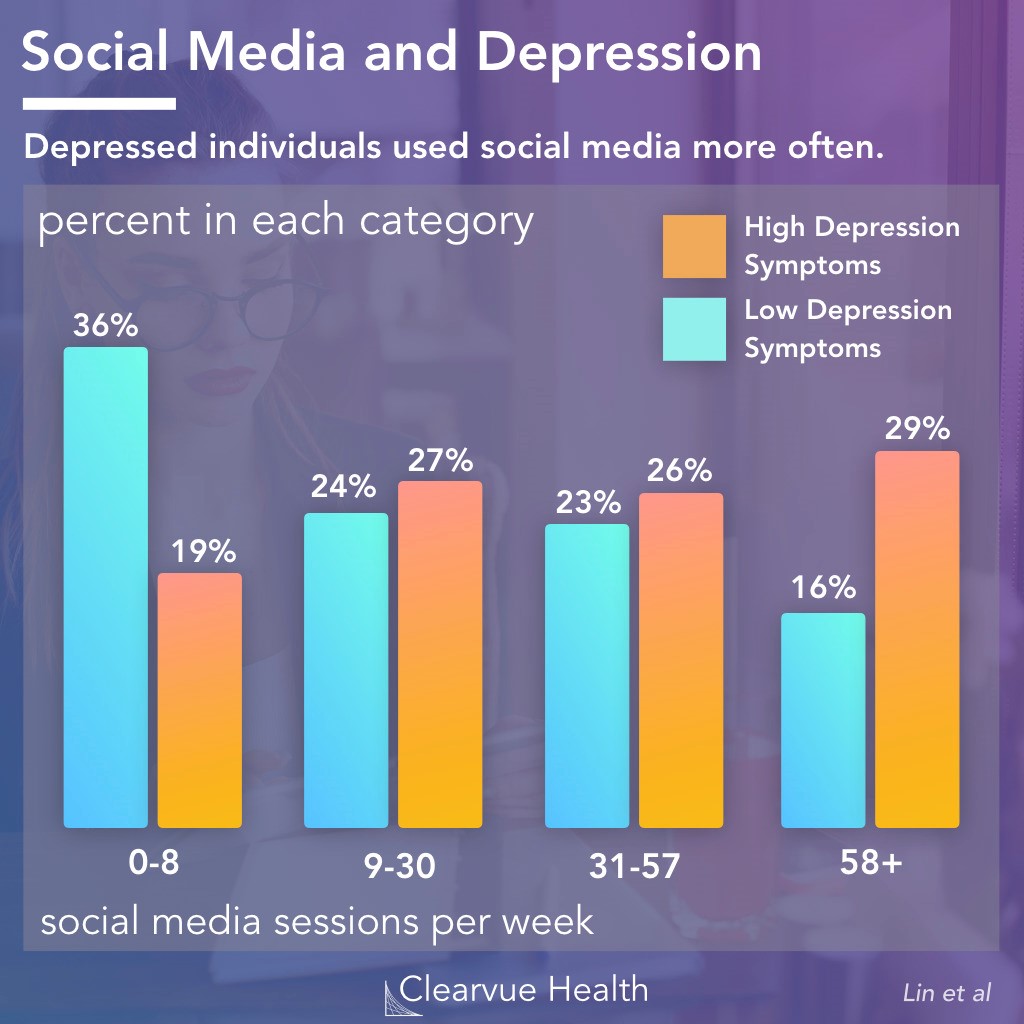
Research has shown that excessive social media use can have negative effects on mental health, including anxiety, depression, and social isolation. A 2020 study published in the Journal of Adolescent Health found that teenagers who spent more time on social media were more likely to experience depression and anxiety.
Another study published in the Journal of Psychiatric Research found that adults who used social media excessively were more likely to experience symptoms of depression and anxiety, as well as decreased self-esteem and life satisfaction.
Protecting Mental Health in the Age of Social Media
While social media can have negative effects on mental health, there are steps we can take to protect our mental wellbeing in the age of social media:
- Set Boundaries: Establish limits on social media use, and prioritize in-person connections and activities.
- Practice Self-Care: Engage in activities that promote mental wellbeing, such as exercise, meditation, and spending time in nature.
- Seek Support: Connect with friends, family, and mental health professionals for support and guidance.
Conclusion
The effects of social media on mental health are complex and multifaceted. While social media can have positive effects, such as connection and community, excessive use can have detrimental effects on mental wellbeing and happiness. By understanding the impact of social media on mental health and taking steps to protect our mental wellbeing, we can promote a healthier relationship with social media and maintain a positive mental outlook.
References
- European Journal of Pediatric Psychology. (2020). Social media use and mental health in adolescents: A systematic review.
- Journal of Psychiatric Research. (2019). Social media use and symptoms of depression and anxiety in adults: A systematic review and meta-analysis.
- Psychological Science. (2020). Social media use and self-esteem in adolescents: A longitudinal study.