The Dangers of Constant Notifications on Productivity: Understanding the Impact
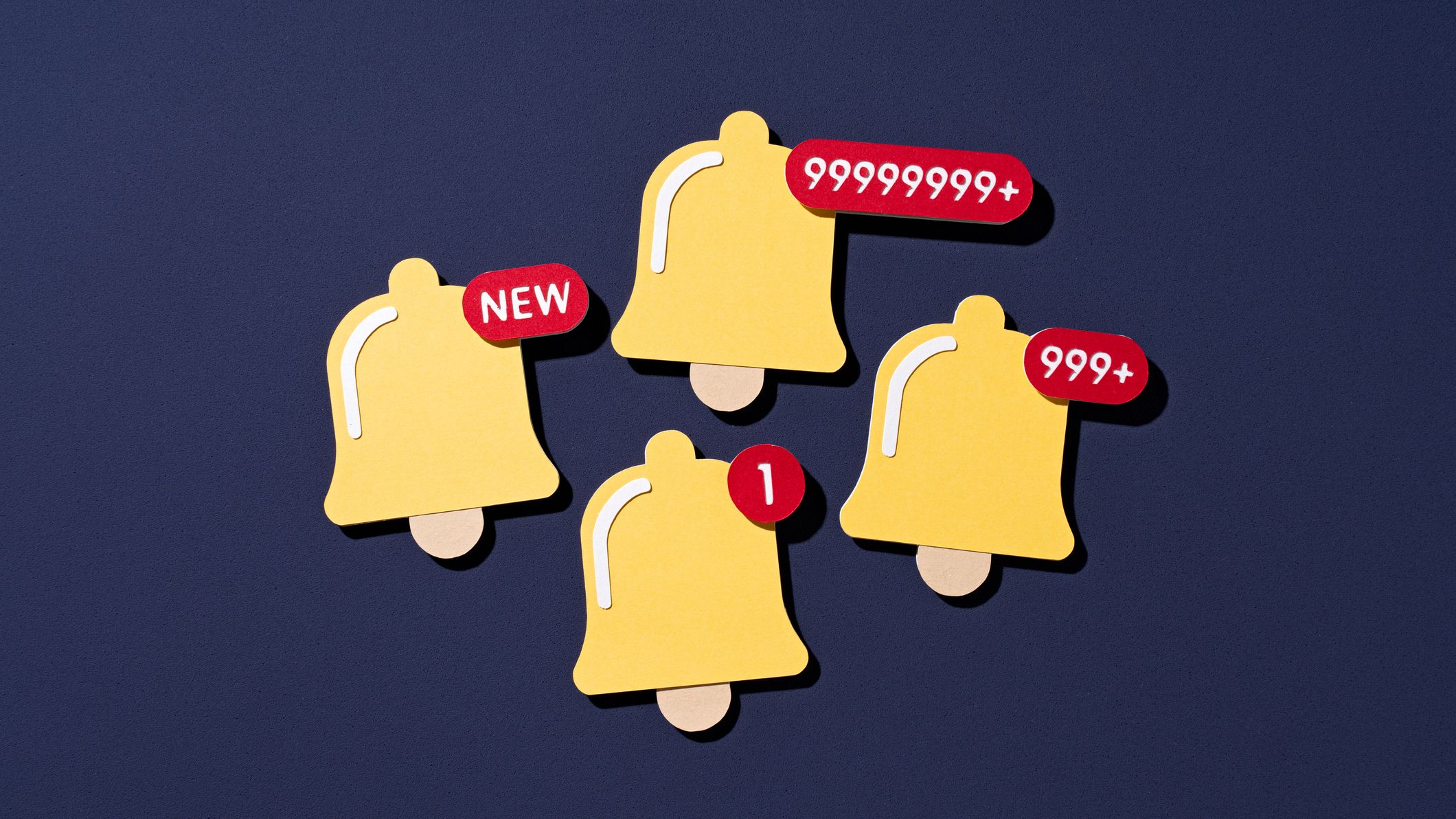
In today's digital age, constant notifications have become an integral part of our daily lives. From smartphones to laptops, we are constantly bombarded with alerts, updates, and reminders. While notifications may seem harmless, the reality is that they can have a significant impact on our productivity, mental health, and overall well-being.
The Hidden Costs of Constant Notifications
Research has shown that constant notifications can lead to a decrease in productivity, poorer concentration, and increased distraction at work and school. A study by the University of California, Irvine found that it takes an average of 23 minutes and 15 seconds to refocus on a task after being interrupted. This means that a single email or message notification can derail deep work for nearly half an hour.
Notification Fatigue: The Silent Killer of Productivity
Notification fatigue, also known as alert fatigue, is a phenomenon where constant notifications overwhelm our attention, causing mental exhaustion, fragmented focus, and reduced productivity. With the constant influx of notifications from social media, messaging apps, and emails, it's no wonder that we're experiencing a decline in productivity and an increase in stress levels.
The Psychology of Notifications: How They Affect Our Attention and Behavior
Notifications have become an integral part of our daily lives, and they serve as constant reminders of pending tasks, social interactions, and professional commitments. But how do they affect our attention and behavior? Research has shown that notifications activate the brain's reward system, releasing dopamine and increasing arousal and distraction. This continuous stimulation can decrease productivity and general mental health by causing stress, impairing focus, and negatively affecting cognitive function.

The Impact of Notifications on Cognition and Well-being
Constant notifications can have a significant impact on our cognition and well-being. They can lead to decreased focus, increased stress, and a decline in mental health. A study by the University of California, Irvine found that constant notifications can lead to a decrease in cognitive performance, including reduced memory and attention span.
Establishing Boundaries Around Notifications
So, how can we establish boundaries around notifications and reclaim control over our productivity and well-being? Here are a few strategies:
- Turn off notifications:** Disable notifications for non-essential apps and enable batched notifications to decrease distraction and increase productivity.
- Customize notification settings:** Set up custom notification settings for each app to ensure that you only receive notifications for important tasks and events.
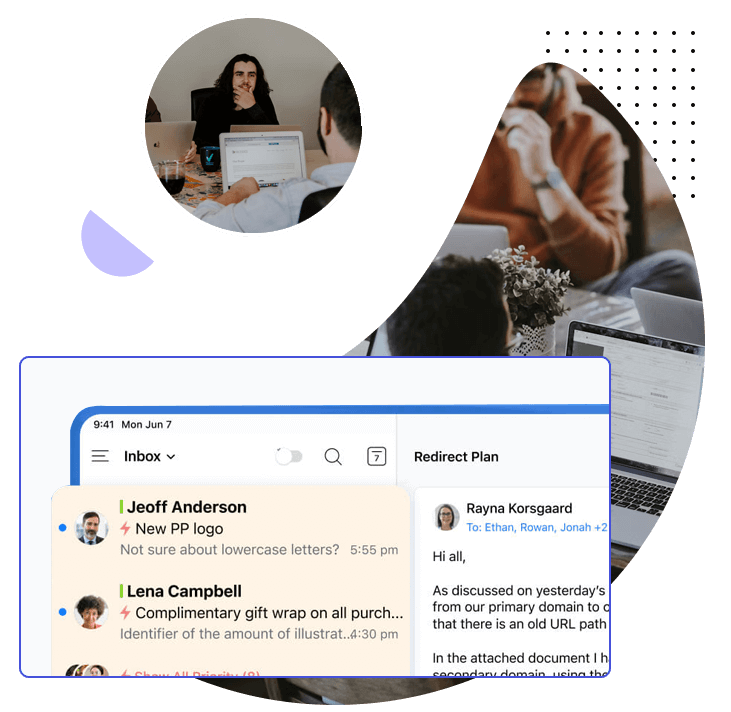
- Use tools to manage notifications:** Utilize tools like Rambox, which allows you to customize alerts, block distractions, and regain control over your notifications.
- Prioritize tasks:** Prioritize tasks and focus on deep work to minimize distractions and maximize productivity.
Conclusion
Constant notifications have become a ubiquitous part of our digital lives, but they can have a significant impact on our productivity, mental health, and overall well-being. By understanding the dangers of constant notifications and establishing boundaries around them, we can reclaim control over our attention and behavior, and achieve a better work-life balance.