Sleep Quality Improvement: 15 Evidence-Based Tips for a Better Night's Sleep
Sleep is a vital component of our daily lives, playing a crucial role in our physical and mental well-being. Unfortunately, many of us struggle with getting a good night's sleep, which can have serious consequences on our health and productivity. In this article, we will explore 15 evidence-based tips to improve sleep quality, helping you to get the restful sleep you deserve.
Understand Sleep Quality Improvement
Sleep quality refers to the satisfaction we get from our sleep experience, encompassing aspects such as sleep initiation, sleep maintenance, sleep quantity, and refreshment upon awakening. Measures and tools for measuring sleep duration and quality vary, and can be classified as objective or subjective.
Tips for Improving Sleep Quality
-
Establish a Consistent Sleep Schedule
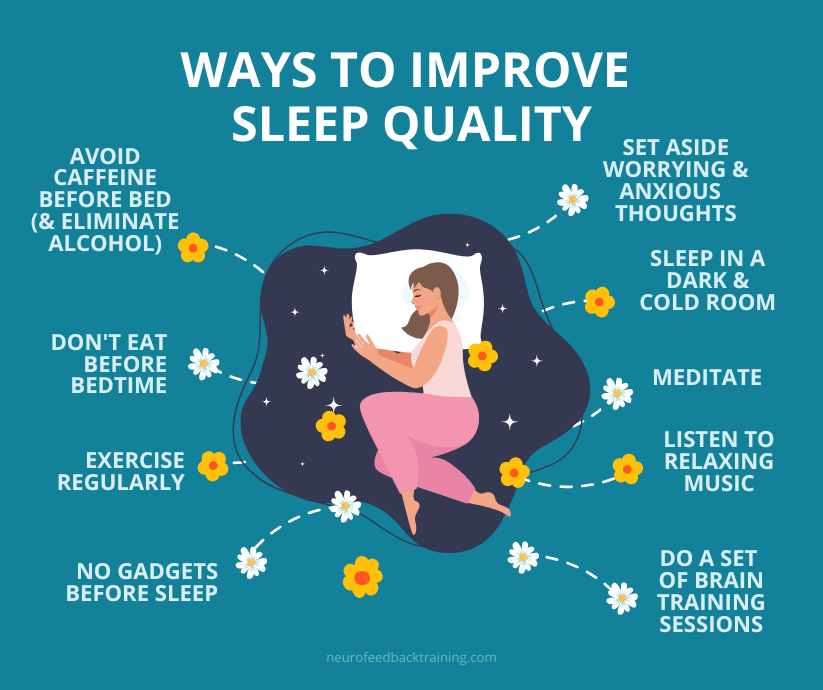
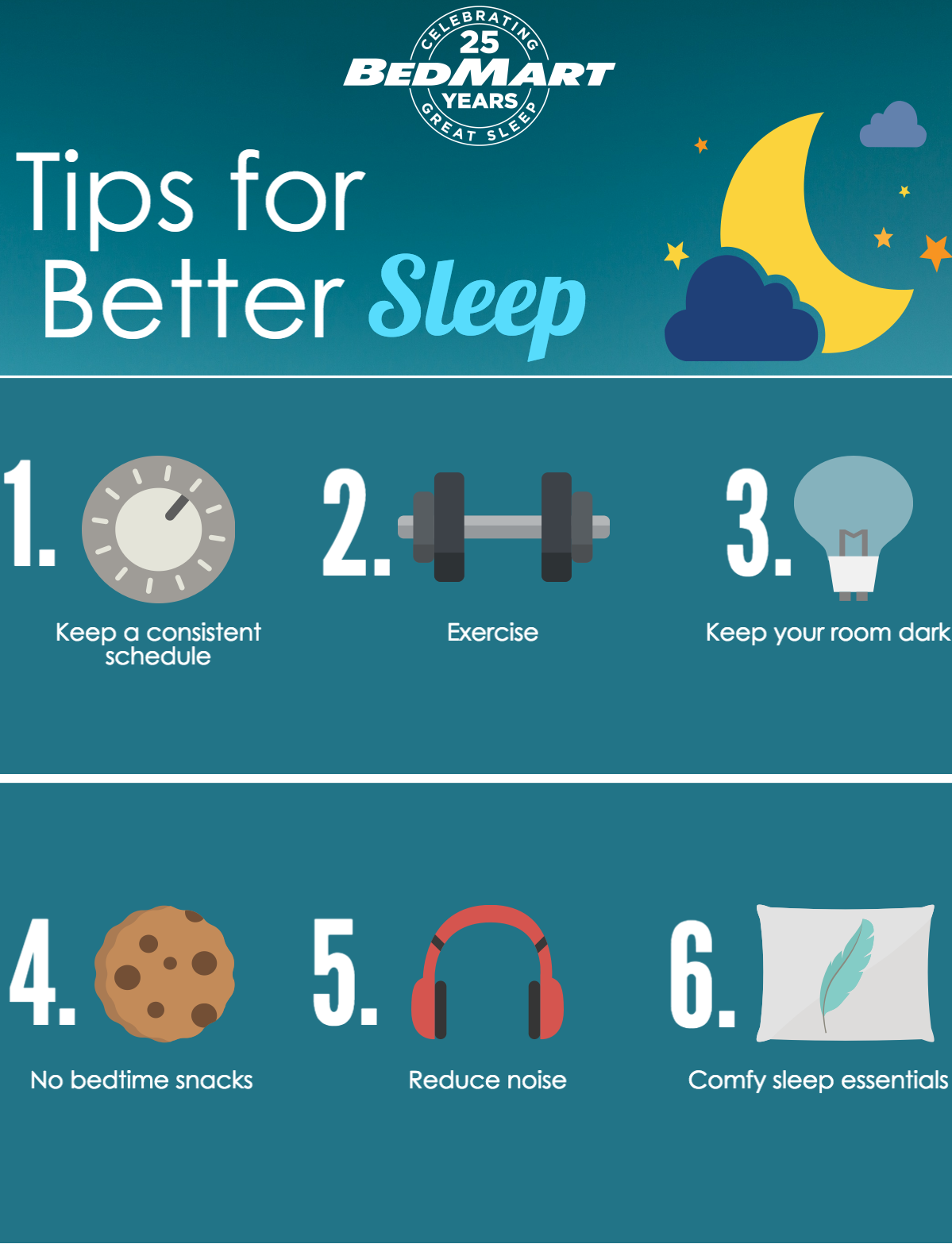
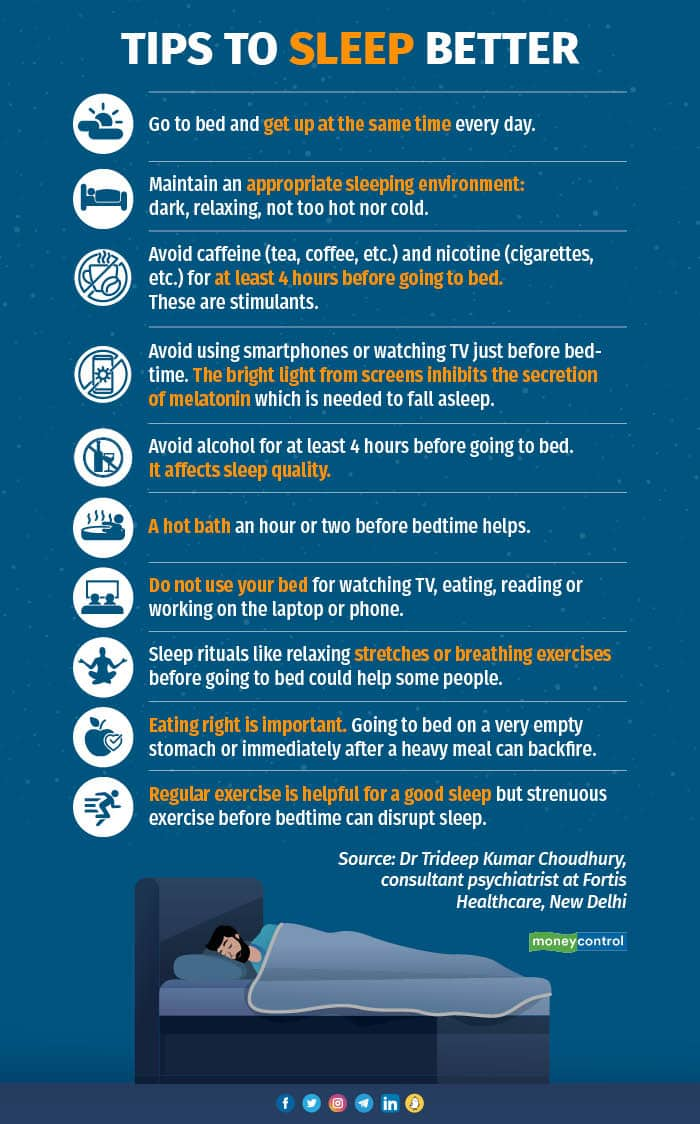
Go to bed and wake up at the same time every day, including weekends, to regulate your body's internal clock.
-
Create a Sleep-Conducive Environment
Make your bedroom a sleep sanctuary by ensuring it is dark, quiet, and cool. Consider using earplugs, a white noise machine, or blackout curtains if necessary.
-
Practice Relaxation Techniques
Engage in stress-reducing activities, such as meditation, deep breathing, or yoga, to calm your mind and body before sleep.
-
Limit Exposure to Screens Before Bed
Avoid using electronic devices, such as smartphones, tablets, or laptops, at least an hour before bedtime, as the blue light they emit can interfere with your sleep.
-
Exercise Regularly
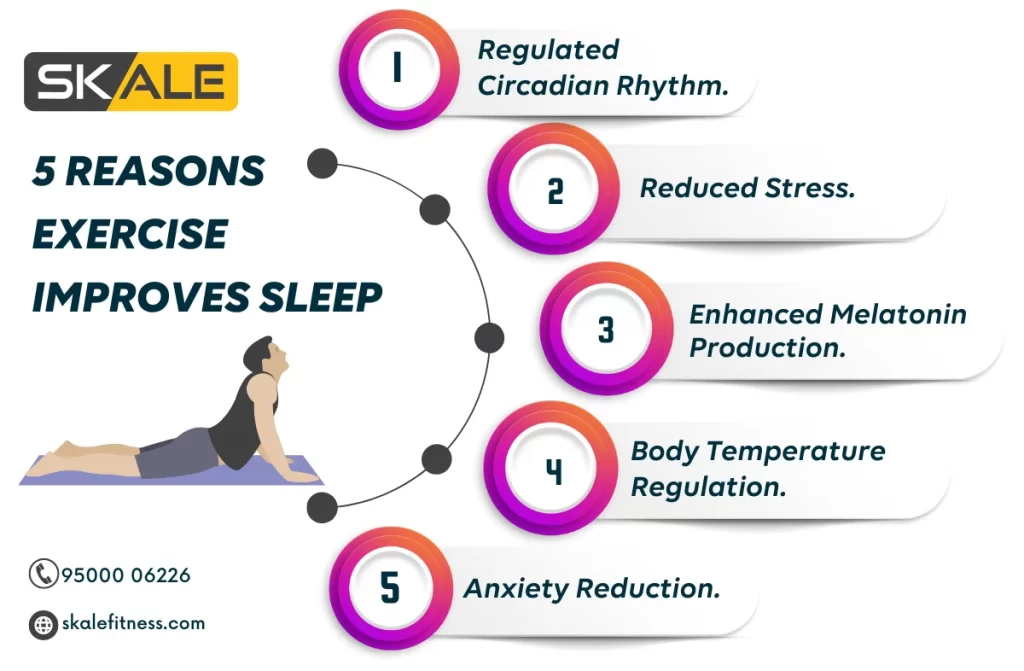
Regular physical activity can help improve sleep quality by reducing stress and promoting relaxation. Avoid vigorous exercise within a few hours of bedtime, however.
-
Eat a Sleep-Promoting Diet
Include sleep-friendly foods, such as complex carbohydrates, lean proteins, and healthy fats, in your diet, and avoid heavy meals close to bedtime.
-
Avoid Stimulants and Caffeine
Limit or avoid consuming stimulants, such as caffeine, nicotine, and energy drinks, especially in the afternoon and evening, as they can disrupt sleep.
-
Manage Stress and Anxiety
Engage in stress-reducing activities, such as journaling, talking to a friend, or seeking professional help, to manage stress and anxiety that may be affecting your sleep.
-
Get Morning Sunlight Exposure
Exposure to natural light in the morning helps regulate your circadian rhythms, which can improve sleep quality.
-
Avoid Naps Close to Bedtime
Avoid taking long naps close to bedtime, as they can interfere with your ability to fall asleep and reduce sleep quality.
-
Consider Keeping a Sleep Diary
Tracking your sleep patterns, including the time you go to bed and wake up, can help you identify areas for improvement and make necessary changes.
-
Get Comfortable Bedding and Mattress
Invest in a comfortable mattress and pillows to promote relaxation and improve sleep quality.
-
Limit Liquids Before Bed
Avoid consuming liquids close to bedtime to minimize the need for midnight awakenings and reduce sleep disruptions.
-
Consider Seeking Professional Help
If you continue to struggle with sleep quality, consider consulting a healthcare professional or a sleep specialist for personalized guidance and support.
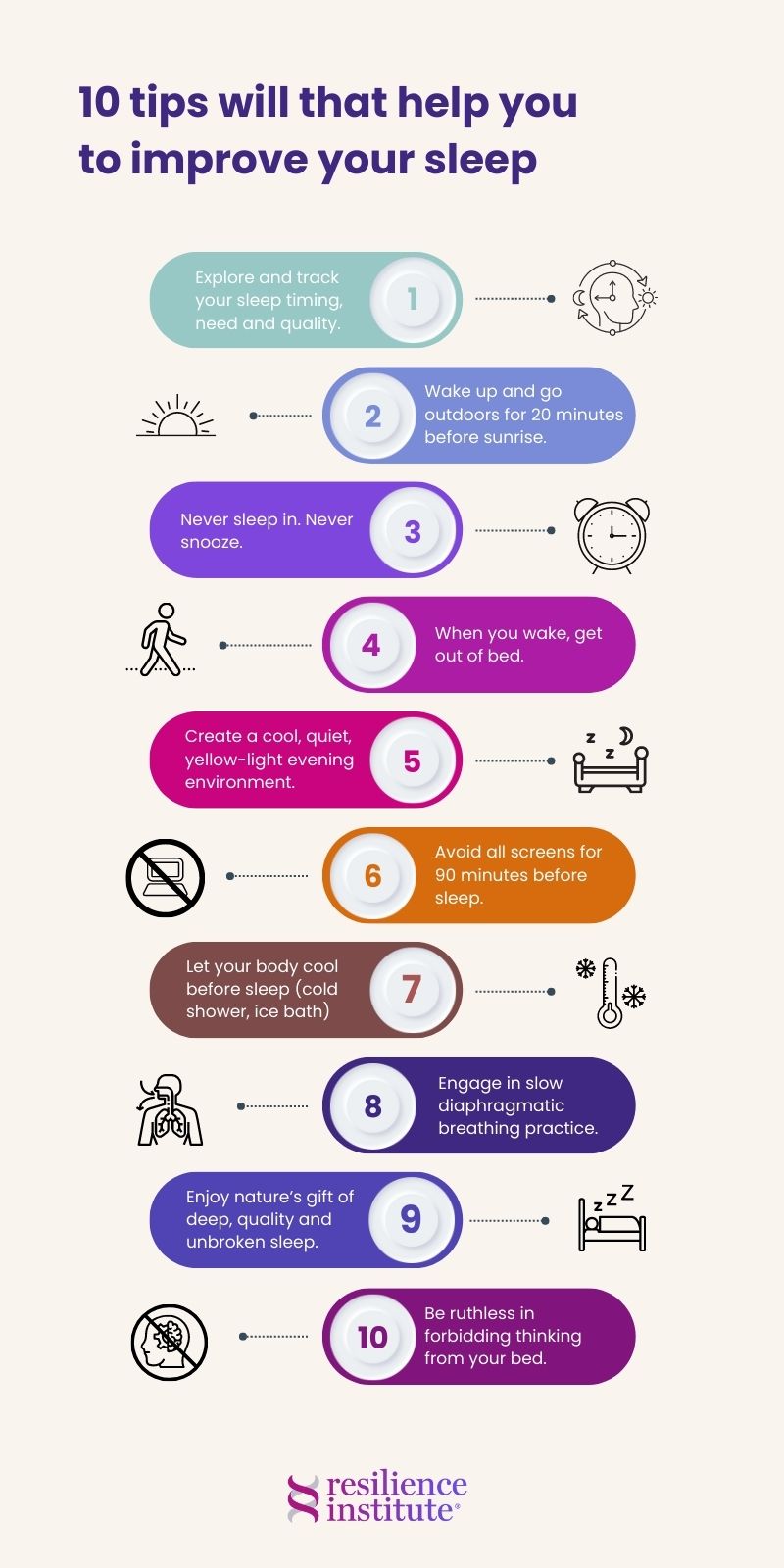
Additional Tips for Improving Sleep Quality
-
Try Relaxing Essential Oils
Essential oils, such as lavender and chamomile, can promote relaxation and improve sleep quality when inhaled before bedtime.
-
Practice Mindfulness Meditation
Mindfulness meditation can help calm your mind and body, reducing stress and promoting relaxation.
-
Get Enough Magnesium
Magnesium is essential for relaxation and sleep quality. Include magnesium-rich foods, such as dark leafy greens and nuts, in your diet or consider taking a magnesium supplement.
Conclusion
Improving sleep quality requires a multi-faceted approach that addresses lifestyle habits, environment, and underlying health factors. By incorporating these evidence-based tips into your daily routine, you can improve sleep quality, enhance your overall health, and wake up feeling refreshed and revitalized.
Remember, everyone's sleep needs are unique, so it may take some trial and error to find what works best for you. Be patient, and don't hesitate to seek professional help if you continue to struggle with sleep quality. With time and practice, you can develop healthy sleep habits that will serve you well throughout your life.