Understanding Attention Deficit Hyperactivity Disorder Symptoms
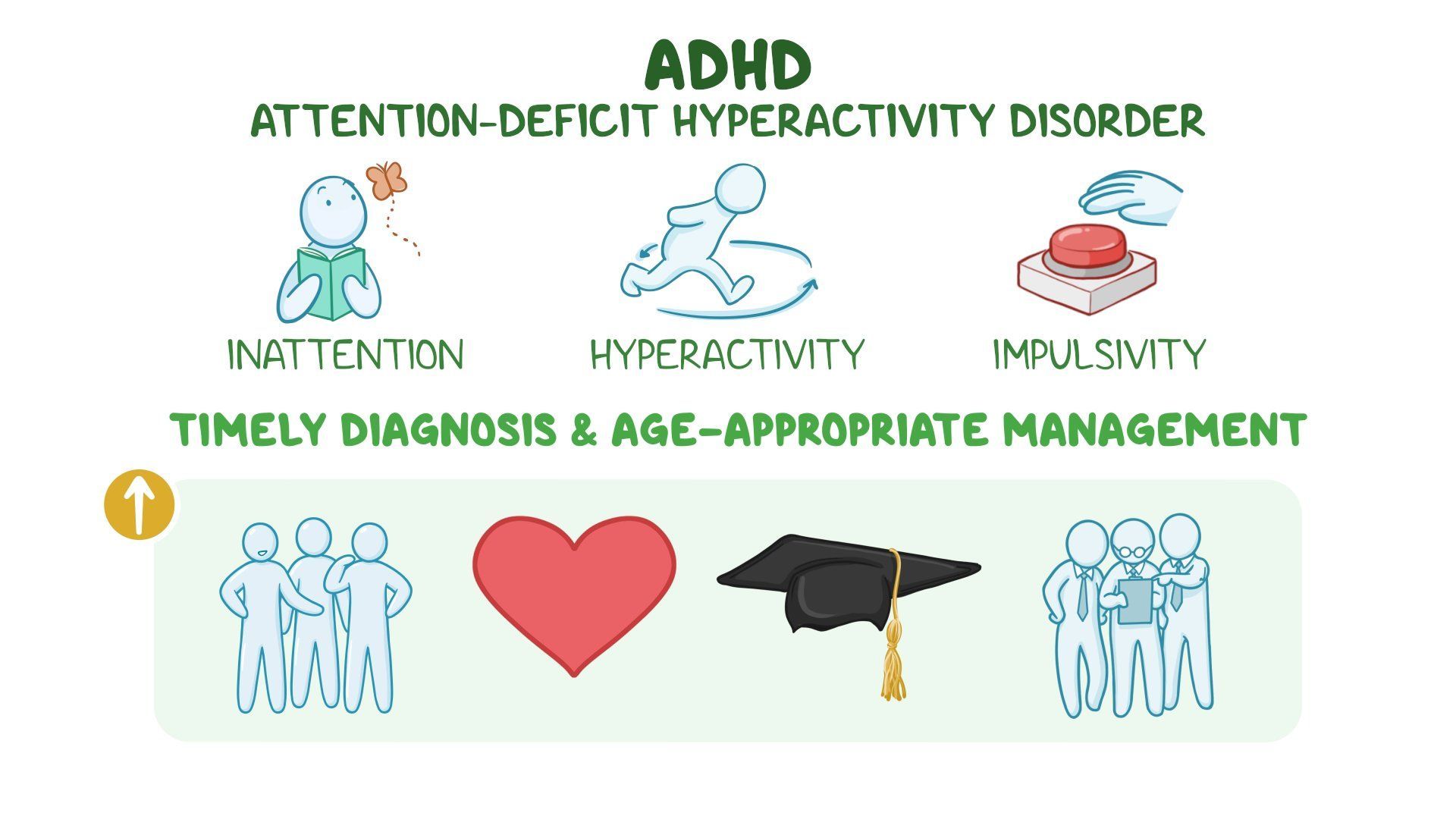
Attention Deficit Hyperactivity Disorder (ADHD) is a neurodevelopmental disorder that affects both children and adults, causing problems with attention, hyperactivity, and impulsivity. The symptoms of ADHD can be challenging to recognize, and it's essential to understand the characteristics of the disorder to identify them accurately. In this article, we will delve into the symptoms of ADHD, their types, and how they impact daily life.What are the Main Features of ADHD?
The main features of ADHD include difficulties with attention, hyperactivity, and impulsivity. These symptoms typically start before the age of 12, and in some cases, they can be seen as early as 3 years old. ADHD symptoms can be mild, moderate, or severe, and they need to be present in two or more settings, such as at home and at school, to be considered a part of the disorder.Inattention Symptoms
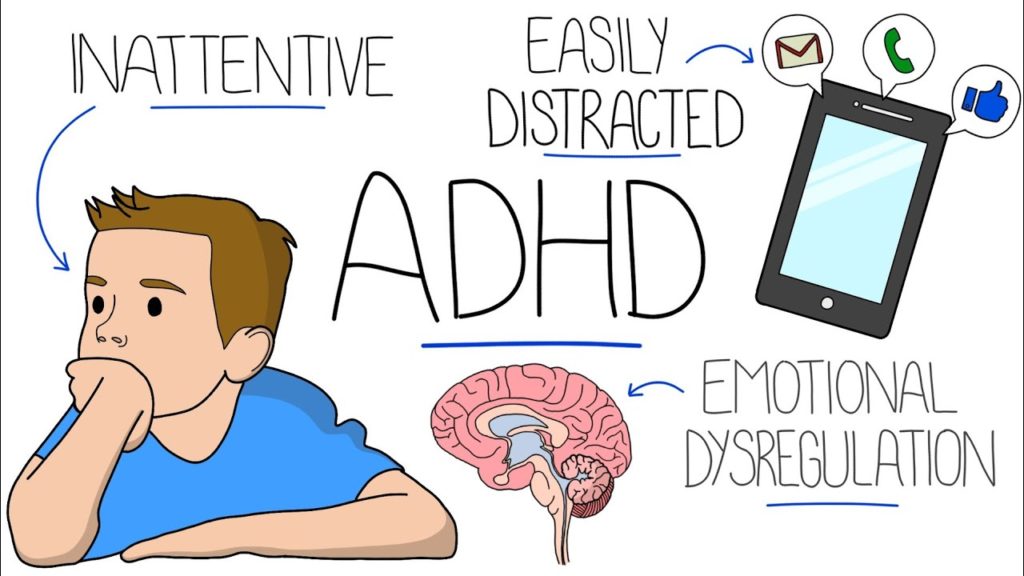
Inattention symptoms are characterized by difficulty paying attention, following instructions, and completing tasks. People with ADHD may have trouble staying organized, remembering details, and meeting deadlines. They may also have difficulty sustaining attention during tasks or activities, leading to frequent interruptions and distractions.Hyperactivity Symptoms
Hyperactivity symptoms involve excessive physical movement, restlessness, and fidgeting. People with ADHD may have trouble sitting still, especially in quiet environments, and they may exhibit excessive running, climbing, or other physical activities. They may also have difficulty engaging in activities that require sustained attention, such as reading or working on puzzles.Impulsivity Symptoms
Impulsivity symptoms involve difficulty controlling impulses, leading to impulsive behaviors. People with ADHD may interrupt others, blurt out answers, or act on impulse without considering the consequences. They may also have difficulty waiting for their turn, leading to interrupting others or taking over conversations.Types of ADHD
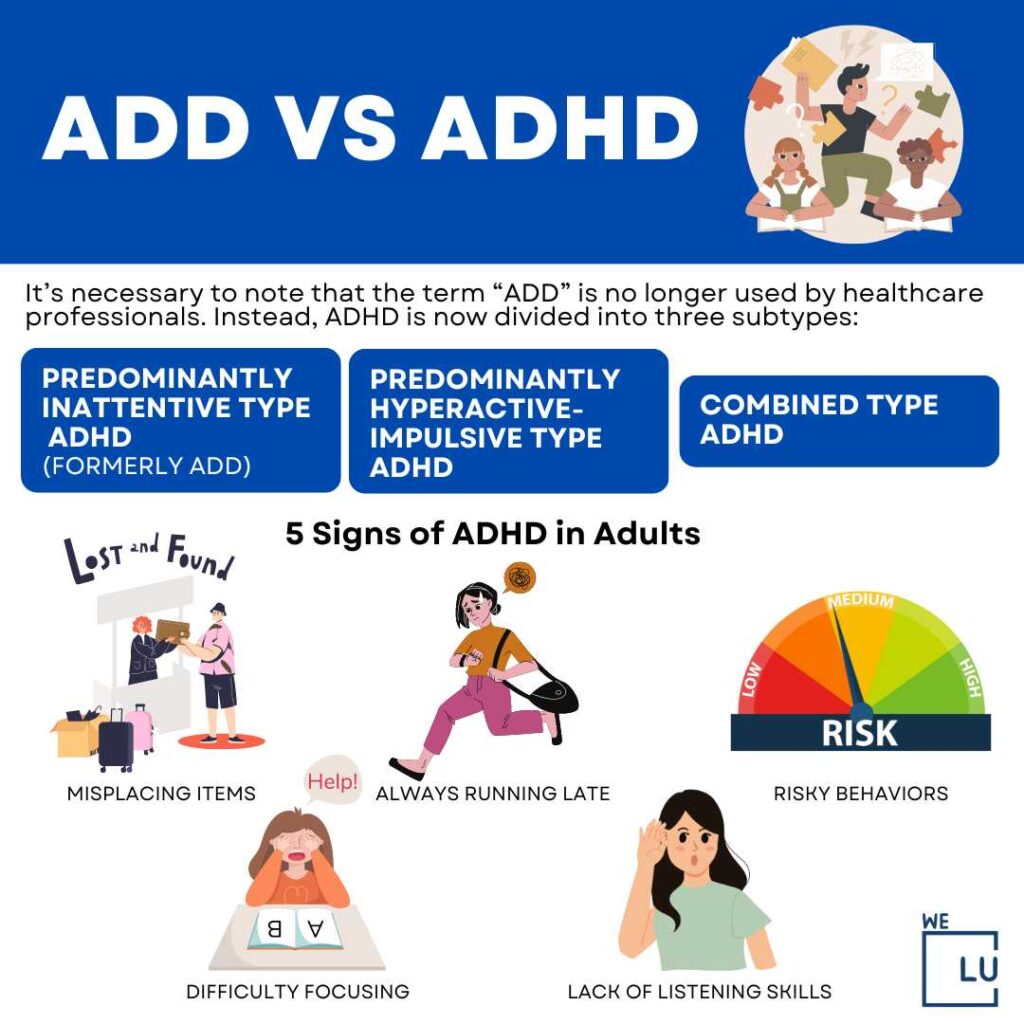
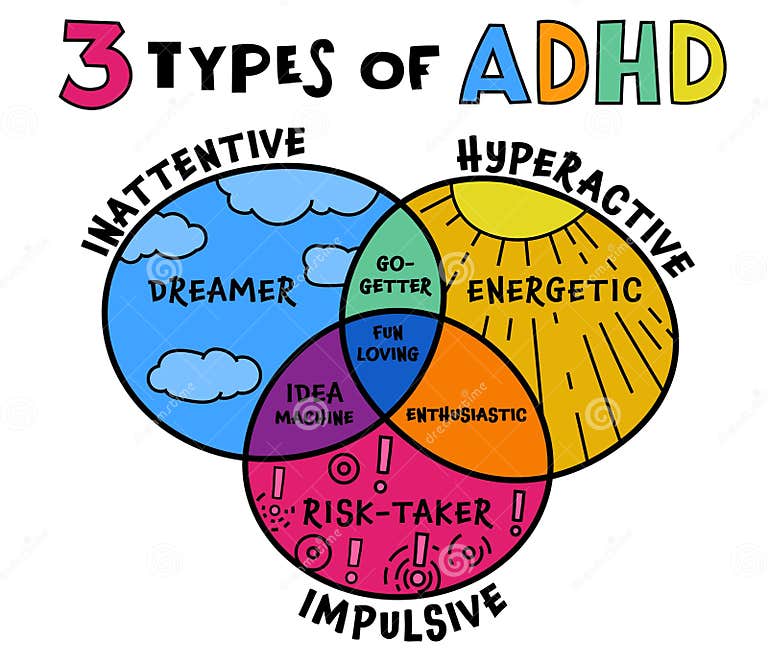
There are three main types of ADHD: predominantly inattentive type, predominantly hyperactive-impulsive type, and combined type. The predominantly inattentive type is characterized by difficulties with attention, such as difficulty staying organized and remembering details. The predominantly hyperactive-impulsive type is characterized by excessive physical movement, restlessness, and impulsivity. The combined type involves a combination of both inattention and hyperactive-impulsive symptoms.ADHD Symptoms in Adults
:max_bytes(150000):strip_icc()/adhd-attention-deficit-hyperactivity-disorder-included-definition-symptoms-traits-causes-treatment-5084784_final-bc92546bc9df465ea7f13fc423c2085b.jpg)