Remove Digital Footprints from Search Results: A Comprehensive Guide
Have you ever wondered how to remove digital footprints from search results? In today's digital age, our online presence is more extensive than ever, and it's essential to take control of our personal data. In this article, we'll explore the concept of digital footprints, their significance, and ways to minimize and delete them from search results.
What is a Digital Footprint?
A digital footprint refers to the trail of information we leave behind while interacting with the internet. It includes our browsing history, online reviews, social media interactions, and more. This data is created both actively and passively, leaving a permanent record of our online activities.
Why is it Important to Remove Digital Footprints?
The importance of removing digital footprints lies in the potential risks they pose to our privacy and cybersecurity. Anyone with access to search engines or advanced software can track our activities, behavior, preferences, and opinions by following our digital trails. A large digital footprint increases the risk of:
- Cyber attacks and identity theft
- Harassment and online abuse
- Reputation damage and online surveillance
Types of Digital Footprints
There are several types of digital footprints, including:
- Social media interactions: Social media profiles, posts, comments, and likes
- Browser histories: Browsing history, search queries, and visited websites
- Online purchases: Shopping history, transaction records, and payment information
- Public records: Name, address, phone number, and other personal data
- Document identification: Documents, such as ID cards, passports, and driver's licenses
Ways to Remove Digital Footprints from Search Results
While you cannot completely erase your digital footprint, you can minimize and delete it using the following methods:
1. Delete Inactive Accounts
Close and delete unused accounts to reduce the visibility of your personal information. Use tools like Google's "Delete Account" feature to quickly and safely remove your accounts.
2. Opt Out of People Search Sites
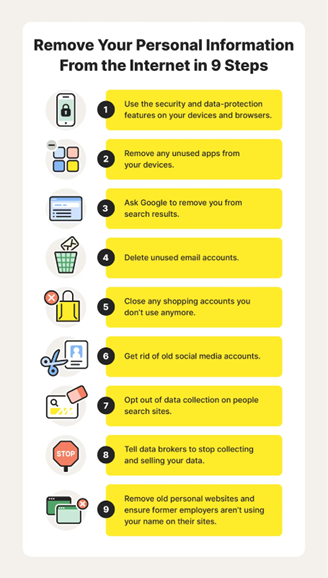
Remove your information from people search sites and data brokers by using services like BeenVerified or Whitepages OptOuts.
3. Adjust Privacy Settings
Review and adjust your privacy settings on social media platforms, streaming services, and online accounts to limit data collection and sharing.
4. Use a Private Search Engine
Switch to a private search engine like DuckDuckGo, which prioritizes user privacy and doesn't collect personal data. This can significantly reduce your digital footprint.
5. Remove Sensitive Personal Data from Search Results
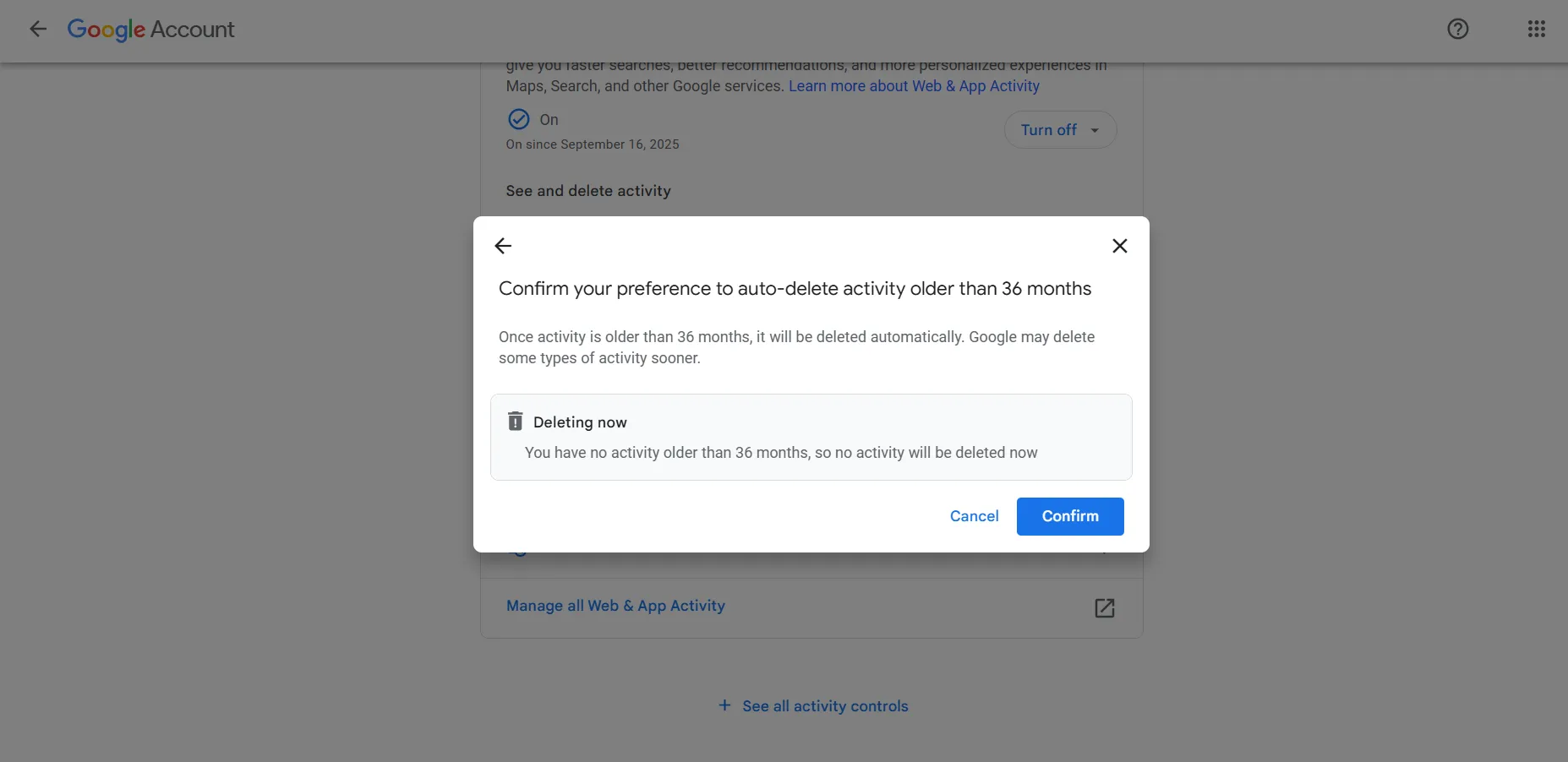
Use Google's "Remove personal data" feature to delete sensitive information from search results, such as phone numbers, addresses, or financial data.
6. Monitor and Update Your Online Presence
Regularly check your online presence by conducting a digital footprint search to identify and remove outdated or incorrect information.
7. Consider Advanced Methods
For those seeking near-total anonymity, consider advanced methods like using a VPN (Virtual Private Network), deleting cookies, and using anti-tracking software to minimize your digital footprint.
Conclusion
Removing digital footprints from search results requires ongoing effort and attention to detail. By understanding the types of digital footprints and following the methods outlined above, you can minimize and delete your online data, improving your online privacy and security. Take control of your digital presence today!