Exercises for Pregnant Women Over 35: A Safe and Effective Guide
As a pregnant woman over 35, it's essential to stay active and healthy during this critical period. Regular exercise can help you manage weight gain, reduce the risk of gestational diabetes, and alleviate common discomforts such as back pain. However, it's crucial to choose exercises that are safe and beneficial for both you and your baby.
The Benefits of Exercise During Pregnancy
Exercising during pregnancy has numerous benefits, including:
- Improved circulation and blood flow
- Reduced risk of gestational diabetes and hypertension
- Improved mood and reduced stress levels
- Increased energy levels and improved sleep quality
- Stronger muscles and improved posture
Safe Exercises for Pregnant Women Over 35
The following exercises are suitable for pregnant women over 35:
- Walking: A low-impact exercise that's easy on the joints and can be done at any time of day.
- Prenatal yoga: A modified version of yoga that focuses on gentle stretches and breathing techniques.
- Swimming: A low-impact exercise that's easy on the joints and can help improve circulation.
- Cycling: A low-impact exercise that's easy on the joints and can help improve cardiovascular health.
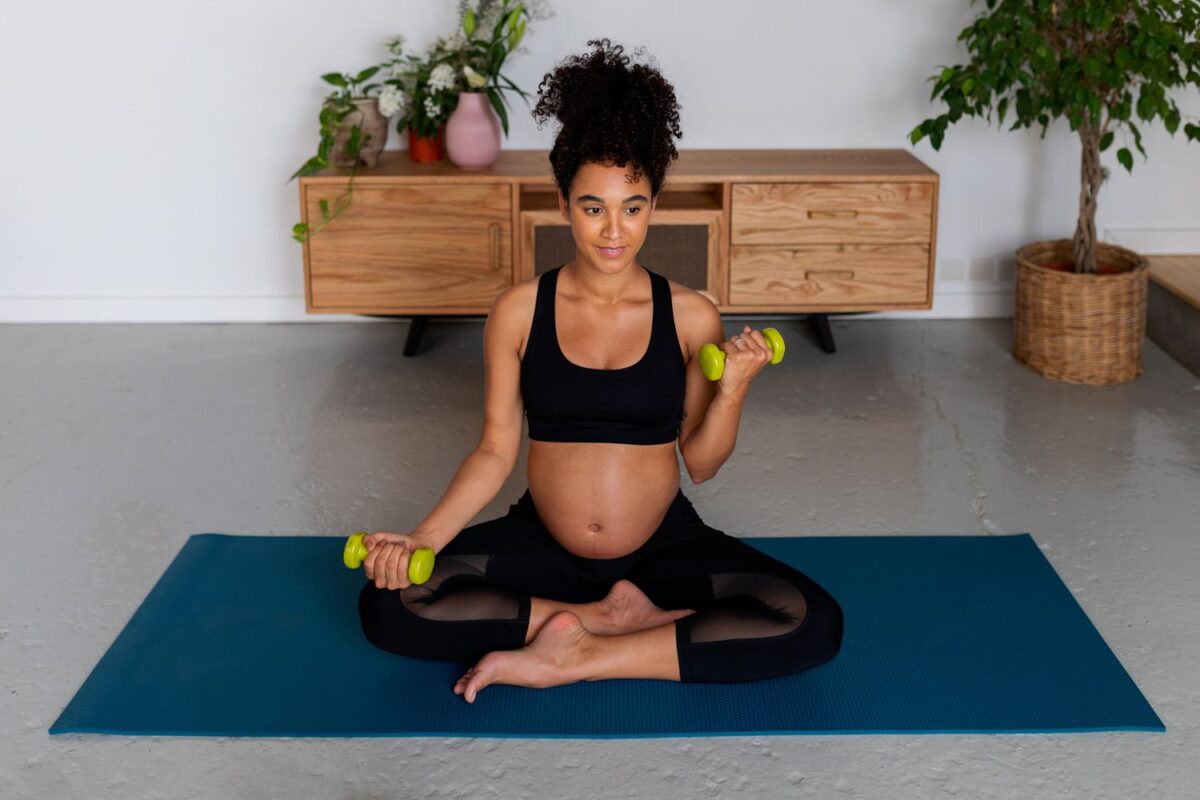
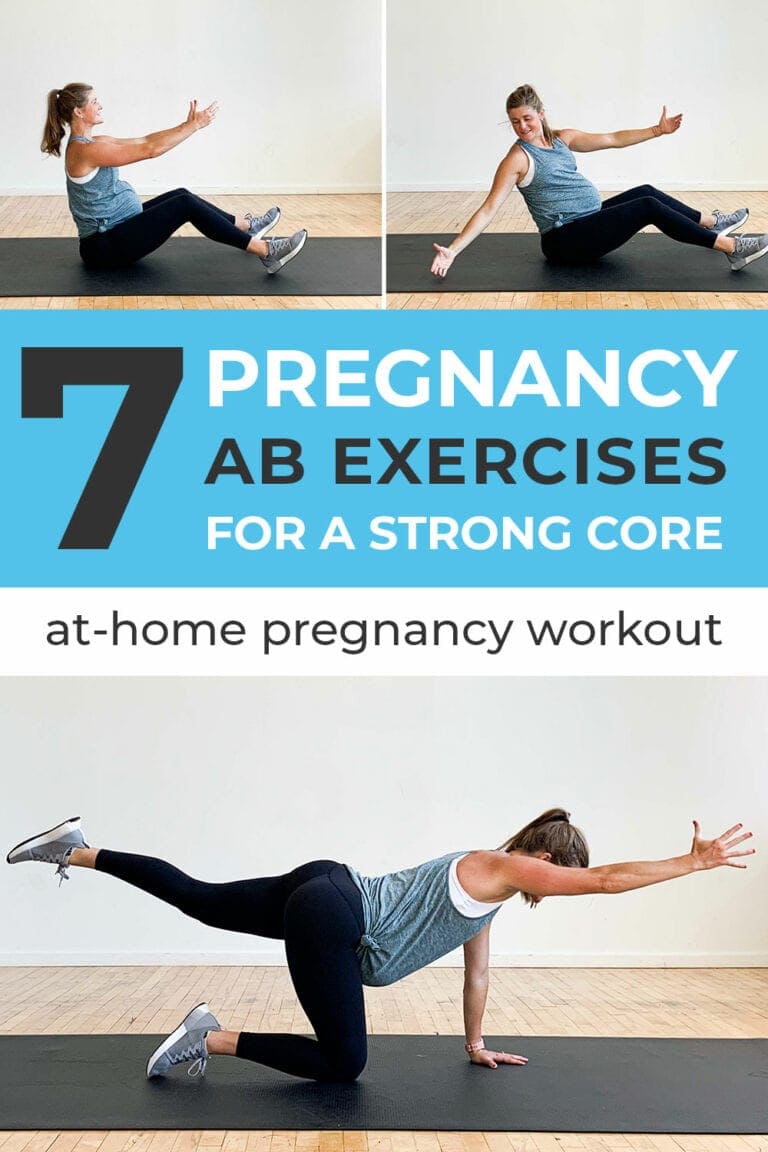
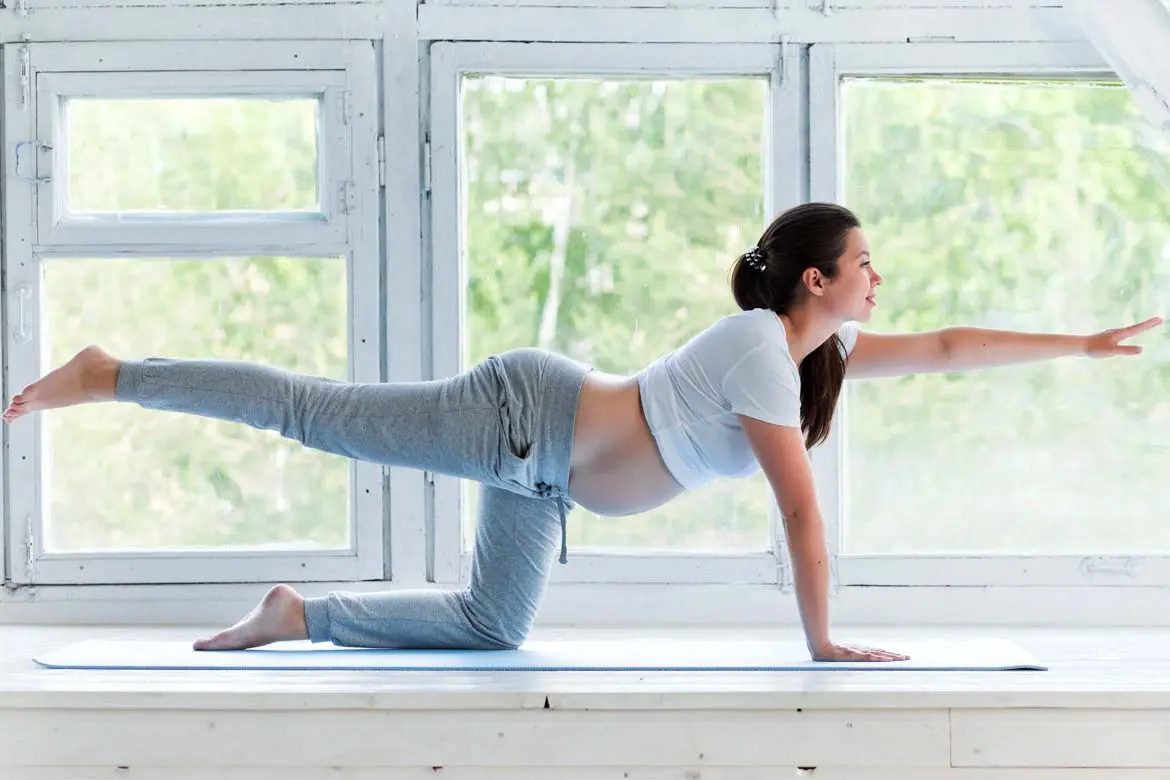
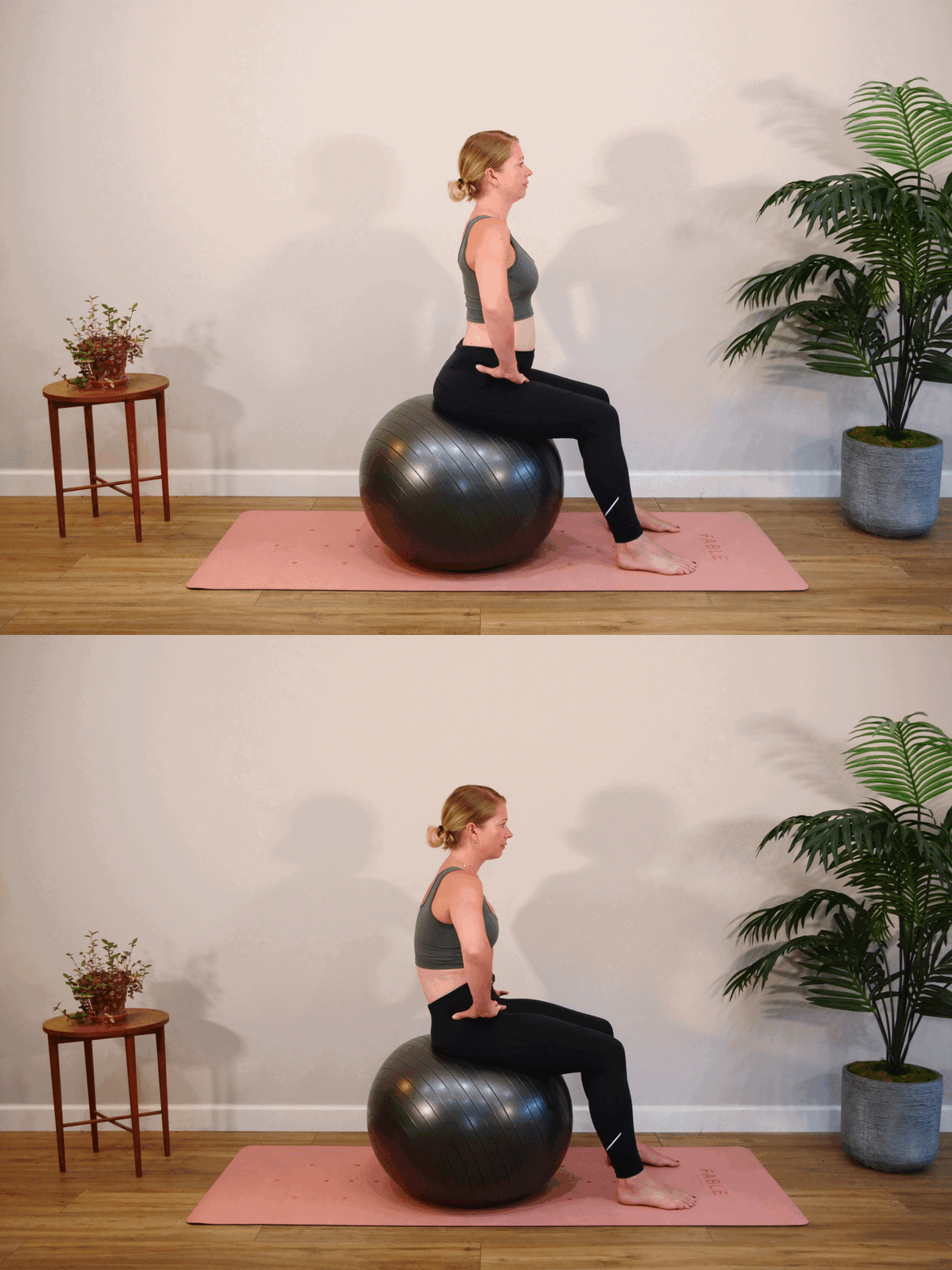
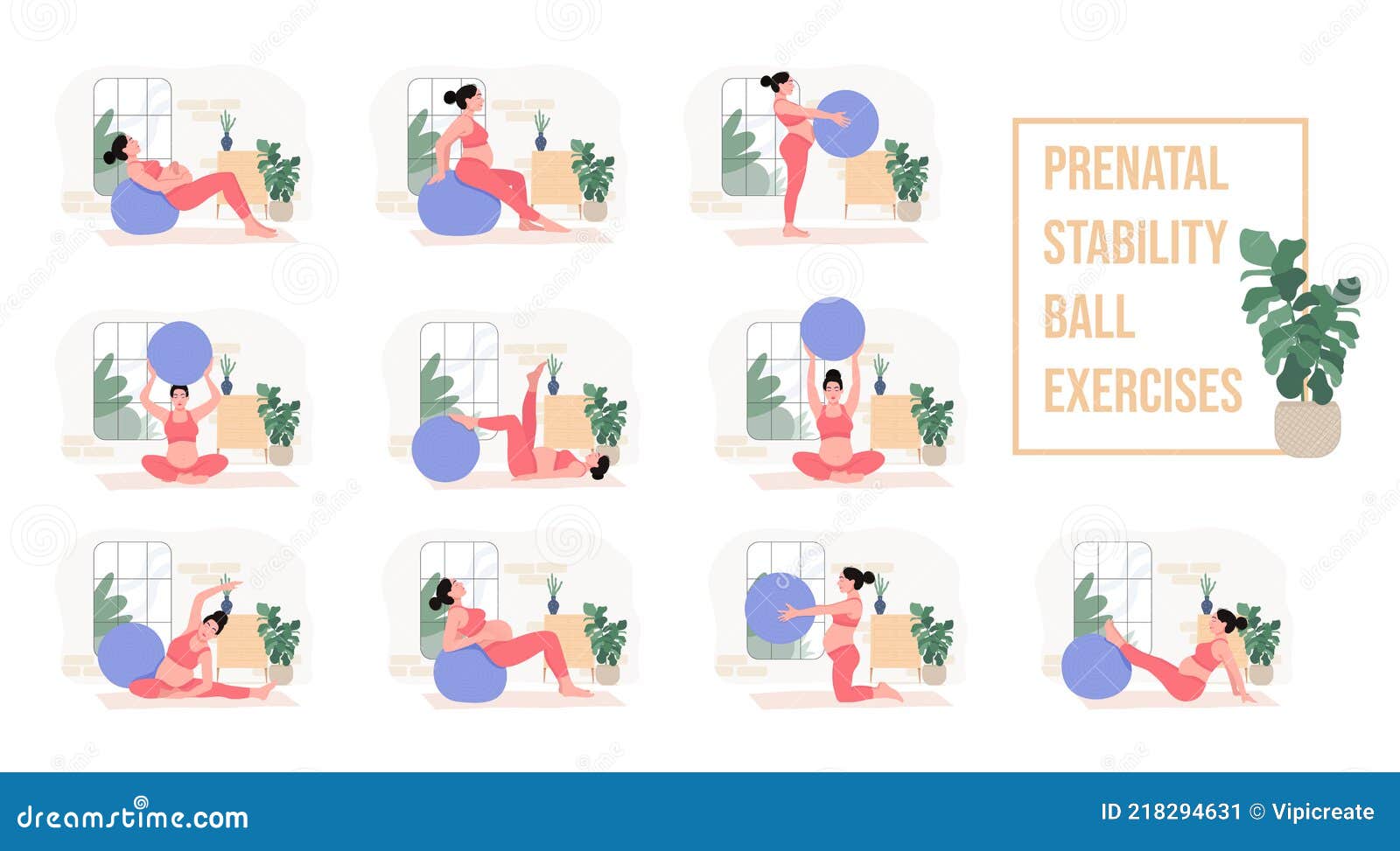
- Bodyweight exercises: Modified versions of exercises such as squats, lunges, and planks that don't put excessive strain on the joints.
Exercises to Avoid During Pregnancy
The following exercises should be avoided during pregnancy, especially for women over 35:

- Contact sports: High-impact sports such as basketball, soccer, and hockey that can increase the risk of injury.
- High-impact aerobics: Exercises such as running, jumping, and high-impact aerobics that can put excessive strain on the joints.
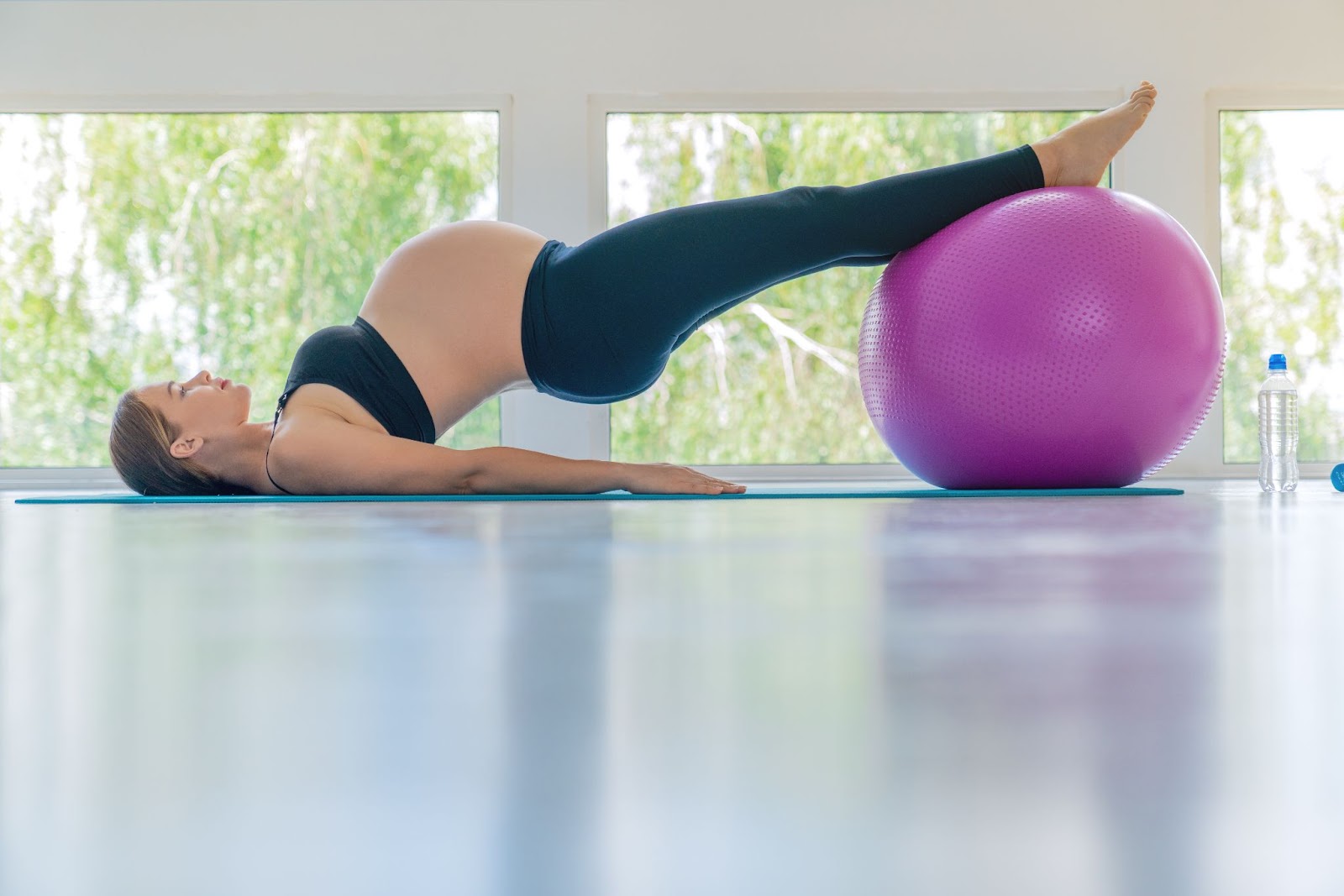
- Lying flat on your back: This can cause the uterus to compress the vena cava, which can reduce blood flow to the baby.
- Bending or lifting heavy objects: This can put excessive strain on the back and joints.
Modifying Exercises for Pregnancy
As your pregnancy progresses, it's essential to modify your exercises to avoid putting excessive strain on your body. Here are some tips:
- Start slowly and gradually increase the intensity and duration of your workouts.
- Avoid exercises that involve bending, lifting, or twisting.
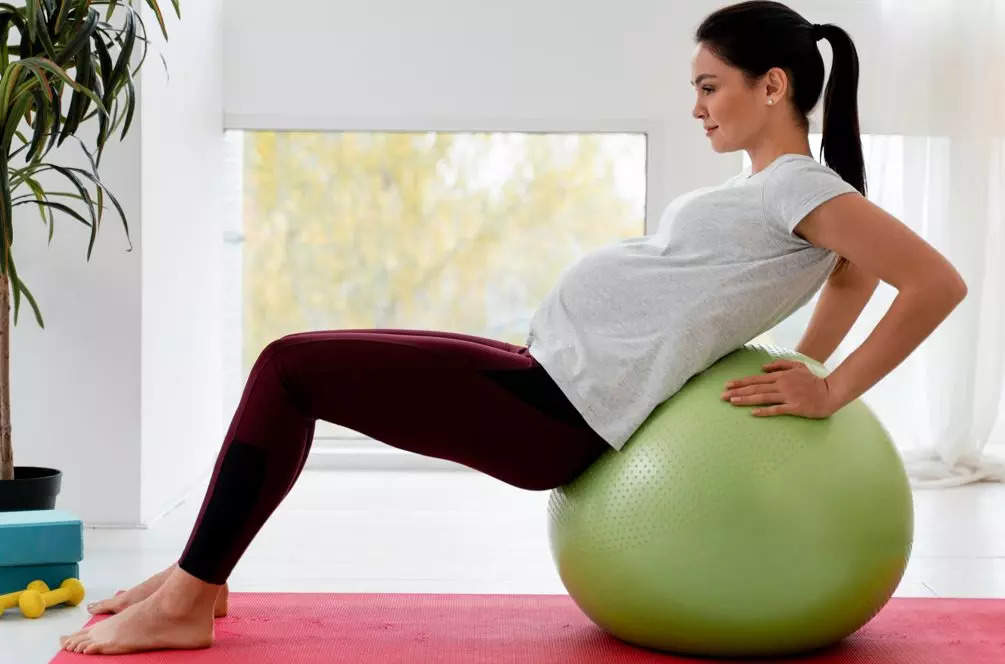
- Choose exercises that are low-impact and easy on the joints.
- Avoid lying flat on your back after the first trimester.
Consulting Your Healthcare Provider
Before starting any exercise program during pregnancy, it's essential to consult with your healthcare provider. They can help you determine the best exercises for your stage of pregnancy and provide guidance on how to modify your workouts to avoid any risks.
Conclusion
Exercising during pregnancy can have numerous benefits for both you and your baby. However, it's crucial to choose exercises that are safe and beneficial for your stage of pregnancy. By following the guidelines outlined in this article and consulting with your healthcare provider, you can create a safe and effective exercise program that supports your health and well-being throughout your pregnancy.