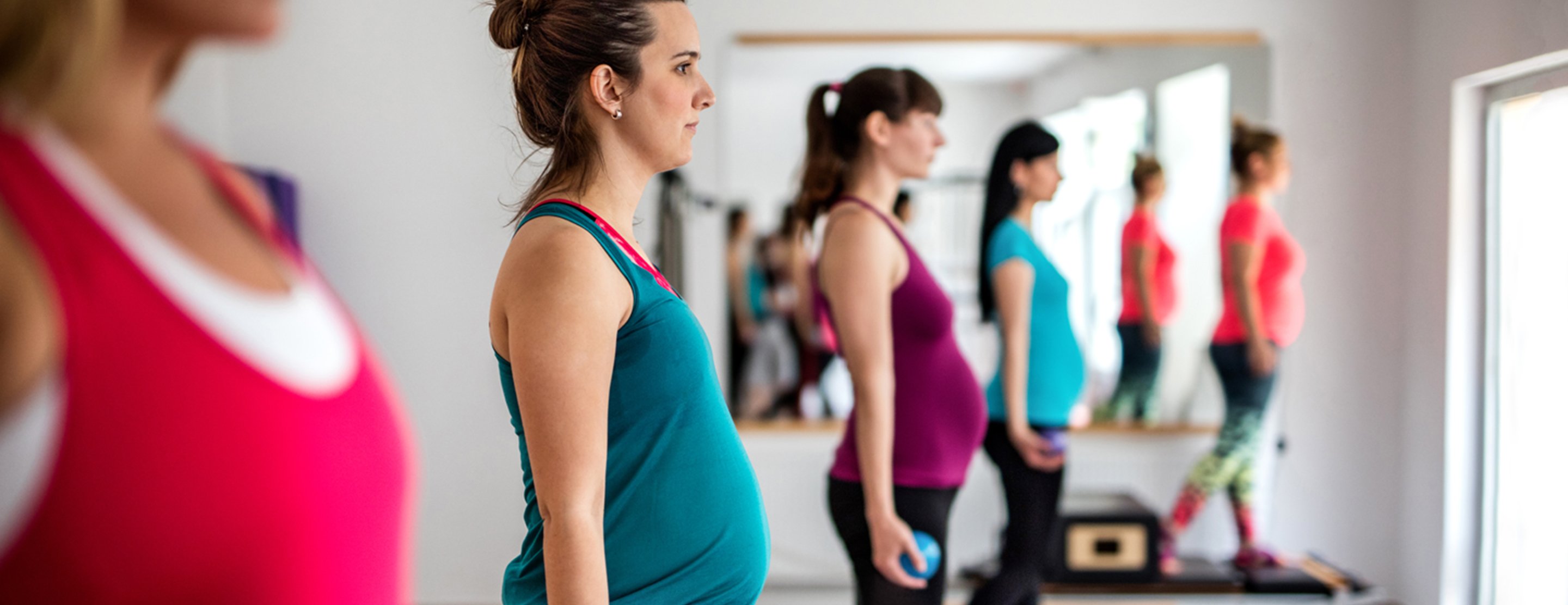
Pregnancy and Physical Fitness: Navigating the Best of Both Worlds
When it comes to healthy living, pregnancy can be a time of great change and growth, both physically and emotionally. As your body undergoes the transformative process of nurturing a new life, it's natural to wonder about how to maintain a healthy balance between your physical fitness and this new chapter of motherhood.
The Importance of Physical Fitness During Pregnancy
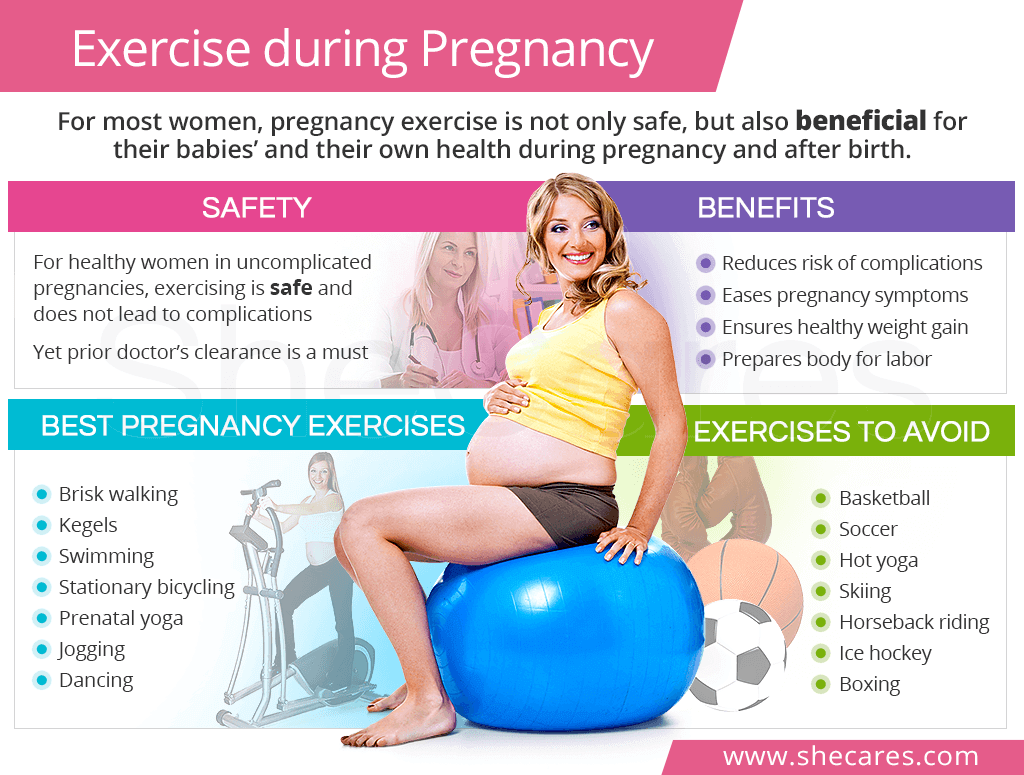
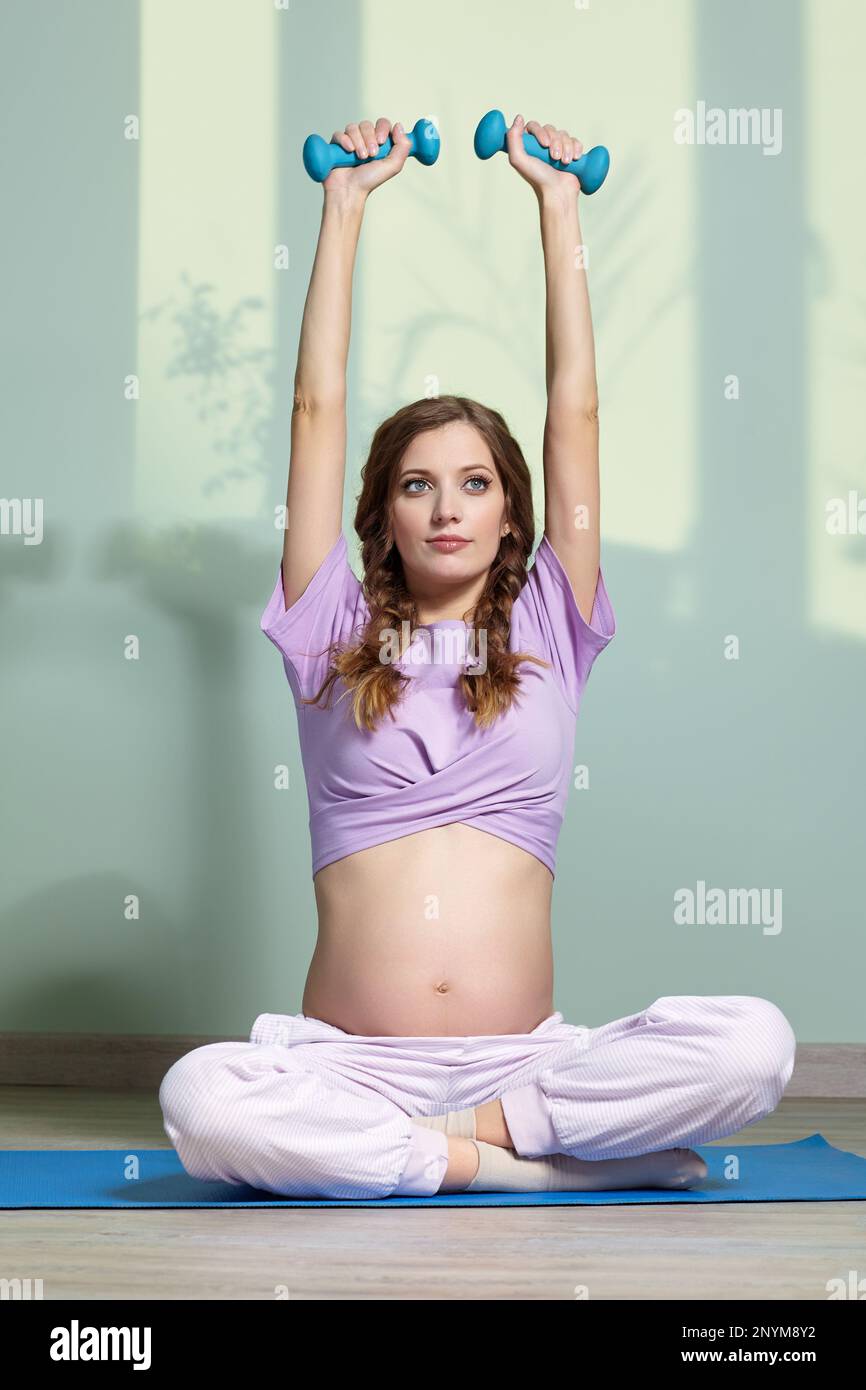
It's no secret that regular exercise can have numerous benefits for overall health and well-being, and this is no less true during pregnancy. In fact, research has shown that engaging in physical activity during pregnancy can have numerous benefits, including:
- Reducing the risk of gestational diabetes, preeclampsia, and cesarean birth
- Helping to prevent excessive weight gain
- Relieving aches and pains associated with pregnancy
- Preparing the body for labor and delivery
Despite these benefits, many women may feel uncertain about how to approach physical fitness during pregnancy. As you navigate this journey, it's essential to understand that there are no egg in a basket when it comes to exercise during pregnancy. You should regularly consult with your healthcare provider to determine the best exercise plan for you and your baby.
What Type of Exercise is Best for Pregnancy?
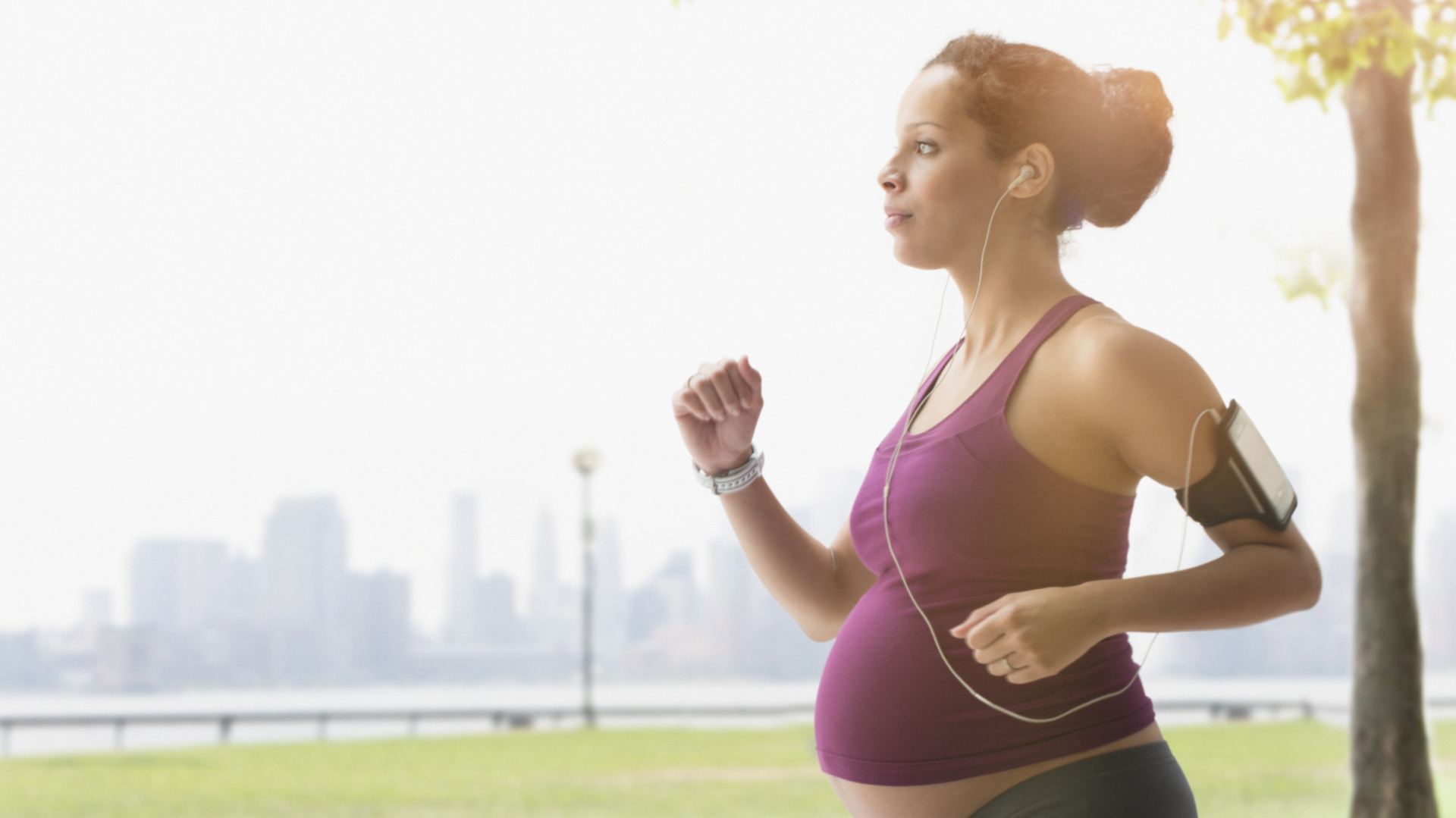
When considering physical fitness during pregnancy, there are several factors to consider, including the type of exercise, intensity, and duration. Aquatic-based exercises like swimming and low-impact aerobics are generally considered safer options, as they put less stress on the joints and muscles. High-impact exercises, such as running and hiking, may need to be modified or avoided, especially in later stages of pregnancy.
Navigating Discomforts and Precautions

It's essential to be aware of your body's limitations and any warning signs that may indicate it's time to slow down or take a break. During pregnancy, it's crucial to listen to your body and respond to any discomforts or pain. If you experience any of the following, stop exercising immediately and consult with your healthcare provider:
- Chest pain or shortness of breath
- Severe vaginal bleeding or pelvic pressure
- Severe headache or dizziness
- Abdominal pain or cramping
Core Strengthening and Pelvic Floor Exercises
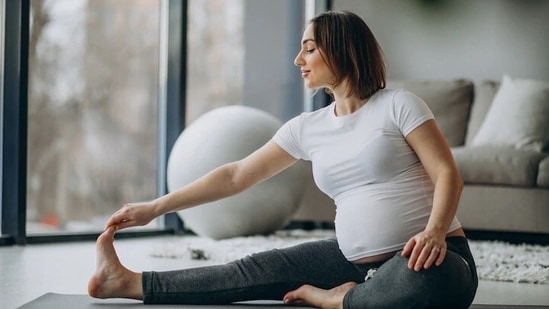
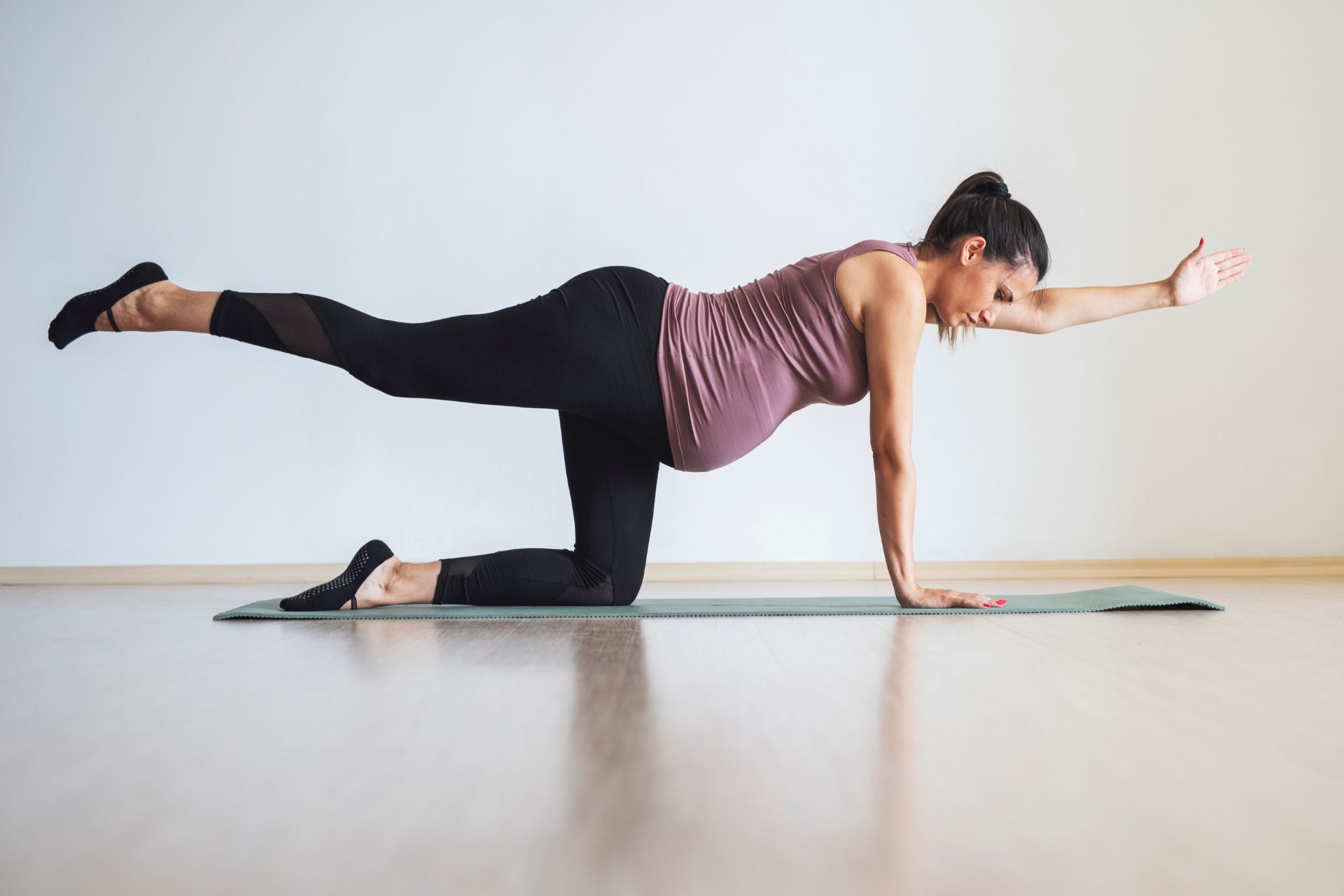
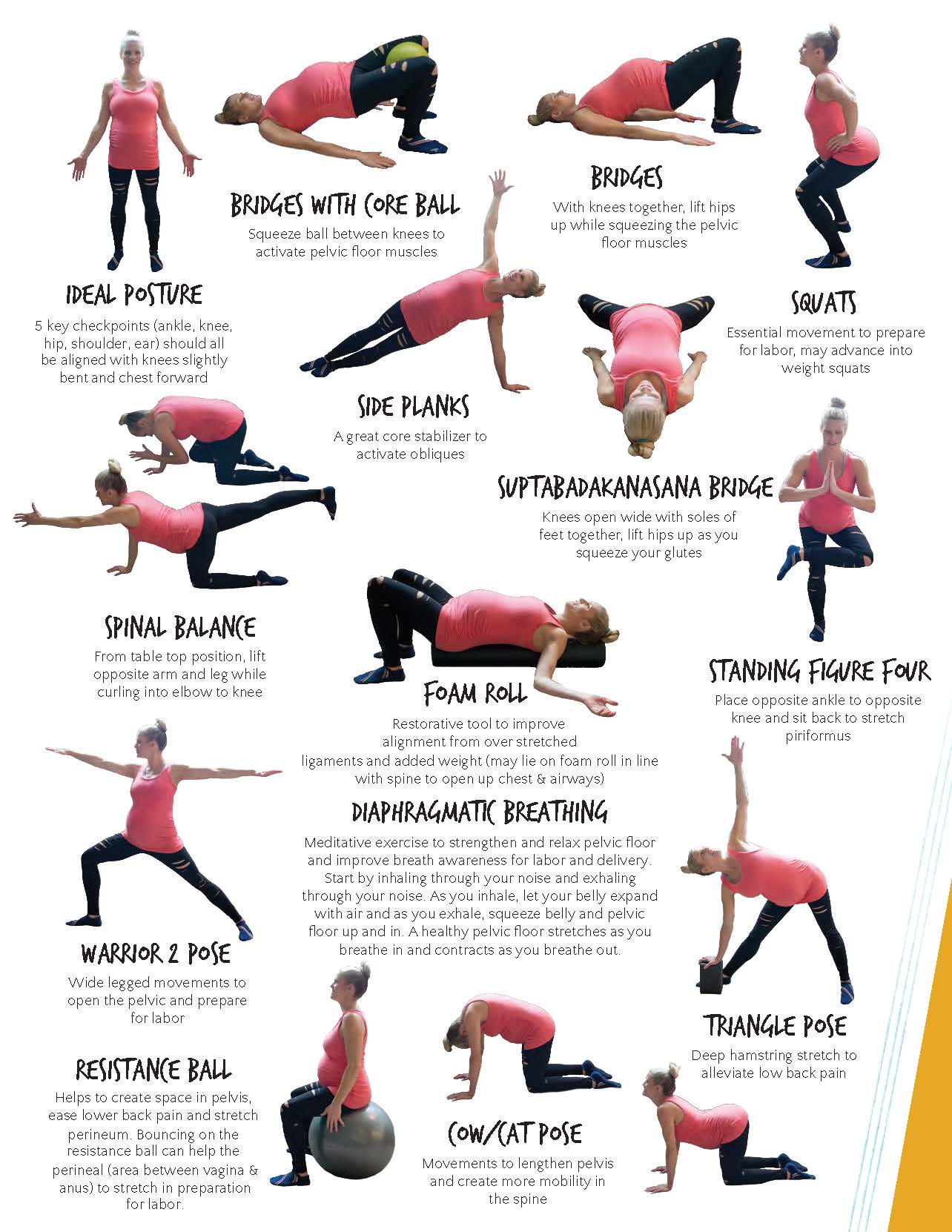
Exercise during pregnancy is not only beneficial for cardiovascular health but also for pelvic floor and core strengthening. These muscles play a critical role in supporting the growing body and ensuring healthy posture during pregnancy. Engage in exercises that target these areas, such as Kegel exercises and pelvic tilts, to maintain strength and tone.
Staying Active After Pregnancy
It's not uncommon for women to feel uncertain about postpartum exercise and return to fitness. Remember, the pregnancy and postpartum period is a unique opportunity to develop a strong foundation in physical fitness that will benefit you for years to come. Gradually increase your physical activity as your body heals and adapts to the postpartum period.
Conclusion
While maintaining physical fitness during pregnancy may seem intimidating, it's actually a crucial aspect of ensuring a healthy pregnancy, labor, and postpartum experience. Remember to consult with your healthcare provider to determine the best exercise plan for your unique needs and body. With the right approach, you can enjoy the many benefits of physical activity during pregnancy and set yourself up for a lifetime of healthy living.