Hyperconnectivity in the Entertainment Industry: Revolutionizing the Way We Consume and Create Content
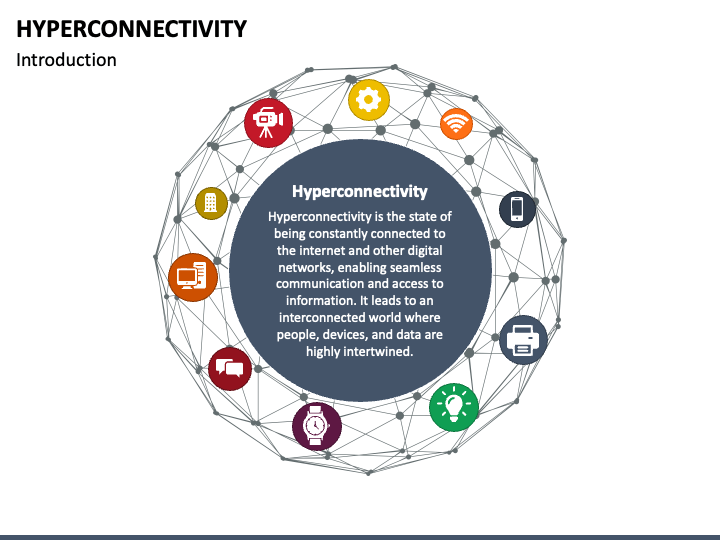
The entertainment industry has undergone a significant transformation in recent years, driven by the rapid growth of digital technologies and the increasing interconnectedness of devices and systems worldwide. Hyperconnectivity, a term coined by Canadian social scientists Anabel Quan-Haase and Barry Wellman, refers to the phenomenon of person-to-person and person-to-machine communication in networked organizations and networked societies. This article delves into the concept of hyperconnectivity in the entertainment industry, exploring its benefits, challenges, and implications for content creators, consumers, and businesses.Benefits of Hyperconnectivity in the Entertainment Industry
Hyperconnectivity has brought about numerous benefits in the entertainment industry, including:- Improved discoverability and accessibility of content: With the rise of streaming services, audiences can now access a vast library of content from anywhere, at any time.
- Increased engagement and interaction: Hyperconnectivity has enabled users to interact with content in real-time, creating a more immersive and engaging experience.
- New revenue streams: Hyperconnectivity has opened up new opportunities for businesses to monetize their content, such as through subscriptions, advertising, and data analysis.
- Enhanced customer experience: Hyperconnectivity has enabled businesses to understand their customers better, creating personalized content and enhancing the overall customer experience.
Challenges of Hyperconnectivity in the Entertainment Industry
While hyperconnectivity has brought about many benefits, it also poses several challenges, including:- Intellectual property concerns: With the rise of user-generated content, there are concerns about copyright infringement, plagiarism, and the ownership of intellectual property.
- Content congestion: The abundance of content available has led to a problem of choice, making it difficult for audiences to discover and engage with high-quality content. li>Privacy concerns: Hyperconnectivity raises concerns about data privacy, as businesses and third-party providers collect and analyze user data to create targeted advertising and personalized content.
Impact of Hyperconnectivity on Content Creation and Distribution
Hyperconnectivity has revolutionized the way content is created and distributed. With the rise of digital technologies, content creators can now produce, distribute, and monetize their work more easily than ever before. However, this has also led to:- Increased competition: The democratization of content creation has led to a surge in new content creators, making it harder for established businesses to compete.
- Changing business models: Hyperconnectivity has disrupted traditional business models, requiring businesses to adapt and innovate to stay relevant.