How to Protect Identity from Scammers: Essential Tips and Tricks
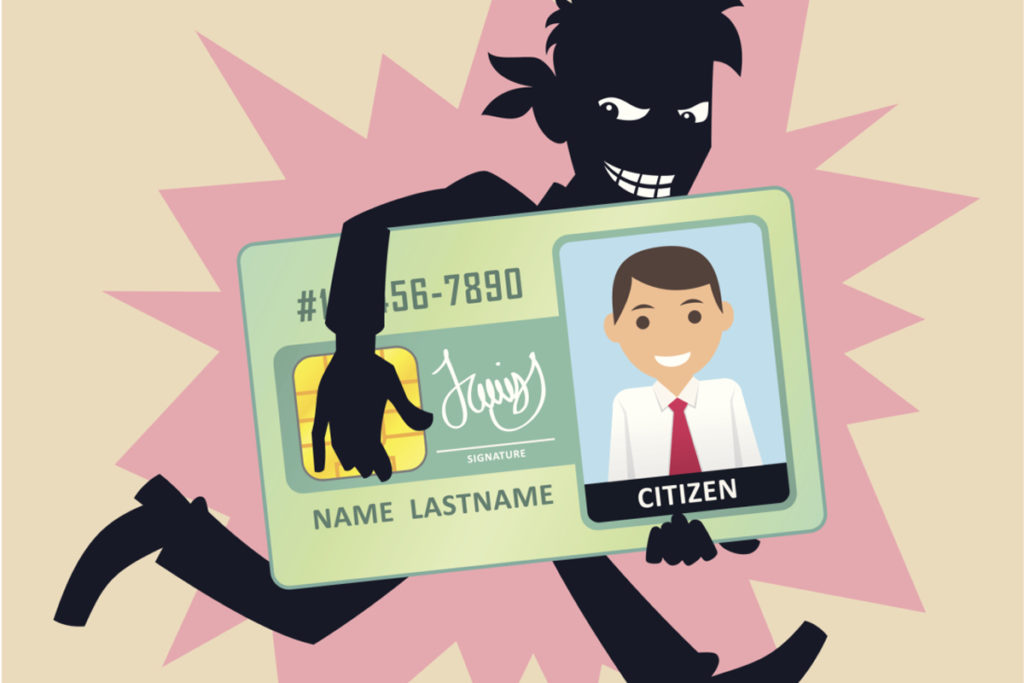
Living in the data age means that our every move leaves a digital footprint, providing valuable information to scammers and hackers who seek to steal our identities. With over 2.6 million reported cases of identity theft in 2023, resulting in $10 billion in losses, it's crucial to equip ourselves with the right knowledge to stay safe.
Know the Warning Signs
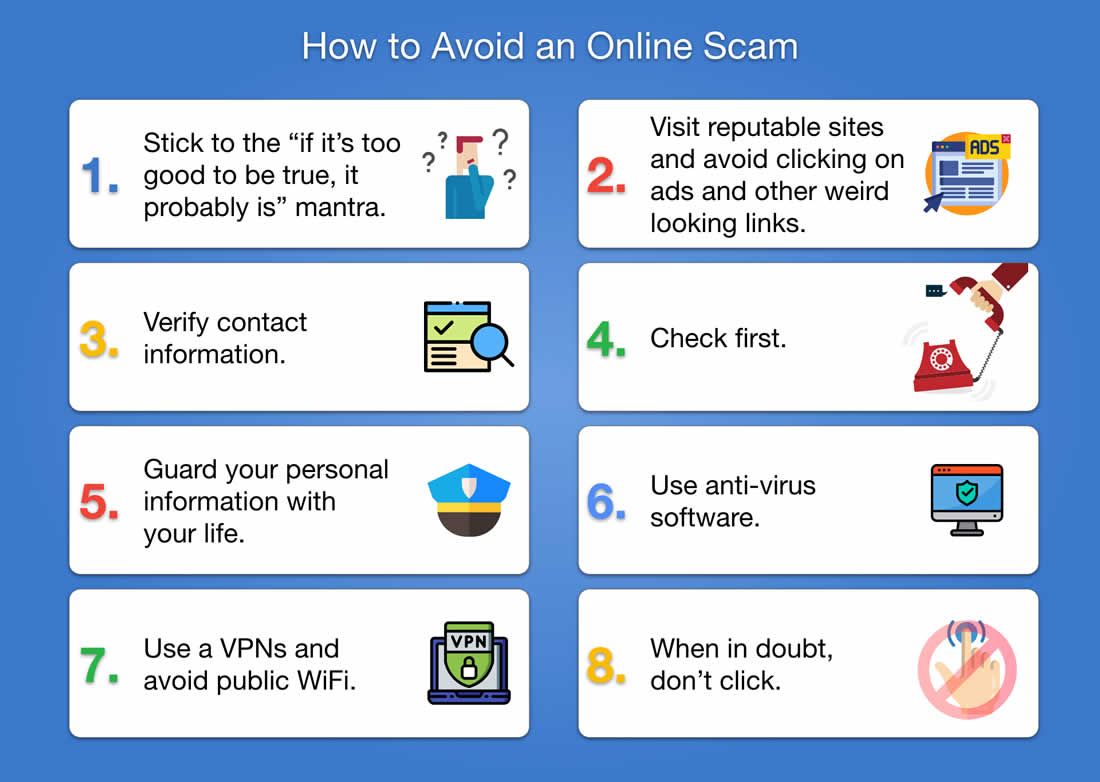
Before diving into ways to protect ourselves from scammers, it's essential to understand the warning signs of identity theft. Scammers are cunning and will often use emotional manipulation, false promises, or threats to deceive victims. Be cautious of unsolicited calls, emails, or messages that request sensitive information or ask you to act quickly.
Social Engineering and Phishing Scams
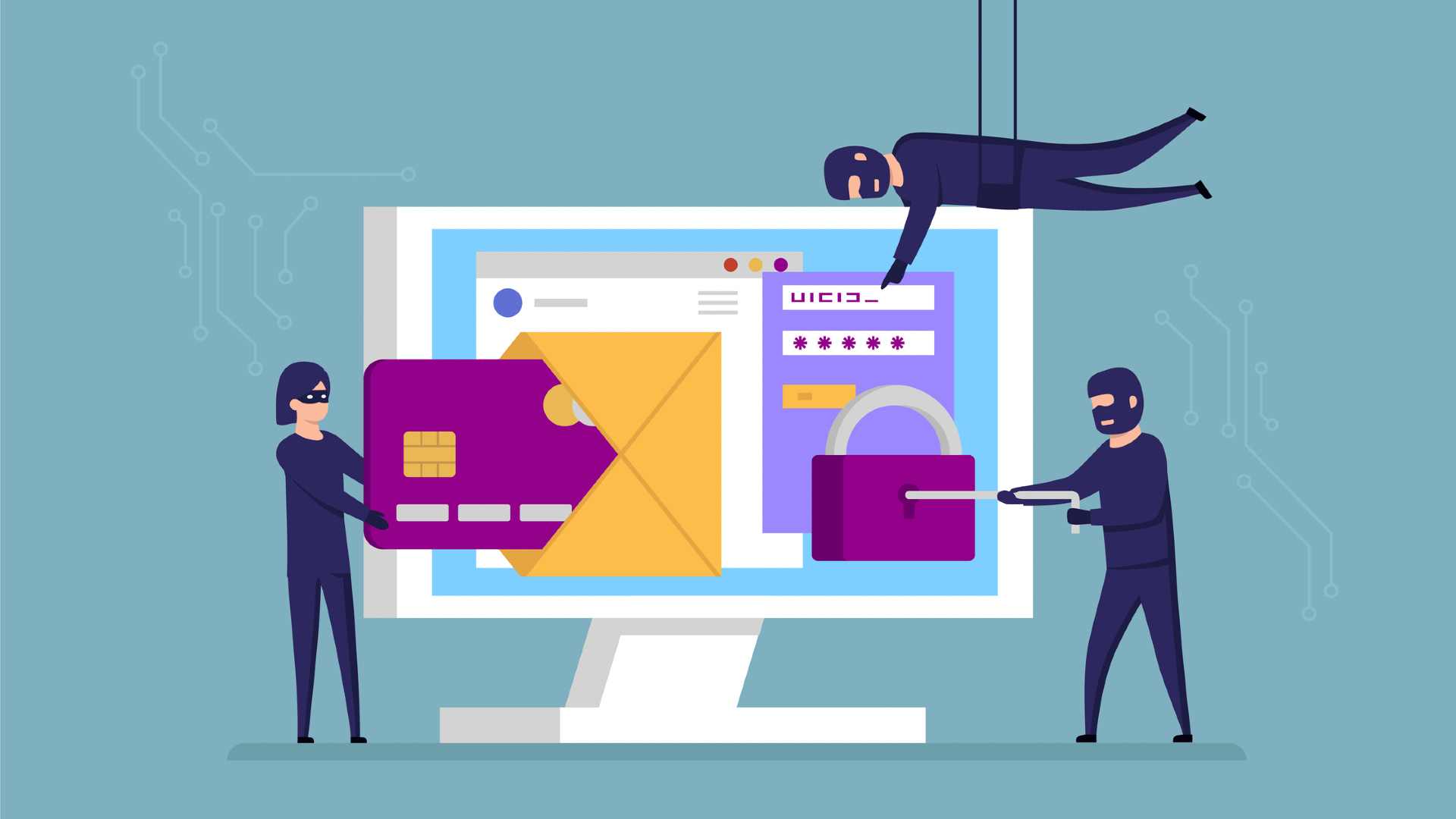
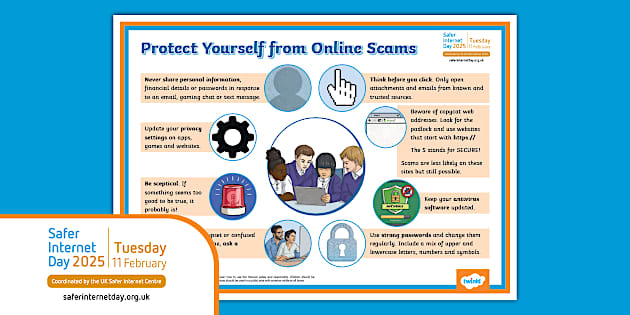
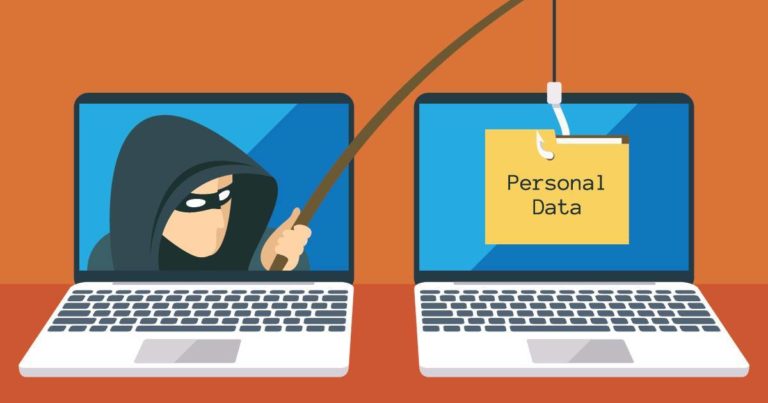
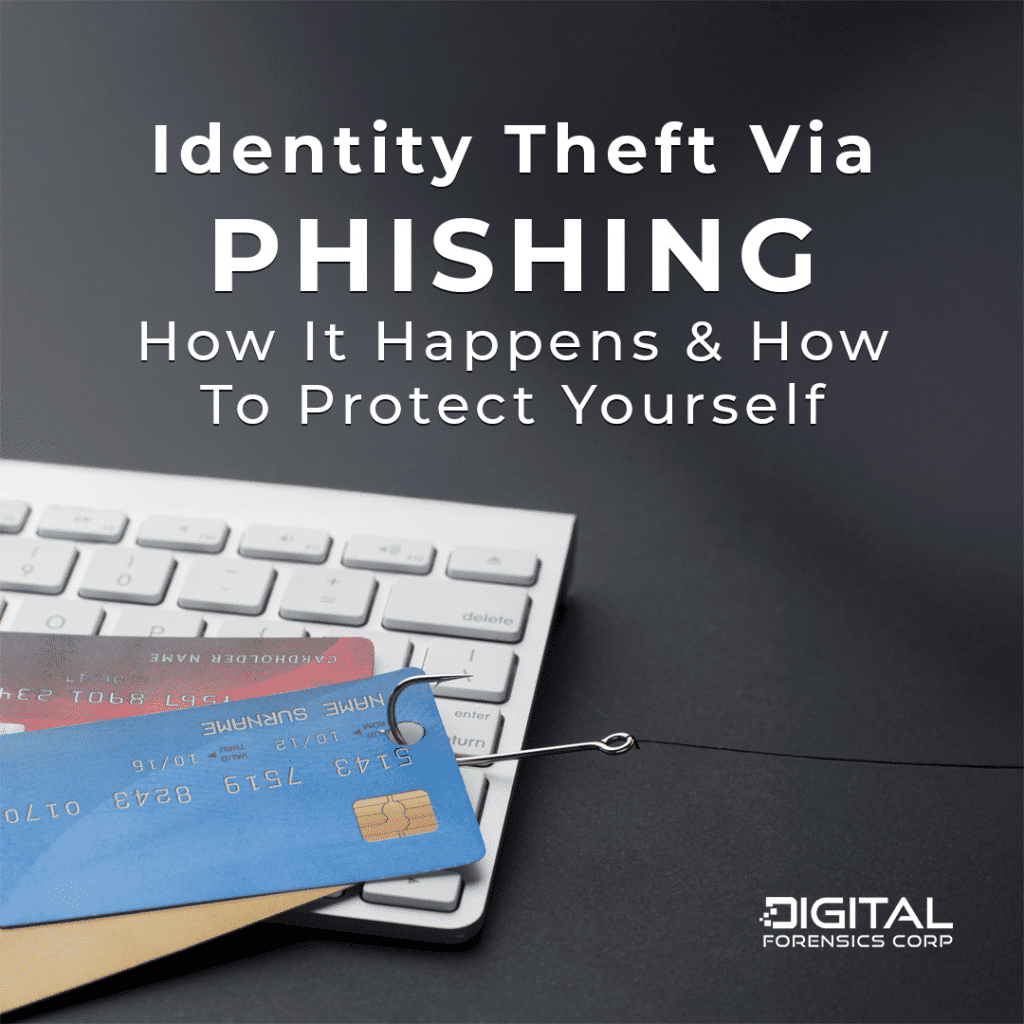
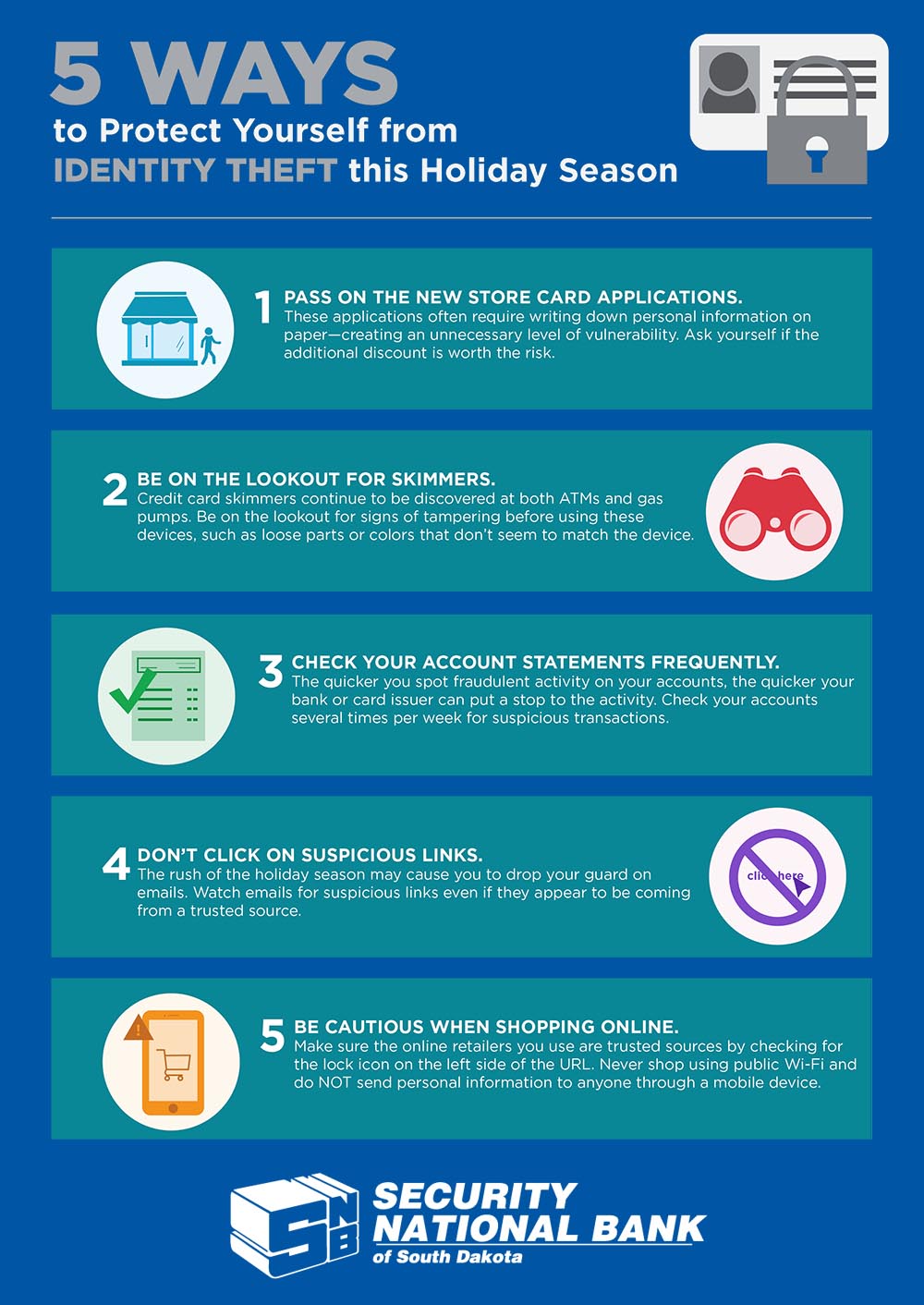
Scammers use various tactics, including social engineering and phishing scams, to trick victims into divulging sensitive information. They often pose as legitimate organizations, such as banks or government agencies, to gain trust. Always verify the authenticity of the communication, and never click on suspicious links or download attachments from unknown sources.
Five Essential Tips to Protect Your Identity
-
1. Monitor Your Credit Reports
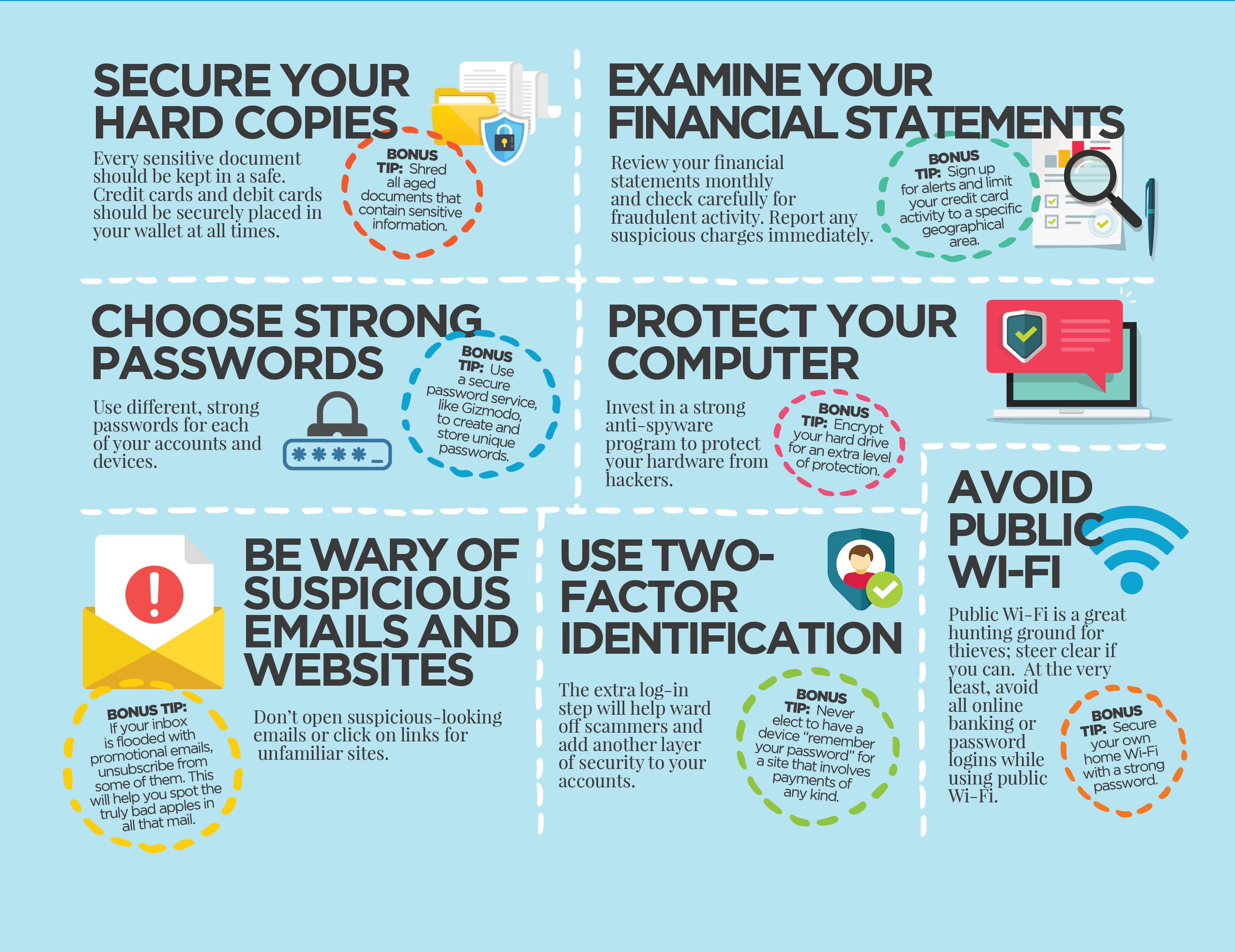
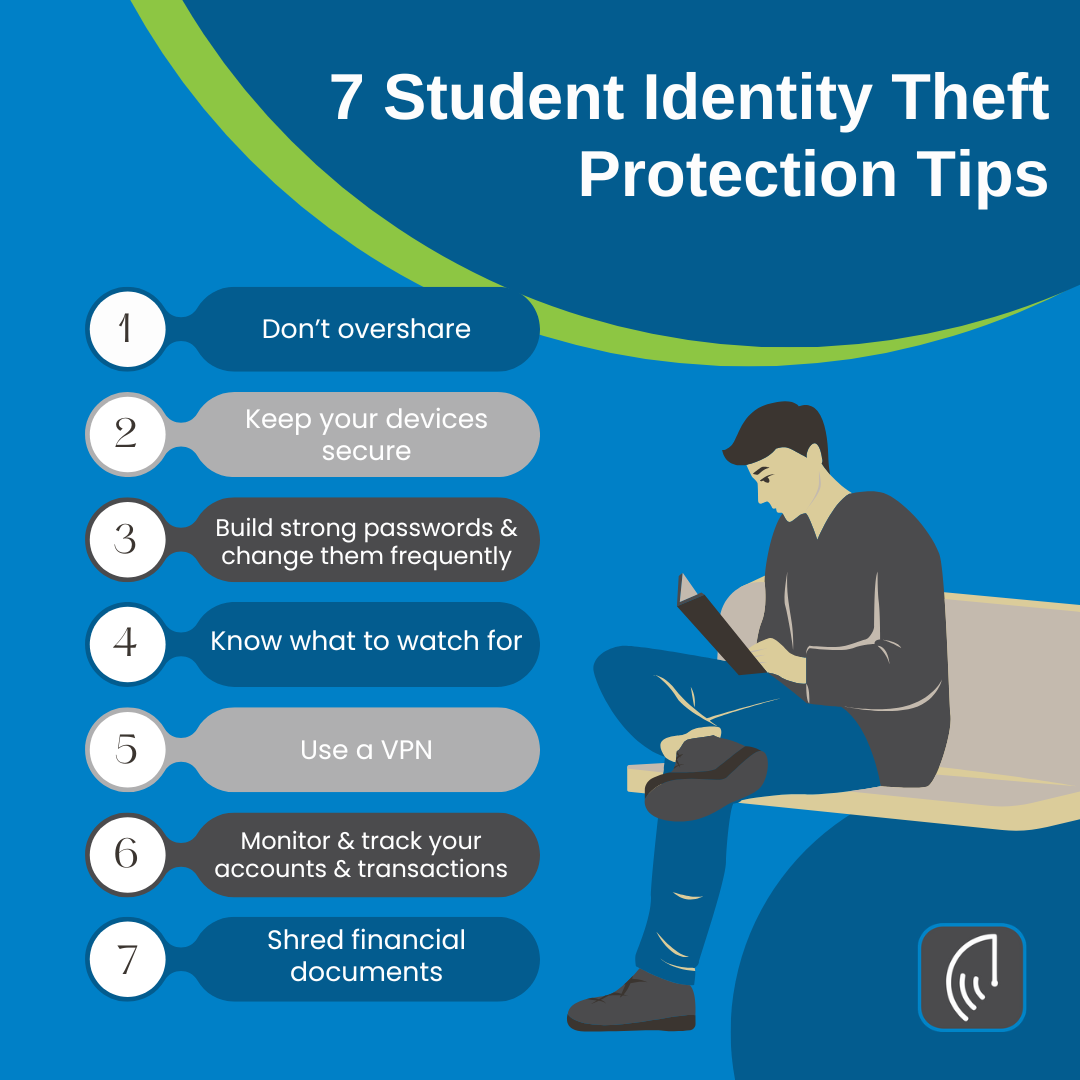
Check your credit reports regularly to detect any unusual activity or changes. You can request a free credit report from each of the three major credit bureaus once a year.
-
2. Use Strong, Unique Passwords
Employ a password manager to generate and store unique, complex passwords for each account. Avoid using easily guessable information like birthdays or common words.
-
3. Enable Two-Factor Authentication (2FA)
Enable 2FA whenever possible to add an extra layer of security to your accounts. This makes it more challenging for scammers to access your sensitive information.
-
4. Protect Your Devices with Antivirus Software
Install reputable antivirus software to protect your devices from malware and other online threats. Regularly update the software to ensure you have the latest protection.
-
5. Be Cautious with Public Wi-Fi
Public Wi-Fi networks can be breeding grounds for hackers. Avoid accessing sensitive information or making online transactions while using public Wi-Fi.
What to Do If You Become a Victim
If you suspect identity theft, act quickly to minimize the damage. Report the incident to the Federal Trade Commission (FTC) and your local authorities. You can also contact your credit card companies or banks to report any suspicious activity and request a temporary block on your accounts.
Conclusion
Protecting your identity from scammers requires a combination of awareness, caution, and proactive measures. By knowing the warning signs, avoiding phishing scams, and following the five essential tips outlined above, you can significantly reduce the risk of identity theft. Remember, your data is a valuable asset, and it's essential to take steps to safeguard it.