How To Prevent Ransomware Infection: A Comprehensive Guide
Ransomware is a type of malware that has been wreaking havoc on organizations and individuals alike. It encrypts files and demands a ransom in exchange for the decryption key. In this article, we'll delve into the world of ransomware prevention and explore the best practices to safeguard your organization from mass data encryption threats.
Understanding Ransomware
Ransomware attacks occur in various ways, including through insecure and fraudulent websites, software downloads, and malicious attachments. Anyone can be a target, from individuals to large organizations. It's essential to understand how ransomware works and the potential consequences of an attack.
Types of Ransomware
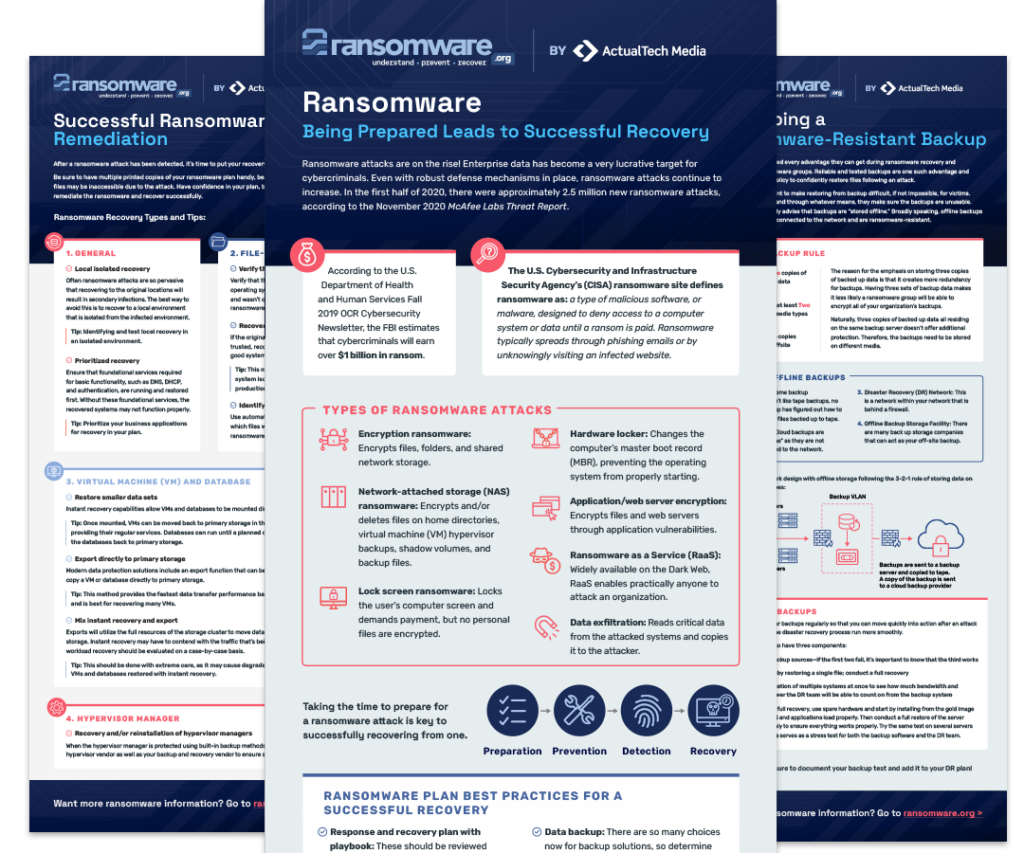
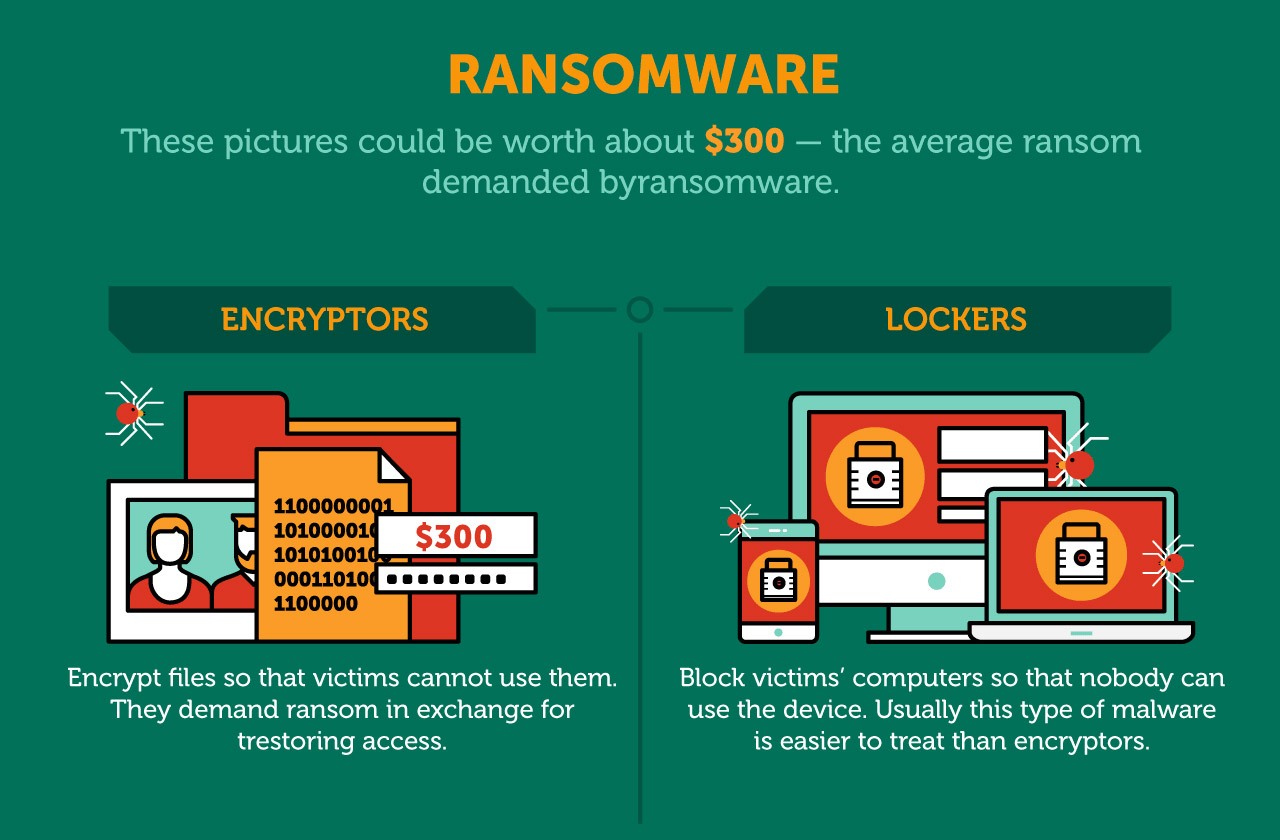
- Encrypting ransomware: Encrypts files and demands a ransom for the decryption key.
- Non-encrypting ransomware: Does not encrypt files but demands a ransom for other reasons.
- Locker ransomware: Locks the device or system and demands a ransom to unlock it.
Prevention is Key
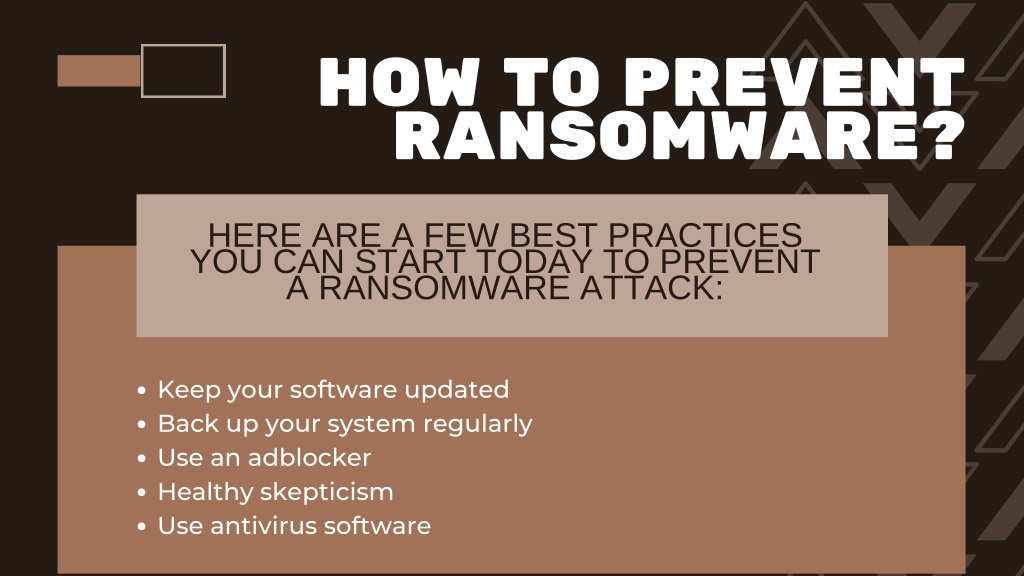
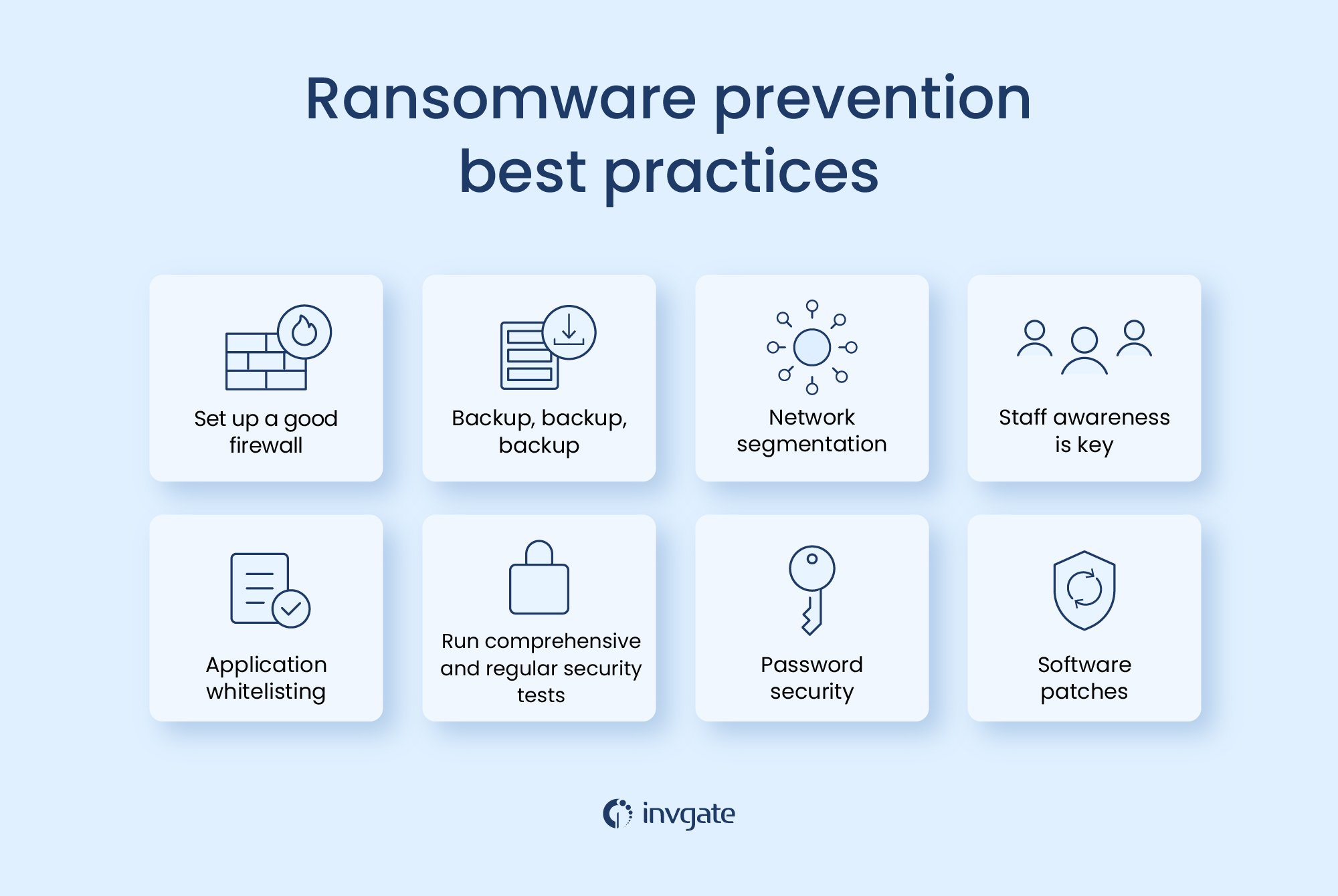
Preventing ransomware infection is crucial to avoiding the devastating consequences of a ransomware attack. Here are some best practices to help you prevent ransomware infection:
Backup Your Data
Backing up your data to an external hard drive or cloud storage is a simple yet effective way to prevent ransomware from encrypting your files. This way, even if your device is infected, you can restore your data from the backup.
Use Strong Passwords
Strong, unique passwords can reduce the risk of ransomware infection by making credential-based attacks harder. This is because attackers find it challenging to guess passwords or use credentials stolen from other breaches.
Implement Security Software
Using virus scanners and content filters on your mail servers can help prevent ransomware from infecting your device. Additionally, keep your operating system, software, and security patches up to date to ensure you have the latest protection.
Train Your Users
Ransomware attacks often occur due to human error, such as clicking on malicious links or downloading attachments from unknown sources. Educate your users on the risks of ransomware and how to prevent it by being cautious when opening emails, clicking on links, or downloading attachments.
Use DNS Filtering
DNS filtering can help prevent ransomware by blocking access to malicious websites and domains. This can be done using a third-party DNS service or by configuring your firewall to block malicious traffic.
Regularly Back Up Your System
Regularly backing up your system can help you recover quickly in case of a ransomware attack. This includes backing up your operating system, applications, and settings.
Limit User Privileges
Limiting user privileges can help prevent ransomware by restricting access to sensitive areas of your system. This includes disabling administrator privileges for non-essential users and using a least-privilege approach.
Responding to a Ransomware Attack
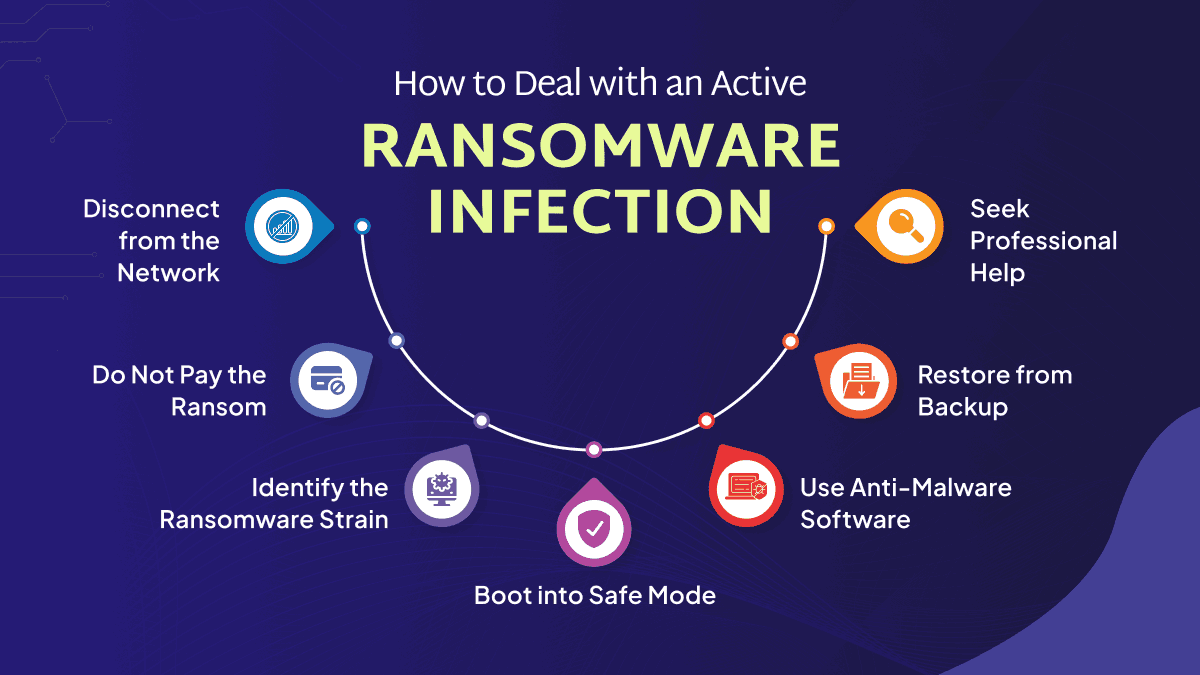
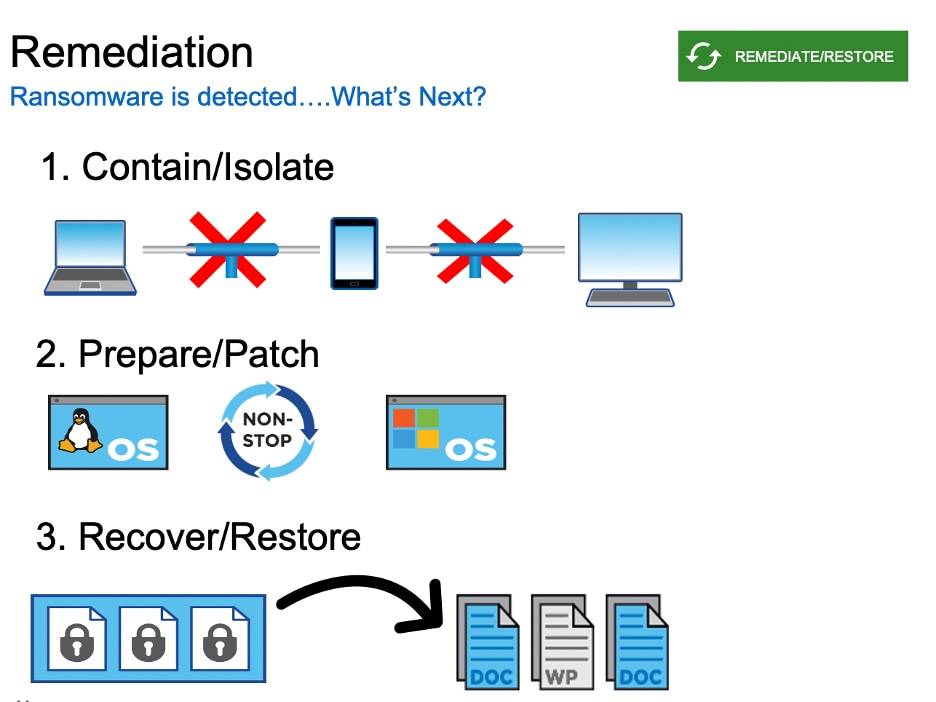
If your device is already infected with ransomware, there are steps you can take to minimize the damage:
Disconnect from the Internet
Immediately disconnect the affected device from the internet to prevent the malware from spreading.
Restore from Backup
Restore your device from a backup to recover your data and system settings.
Contact Your IT Department
Notify your IT department or cybersecurity team, who can help you contain the attack and develop a response plan.
Conclusion
Preventing ransomware infection requires a combination of technical measures, user education, and regular backups. By following these best practices, you can significantly reduce the risk of ransomware infection and ensure business continuity in the event of an attack.
Additional Resources
For more information on how to prevent ransomware infection and respond to a ransomware attack, refer to the following resources:
- Cybersecurity and Infrastructure Security Agency (CISA) guidelines on preventing ransomware
- FBI's Ransomware guide
- European Union Agency for Network and Information Security (ENISA) guidelines on ransomware