The Hidden Dangers of Gadget Overuse Disorder
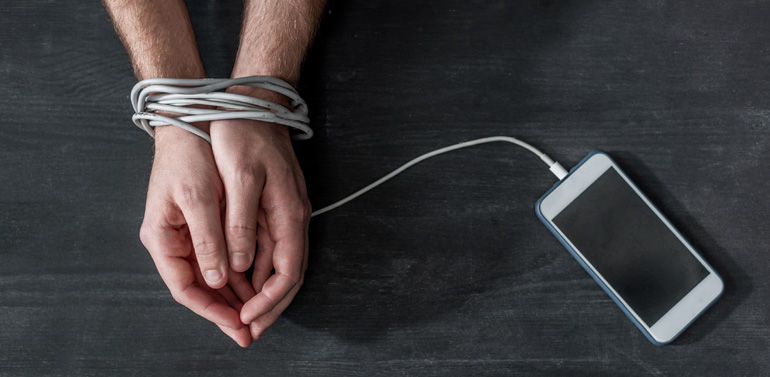
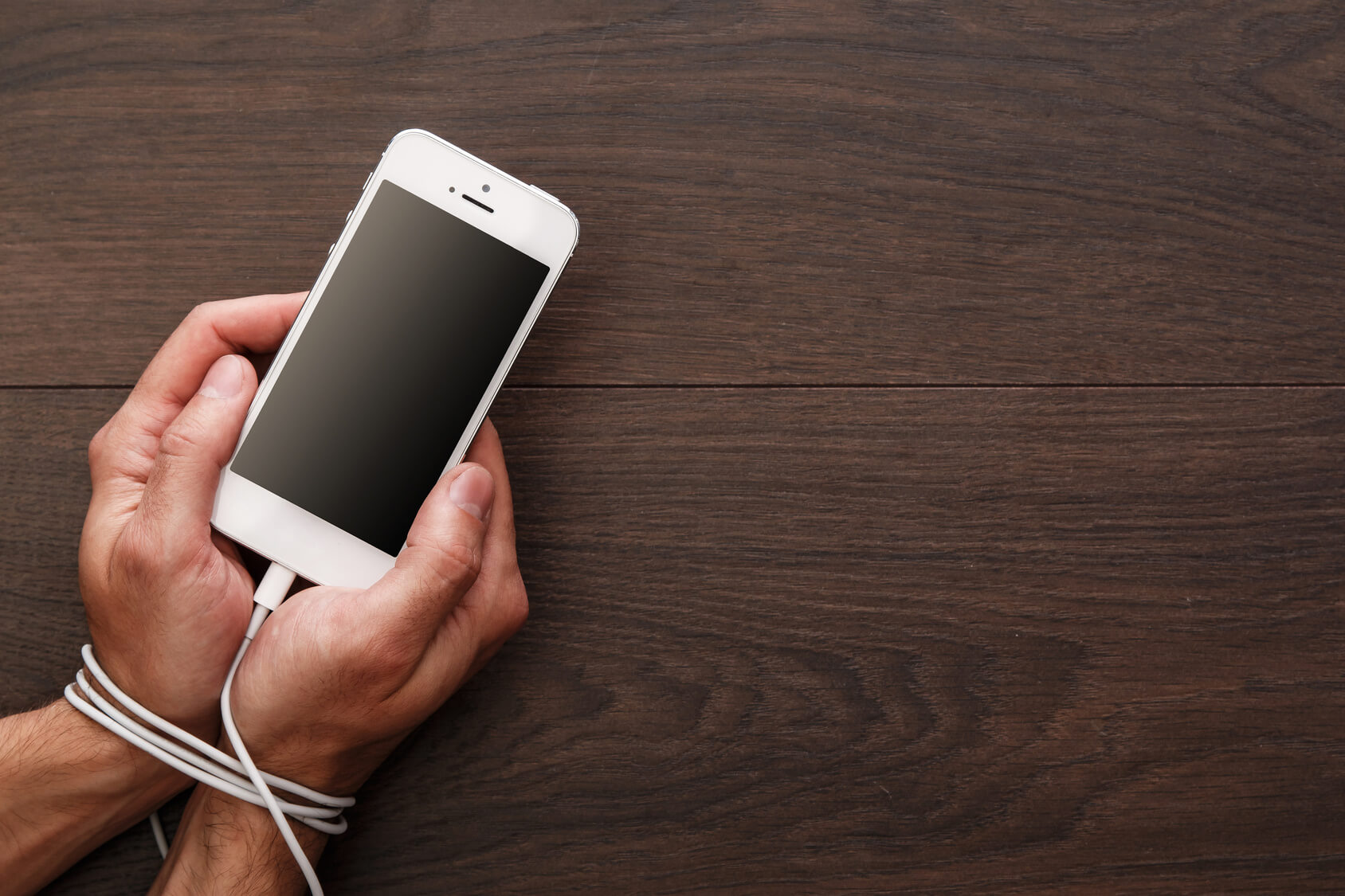
Gadget overuse disorder, a phenomenon where individuals become excessively dependent on electronic devices, has become a growing concern worldwide. The consequences of this condition can be far-reaching, affecting not only mental health but also social relationships, productivity, and physical well-being. In this article, we will delve into the world of gadget overuse disorder, exploring its causes, symptoms, and impacts on individuals' lives.
What is GadgetOveruse/Abuse?
Gadget overuse refers to the excessive and compulsive use of electronic devices, such as smartphones, computers, video game consoles, and social media platforms. This dependence goes beyond simple enjoyment and leads to a preoccupation with technology, even when it interferes with other important aspects of life. Gadget overuse can have serious consequences, including mental health risks, physical ailments, and social impacts.
Signs of Gadget Overuse Disorder
- Interference in Daily Life: Gadget use can disrupt routines, affecting responsibilities and productivity.
- Discomfort Without Devices: Feeling restless or anxious without a gadget is a common symptom.
- Preoccupation with Technology: Excessive thinking about gadgets, even when not in use, is a hallmark of gadget overuse disorder.
- Struggling with Digital Detox: Individuals may find it challenging to stay away from gadgets for extended periods.
- Neglect of Responsibilities: Gadget overuse can lead to neglect of important tasks, relationships, and responsibilities.
The Impact of Gadget Overuse Disorder
The consequences of gadget overuse disorder can be far-reaching and devastating. Some of the impacts include:

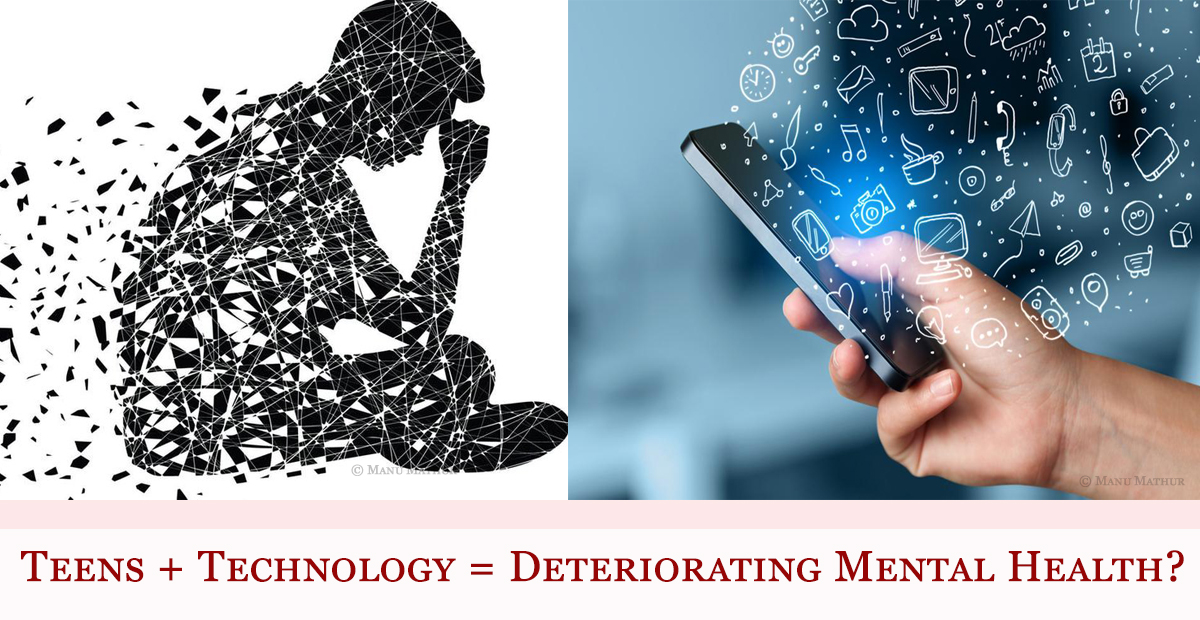
- Mental Health Risks: Gadget overuse disorder has been linked to an increased risk of depression, anxiety, and other mental health conditions.
- Physical Ailments: Excessive gadget use can lead to eye strain, neck and shoulder pain, and other physical health problems.
- Social Impacts: Gadget overuse can lead to social isolation, strained relationships, and decreased face-to-face communication skills.
- Reduced Productivity: Excessive gadget use can lead to decreased productivity, reduced creativity, and decreased work-life balance.
Breaking the Cycle of Gadget Overuse Disorder
Fortunately, it is possible to break the cycle of gadget overuse disorder. Some strategies for overcoming excessive gadget use include:
- Setting Boundaries: Establishing limits on gadget use, such as setting screen-free zones or times.
- Seeking Support: Reaching out to friends, family, or a therapist for support and guidance.
- Practicing Digital Detox: Regularly disconnecting from gadgets and engaging in offline activities.
- Seeking Professional Help: Consulting with a mental health professional for personalized guidance and support.
Conclusion
Gadget overuse disorder is a serious condition that can have far-reaching consequences for individuals' mental and physical health, social relationships, and productivity. By recognizing the signs and impacts of gadget overuse disorder, individuals can take steps to break the cycle and establish healthier relationships with technology. Remember, it is never too late to take control of your gadget use and cultivate a healthier, more balanced lifestyle.