Unlocking the Potential of Pastel Painting: Essential Techniques and Tips for Artists
Pastel painting is a unique and versatile medium that has captivated artists and art lovers for centuries. With its soft, delicate strokes and vibrant colors, pastel artistry offers endless possibilities for expression and creativity. Whether you're a seasoned artist or a beginner looking to explore new mediums, learning the right techniques is essential to unlock the full potential of pastel painting.
Understanding the Basics of Pastel Painting
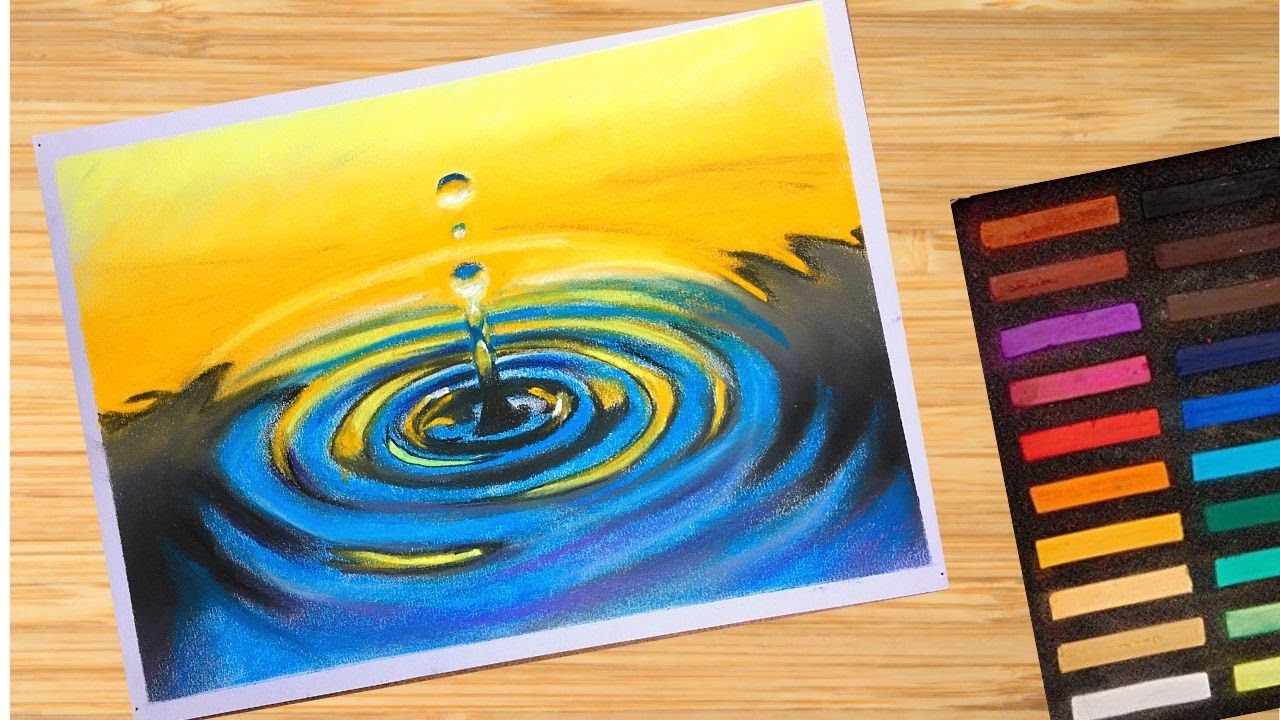
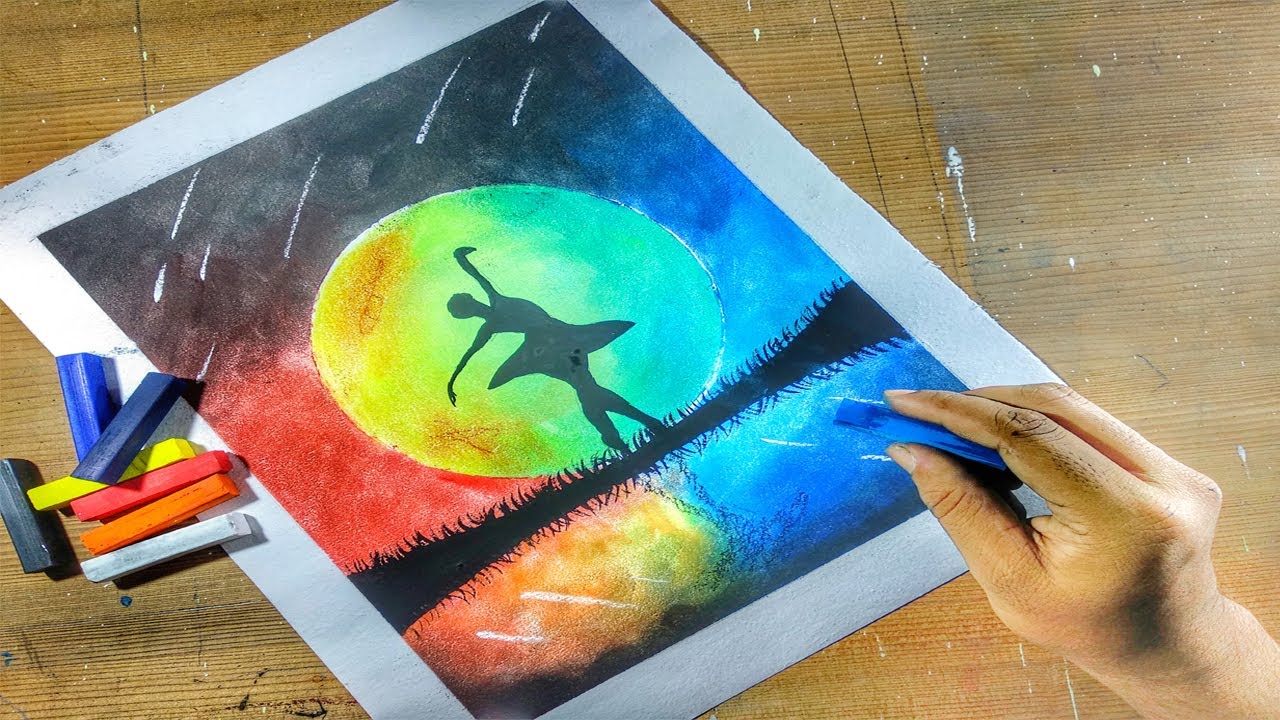
Pastel painting involves using soft pastel sticks to create artwork on a surface, typically paper or board. The unique characteristic of pastel is its ability to blend colors, creating a range of hues and shades. Unlike other mediums, pastel painting requires no preparation or cleanup, making it an ideal choice for artists of all levels.
Drawing Techniques for Pastel
Mastering various drawing techniques is crucial to creating stunning pastel artwork. Here are some essential techniques to get you started:
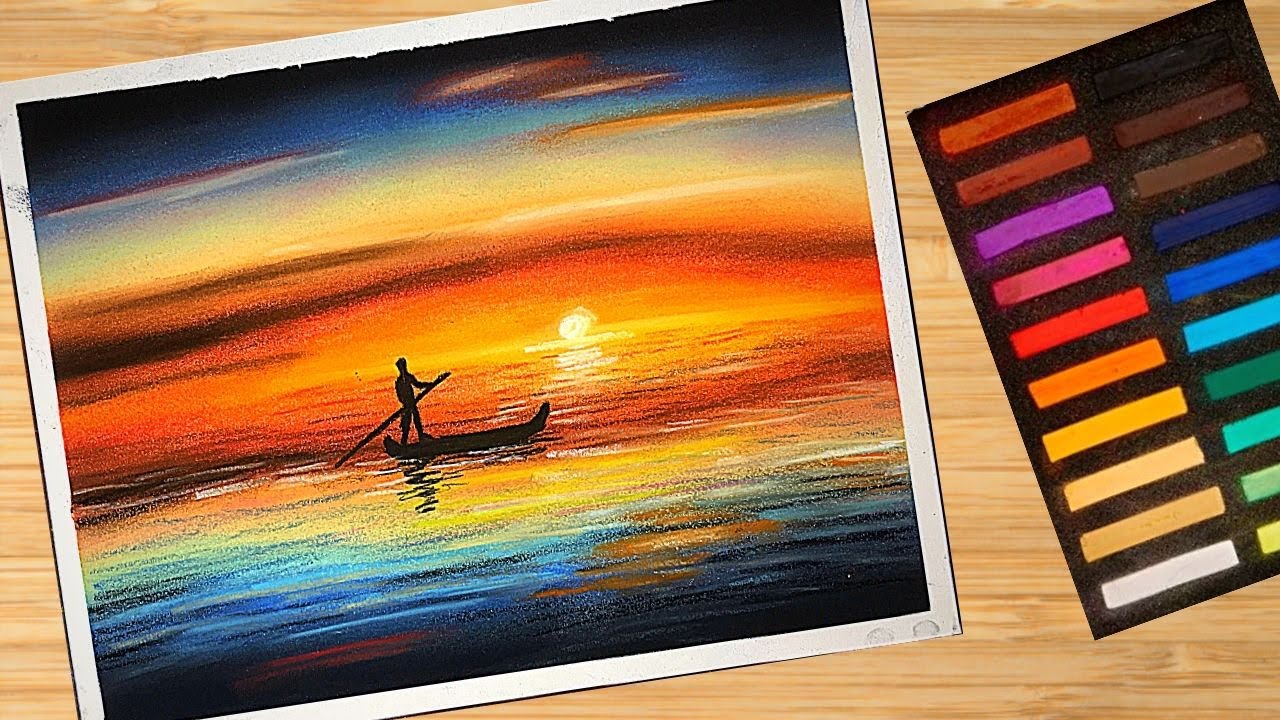
- Blending: Blending is a fundamental technique in pastel painting, allowing artists to create smooth transitions between colors. To blend pastel colors, use a soft brush or a blending stump to merge the colors together.
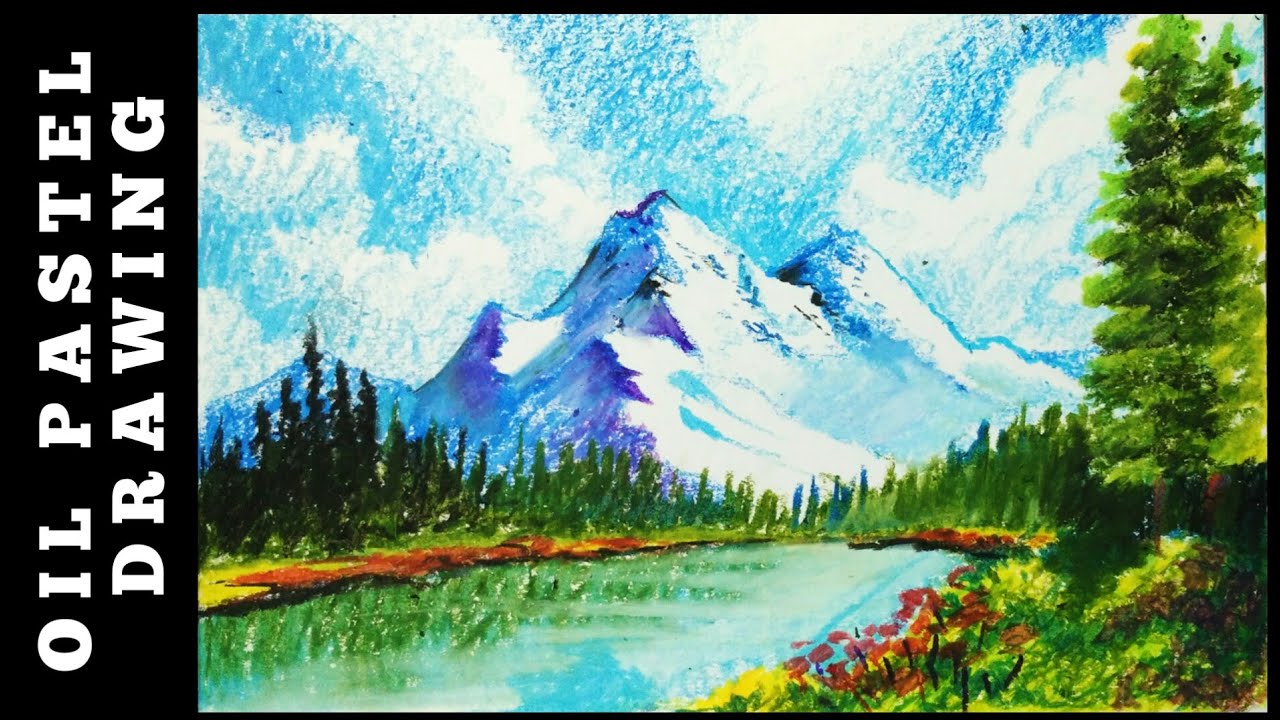
- Hatching and Cross-Hatching: Hatching and cross-hatching involve creating patterns of intersecting lines to achieve depth, texture, and tone. These techniques can be used to create detailed, high-contrast images.
- Soft and Hard Pastel Techniques: Soft pastels are ideal for creating delicate, nuanced colors, while hard pastels are best suited for bold, graphic lines. Experiment with both soft and hard pastels to achieve unique effects.
- Helping Line Method: This technique involves using a guiding line to ensure accurate placement and proportions of features. Print out a reference photo and use a ruler to draw guiding lines around key areas.
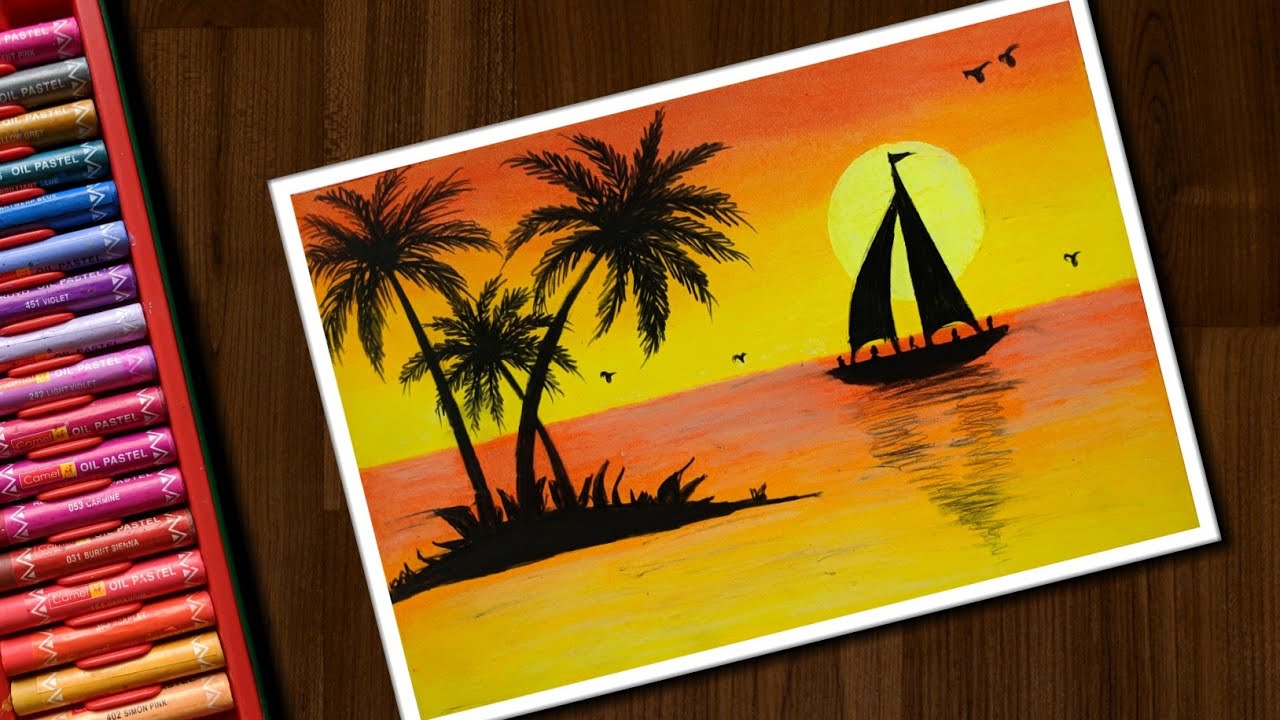
- Color Blending and Grading: Color blending involves mixing two or more colors to create a new hue. Grading involves gradually transitioning from one color to another, creating a soft, gradient effect.
Customizing Your Pastel Palette

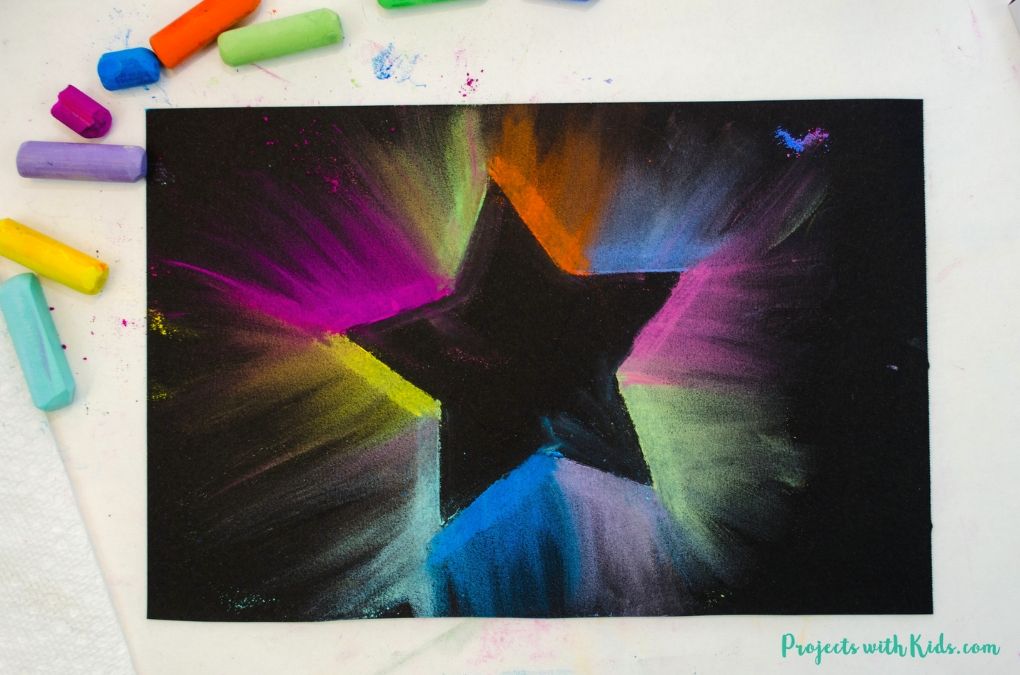
Choosing the right pastel colors is essential to creating stunning artwork. Consider customizing your palette by carefully selecting shades to achieve the desired effect. This involves choosing colors that blend harmoniously and create a cohesive visual experience.
Expert Tips and Tricks
To take your pastel painting to the next level, try these expert tips:
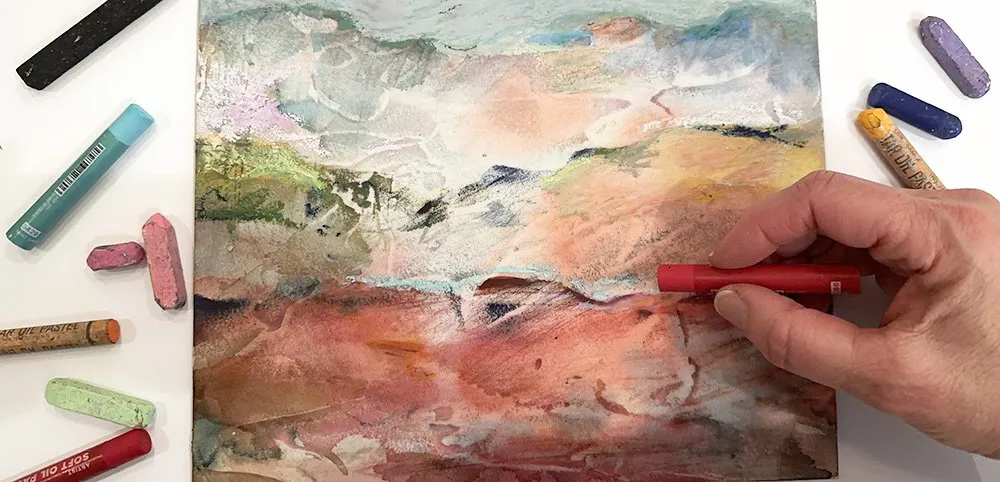
- Experiment with Different Surfaces: Try using various surfaces, such as paper, board, or even fabric, to create unique textures and effects.
- Play with Lighting and Shading: Lighting and shading can make or break a pastel painting. Experiment with different lighting setups and shading techniques to create dramatic effects.
- Practice, Practice, Practice: Like any medium, pastel painting requires practice to master. Experiment with different techniques and styles to develop your unique voice.
- Stay Loose and Flexible: Remember that pastel painting is all about experimentation and creative expression. Don't be afraid to try new things and make mistakes – they often lead to unexpected breakthroughs!
Conclusion
With these essential drawing techniques for pastel at your disposal, you're ready to unlock the full potential of this versatile medium. Remember to experiment with different techniques, surfaces, and styles to develop your unique voice as an artist. By mastering the basics and pushing the creative boundaries of pastel painting, you'll be well on your way to creating stunning artwork that showcases your skill and flair.