Digital Footprint Protection Methods Online
As we navigate the vast digital landscape, it's essential to be aware of our digital footprint, which is the trail of data we leave behind with every online activity. This article will explore effective methods to protect your digital footprint, maintain your online presence, and safeguard your personal data.
Understanding Your Digital Footprint
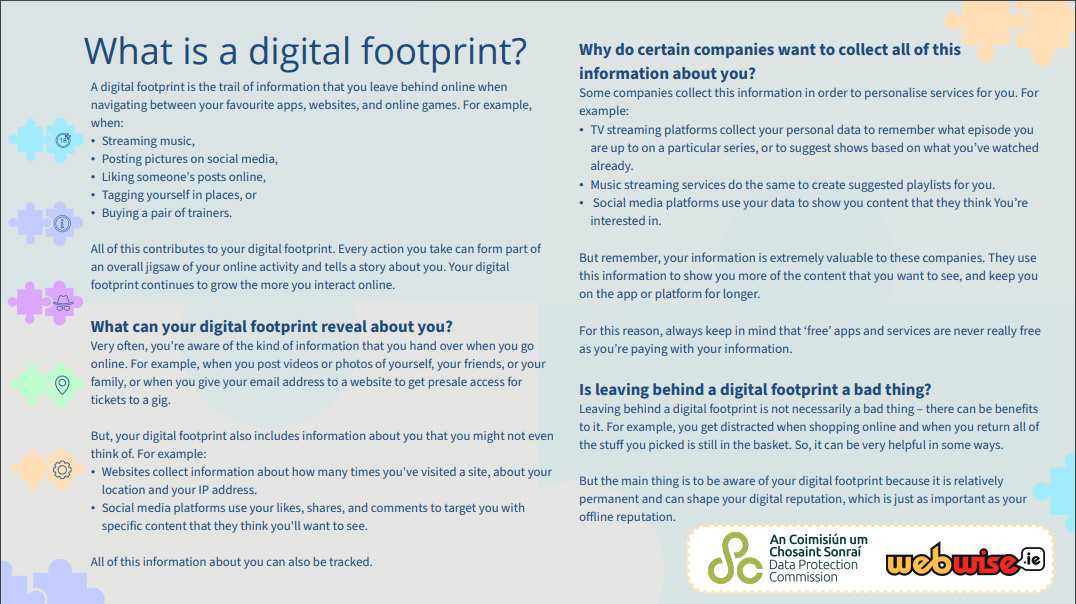
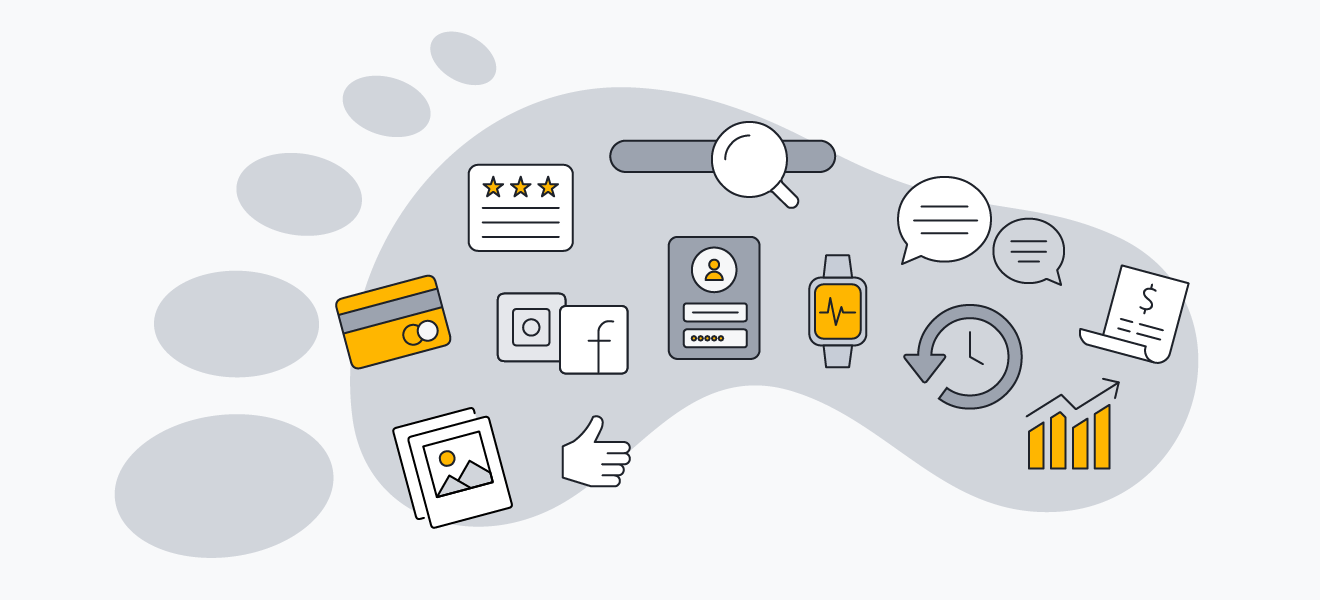
Before we dive into the ways to protect your digital footprint, it's crucial to understand what it entails. A digital footprint is the record of your online activities, including websites you've visited, emails you've sent, and data you've shared on social media. This information is often collected by websites, advertisers, and other online services, making it a vital aspect of online identity management.
Types of Digital Footprint
There are several types of digital footprints, including:
-
Personal or PII (Personally Identifiable Information) Footprint
This type of footprint includes sensitive personal data such as names, addresses, contact numbers, and credit card numbers.
-
Behavioral Footprint
This type of footprint is created through online behaviors, such as website interactions, search queries, and social media activity.
-
Logging and Interaction Footprint
This type of footprint includes logs of interactions with websites, browsers, and other online services, such as login attempts, errors, and success messages.
Protecting Your Digital Footprint
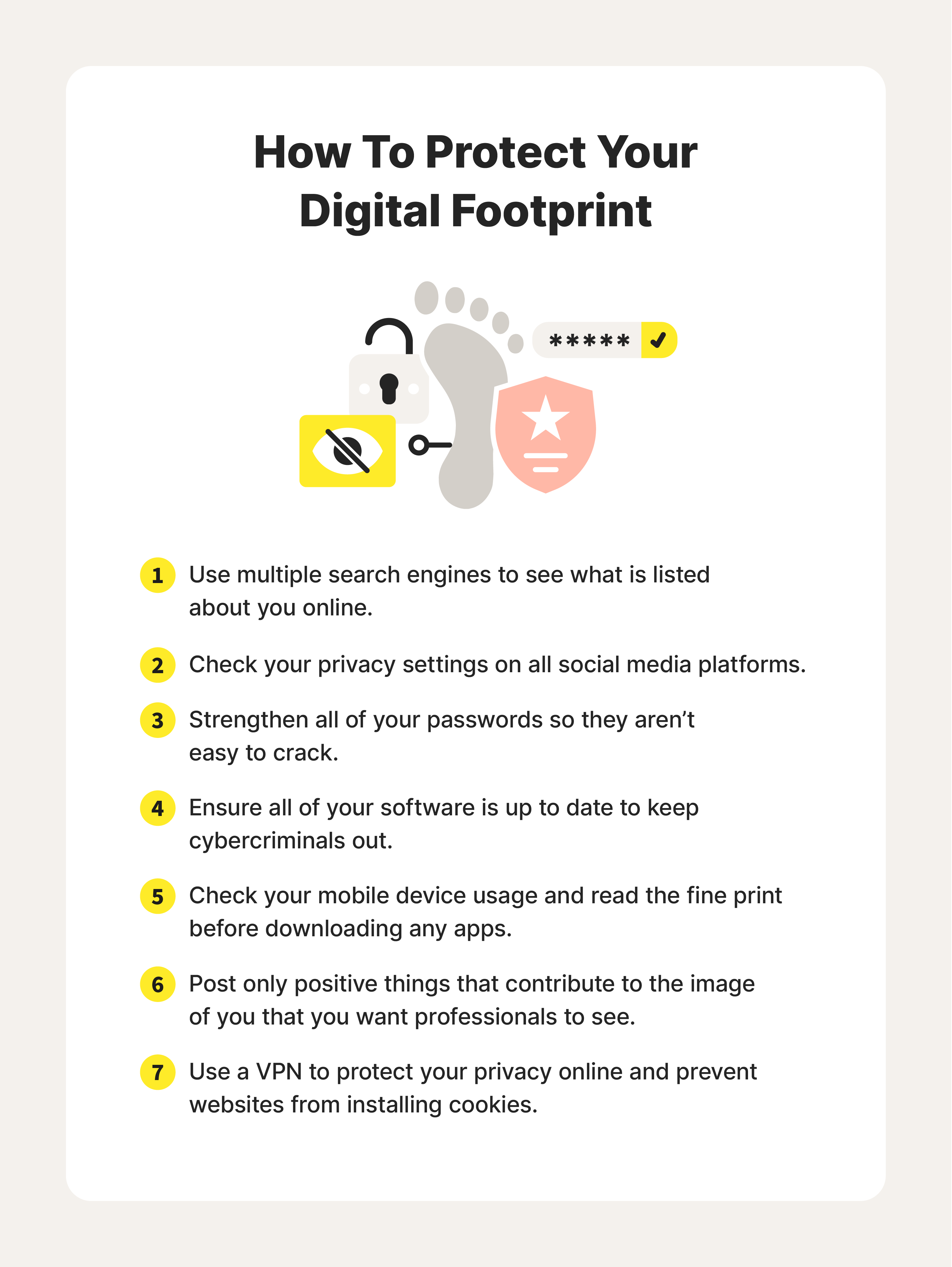
The good news is that you can take steps to minimize and control your digital footprint, ensuring your online presence is secure and private. Here are some methods to protect your digital footprint:
1. Use a Password Manager: Utilize a reputable password manager to securely generate and store unique, complex passwords for each of your online accounts.
2. Enable Two-Factor Authentication (2FA): Activate two-factor authentication on your online accounts to provide an additional layer of security
3. Use a Virtual Private Network (VPN): Consider using a VPN to encrypt your internet traffic and mask your IP address

4. Monitor Your Social Media Accounts: Regularly review your social media profiles, delete inactive accounts, and adjust your settings to control who can view your content.
5. Use Tracking Protection Tools: Utilize browser extensions like Ghostery or uBlock Origin to block trackers and minimize data collection.
6. Keep Your Software Up to Date: Ensure your operating system, browser, and other software are updated to protect against known vulnerabilities.
7. Clean Up Your Digital Footprint: Periodically review and delete unnecessary files, emails, and online activity to reduce your digital footprint.
Additional Tips for Protecting Your Digital Footprint
1. Use Incognito or Private Browsing Mode: Enable incognito or private browsing modes when accessing sensitive information or making purchases.
2. Be Mindful of Public Wi-Fi: Refrain from making sensitive transactions or accessing personal data on public Wi-Fi networks.
3. Use a Digital Inventory: Keep a digital inventory of your personal data, including financial records, identification documents, and sensitive information.
Conclusion
Protecting your digital footprint is an ongoing process that requires intentional actions. By understanding your digital footprint, recognizing the types of digital footprints, and implementing the methods outlined above, you can maintain online security, safeguard your personal data, and prevent cybercrime. Remember, taking control of your digital footprint is a proactive approach to managing your online presence and preserving your digital identity.