Digital Blue Light Strain: Understanding the Risks and Solutions
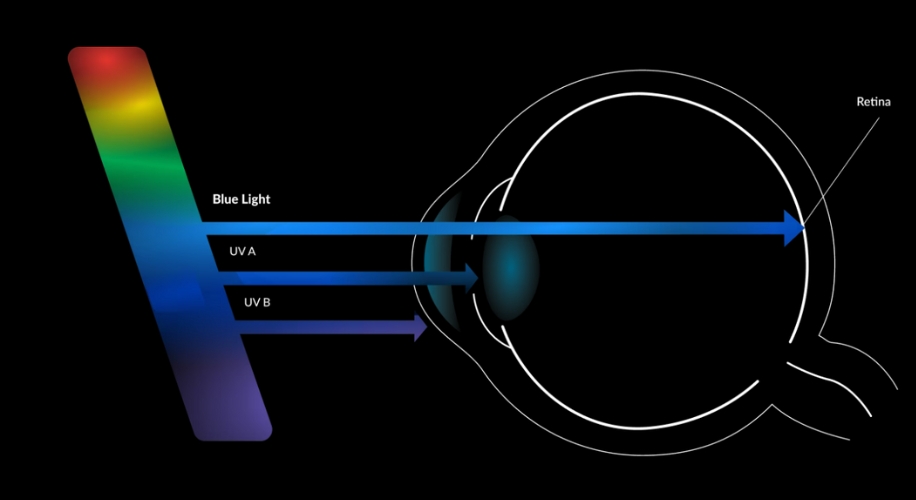
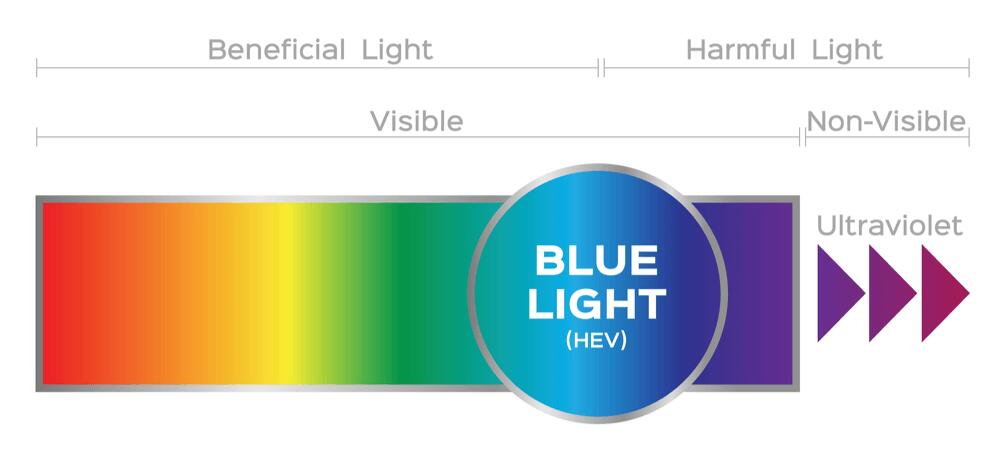
As we continue to spend more time staring at screens, from our smartphones and computers to our televisions and tablets, we're increasingly exposed to digital blue light. This type of high-energy visible light, emitted by digital devices, can cause a range of eye problems, from eye strain and fatigue to more serious issues like sleep disturbances and increased risk of eye disease. In this article, we'll explore the risks associated with digital blue light strain, examine the latest research on its impact, and discuss the available solutions to mitigate its effects.
What is Digital Blue Light Strain?
Digital blue light strain, also known as computer vision syndrome, refers to a group of eye and vision-related problems caused by prolonged use of digital devices. Symptoms include eye strain, dryness, irritation, and sensitivity, particularly after prolonged screen time. Digital blue light emitted by screens competes with natural light and disrupts the body's natural rhythms, leading to circadian disruption and potential consequences for overall health.
The Risks of Digital Blue Light Strain
- Eye strain and fatigue
- Dryness and irritation
- Increased risk of eye disease, such as cataracts and macular degeneration
- Sleep disturbances and circadian disruption
- Decreased visual performance and reduced depth perception
The Impact of Digital Blue Light on Sleep
Exposure to digital blue light, particularly in the evening, can interfere with the body's natural production of melatonin, the hormone regulating sleep-wake cycles. This can lead to sleep disturbances, reduced sleep quality, and increased risk of related health problems. Reducing exposure to digital screens before bedtime or using blue light filtering glasses or software can help mitigate this risk.
Solutions to Digital Blue Light Strain
Fortunately, there are several solutions to mitigate the risks associated with digital blue light strain. These include:

Blue light filtering glasses or software:
- Blue light blocking glasses can reduce eye strain and improve sleep quality
- Software such as f.lux and Iris can automatically adjust screen color and brightness to reduce eye strain
Screen time management:
- Establish a screen-free "blue light curfew" before bedtime
- Use apps or software to track and limit screen time
Eye care and self-care:
- Follow the 20-20-20 rule: look away from the screen every 20 minutes and focus on something 20 feet away for 20 seconds
- Take regular breaks to rest your eyes and stretch your body
Eye protection technology:
- Advanced blue light filtering technology can reduce eye strain and improve sleep quality
- Some screen protectors and glasses feature built-in blue light filtering capabilities
Conclusion
Digital blue light strain is a growing concern in today's digital age. By understanding the risks associated with excessive digital blue light exposure and implementing strategies to mitigate its effects, we can protect our eye health, reduce eye strain, and promote better sleep. Whether you wear blue light filtering glasses, adjust your screen settings, or practice good eye care habits, there are solutions available to help you navigate the digital world with healthier eyes.
Recommended Products for Digital Blue Light Strain Relief
- Cyxus Antiblue Light Glasses
- Gamma Ray Blue Light Blocking Glasses
- Blue Light Protection Spray
- Advanced Blue Light Filtering Software
Take Action to Protect Your Eyes
Don't ignore the risks of digital blue light strain. Take control of your eye health today by implementing the solutions outlined in this article. Your eyes will thank you!
Consult a Healthcare Professional
For personalized advice on managing digital blue light strain and protecting your eye health, consult a healthcare professional or optometrist. They can provide tailored recommendations and guidance based on your specific needs and circumstances.