Designing for User Experience: A Comprehensive Guide
User experience (UX) design is the process of creating products, systems, or services that are straightforward, user-friendly, and meaningful. It's all about designing easy-to-use solutions that meet a specific need or solve a particular problem. If you want to manage your finances online, for example, you'll need a mobile app that meets your needs.
What is UX Design?
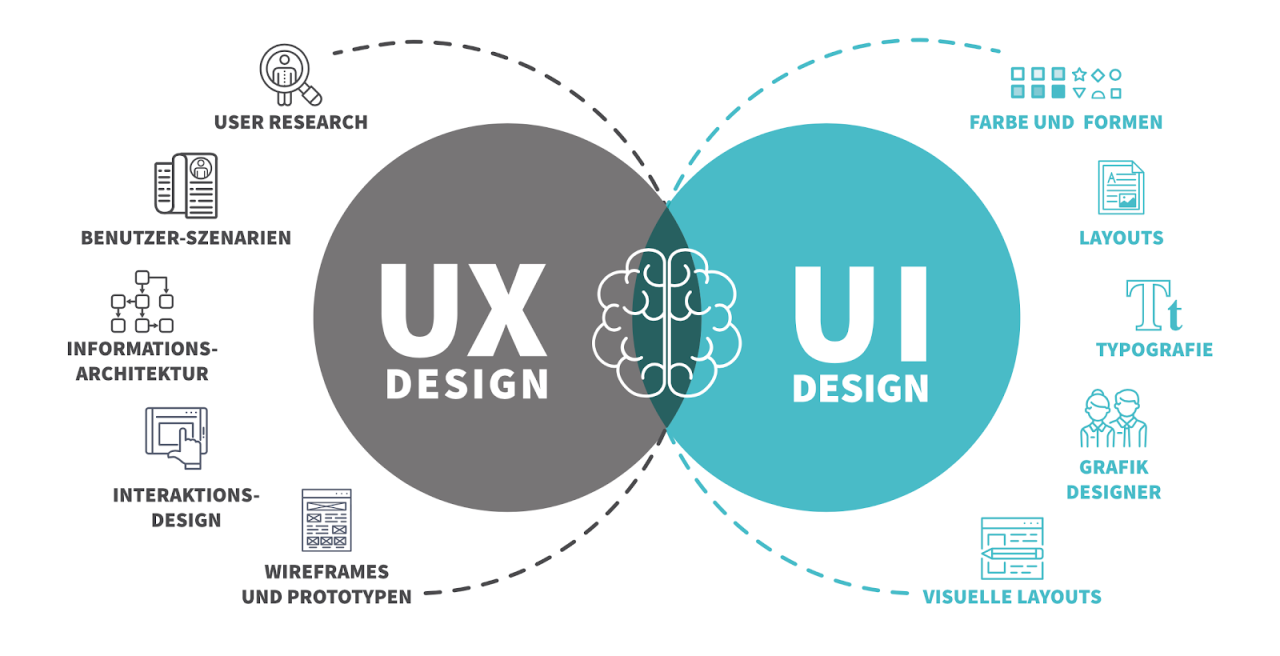
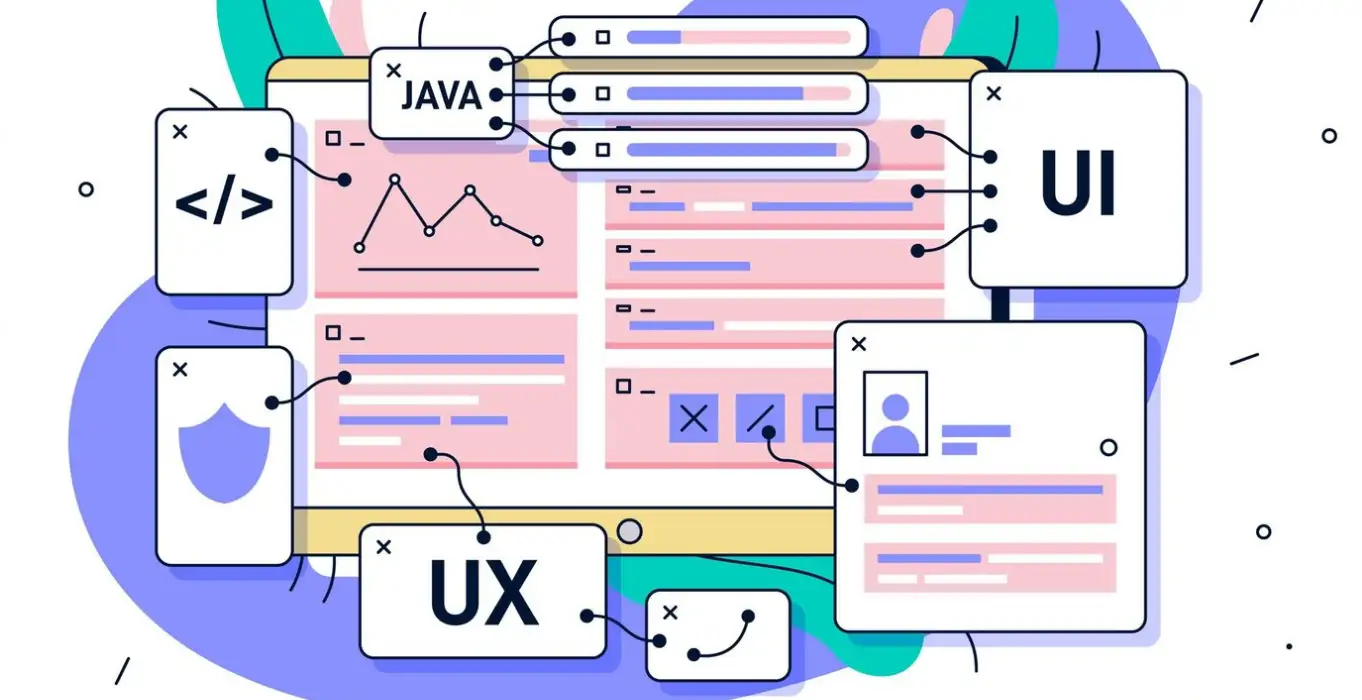
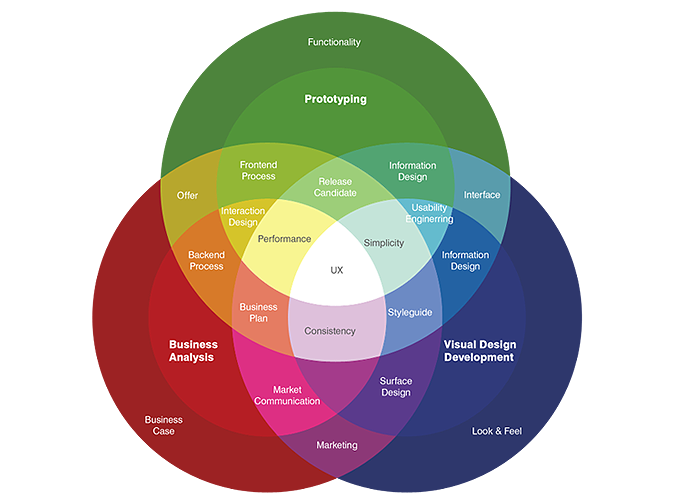
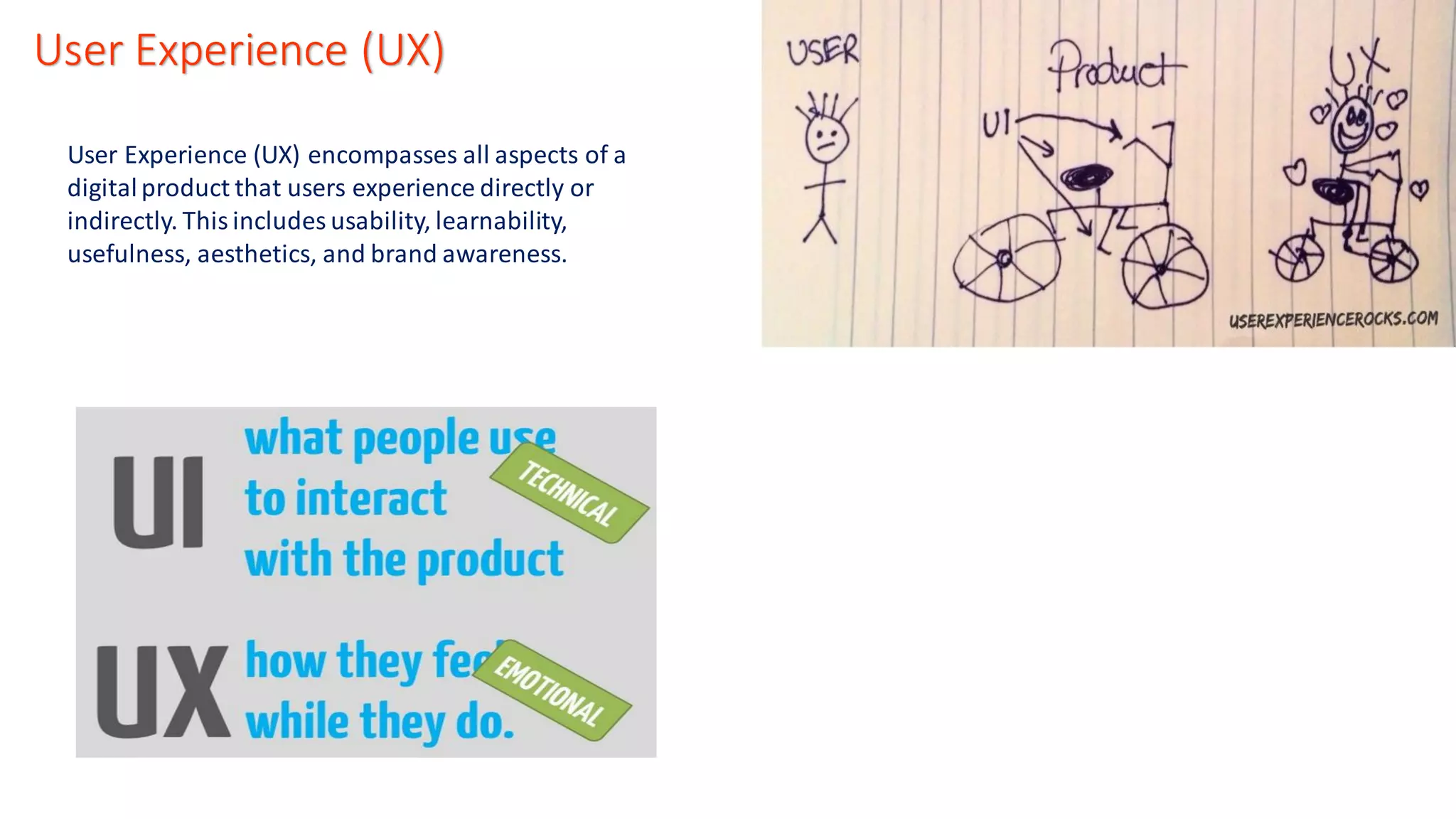
UX design, or user experience design, is a process that focuses on how users interact with and feel about a product. The goal is to ensure a smooth, effective, and meaningful experience for users by improving product usability, accessibility, and visual appeal, thereby increasing user satisfaction.
Understanding User Needs
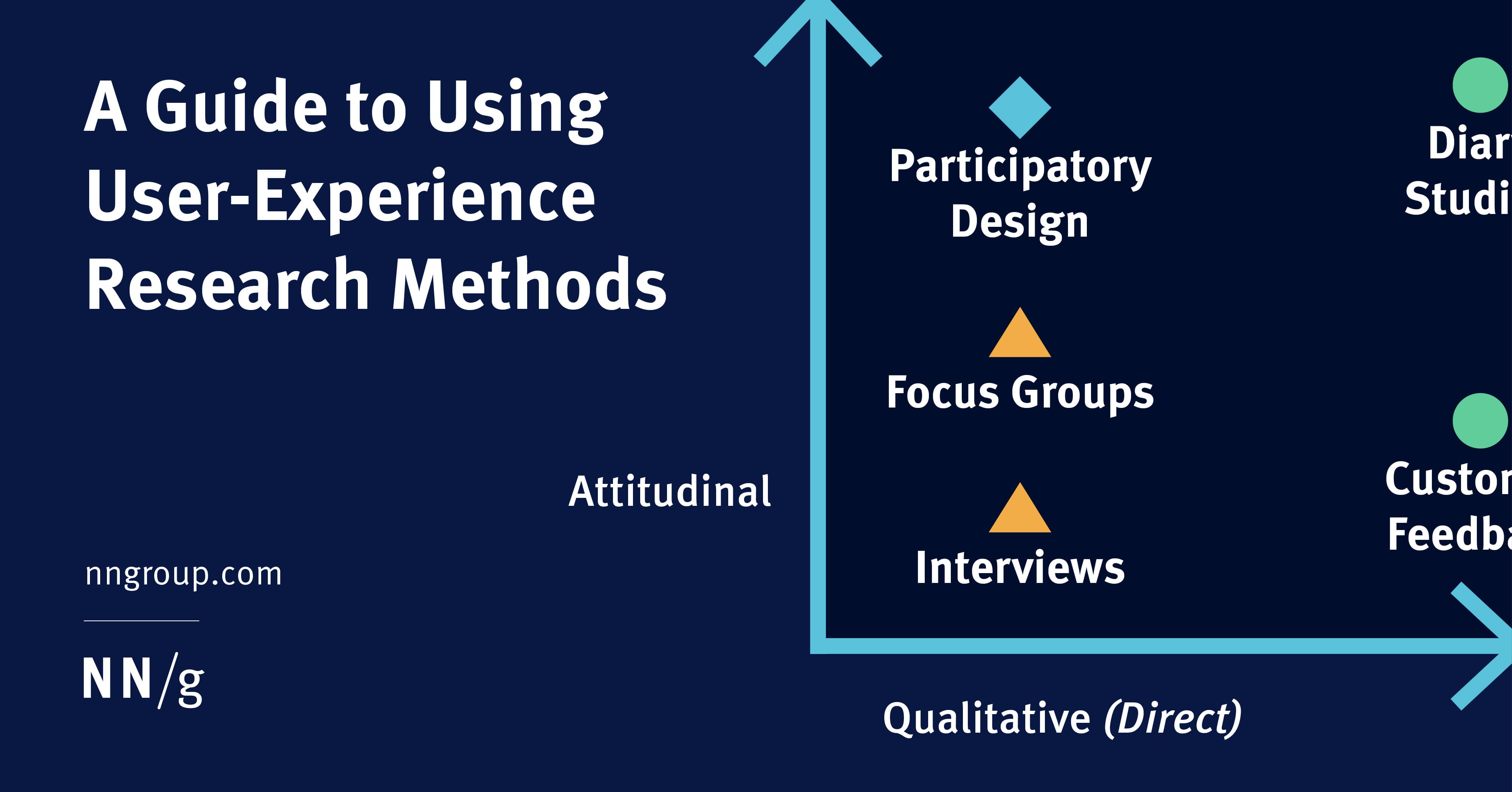
User experience design is a user-centered design approach that considers the user's experience when using a product or platform. Research, data analysis, and test results drive design decisions in UX design rather than aesthetic preferences and opinions. By understanding user needs and expectations, designers can create products that meet their needs and improve their overall experience.
The UX Design Process
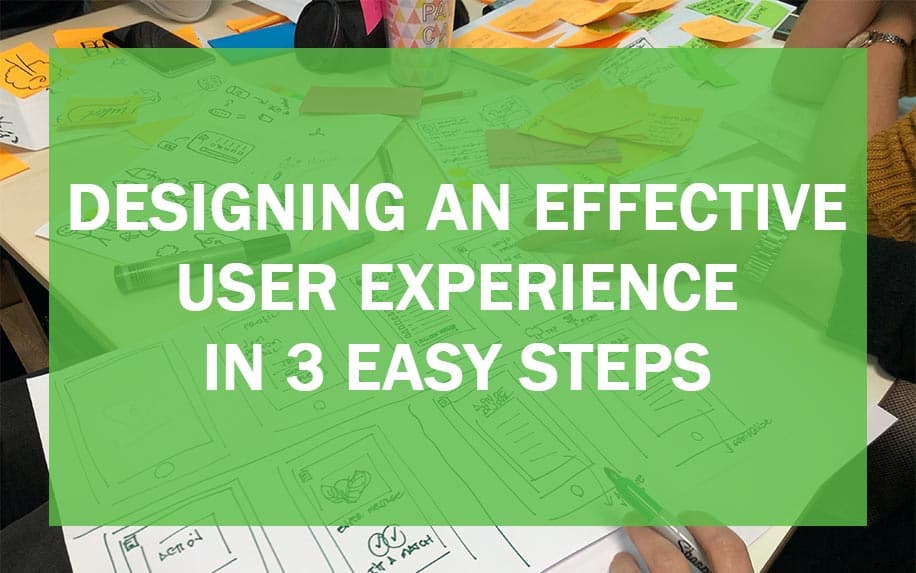
The UX design process begins at understanding the objectives of a business and how best to serve a target audience. By comprehending the psychology of a user, as well as applying widely accepted methods, it's possible to provide them with a positive and memorable experience. A good UX design process includes the following steps:
- Define the problem or objective
- Conduct user research and analysis
- Develop wireframes and prototypes
- Conduct usability testing and obtain user feedback
- Refine and iterate on the design
Designing for User Experience
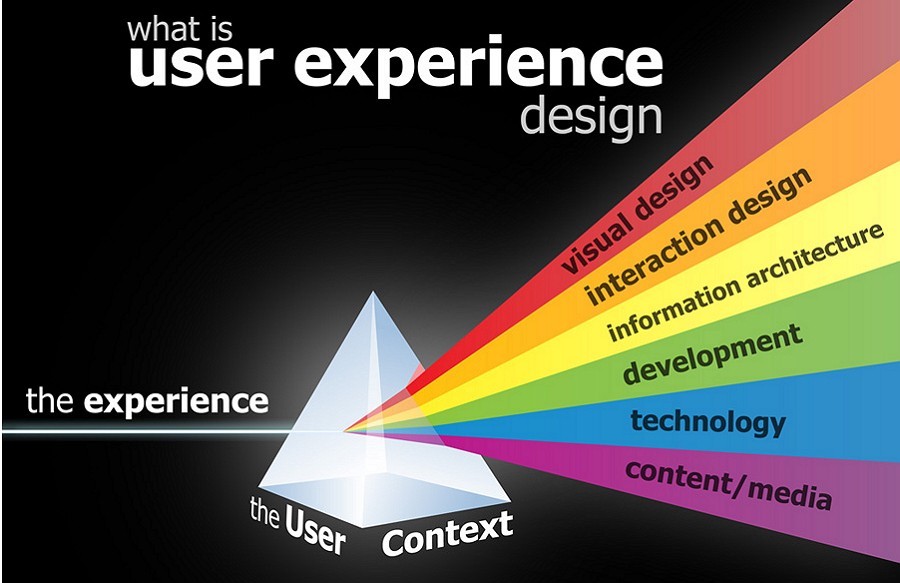
Designing for user experience is crucial for businesses that want to succeed in today's competitive market. By creating products that are intuitive, accessible, and aligned with user needs, businesses can improve user satisfaction, retention, and overall business success. The following are some design principles for user experience:
- Simple and intuitive design
- Accessibility and usability
- Clear and concise communication
- Consistency and coherence
- Feedback and clear progress indication
Best Practices for UX Design
UX design is a continually evolving field, and best practices can change over time. However, some principles remain constant. Here are some best practices for UX design:
- Conduct user research and testing
- Use user feedback and analytics to inform design decisions
- Test and iterate on the design
- Use a mobile-first approach
- Ensure consistency and coherence across the product
Conclusion
Designing for user experience is essential for businesses that want to succeed in today's competitive market. By creating products that are intuitive, accessible, and aligned with user needs, businesses can improve user satisfaction, retention, and overall business success. By following the best practices outlined in this guide, businesses can create products that meet the evolving needs of their users and stay ahead of the competition.
Further Reading
For more information on UX design, including courses and resources, check out the following:
- Offered by Microsoft: Designing for User Experience
- UX Design: How to Create Seamless & Intuitive Experiences
- UX Design Fundamentals, Design Thinking, Prototyping, User Research, Wireframing, Workflow, and Usability Testing
- Experts discuss UX design best practices and the importance of user feedback in designing better user experiences.




![Free UI / UX Design Course with Certificate [2026]](https://assets-global.website-files.com/5b29b478056829d173e3e394/6397f2bc718e95f35c072753_7-principles-of-ux-design-UsabilityHub.png "Free UI / UX Design Course with Certificate [2026]")