Mastering Computer Troubleshooting Techniques: A Comprehensive Guide
In today's digital age, computer troubleshooting is an essential skill that everyone should possess. Whether you're a seasoned IT professional, a student, or an everyday tech user, having a good understanding of computer troubleshooting techniques can save you time, money, and frustration in the long run.
Basic Principles of Troubleshooting
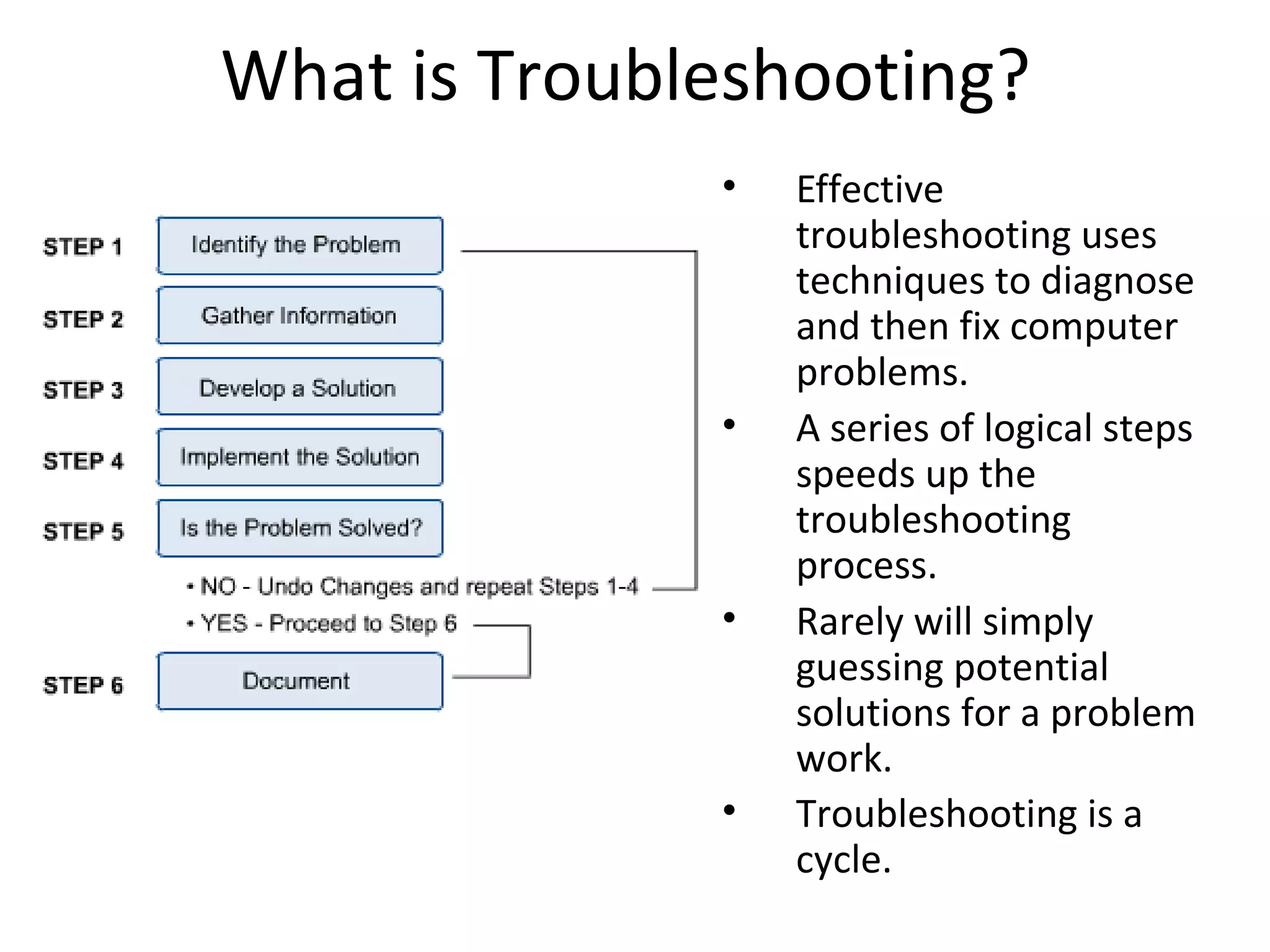
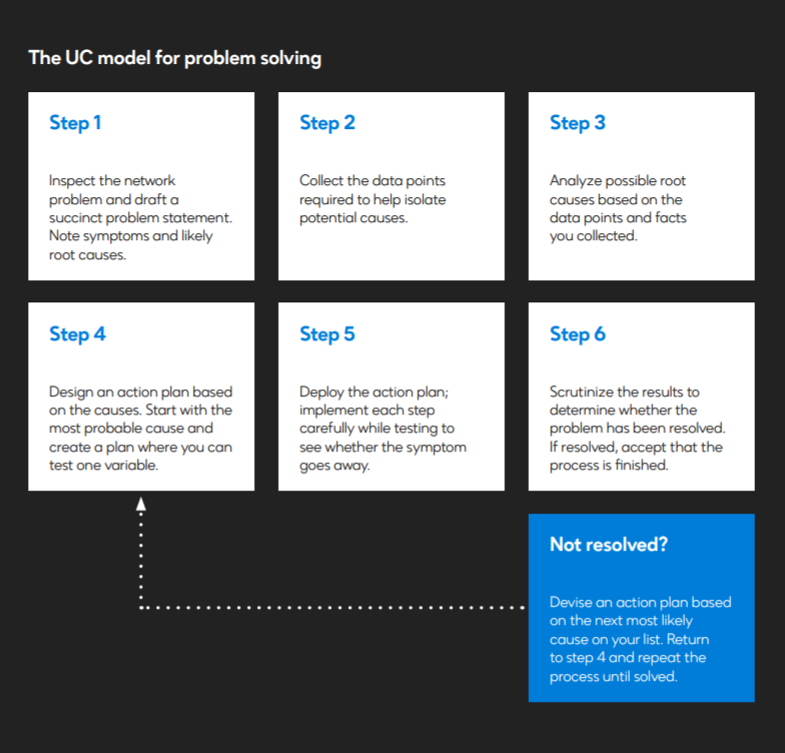
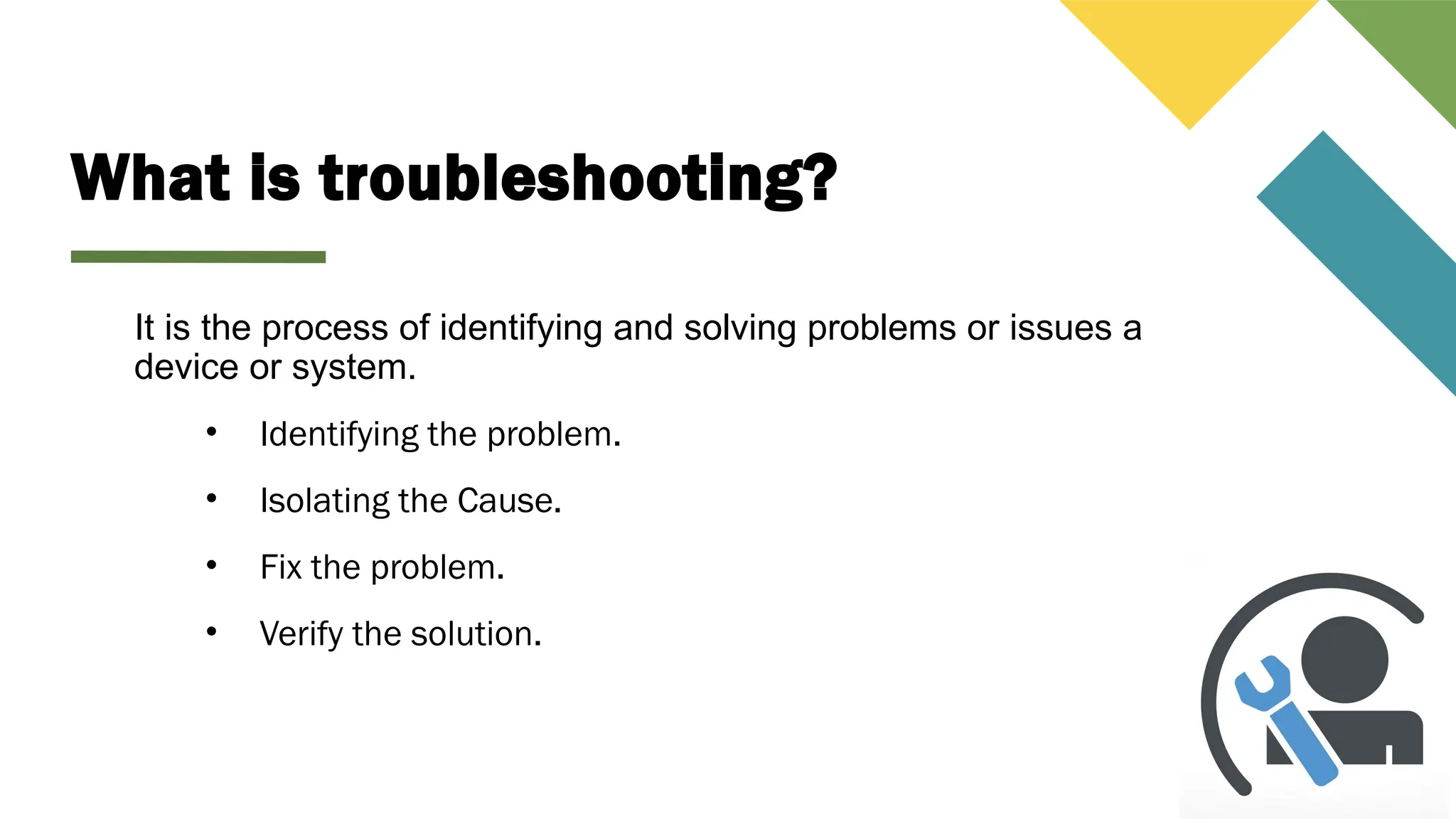
Troubleshooting is a systematic process that involves identifying and solving problems in complex machines, electronics, computers, and software. It's a problem-solving approach that requires a logical and methodical approach to diagnose and fix issues. In this article, we'll cover the basic principles of troubleshooting, common computer issues and solutions, and advanced troubleshooting techniques.
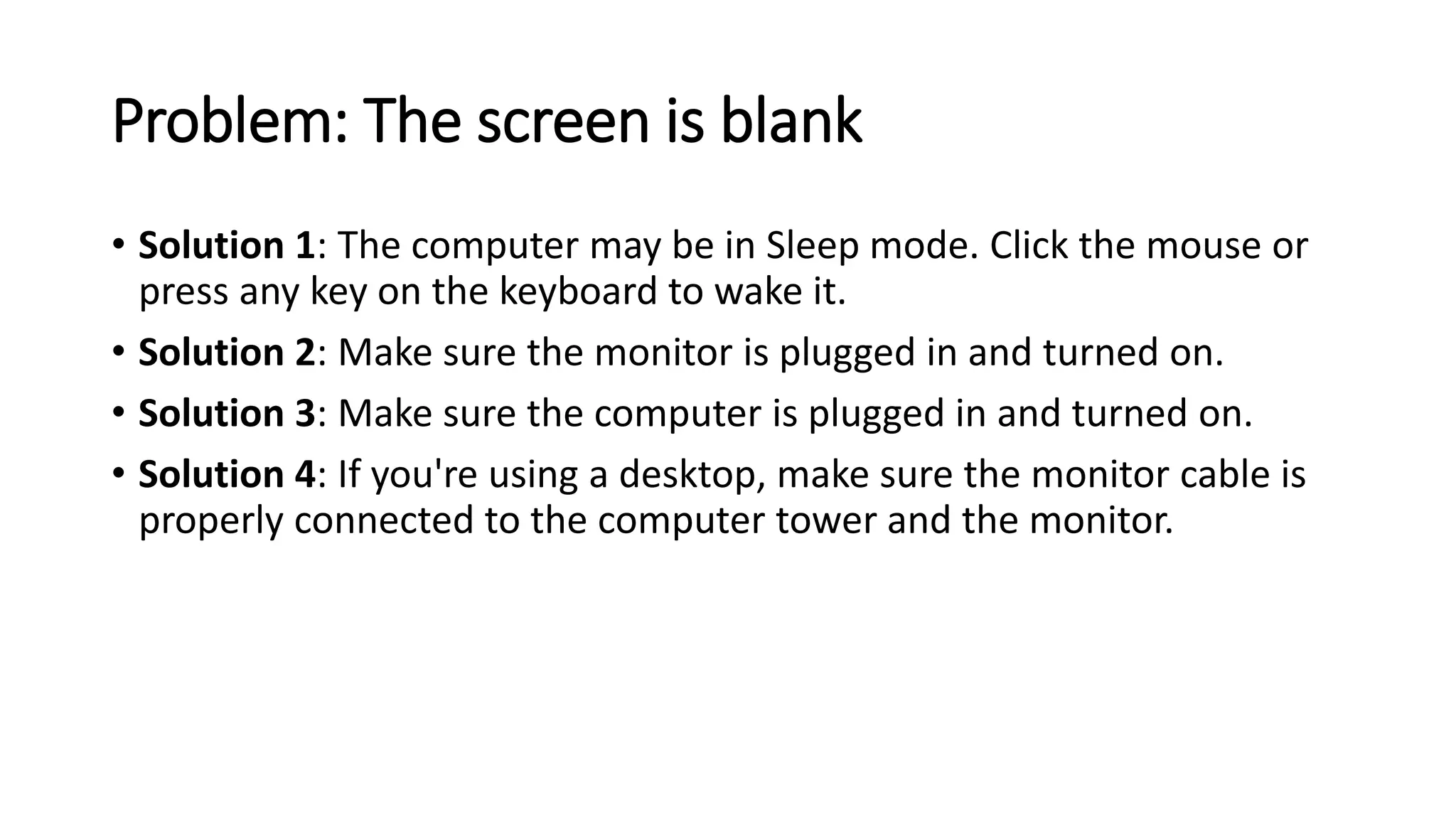
Common Computer Issues and Solutions
Hardware Problems
Hardware problems are common issues that can be caused by faulty or malfunctioning hardware components. Some common hardware problems include:
- Blue screen of death (BSOD)
- Device driver issues
- Hardware compatibility problems
- Power supply unit (PSU) issues
Software Problems
Software problems are issues caused by faulty or malfunctioning software components. Some common software problems include:
- Operating system crashes
- Application issues
- System file corruption
- Malware infections
Network and Internet Issues
Network and internet issues are problems that arise from connectivity or compatibility issues. Some common network and internet issues include:
- Slow internet speeds
- Connection drops
- Network authentication issues
- Firewall configuration problems
Advanced Troubleshooting Techniques
Advanced troubleshooting techniques involve using specialized tools and methods to diagnose and fix complex issues. Some advanced troubleshooting techniques include:
- Differential diagnosis
- Debugging
- Memory dumping
- System file checking
Preventive Maintenance
Preventive maintenance is the practice of performing regular maintenance tasks to prevent issues from arising in the first place. Some common preventive maintenance tasks include:
- Backups
- Regular software updates
- Hardware maintenance li>Clean-ups and optimization
When to Seek Professional Help
While troubleshooting can be a fun and rewarding experience, there are times when it's best to seek professional help. Some scenarios where you should seek professional help include:
- Complex system failures
- System crashes or blue screens
- Malware infections
- Hardware malfunctions
Tools for Computer Troubleshooting
There are many tools available to aid in computer troubleshooting. Some common tools include:
- System information tools (e.g., msinfo32)
- Diagnostic tools (e.g., Windows Troubleshooters)
- Debugging tools (e.g., Windows Debuggers)
- Networking tools (e.g., Wireshark)
Conclusion
Mastering computer troubleshooting techniques is an essential skill that can save you time, money, and frustration in the long run. By understanding the basic principles of troubleshooting, common computer issues and solutions, and advanced troubleshooting techniques, you can become a proficient troubleshooter and tackle even the most complex issues with confidence. Remember to practice good preventive maintenance and seek professional help when needed, and you'll be well on your way to becoming a computer troubleshooting expert.