Spicy Food and Fetal Development: Separating Fact from Fiction
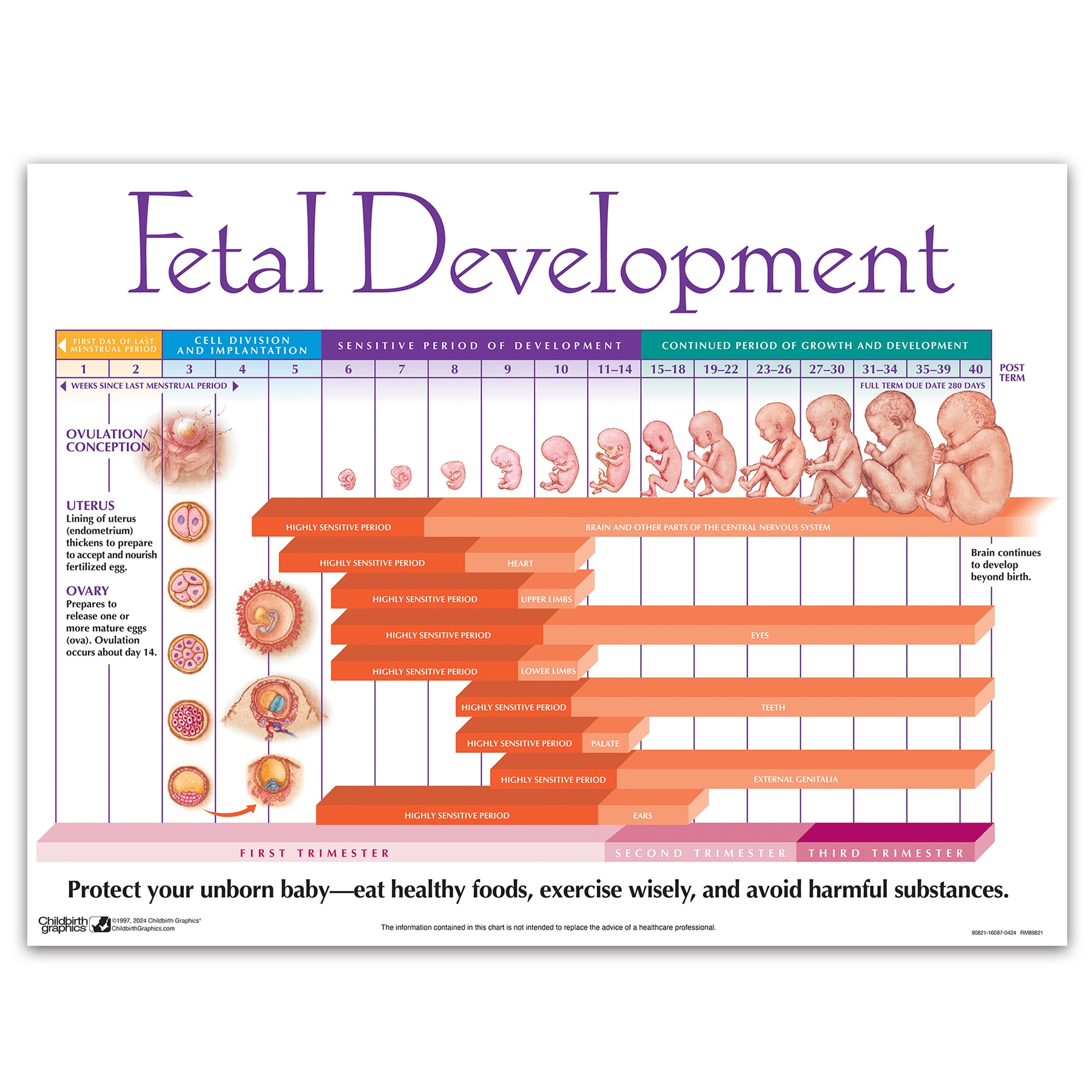
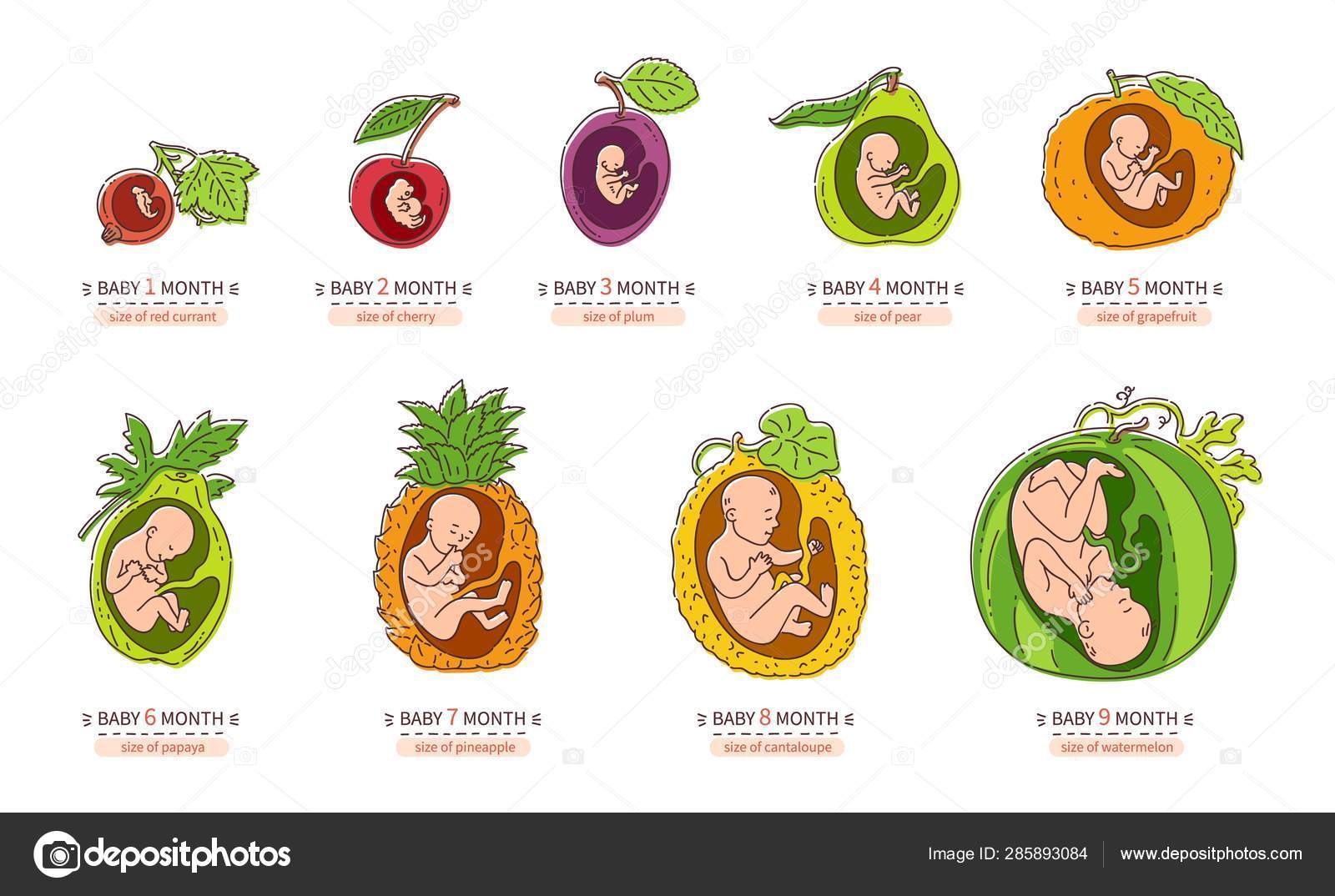
Pregnancy is a complex and multifaceted experience, marked by a range of physical, emotional, and dietary changes. While many expectant mothers are aware of the need to maintain a balanced diet to support fetal development, some are left wondering about the safety of spicy food during pregnancy.
A Myth-Busting Guide to Spicy Food and Fetal Development
There are many myths surrounding spicy food and fetal development. For instance, some people believe that consuming spicy food during pregnancy can cause the baby in the womb to feel sore, or that it can lead to baldness in newborns. However, the evidence suggests otherwise.
Is Spicy Food Safe During Pregnancy?
Contrary to popular myths, there is no conclusive evidence to suggest that consuming spicy food during pregnancy is harmful to either the mother or the developing fetus. A 2022 study published in the Journal of Nutrition and Food Sciences found that moderate consumption of pepper soup during pregnancy did not significantly impact fetal development or maternal health.
The Impact of Spicy Food on Maternal Health and Fetal Development
While spicy food may not be directly linked to adverse outcomes for the fetus, it can still have an impact on maternal health. Consuming spicy food can trigger heartburn and abdominal pain in some individuals, particularly in the third trimester. Furthermore, excessive consumption of spicy food may lead to digestive issues, such as diarrhea or vomiting.
Tips for Enjoying Spicy Foods During Pregnancy
- Practice moderation: While spicy food is generally considered safe during pregnancy, extreme consumption can lead to discomfort and potentially harm maternal health.
- Choose mild options: Opt for milder versions of spicy dishes or adjust the level of heat to suit your taste buds.
- Pair with dairy: Dairy products, such as milk or yogurt, can help neutralize the heat of spicy food.
- Stay hydrated: Drinking plenty of water can help alleviate digestive discomfort caused by spicy food.
Can Spicy Food Affect Fetal Development?
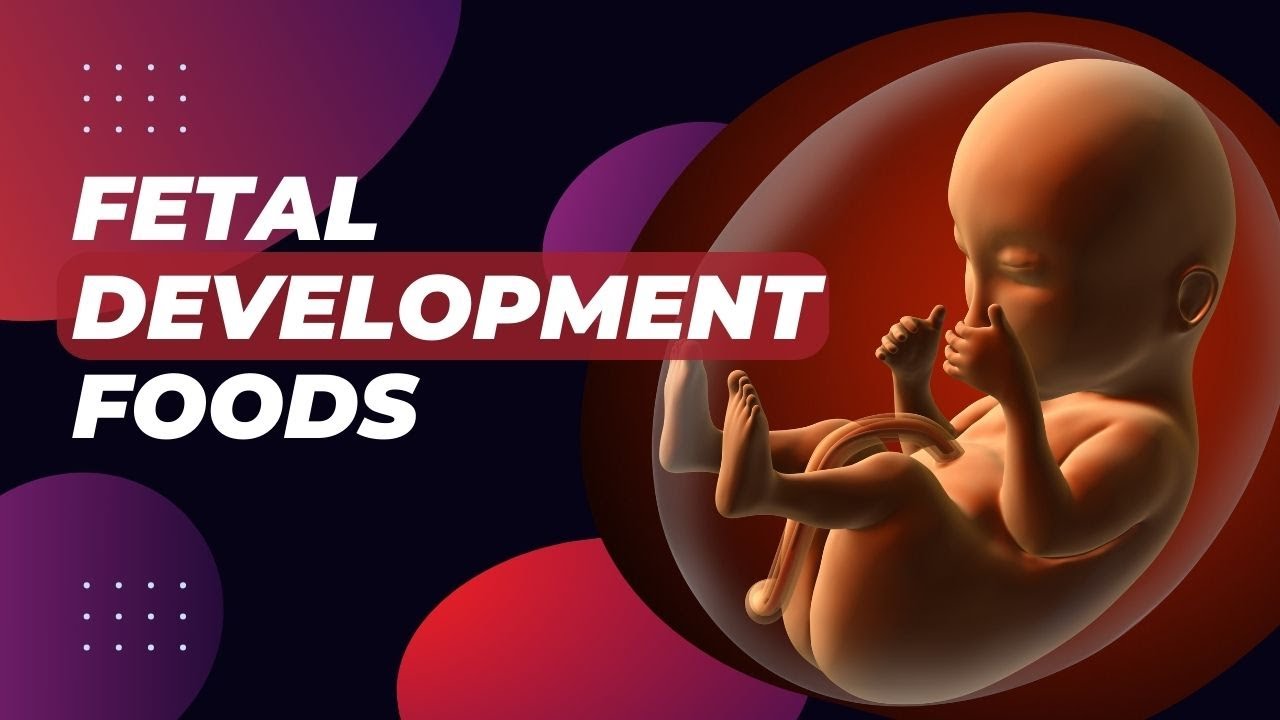
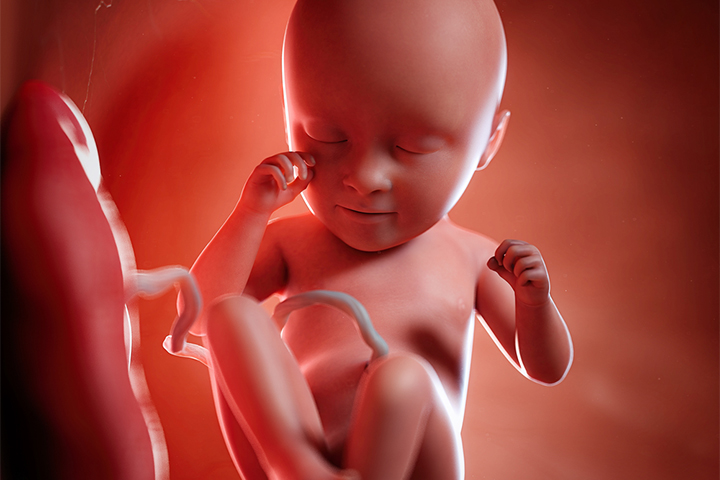
Some research suggests that babies in the womb may be able to taste and respond to flavors, including spicy food. However, this does not necessarily mean that spicy food has a lasting impact on fetal development. In fact, a 2018 study published in the Journal of Perinatology found that babies' preferences for sweet or sour tastes developed in the womb, but not a preference for spicy food.
Conclusion
In conclusion, while spicy food may not be directly linked to adverse outcomes for the fetus, it is essential for expectant mothers to maintain a balanced diet and practice moderation when consuming spicy food. By following the tips outlined above and staying informed about the latest research, pregnant women can enjoy their favorite spicy dishes while ensuring a healthy pregnancy and fetal development.
Key Takeaways
- Spicy food is generally considered safe during pregnancy, but moderation is key.
- Consuming excessive spicy food can lead to discomfort and potentially harm maternal health.
- Babies in the womb may be able to taste and respond to flavors, including spicy food.
- Staying hydrated and pairing spicy food with dairy products can help alleviate digestive discomfort.