Understanding Addiction to Video Games: A Growing Concern
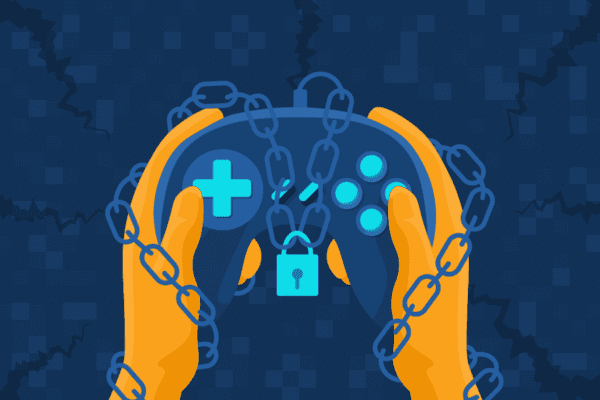
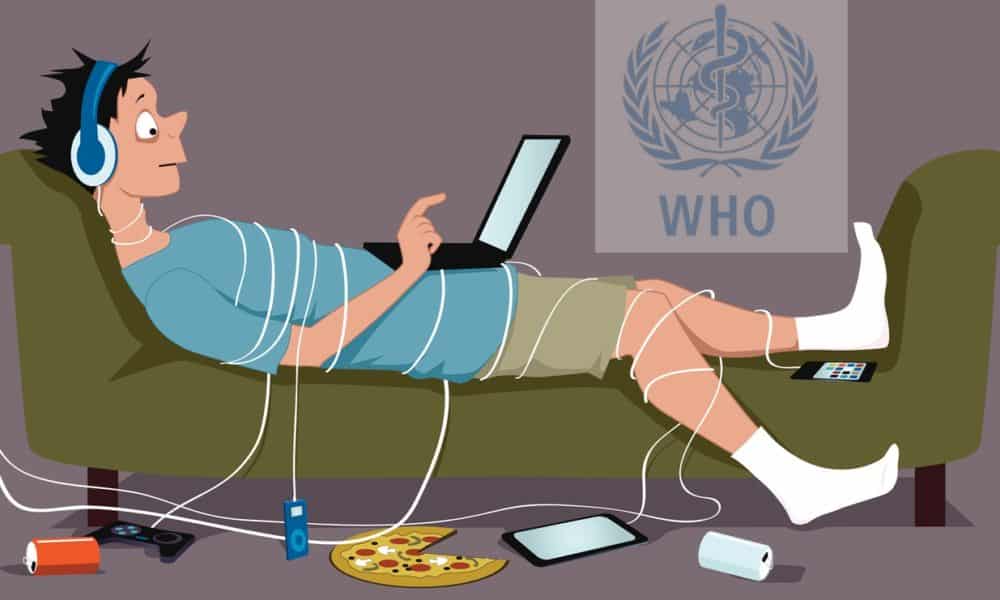
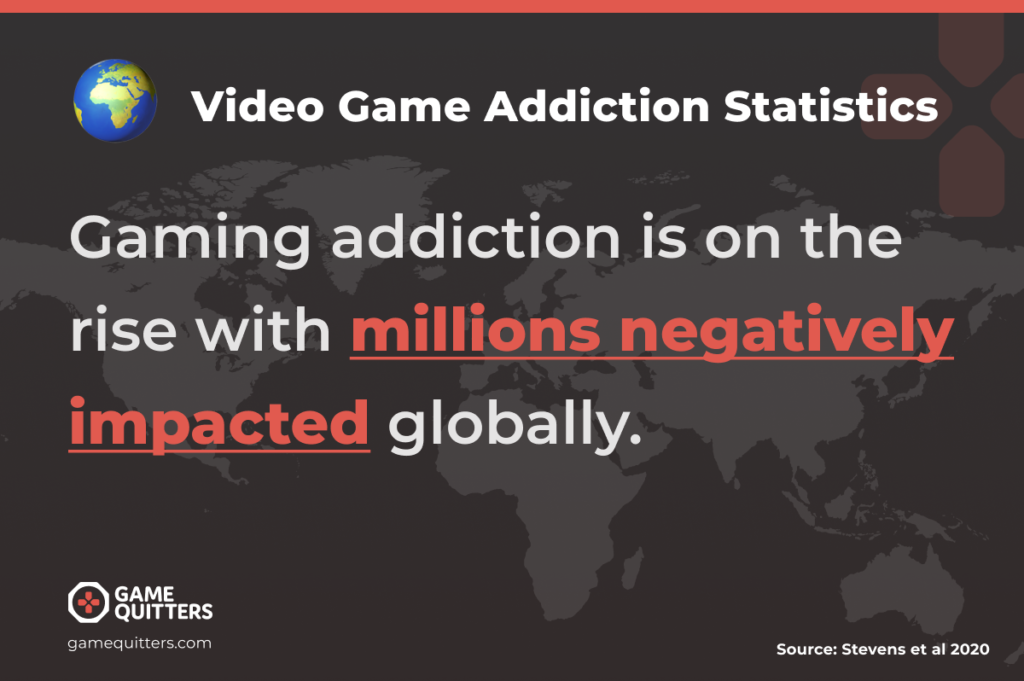
With the rise of digital technology and online gaming, the world has witnessed a significant increase in the number of people developing an addiction to video games. Videogame addiction, also known as internet gaming disorder, is a condition characterized by severely reduced control over gaming habits, resulting in negative consequences in various aspects of life, including self-care, relationships, school, and work.
What is Videogame Addiction?
Videogame addiction is a complex issue that affects individuals from all walks of life. It is a pattern of game-playing behavior involving online gaming or offline video games that is difficult to control and interferes with various aspects of life. Gaming disorder, or videogame addiction, is a recognized mental health condition that involves the compulsive use of video games, leading to negative consequences in relationships, work, and overall well-being.
Signs of Videogame Addiction
- Excessive gaming time, often to the point of neglecting other responsibilities
- Irritability or restlessness when unable to play games
- Continued gaming despite negative consequences, such as relationship problems or poor academic performance
- Secrecy about gaming habits and frequent lying about the amount of time spent gaming
- Withdrawal symptoms, such as headaches or nausea, when unable to play games
Why Do People Get Addicted to Video Games?
Research suggests that videogame addiction is linked to the release of dopamine, a neurotransmitter associated with pleasure and reward. Engaging in gaming activates the brain's reward system, releasing dopamine and creating a feeling of pleasure. This can lead to a vicious cycle, where individuals become hooked on the feeling of excitement and satisfaction they experience while gaming.
The Impact of Videogame Addiction
Videogame addiction can have severe negative consequences, including:
- Strained relationships with family and friends
- Decline in academic or work performance
- Sleep disturbances and other physical health problems
- Increased stress and anxiety
- Social isolation and decreased social skills

Seeking Help for Videogame Addiction
Fortunately, help is available for individuals struggling with videogame addiction. Treatment options include:
- Therapy: Cognitive-behavioral therapy, family therapy, and group therapy can be effective in addressing underlying issues and developing coping mechanisms.
- Support groups: Joining a support group, such as a 12-step program, can provide a sense of community and accountability.
- Recovery programs: Specialized programs, such as the National Center for Responsible Gaming, offer guidance and support for overcoming addiction.
Prevention and Awareness
Preventing videogame addiction requires awareness and education. Parents, caregivers, and educators can play a crucial role in:
- Monitoring gaming habits and setting limits
- Encouraging a balanced lifestyle, including physical activity and social interactions
- Educating children about the risks and consequences of videogame addiction
Conclusion
Videogame addiction is a complex issue that requires attention and understanding. By recognizing the signs, understanding the reasons behind it, and seeking help, individuals can overcome videogame addiction and lead a healthy and balanced life. Awareness, education, and support are essential in preventing and treating videogame addiction.
Related Topics
- Internet Gaming Disorder
- Behavioral Addiction
- Video Game Design
- Recovery Programs