The No Phubbing Challenge: Understanding the Threat to Relationships and Mental Health
Phubbing, a term coined by combining "phone" and "snubbing," refers to the act of ignoring or shunning someone in favor of your phone. This modern challenge can significantly affect the quality of relationships, and it's essential to recognize the harm it can cause and take proactive steps to address it. In this article, we'll delve into what the No Phubbing Challenge is, its impact on relationships and mental health, and provide practical tips to help you reduce this behavior and cultivate meaningful connections.
The Consequences of Phubbing on Relationships
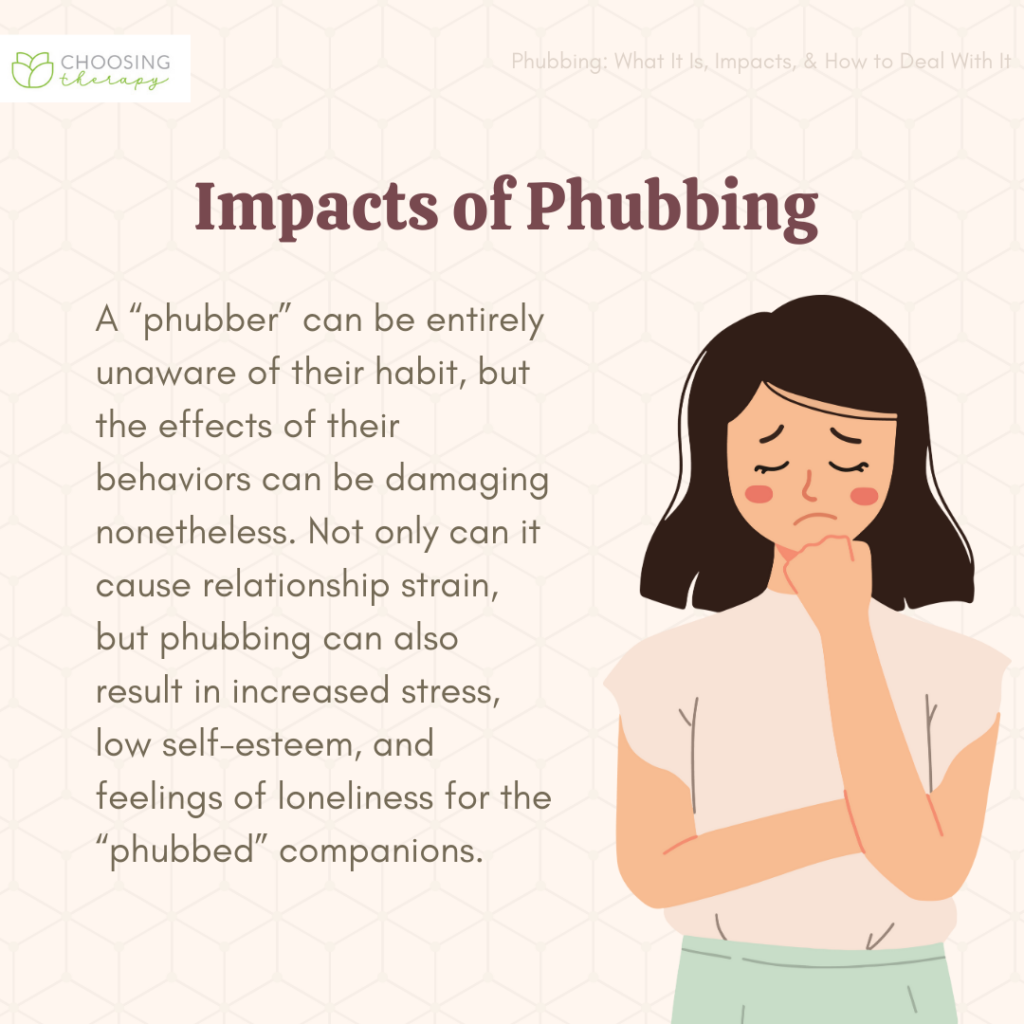
Studies have shown that phubbing has a negative impact on emotional closeness and relationship satisfaction. When you constantly check your phone, you send a message that you find your device more interesting than the person you're with. This can lead to feelings of neglect, reduced sense of satisfaction, and even conflict in relationships. In fact, a study found that as the level of phubbing becomes extensive, participants showed greater threat to their basic four fundamental needs, particularly affecting their need to feel belonged.
Signs of Phubbing: Are You Guilty of Ignoring Your Partner or Friends?
- Do you constantly check your phone during conversations?
- Do you mindlessly scroll through social media while interacting with others?
- Do you often glance at your phone during social gatherings or dates?
- Do you feel anxious or uncomfortable when you're not able to check your phone?
If you've identified with any of these signs, it's essential to acknowledge the issue and take steps to address it. Remember, phubbing can have severe consequences on your relationships and mental health.
Breaking Free from Phubbing: Practical Tips for a Healthier Relationship

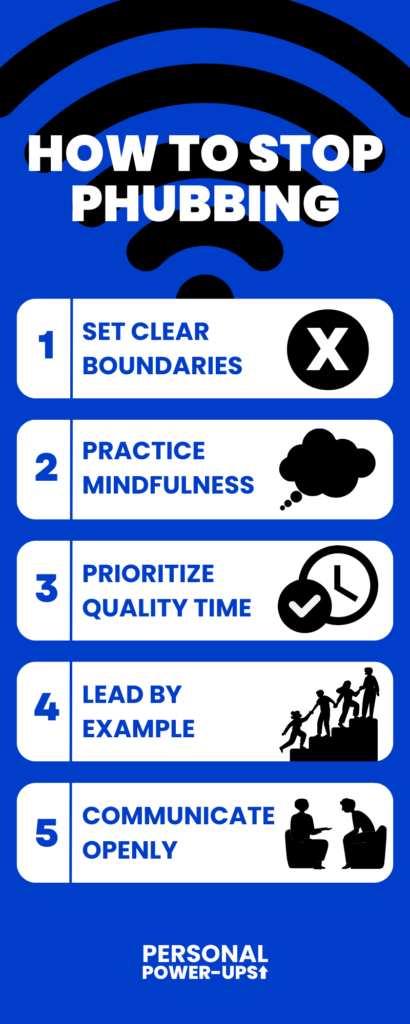
Breaking the phubbing habit requires self-awareness, effort, and commitment. Here are some practical tips to help you reduce phubbing and cultivate meaningful connections:
- Set boundaries and designate phone-free zones, such as during meals or conversations.
- Practice mindfulness and focus on the present moment when interacting with others.
- Engage in activities that promote face-to-face interaction, such as hobbies, sports, or volunteering.
- Establish a "no phone" policy during dates or social gatherings.
- Use apps or tools that track and limit your phone usage.
By acknowledging the threat of phubbing and taking proactive steps to address it, you can strengthen your relationships, improve your mental health, and cultivate a more engaged and fulfilling partnership.
The No Phubbing Challenge: A Movement Towards Mindful Connections
As we increasingly become a digital society, it's essential to recognize the importance of face-to-face interactions and mindful connections. The No Phubbing Challenge is not just about reducing phone usage; it's about creating a culture of attention, empathy, and understanding. By embracing this challenge, we can break free from the shackles of phubbing and cultivate relationships that are built on trust, affection, and real conversation.
In conclusion, the No Phubbing Challenge is a crucial step towards recognizing the harm phubbing can cause and taking proactive steps to address it. By acknowledging the signs of phubbing and implementing practical tips to reduce this behavior, we can create a more engaged and fulfilling partnership, while cultivating meaningful connections with others.