Setting Up a Special Needs Trust: A Comprehensive Guide
As a parent or guardian of a loved one with disabilities, ensuring their long-term financial security and well-being is a top priority. One essential step in achieving this goal is setting up a special needs trust (SNT). This legal financial entity helps manage and protect assets for individuals with disabilities while preserving their eligibility for government benefits. In this guide, we'll walk you through the process of setting up an SNT, including the necessary requirements, documents, and considerations.
Understanding the Purpose of a Special Needs Trust
A special needs trust is designed to improve the quality of life for individuals with disabilities without disqualifying them from public benefits. The trustee's primary duty is to understand available public benefits and how receipt of income or provision of shelter may impact eligibility. By setting up an SNT, you can supplement public benefit payments, enhance the quality of life for your loved one, and provide a secure financial future.
Who Can Set Up a Special Needs Trust?
A special needs trust can be established by a family member, guardian, caregiver, or friend. The person setting up the trust must create a trust document, appoint a trustee, and fund the trust before the disabled individual's 65th birthday. It's essential to work with an experienced trust attorney to ensure compliance with specific requirements and laws governing SNTs.
What Can a Special Needs Trust Be Used For?
- Providing financial support for individuals with disabilities
- Supplementing public benefit payments
- Covering the costs of care, education, and other expenses
- Enhancing the quality of life for individuals with disabilities
Step-by-Step Guide to Setting Up a Special Needs Trust
- Consult with an experienced trust attorney to guide you through the process
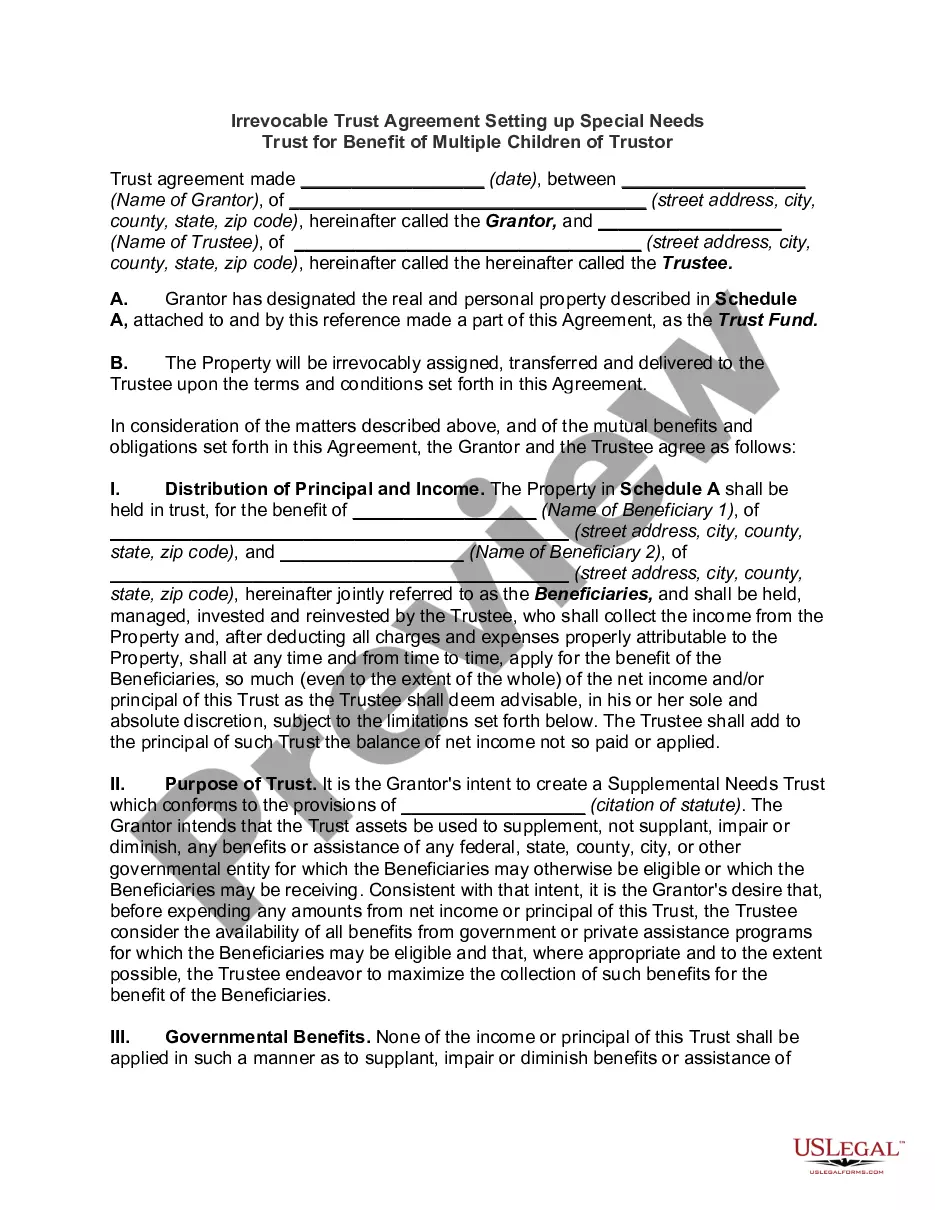
- Create a trust document that meets specific requirements and laws governing SNTs
- Appoint a trustee to manage the trust and its assets
- Fund the trust with assets such as money, property, or life insurance benefits
- Establish a trust account to hold the trust assets
- Regularly review and update the trust document to ensure compliance with changing laws and regulations
Types of Special Needs Trusts
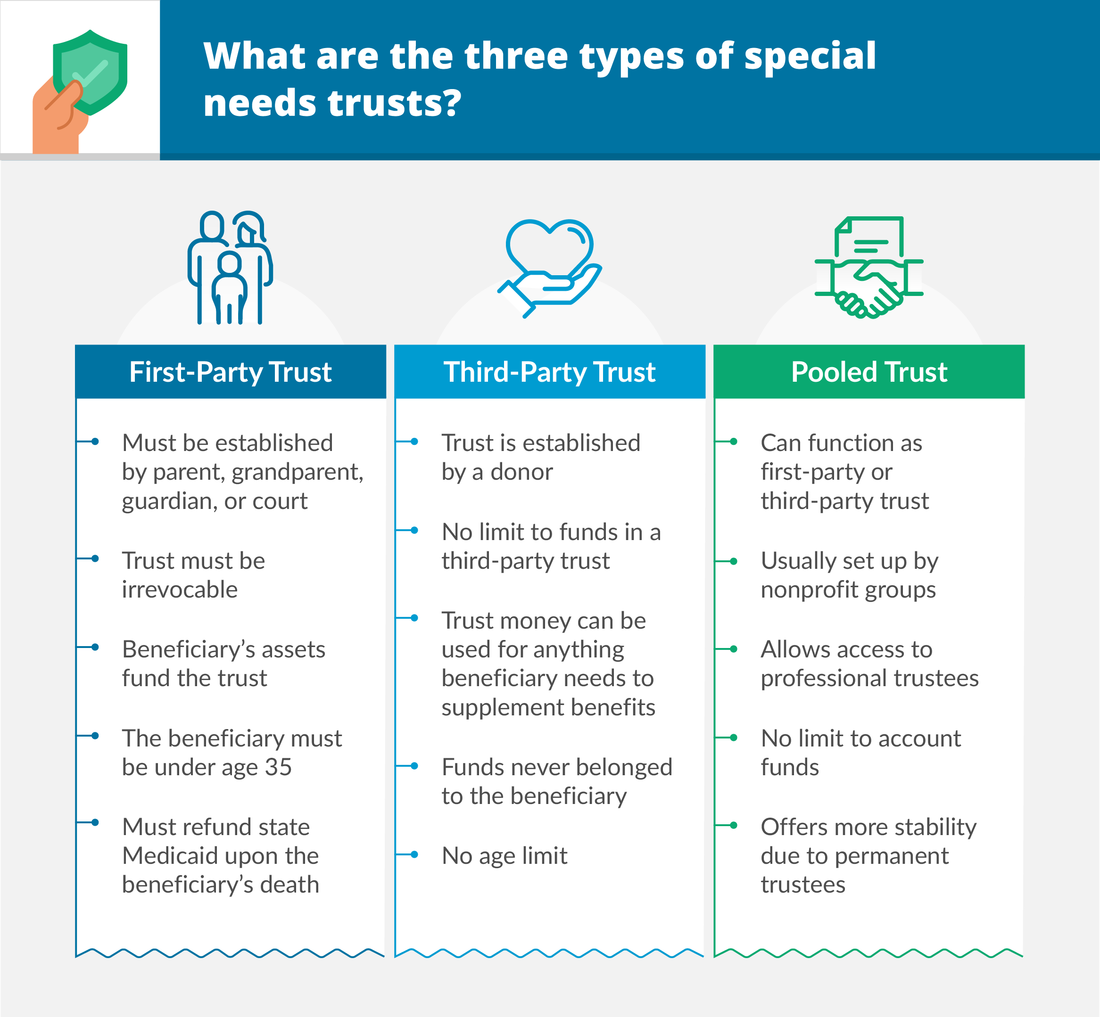
There are two primary types of SNTs:

- First-party SNTs: These trusts are created with the individual's own assets and are typically used for individuals with significant assets
- Third-party SNTs: These trusts are created with assets from someone else, such as a grandparent or other family member, and are often used for individuals with limited assets
Alternatives to Special Needs Trusts
If setting up an SNT is not feasible or desirable, there are alternative options to consider:
- Supplemental Needs Trust provisions within a living trust
- Donor-advised funds or charitable trusts
- Gifts to a 529 plan or other education savings accounts
Costs and Considerations
The cost of setting up an SNT varies depending on the complexity of the trust and the location. It's essential to work with an experienced trust attorney to ensure compliance with specific requirements and laws governing SNTs. The cost of setting up an SNT can range from $2,000 to $6,000, depending on the complexity of the trust and the attorney's fees.
Conclusion
Setting up a special needs trust is a critical step in ensuring the long-term financial security and well-being of individuals with disabilities. By following the steps outlined in this guide and working with an experienced trust attorney, you can create a trust that provides financial support, enhances the quality of life, and preserves government benefit eligibility for your loved one. Remember, a special needs trust requires ongoing management and regular review to ensure compliance with changing laws and regulations.
References:
- Needa special needs trust? Learn how to set one up, meet legal requirements, and open a trust account for long-term security. (February 28, 2025)
- ASpecial Needs Trustis a specific type ofTrustthat's set up to take care of any person with a disability. TheTrustcan supplement public benefit payments without jeopardizing eligibility for those benefits. (February 16, 2026)
- Setting up a special needs trust may be set up by a family member, guardian, caregiver, or friend, and must be created before the disabled individual's 65th birthday. (October 15, 2025)
- A special needs trust is a legal arrangement, typically set up by a parent or guardian. An SNT ensures that assets, often money or a life insurance policy, are held in an account and used to provide for the disabled person's care. (September 9, 2024)