Screen Time Guidelines for Kids: A Guide to Healthy Digital Habits
The amount of time children spend in front of screens is a growing concern for parents worldwide. With the widespread use of smartphones, tablets, and laptops, it's easier than ever for kids to become glued to their screens. However, excessive screen time can have negative effects on their physical and mental health, social skills, and academic performance. In this article, we'll explore the importance of setting screen time guidelines for kids and provide a comprehensive guide on how to do so.
Why Screen Time Guidelines are Important
Excessive screen time has been linked to a range of negative outcomes in children, including:
- Obesity and sedentary lifestyle
- Eye strain and vision problems
- Nightmares and sleep disturbances
- Reduced attention span and decreased academic performance
- Increased risk of addiction and mental health issues
By setting screen time guidelines, parents can help their children develop healthy digital habits, reduce the risk of these negative outcomes, and promote a balanced lifestyle.
AAP's Screen Time Guidelines for Children
The American Academy of Pediatrics (AAP) provides guidelines for screen time based on a child's age:
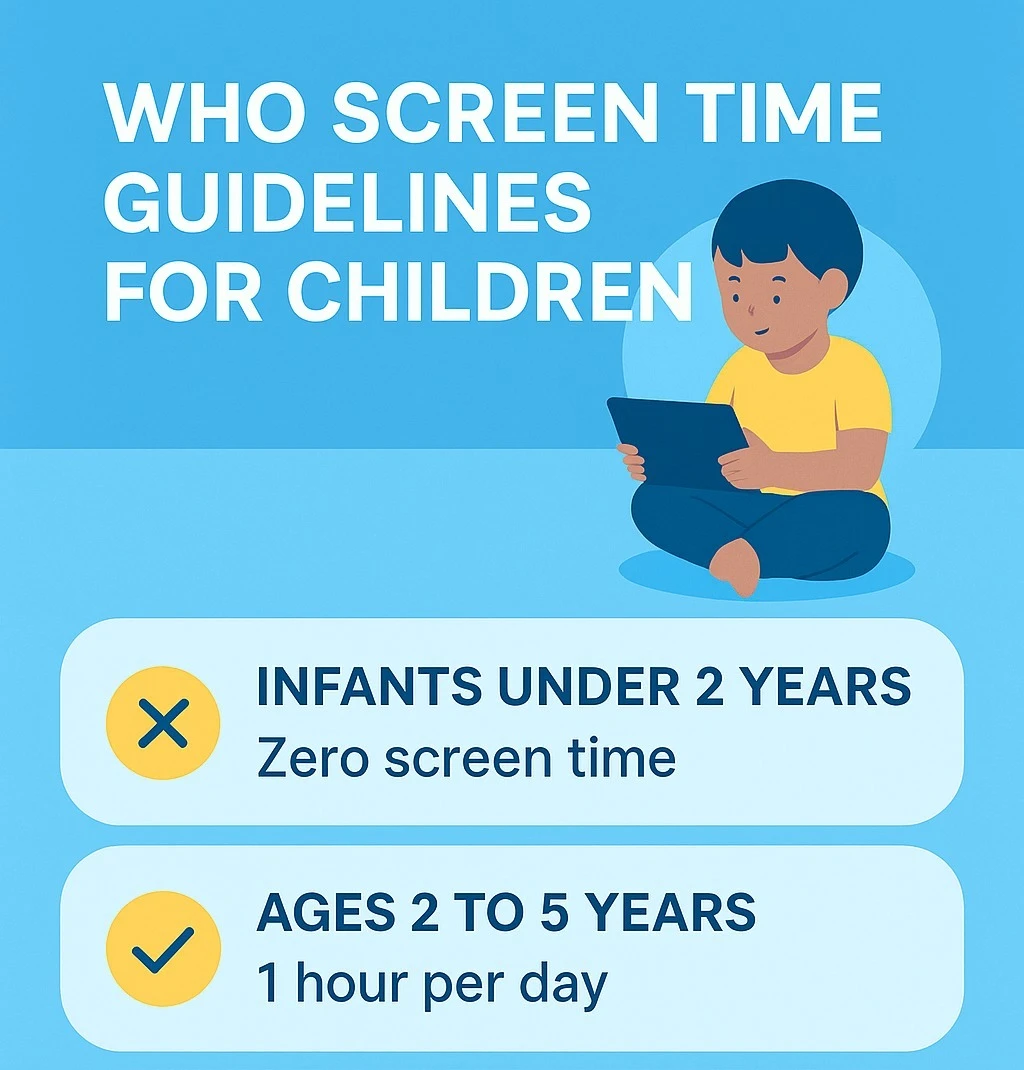
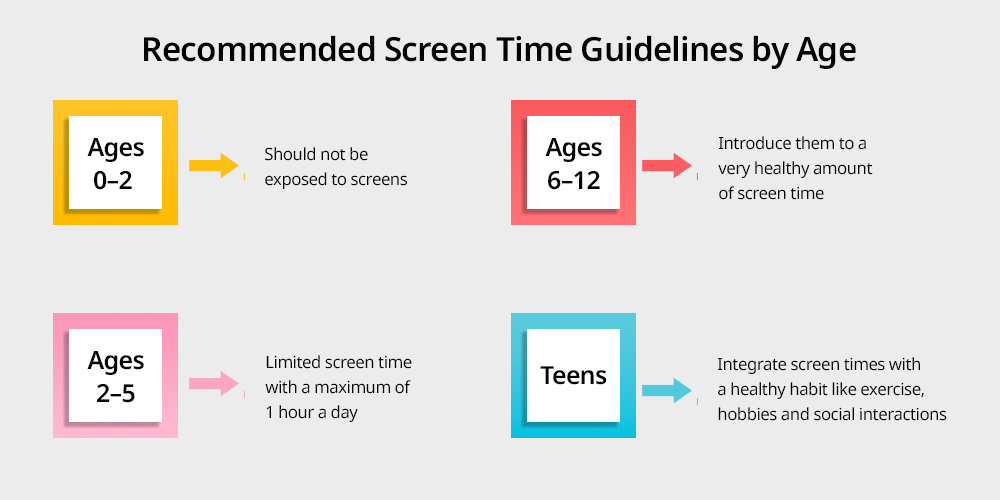
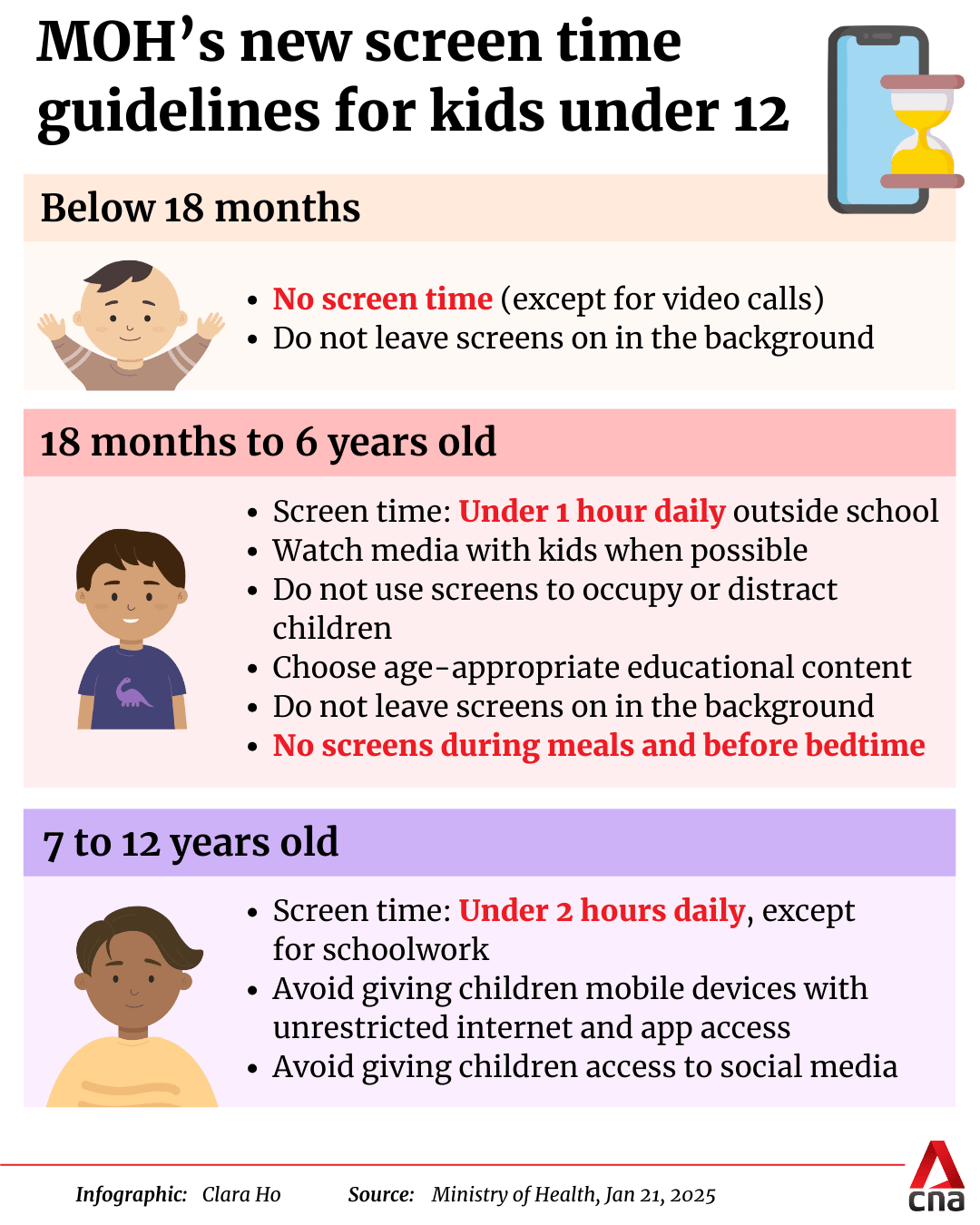
- Children under 18 months: Avoid screens except for video chatting with loved ones.
- Children 18-24 months: Limit screen time to high-quality educational programs and co-view and interact with the child.
- Children 2-5 years: Limit non-educational screen time to about 1 hour per weekday and 3 hours on weekend days.
- Children 6 and older: Encourage healthy habits, and limit activities that include screens.
These guidelines serve as a starting point for parents to establish screen time limits that work best for their child's age and needs.

How to Establish Screen Time Guidelines for Your Child
Here are some tips to help you establish screen time guidelines for your child:
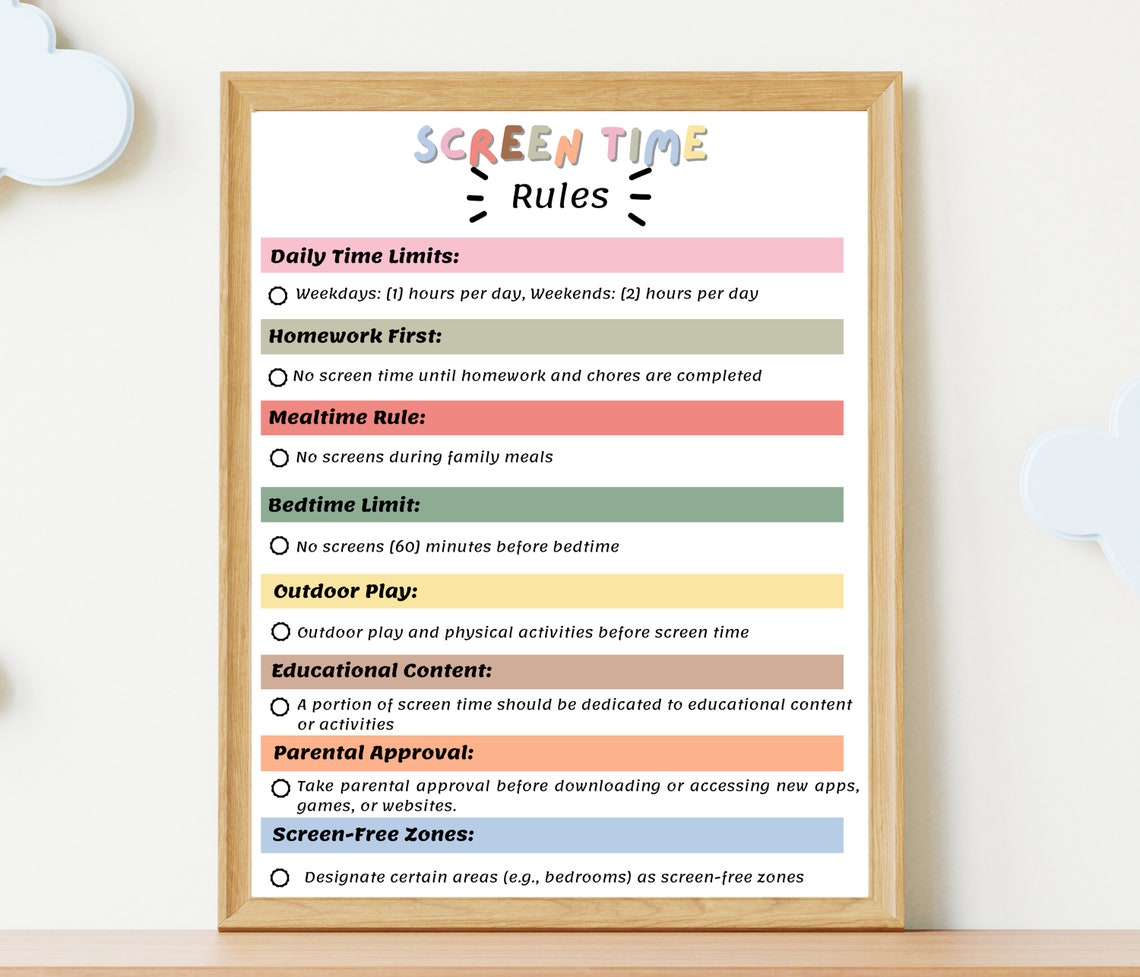
- Set a good example: Children learn by observing, so limit your own screen time too.
- Set clear rules and consequences: Establish screen-free zones (e.g., bedrooms, dining table) and times (e.g., during meals, before bed).
- Encourage physical activity: Schedule regular outdoor playtime, sports, and physical activities.
- Monitor and track screen time: Use parental control software or apps to monitor and set limits on screen time.
- Make time for educational activities: Engage your child in non-screen activities, such as reading, puzzles, and board games.
Additional Tips for Parents
To promote healthy screen time habits, consider the following:
- Set up a screen-free bedtime routine to encourage sleep.
- Use high-quality educational apps and games that promote learning and creativity.
- Have family time without screens, such as outdoor activities, board games, or conversations.
- Monitor and limit exposure to screens for children under 2 years, as it can hinder language development.
- Encourage open communication about screen time and its effects on health and relationships.
Conclusion
Screen time guidelines for kids are essential in promoting healthy digital habits and reducing the negative effects of excessive screen time. By setting clear rules, monitoring screen time, and encouraging physical activity, parents can help their children develop a balanced lifestyle and a strong foundation for a healthy, happy childhood.
Remember, setting screen time guidelines is not a one-time task; it requires ongoing effort and consistency. By working together, parents can help their children develop the skills they need to navigate the digital world responsibly and lead a healthy, balanced life.