Protecting Your Financial Identity from Hackers: A Guide to Staying Safe in the Digital Age
As we increasingly conduct our financial transactions online, protecting our financial information from hackers has become more crucial than ever. Your personal and financial data is valuable, and hackers and scammers will stop at nothing to get their hands on it. But with the right knowledge and precautions, you can safeguard your financial identity and avoid falling victim to cybercrime.The Dangers of Financial Identity Theft
Financial identity theft occurs when a hacker or scammer gains access to your personal and financial information and uses it to impersonate or defraud you. This can lead to financial loss, credit damage, and a loss of trust in institutions and online services. Cybercriminals have two main goals: to steal your money and your identity. By understanding the risks and taking proactive steps to protect yourself, you can stay ahead of hackers and safeguard your financial future.Protecting Your Financial Identity: Tips and Tricks
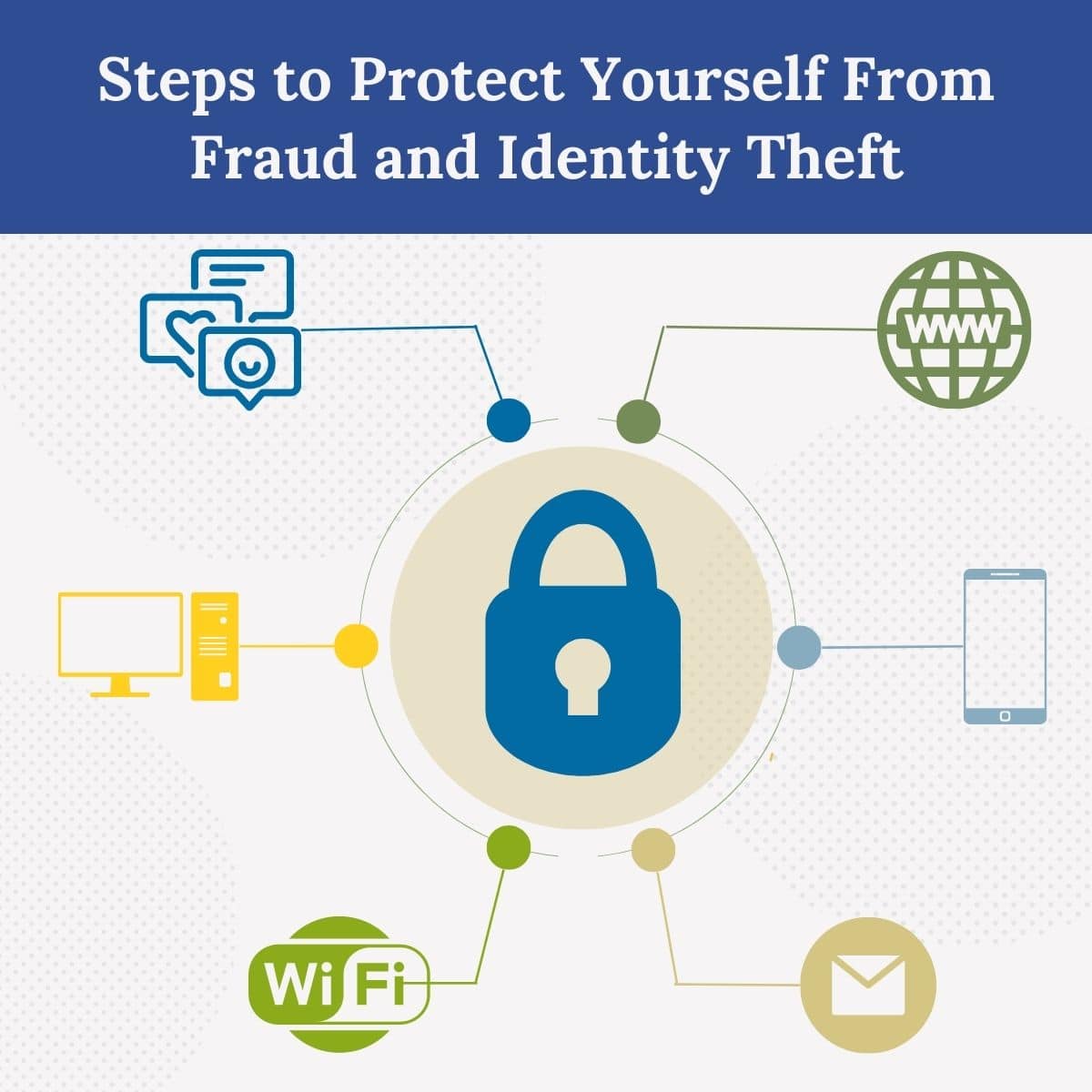
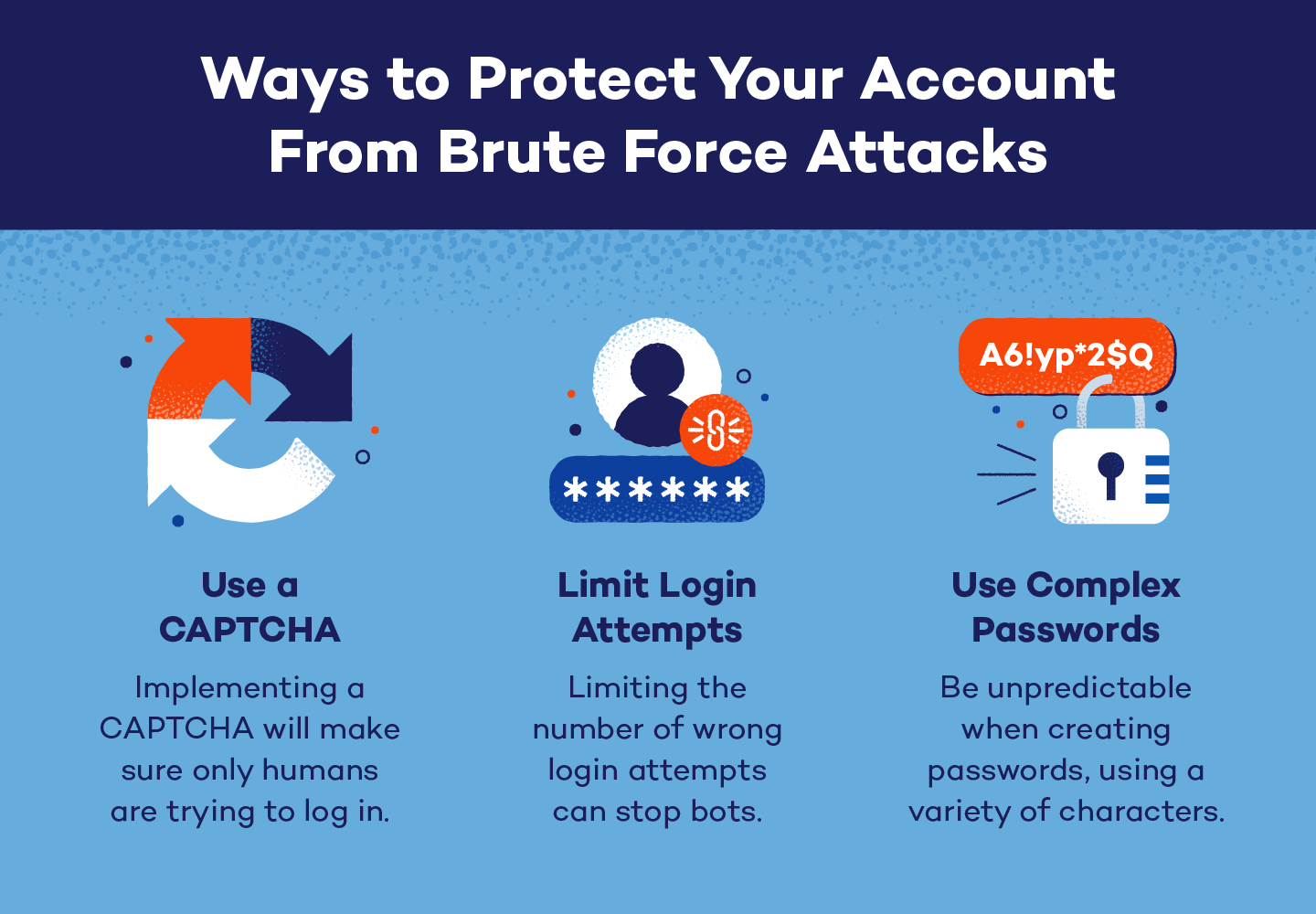
To protect your financial information and identity, follow these essential tips:- Use strong, unique passwords for all online accounts, and consider using a password manager to keep track of them.
- Enable two-factor authentication (2FA) whenever possible, adding an extra layer of security to your accounts.
- Be cautious when using public Wi-Fi networks, as they can be vulnerable to hacking.
- Monitor your financial accounts and credit reports regularly for suspicious activity.
- Keep your devices and software up to date with the latest security patches and updates.
- Be wary of phishing scams and never provide personal or financial information in response to unsolicited emails or messages.
- Consider enrolling in identity protection services, which can provide real-time alerts and lock your credit to prevent unauthorized inquiries.
Understanding the Types of Financial Identity Theft
There are several types of financial identity theft to be aware of:- Phishing scams: Scammers use email or text messages to trick you into giving them your personal and financial information.
- Malware: Malicious software can be installed on your device, stealing your data and transmitting it to hackers.
- Account takeovers: Hackers gain access to your online accounts, allowing them to make unauthorized transactions and purchases.
- Data breaches: Companies' databases are hacked, releasing sensitive information into the public domain.

What to Do If You've Been a Victim of Financial Identity Theft
If you suspect that your financial identity has been compromised, act quickly to minimize the damage:- Change your passwords and update your security settings.
- Monitor your accounts and credit reports closely for suspicious activity.
- Report the incident to the relevant authorities and your financial institutions.
- Consider enrolling in identity protection services.
Staying Safe in the Digital Age
In the digital age, it's essential to stay vigilant and proactive when it comes to protecting your financial identity. By following these tips and staying informed, you can safeguard your financial future and prevent falling victim to hackers and scammers.Resources to Help You Stay Safe
For further information and guidance, check out the following resources:- The National Cybersecurity Alliance offers a wealth of information on online safety and cybercrime prevention.
- The Federal Trade Commission provides tips and resources on how to prevent identity theft and protect your financial information.
- IBM's Security Expertise offers educational content on emerging security and identity technologies.