Preventing Credit Card Hacking Online: A Comprehensive Guide
In today's digital age, online transactions have become an integral part of our daily lives. We use credit cards to pay for bills, online purchases, and even restaurant orders. However, with increased convenience comes a higher risk of online hacking and credit card fraud. According to recent statistics, credit card fraud has become a significant threat, with millions of cases reported each year. But fear not! In this comprehensive guide, we'll share 10 valuable tips on how to prevent credit card hacking online and keep your financial information safe.Know Your Credit Card Provider
Before we dive into the prevention methods, it's essential to understand your credit card provider's security measures. Familiarize yourself with your card issuer's policies, procedures, and customer support. Make sure to:- Understand the flow of payment processing and when your card information is required.
- Know the contact information of your card issuer, including phone numbers, email addresses, and live support options.
- Review and understand the terms and conditions of your credit card agreement.
Be Vigilant While Shopping Online
When making online purchases, follow these simple yet crucial steps:- Always use a secure connection (HTTPS) and verify the website's authenticity.
- Avoid using public Wi-Fi networks, as they can be prone to hacking and intercepting data.
- Use a reputable online payment platform, such as PayPal or Apple Pay.
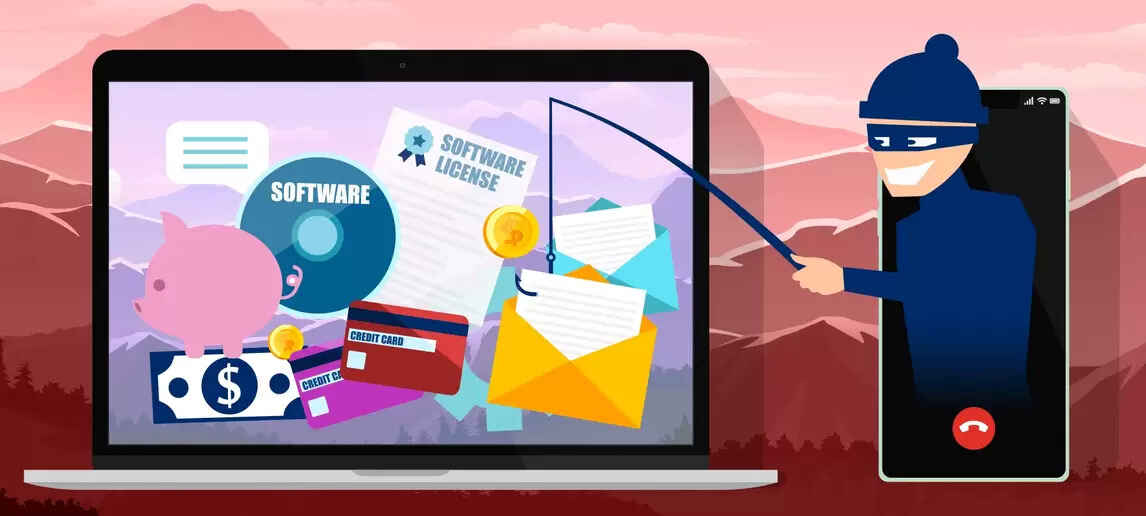
- Be cautious of phishing emails, which may appear to be from your bank or retailer but are actually from scammers.
Protect Your Credit Card Information
Credit card scams often involve hacking or stealing your card information. To prevent this:- Never store your credit card numbers, expiration dates, and security codes on your device or in email accounts.
- Use a password manager to create strong, unique passwords and auto-fill them in online forms.
- Keep your operating system, browser, and other software up-to-date with the latest security patches.
- Use two-factor authentication (2FA) whenever possible.

Monitor Your Accounts Regularly
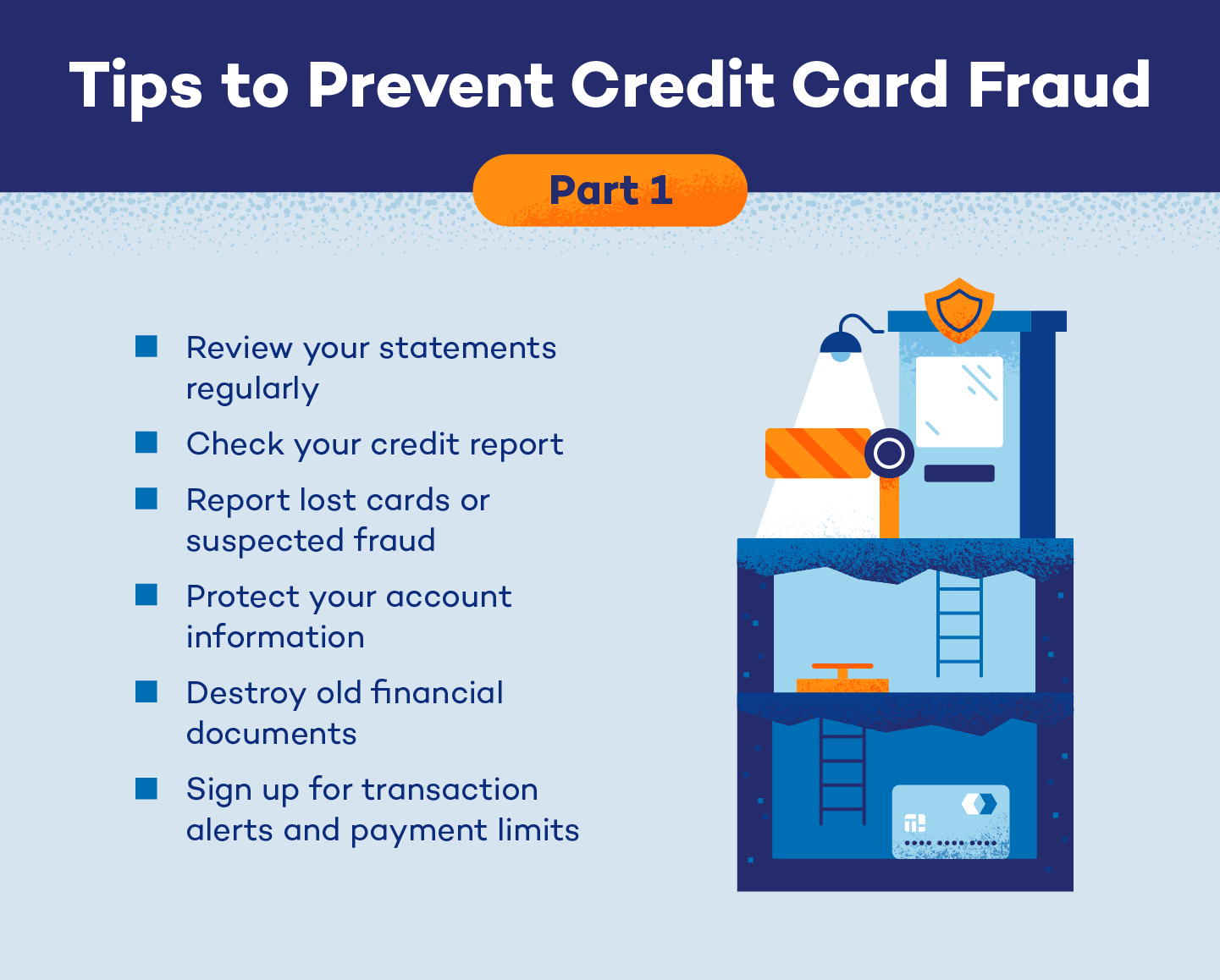
It's essential to keep track of your credit card transactions and account activity to detect any suspicious activity:- Set up account alerts to notify you of new transactions above a certain amount
- Regularly review your statements and account activity online.
- Check for any unfamiliar transactions, old accounts, or suspicious charges.
Additional Precautions
To further prevent credit card hacking online:- Use password-protected Wi-Fi or mobile hotspots while shopping online.
- Don't give out credit card information, except in specialty situations like hotel bookings and purchases on unfamiliar websites.
- Keep a close eye on your physical card and never leave it unattended.
- Adopt a zero-liability policy to minimize losses if your card information is compromised.
What to Do If Hacking Happens
Although prevention is key, accidents can still occur. Follow these steps if your credit card information is compromised:- Reach out to your issuer immediately to inform them of the potential breach.
- Contact your bank to cancel the card and issue a replacement.
- Consider contacting the Federal Trade Commission (FTC) to report the incident.
- Regularly monitor your credit report to detect any changes.