Persuasive Technology: Influencing Human Behavior and Attitudes
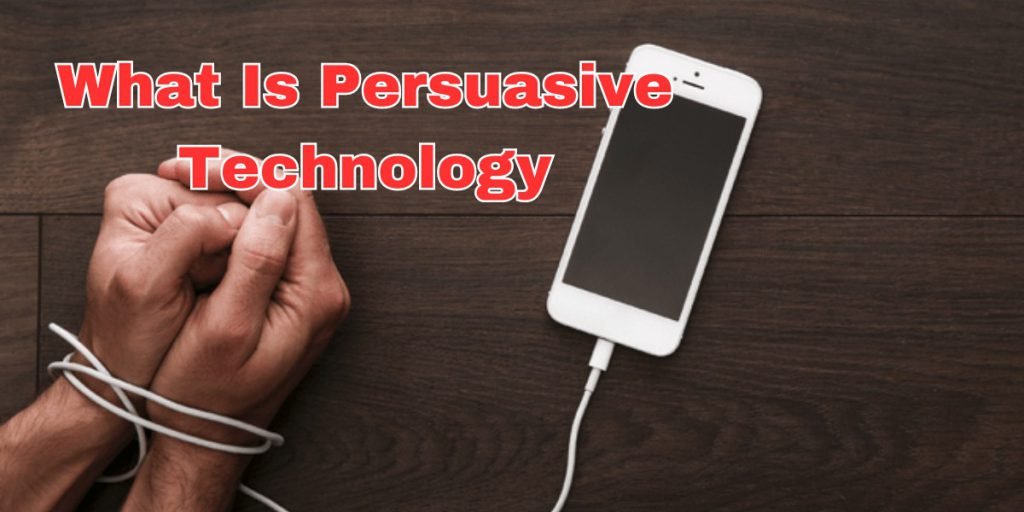
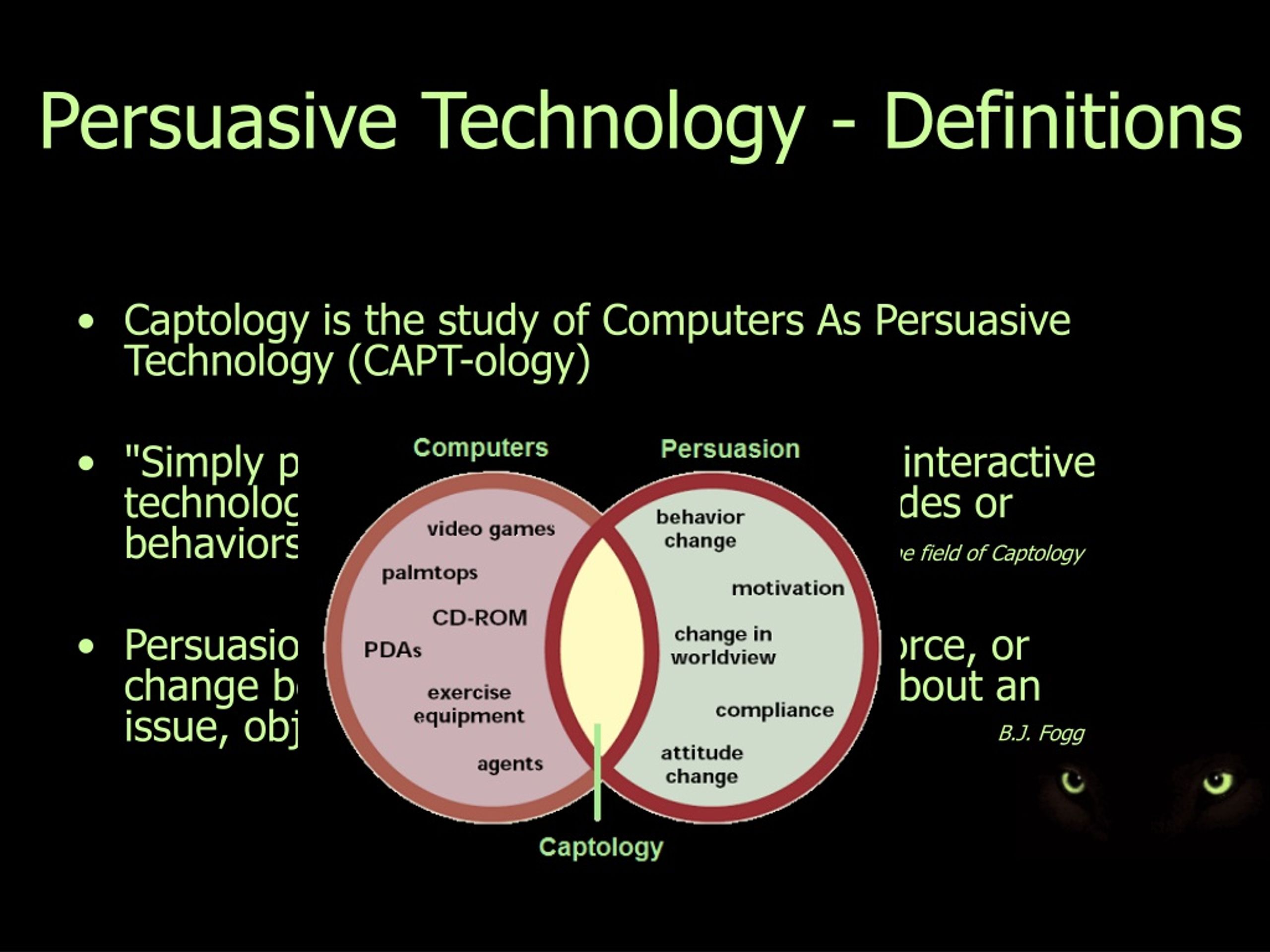
In today's digital age, technology plays a significant role in shaping our attitudes and behaviors. **Persuasive technology**, a sub-discipline of Human-Computer Interaction, seeks to design interactive systems that influence human attitudes and behaviors through persuasion and social influence, without coercion. Understanding the concepts, applications, and implications of persuasive technology is essential for professionals, researchers, and individuals in various domains.Definition and Classification of Persuasive Technology
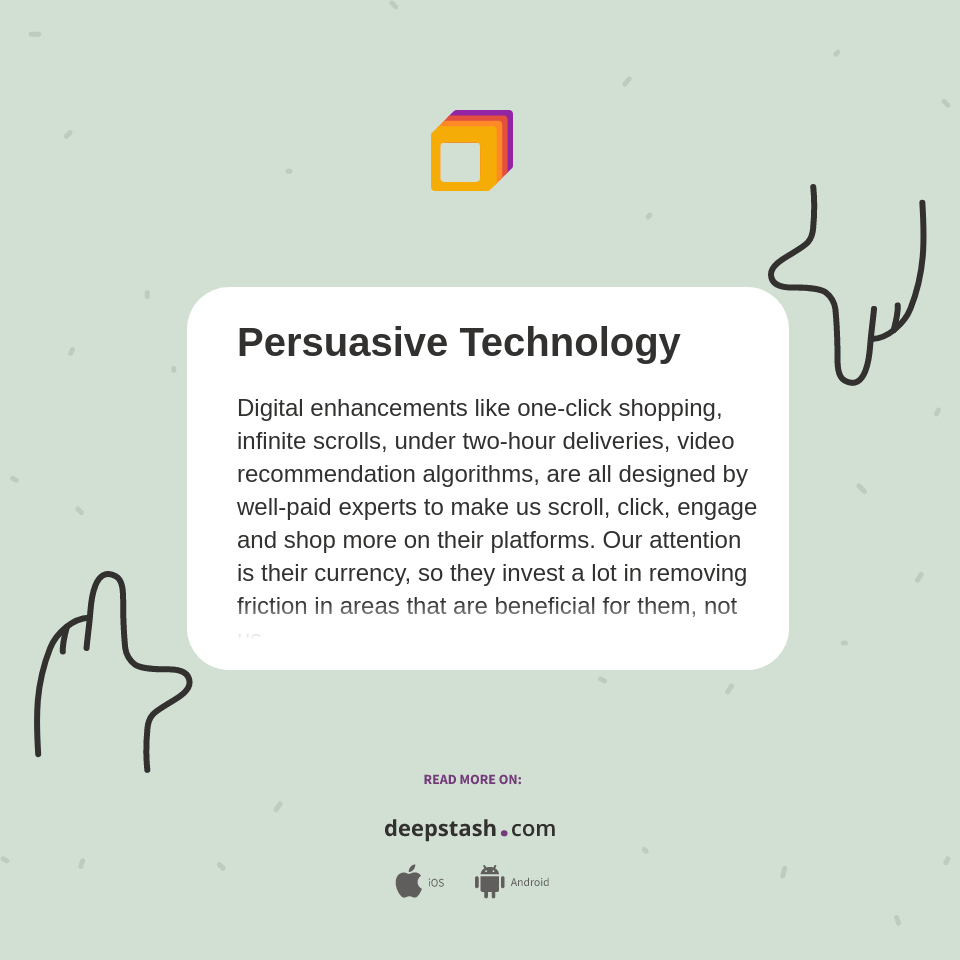
Persuasive technology typically refers to tech built with the power to change your attitude or behavior and motivate you to do something you wouldn't deliberately do otherwise. This technology aims to influence users' beliefs, attitudes, or behaviors by leveraging various tactics, such as appealing to emotions, social norms, and self-efficacy. Examples of persuasive technologies include social media platforms, health apps, online advertising, and marketing campaigns.Applications of Persuasive Technology
Persuasive technology has far-reaching applications in various domains, including:- Sales and Marketing: Persuasive technologies are used to influence people to buy or engage with products and services.
- Health and Wellness: Health apps and wearable devices utilize persuasive technologies to encourage users to adopt healthy habits and behaviors.
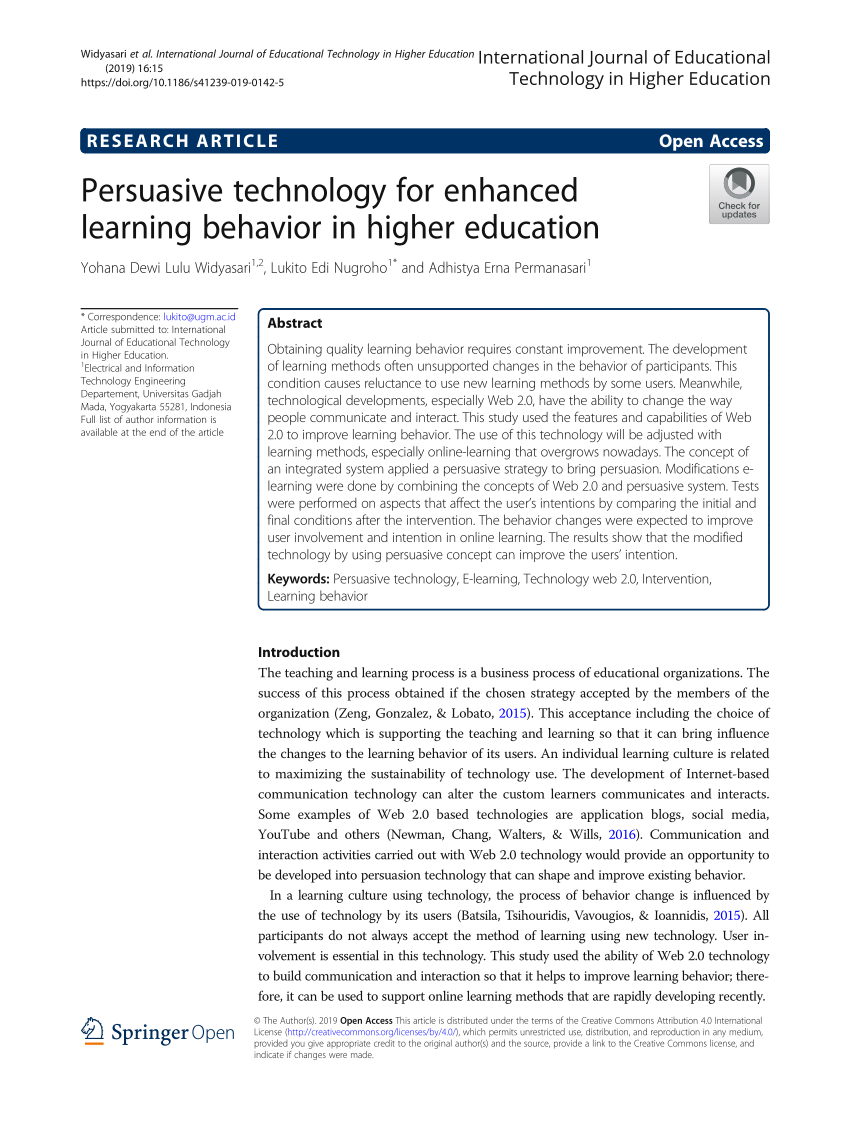
- Education: Persuasive technologies are employed to improve learning outcomes, increase student engagement, and promote lifelong learning.
- Government and Politics: Persuasive technologies are used to promote policy changes, encourage civic engagement, and foster social movements.
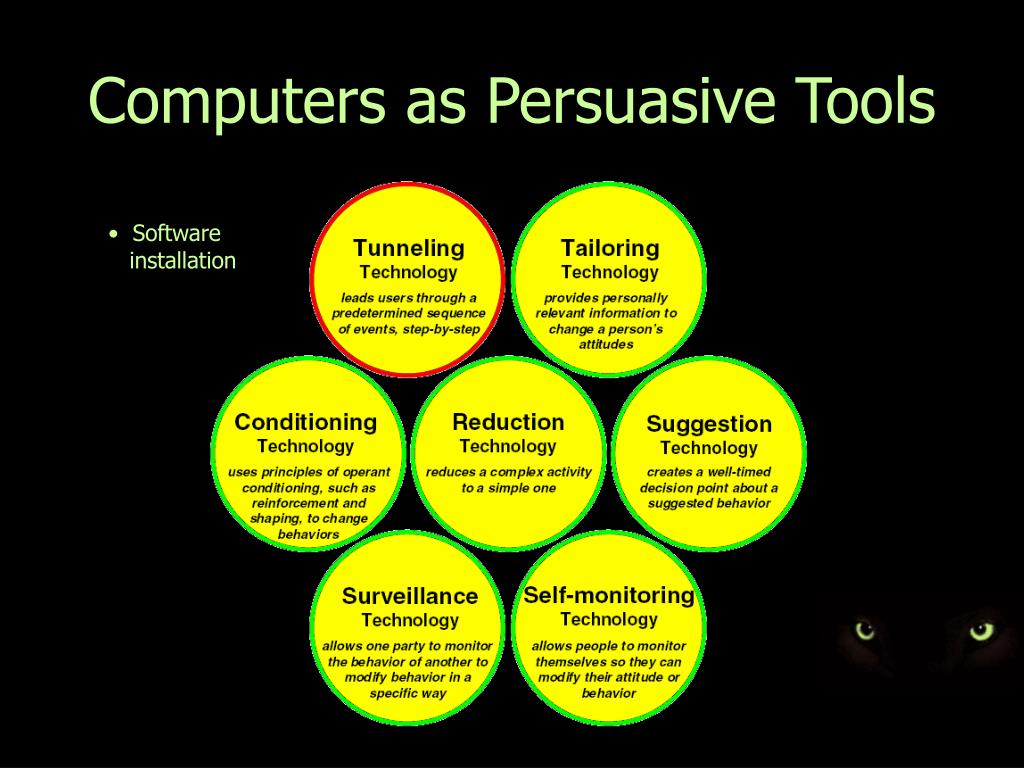
Design and Strategies of Persuasive Technology
Emerging Trends and Challenges in Persuasive Technology
As persuasive technology continues to evolve, driven by advancements in AI, machine learning, and data analytics, several emerging trends and challenges arise:- AI-powered Persuasion: Artificial intelligence can analyze user behavior and adapt persuasive strategies to achieve greater impact.
- Personalization**: Persuasive technologies can create personalized messages and recommendations to influence user behavior. li>Ethics and Regulations**: The increasing use of persuasive technology raises concerns about user data privacy, manipulation, and undue influence.