Mastering Password Security for Beginners: A Comprehensive Guide
Introduction to Password Security
In today's digital age, password security has become an essential aspect of protecting our online identity and sensitive information. With the rise of cyber threats and data breaches, it's crucial for individuals and organizations to prioritize password security. In this article, we'll delve into the world of password security, providing beginners with a comprehensive guide to creating and managing strong passwords.Why Are Passwords Inherently Insecure?
Passwords are inherently insecure due to their human nature and limitations. We tend to use weak or reused passwords, making them vulnerable to hacking attempts. Furthermore, the more accounts we create, the more complex it becomes to manage passwords securely.
Understanding How Hackers Steal Passwords
Hackers primarily target passwords through phishing attacks, brute-force attacks, or exploiting software vulnerabilities. Weak or reused passwords provide an easy entry point for hackers, allowing them to access sensitive information and wreak havoc on an individual's or organization's digital presence.
The Importance of Password Management
A password manager is a must-have tool for anyone looking to enhance password security. These programs generate, store, and fill in strong passwords, reducing the risk of weak or reused passwords. Password managers can also alert users when weak or reused passwords are detected, promoting a culture of security and best practices.
Best Practices for Creating Strong Passwords
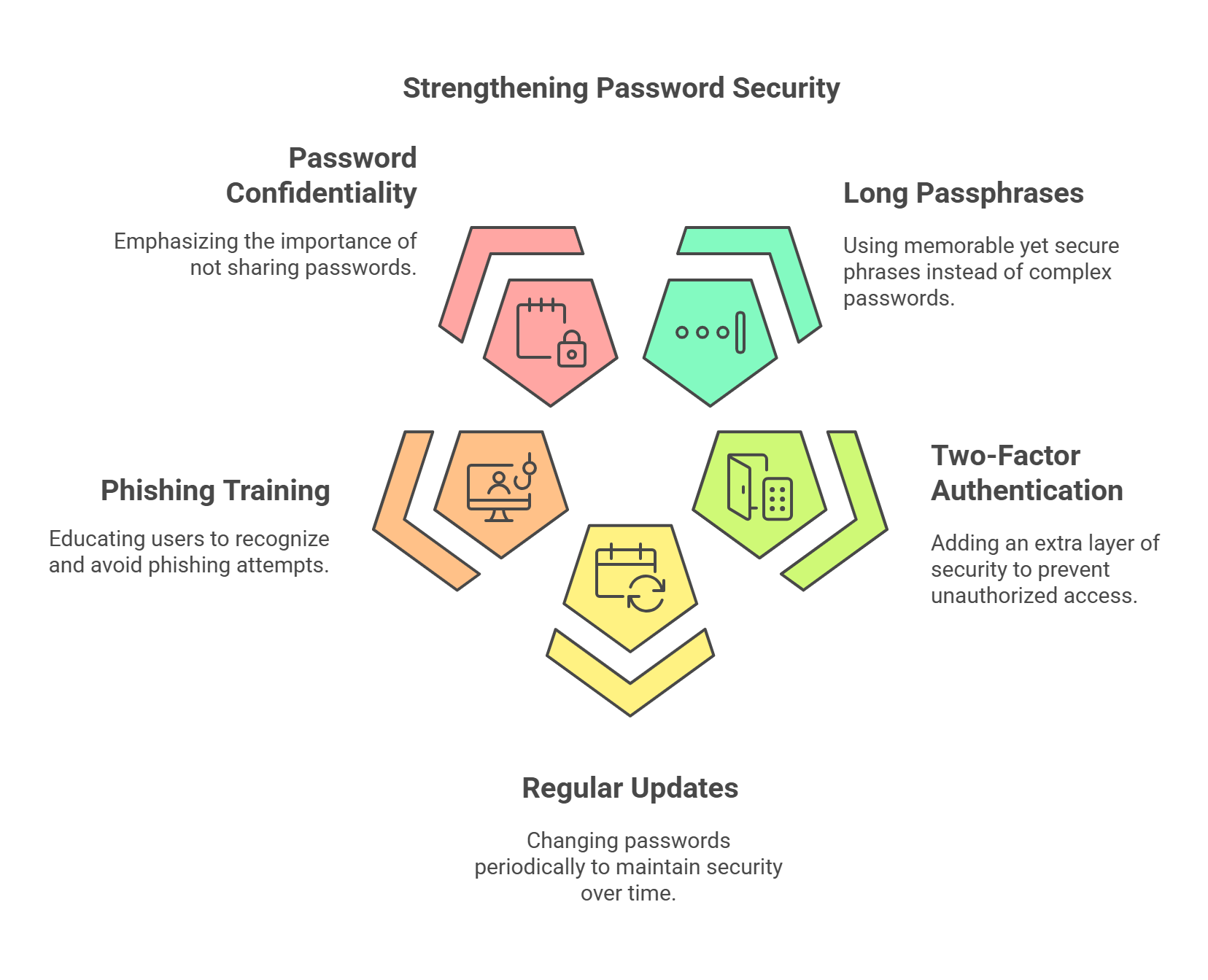
- Use a combination of uppercase and lowercase letters, numbers, and special characters.
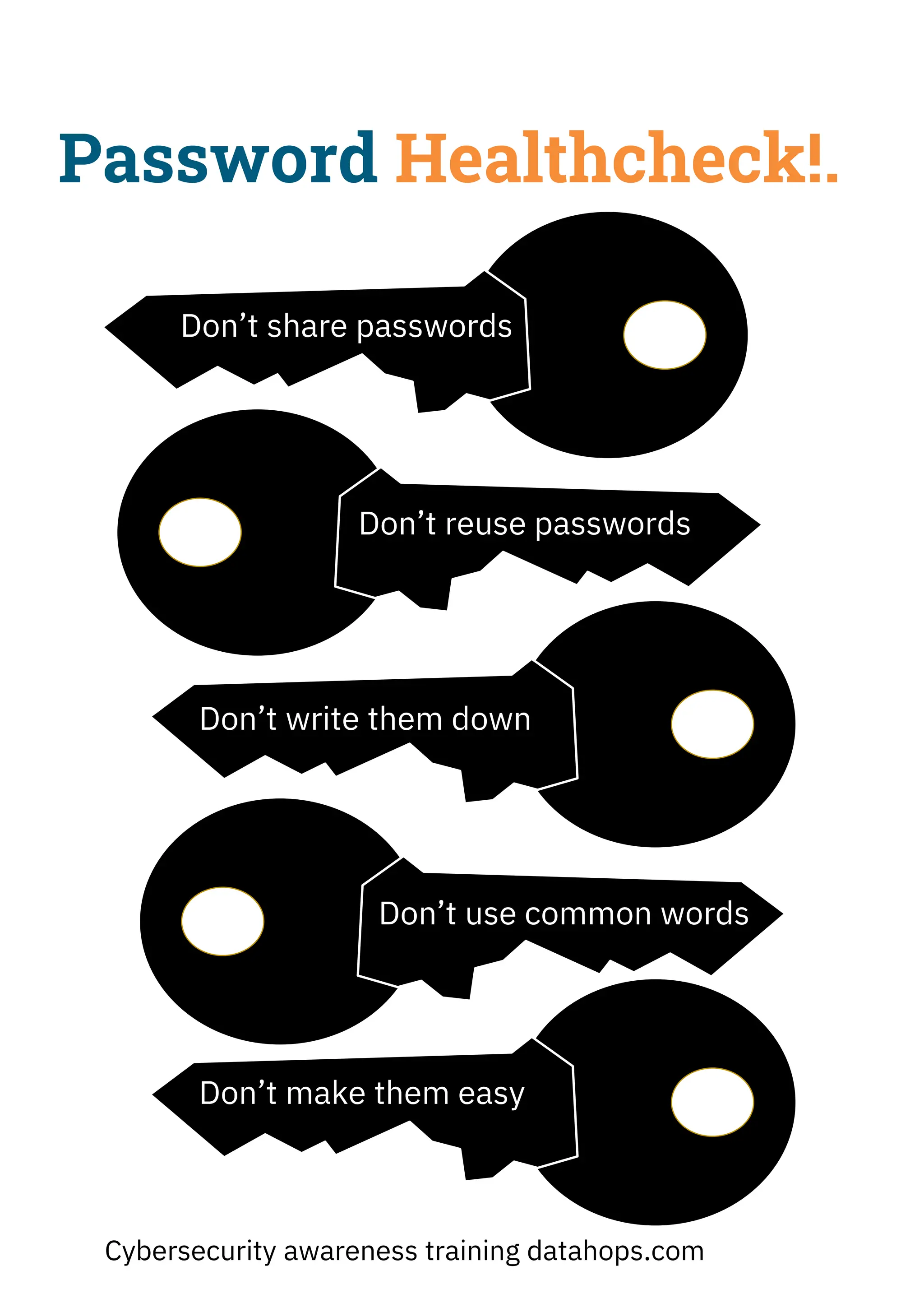
- Avoid using easily guessable information, such as names, birthdays, or common words.
- Use a passphrase or a sentence, making it easier to remember.
- Change passwords frequently, ideally every 60-90 days.
- Use a password manager to generate and store strong passwords.

Types of Passwords and Their Security
Here's a brief overview of various password types and their associated security levels:
- Reused passwords: Weak security level, as hackers can use previously breached databases to gain access.
- Weak passwords: Low security level, as these passwords can be cracked using brute-force attacks or common word lists.
- Strong passwords: Medium to high security level, as these passwords are less susceptible to hacking attempts.
- Passphrases: High security level, as passphrases are longer and more complex, making them harder to crack.
- Two-factor authentication (2FA): The highest security level, as 2FA combines a password with an additional verification step, making it incredibly difficult for hackers to access.
Conclusion: Mastering Password Security for Beginners
In conclusion, password security is a critical aspect of protecting our online identity and sensitive information. By understanding the importance of password management, creating strong passwords, and using tools like password managers, users can significantly enhance their password security. Remember, strong passwords are not just about security – they also promote a culture of best practices and digital responsibility.
Additional Resources:
For further learning and resources on password security, consider the following: