Overcoming Nomophobia through Mindfulness: A Holistic Approach
Nomophobia, a specific phobia characterized by anxiety, nervousness, discomfort, and distress when a mobile phone is not used, has become an emerging public health problem, particularly among young people and adolescents. This phobia can have severe negative consequences on physical and mental health, making it essential to develop effective interventions. In recent years, mindfulness has been recognized as a powerful tool for reducing nomophobia levels, and research has shown its effectiveness in this area.
The Relationship between Nomophobia and Mindfulness
Studies have investigated the relationship between nomophobia and mindfulness, with a focus on identifying the impact of individual differences in mindfulness on nomophobia. The results suggest that mindfulness is a significant factor in reducing nomophobia levels. Mindfulness training programs, in particular, have been found to be effective in decreasing nomophobia levels among individuals.
- Neurofeedback-assisted mindfulness training programs have been shown to reduce nomophobia levels by 70.8%, as indicated by the partial eta squared value.
- A randomized controlled trial found that spiritual mindfulness intervention was effective in reducing individuals' levels of nomophobia.
- A structural equation modeling analysis revealed that mindfulness awareness levels mediated the relationship between the inability to access information with a mobile phone and academic university adjustment rates in college students.
The Importance of Mindfulness in Overcoming Nomophobia
Mindfulness is a critical component in overcoming nomophobia. By cultivating mindfulness, individuals can develop a healthier relationship with their mobile phones and reduce their reliance on technology. Mindfulness practices such as meditation and deep breathing can help individuals become more aware of their thoughts and feelings, reducing the anxiety and stress associated with nomophobia.
Mindfulness-based Interventions for Nomophobia

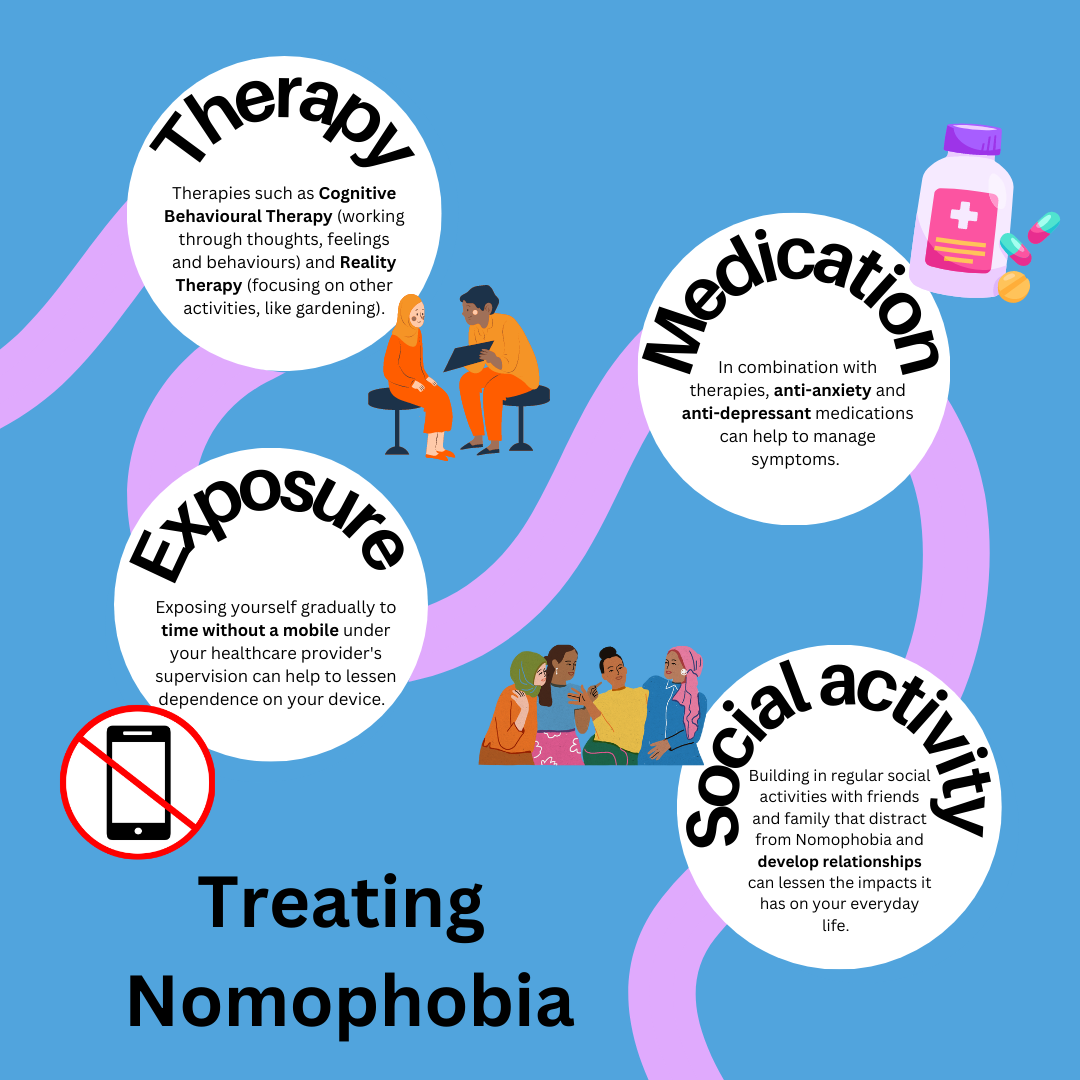
Several mindfulness-based interventions have been developed to help individuals overcome nomophobia. These interventions typically involve a combination of mindfulness practices, such as meditation and yoga, with cognitive-behavioral therapy techniques. The goal of these interventions is to help individuals develop a more mindful and healthy relationship with their mobile phones.
Key Takeaways for Overcoming Nomophobia through Mindfulness
Based on research, the following key takeaways can be concluded:
- Mindfulness training programs are effective in reducing nomophobia levels.
- Spiritual mindfulness intervention is effective in reducing individuals' levels of nomophobia.
- Mindfulness awareness levels mediate the relationship between the inability to access information with a mobile phone and academic university adjustment rates in college students.
- Neurofeedback-assisted mindfulness training programs can reduce nomophobia levels by 70.8%.
Conclusion
In conclusion, overcoming nomophobia through mindfulness is a holistic approach that requires a combination of mindfulness practices, cognitive-behavioral therapy techniques, and a commitment to developing a healthier relationship with mobile phones. By incorporating mindfulness into daily life, individuals can reduce their nomophobia levels and develop a more mindful and connected life.