The Hidden Dangers of Negative Information Exposure
With the rise of social media and 24-hour news cycles, it's easier than ever to stay up-to-date on current events. However, a growing body of research suggests that our constant exposure to negative news can have serious consequences for our mental health. In this article, we'll explore the effects of negative information exposure and what you can do to minimize its impact.
The Science Behind Negative Information Exposure
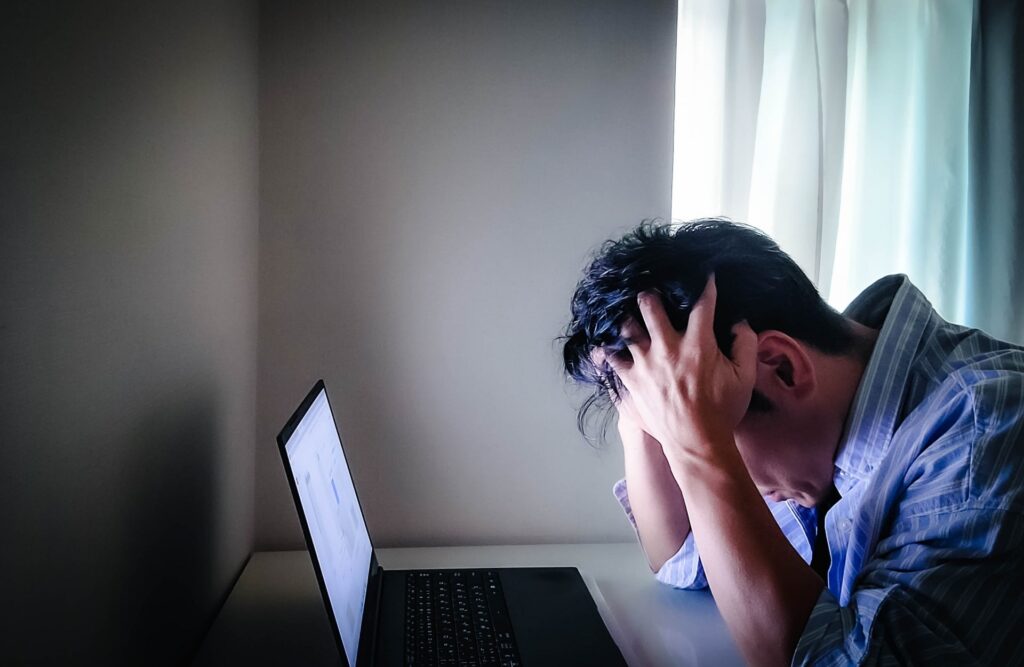
Studies have shown that exposure to negative news can activate our brain's "fight or flight" response, releasing adrenaline and cortisol that can lead to feelings of anxiety, stress, and emotional numbing. This can have serious consequences for our mental health, including increased risk of depression, anxiety disorders, and even post-traumatic stress disorder (PTSD).
The Risks of Negativity Bias
It's not just the quantity of negative news that's a problem, but also the way it affects our brains. Humans have a natural tendency to focus on the negative, known as negativity bias. When we're constantly exposed to bad news, it can distort our perception of reality and lead to a sense of hopelessness and despair. Research suggests that this can even contribute to the spread of misinformation and decreased empathy for those affected by traumatic events.
Avoiding Negativity Bias
So, what can you do to protect yourself from the negative effects of information exposure? Here are a few strategies for mitigating the risks:
- Limit your exposure to news: Limit your news consumption to specific times of the day, and avoid checking your phone or social media before bed.
- Practice media literacy**: Be critical of the sources you consume and try to seek out multiple perspectives on a given issue.
- Engage in activities that counteract negativity**: Make time for activities that bring you joy and help take your mind off negative news.
- Seek professional help**: If you're struggling with the emotional impact of negative information exposure, consider seeking help from a mental health professional.

Health Risks of Negative Information Exposure
While the mental health impacts of negative information exposure are well-documented, research is also highlighting potential physical health risks. For example, studies have linked chronic stress caused by negative news exposure to higher rates of cardiovascular disease, compromised immune function, and even increased risk of cognitive decline.
Protecting Your Online Reputation
Finally, don't forget about the online implications of negative information exposure. In the digital age, our online presence can significantly impact our reputations and self-esteem. With the rise of social media, it's easier than ever to disseminate negative information that can damage our reputation. Consider strategies such as:
- Deleting or restricting access to negative content**: If you've created or shared negative content in the past, consider deleting it or restricting access to it.
- Building a positive online presence**: Focus on creating content that promotes positivity and reinforces a strong online reputation.
- Protecting your online identity**: Use strong passwords, cover your tracks, and consider using cybersecurity software to protect your online identity.
Conclusion
While negative information exposure may seem like an inevitable part of modern life, there are steps you can take to mitigate its effects. By limiting your exposure, practicing media literacy, engaging in activities that counteract negativity, and seeking professional help when needed, you can protect your mental and physical health. Don't underestimate the impact of negative information exposure – take control of your exposure and safeguard your well-being today.
Sources: