Is Melatonin Safe for Dogs?
As a responsible pet owner, you want to ensure that your furry friend is healthy and happy. One supplement that has gained popularity in recent years is melatonin, a hormone that helps regulate sleep-wake cycles in humans. But is melatonin safe for dogs?
What is Melatonin?
Melatonin is a natural hormone produced by the pineal gland in the brain. It plays a crucial role in regulating sleep-wake cycles, also known as the circadian rhythm. In humans, melatonin levels typically rise in the evening, helping us fall asleep, and decrease in the morning, allowing us to wake up feeling refreshed.
Can Dogs Take Melatonin?
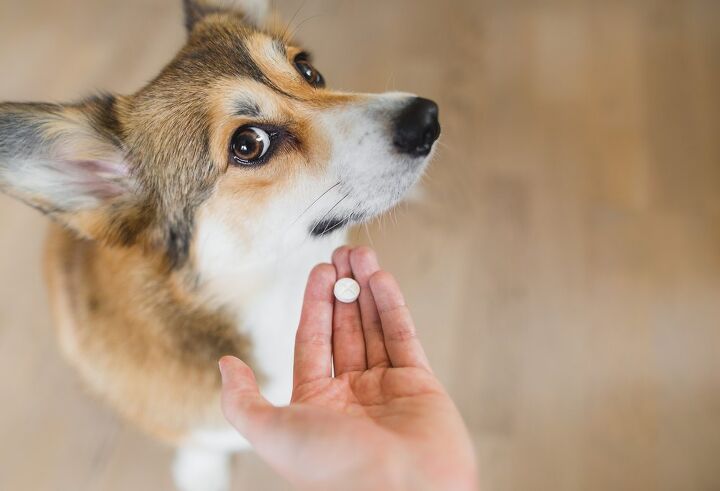
Yes, dogs can take melatonin, but it's essential to consult with a veterinarian before administering any supplement to your pet. Melatonin can be used to help dogs with anxiety, sleep disorders, and certain medical conditions. However, it's not a substitute for veterinary care, and your vet may recommend other treatments or therapies.
Benefits of Melatonin for Dogs
- Helps with anxiety and stress
- Regulates sleep-wake cycles
- May help with separation anxiety and noise phobias
- Can be used to treat sleep disorders
Is Melatonin Safe for Dogs?
Generally, melatonin is considered safe for dogs when used under the guidance of a veterinarian. However, it's essential to follow the recommended dosage and consult with your vet before giving your dog melatonin. The ideal dosage depends on your dog's weight, age, and health conditions.
How Much Melatonin Can I Give My Dog?
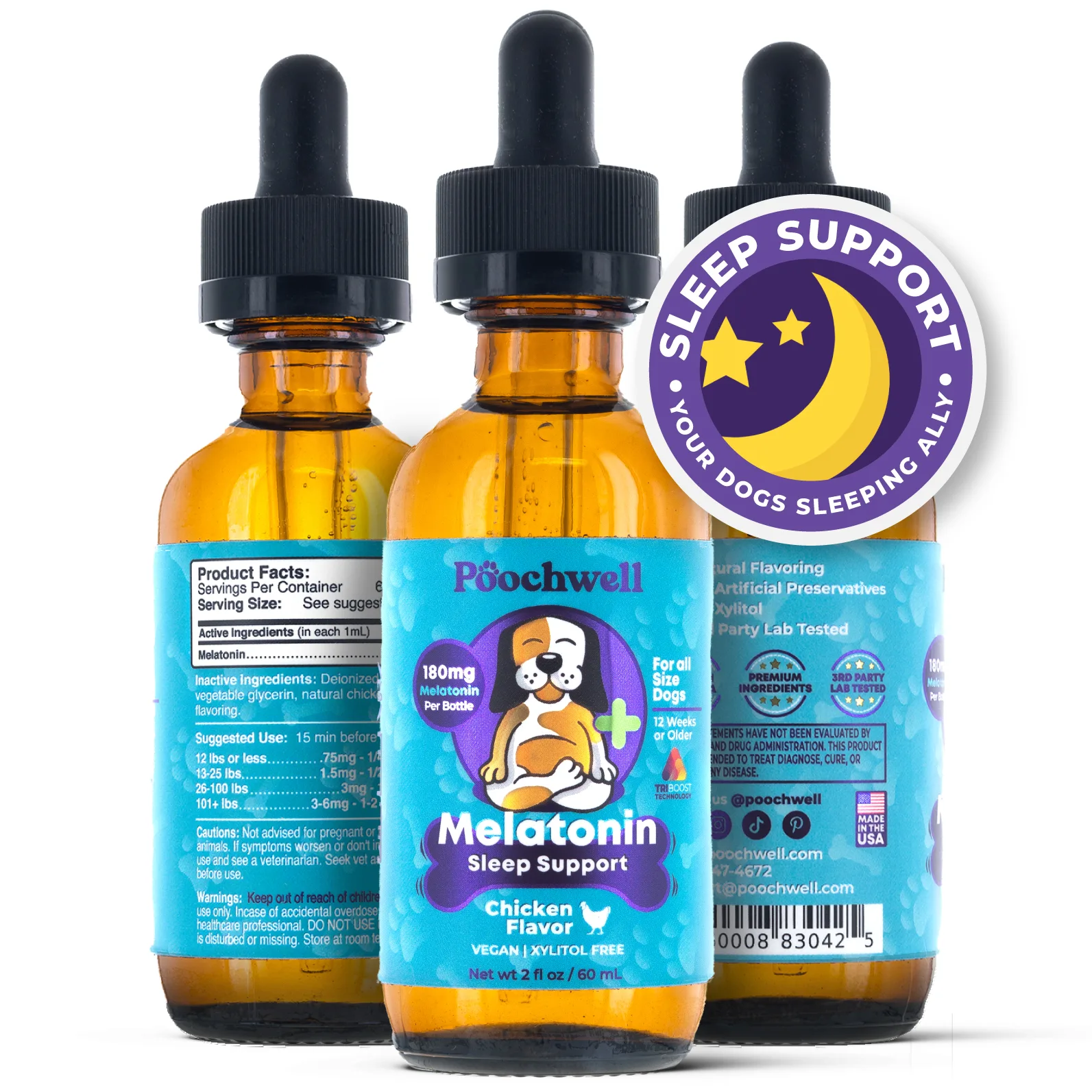
The dosage of melatonin for dogs varies depending on their weight and condition. Here are some general guidelines:
- Less than 10 pounds: 1 mg
- 11-25 pounds: 1.5 mg
- 26-100 pounds: 3 mg
- Over 100 pounds: 3-6 mg
Side Effects of Melatonin in Dogs
While melatonin is generally safe for dogs, it can cause side effects in some cases. These may include:
- Dizziness or drowsiness
- Stomach upset or nausea
- Diarrhea or vomiting
- Increased salivation
Precautions and Contraindications
Before giving your dog melatonin, it's essential to consider the following:
- Consult with your veterinarian before administering melatonin to your dog.
- Use a high-quality melatonin supplement specifically designed for dogs.
- Avoid giving melatonin to dogs with certain medical conditions, such as kidney or liver disease.
- Don't give melatonin to pregnant or nursing dogs.
Conclusion
Melatonin can be a safe and effective supplement for dogs when used under the guidance of a veterinarian. However, it's essential to follow the recommended dosage and consult with your vet before giving your dog melatonin. With proper use, melatonin can help your furry friend manage anxiety, sleep disorders, and other conditions, ensuring they live a happy and healthy life.
References
For more information on melatonin for dogs, consult with your veterinarian or check out the following resources:
- American Kennel Club: Melatonin for Dogs
- PetMD: Melatonin for Dogs
- WebMD: Melatonin for Dogs