Jewel Tones: The Ultimate Guide to Rich, Saturated Colors
What Are Jewel Tones?
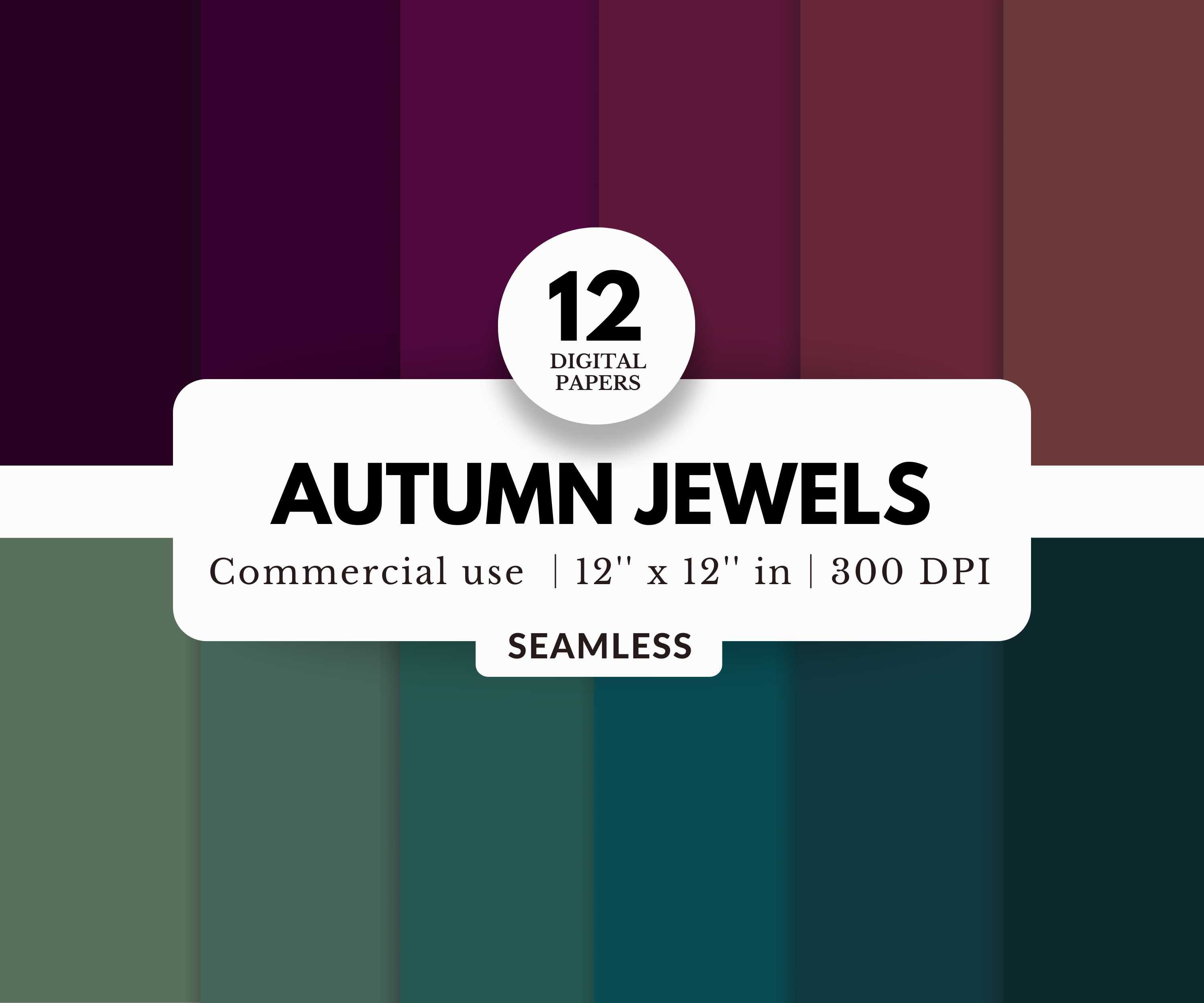
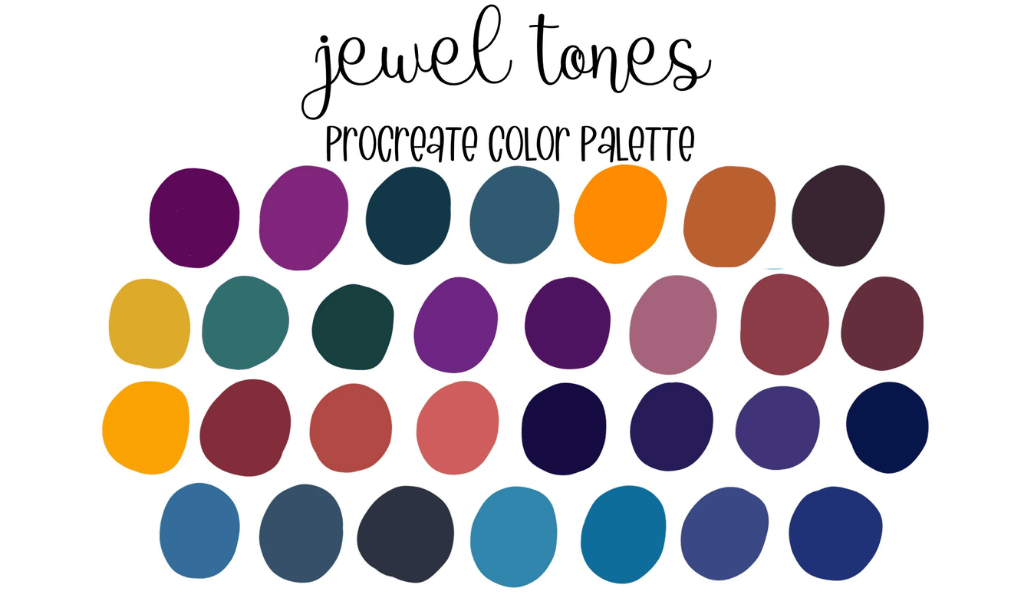
Jewel tones are rich, saturated colors inspired by precious gemstones. These colors have a depth and luxury that's unmatched by other color families. From emerald green to ruby red, sapphire blue to amethyst purple, jewel tones evoke the feeling of wealth, status, and royalty.
A Brief History of Jewel Tones
Jewel tones have been a staple in design for centuries, but their popularity has grown significantly in recent years. The use of jewel tones in art and design dates back to the Renaissance period, where they were used to depict wealth and power. In the modern era, jewel tones have become a go-to color palette for designers looking to create luxurious and sophisticated spaces.
How to Incorporate Jewel Tones into Your Designs
- Start with a neutral base: Use a neutral base color to create a strong foundation for your jewel-toned design. This can be a light gray, beige, or cream-colored wall.
- Add a pop of color: Use a small amount of a jewel-toned color to add a pop of color to your design. This can be a throw blanket, pillow, or vase.
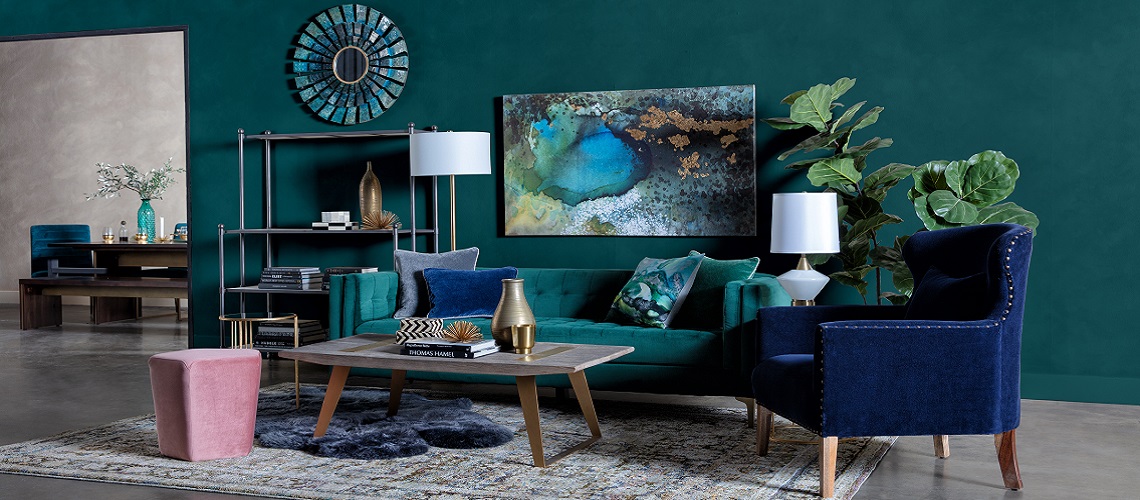
- Create a statement piece: Use a jewel-toned color to create a statement piece, such as a bold piece of artwork or a luxurious piece of furniture.
- Balance with neutrals: Balance your jewel-toned color with neutral elements, such as white, gray, or beige.
Common Jewel Tone Colors
- Emerald Green: A rich, vibrant green that's reminiscent of the gemstone.
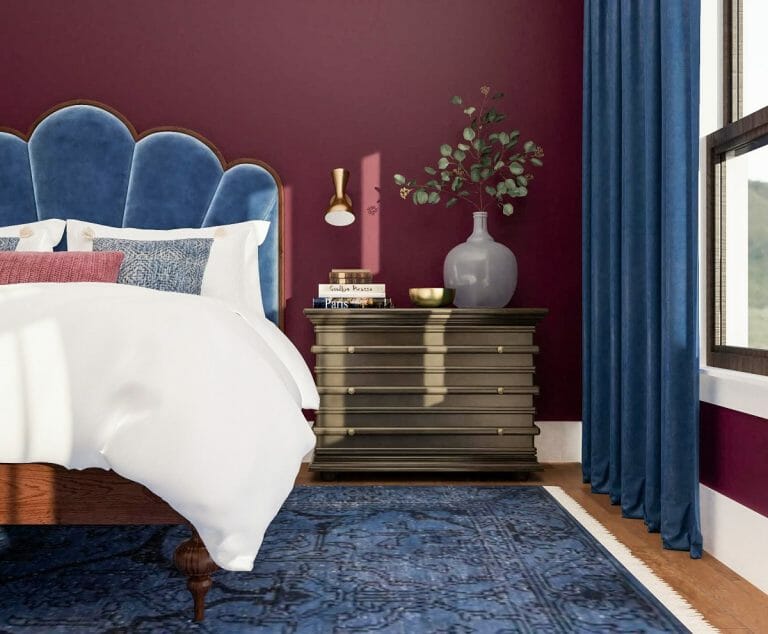
- Ruby Red: A deep, luxurious red that's perfect for creating a dramatic ambiance.
- Sapphire Blue: A bright, eye-catching blue that's inspired by the gemstone.
- Amethyst Purple: A rich, regal purple that's reminiscent of the gemstone.
The Psychology of Jewel Tones
Jewel tones have a profound effect on our emotions and behavior. They can evoke feelings of luxury, sophistication, and elegance. In addition, jewel tones have been shown to increase creativity, stimulate the senses, and create a sense of calm.
The Benefits of Using Jewel Tones
- Stimulates the senses: Jewel tones can stimulate the senses, creating a sense of engagement and excitement.
- Increases creativity: Jewel tones have been shown to increase creativity, making them perfect for artistic and creative endeavors.
- Creates luxury and sophistication: Jewel tones evoke feelings of luxury and sophistication, making them perfect for high-end design projects.
The Drawbacks of Using Jewel Tones
- Can be overwhelming: Jewel tones can be overwhelming, creating a sense of visual fatigue.
- Difficult to balance: Jewel tones can be difficult to balance, requiring careful consideration and placement.
Expert Tips for Using Jewel Tones
"Mixing jewel tones with warmer elements—like darker wood tones, leather, or brass accents—keeps them from feeling too cool or austere." - Karen Zeiler, interior designer
"Jewel tones are a great way to add a pop of color to a room, but they can be overwhelming if used in excess. Use them sparingly to create a bold and sophisticated look." - Emily Thompson, interior designer
Conclusion
Jewel tones are a powerful and elegant color palette that can evoke the feeling of luxury and sophistication. Whether you're using them in art, design, or everyday life, jewel tones can add a touch of drama and elegance to any space. With these expert tips and guidelines, you'll be able to incorporate jewel tones into your designs with confidence.
Common Jewel Tone Combinations
- Emerald green, red, and gold: A classic combination that's reminiscent of traditional holiday colors.
- Sapphire blue, beige, and gold: A sophisticated color palette that's inspired by the luxury of the Middle East.
- Amethyst purple, silver, and gray: A regal color combination that's perfect for creating a dramatic ambiance.