What You Need to Know: Is Melatonin Affected by Alcohol?
Understanding the Interplay Between Melatonin and Alcohol
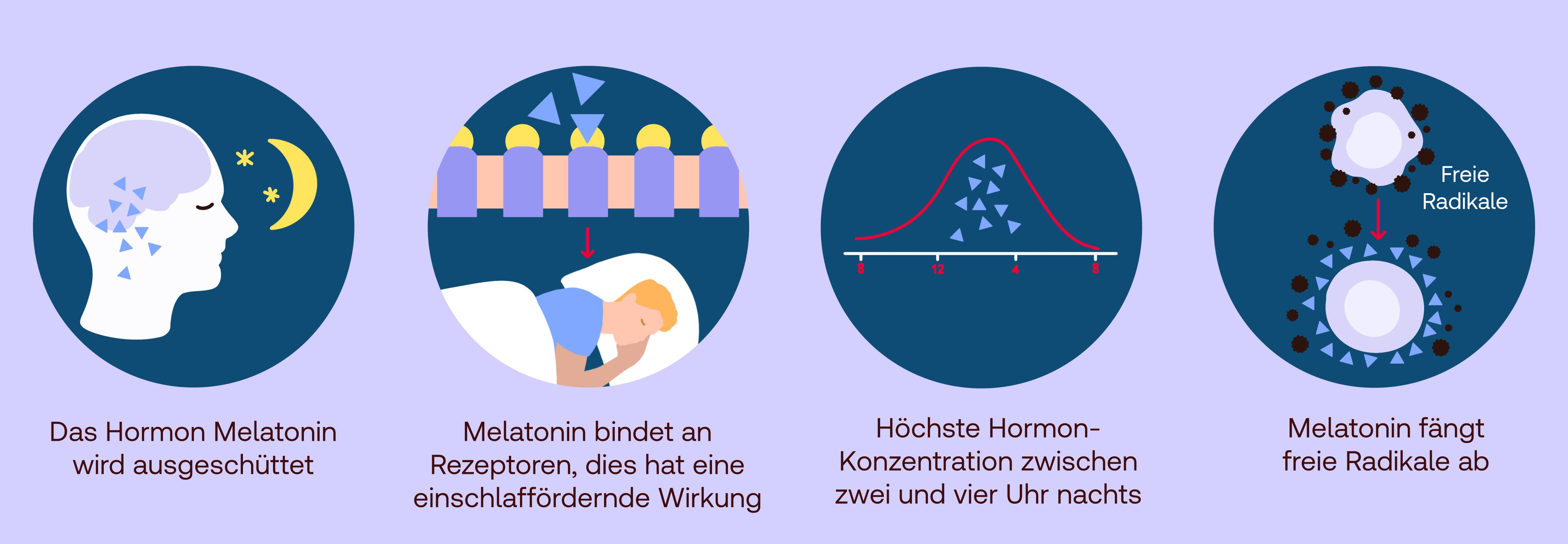
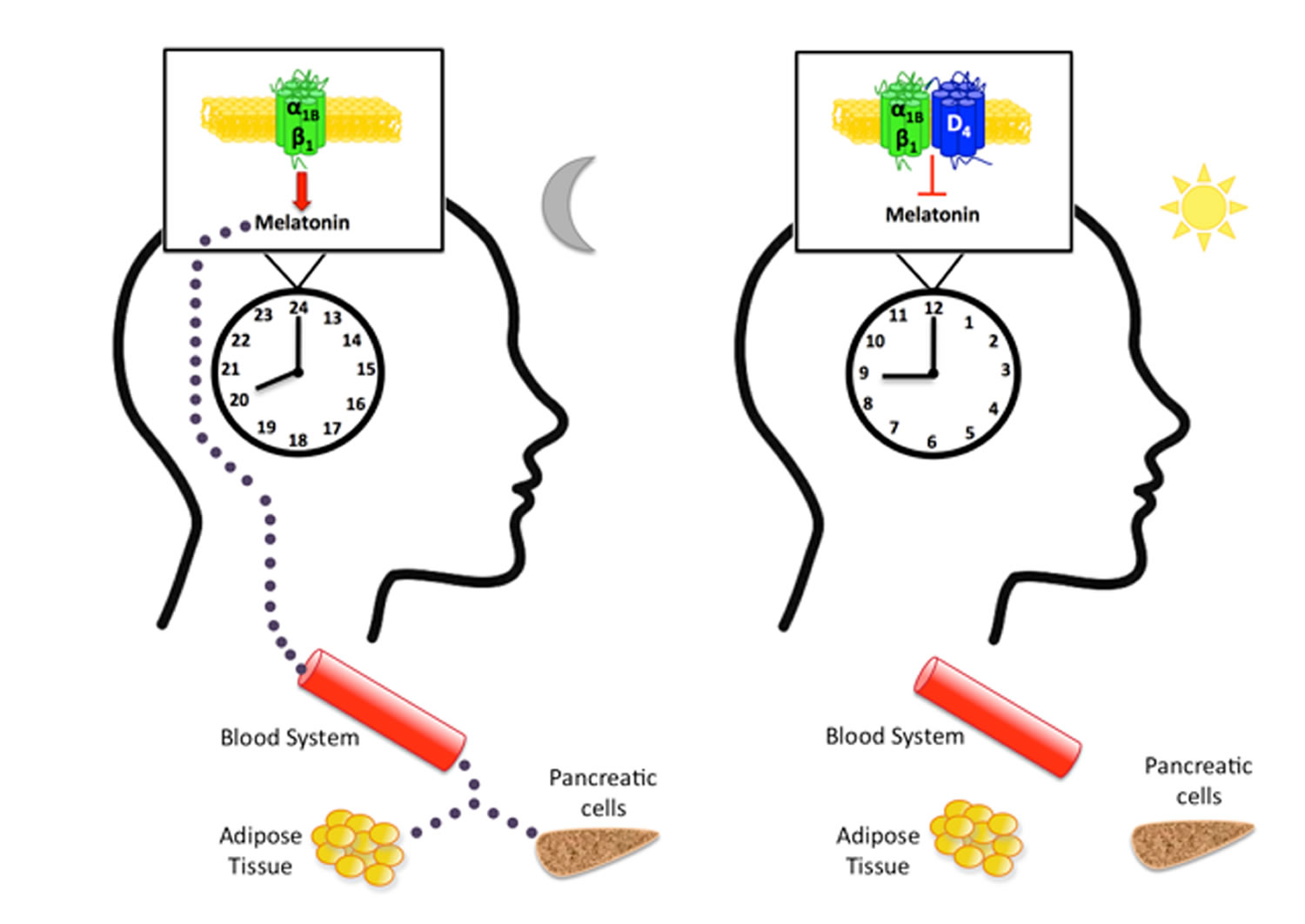
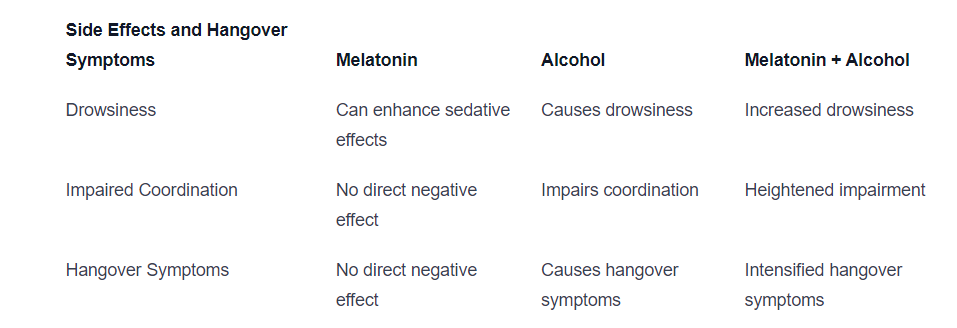
Melatonin, a hormone produced by the pineal gland in the brain, plays a crucial role in regulating our sleep-wake cycles. Its effects are widespread, impacting various functions including our circadian rhythms, body temperature, and emotional well-being. However, the relationship between melatonin and alcohol is complex and multifaceted. Recent studies have shown that consuming alcohol can affect the effectiveness of melatonin supplements, leading to negative side effects such as dizziness, drowsiness, and impaired coordination.The Impact of Alcohol on Melatonin Production
Alcohol consumption can interfere with the production of melatonin, leading to disrupted sleep patterns and poor sleep quality. According to studies, alcohol consumption can expedite sleep onset but disrupts REM sleep and overall sleep quality, while also suppressing natural melatonin production. This indicates that combining melatonin supplements with alcohol may lead to increased drowsiness, dizziness, and impaired motor function.The Science Behind the Interaction
Alcohol acts as a sedative that interacts with several neurotransmitter systems important in the regulation of sleep. Acute administration of large amounts of alcohol prior to sleep leads to decreased sleep onset latency and changes in sleep patterns. This disruption can have severe consequences on our overall health, including increased risk of accidents, injuries, and cardiovascular diseases.Why Combining Melatonin and Alcohol is a Bad Idea